Death/grind legends Carcass return after 18 years with glorious ‘Surgical Steel’

CarcassWhen the new “Star Wars” trilogy came out, it was exciting but a little bit terrifying. We were talking a major risk at ruining something that was a major part of many people’s childhoods and lives, and there was a great chance that, if anything went awry, that whole magic could be ruined. As we all know, the whole thing went awfully badly, and many people don’t view the “Star Wars” franchise the way they once did.

Same thing can happen with our favorite bands. We develop relationships with them, they become a part of our lives, and they inform a lot of our experiences. But sometimes they go the wrong way and leave us alienated, often never to recover again. Which person who grew up loving and worshipping Metallica still feels the same way about them? I sure don’t. Slayer’s packed and on the road to doing the same exact thing. Iron Maiden and Judas Priest almost undid a part of their legacy and well being by replacing irreplaceable voices with dudes who certainly tried their hardest but just could not fill the enormous shoes.

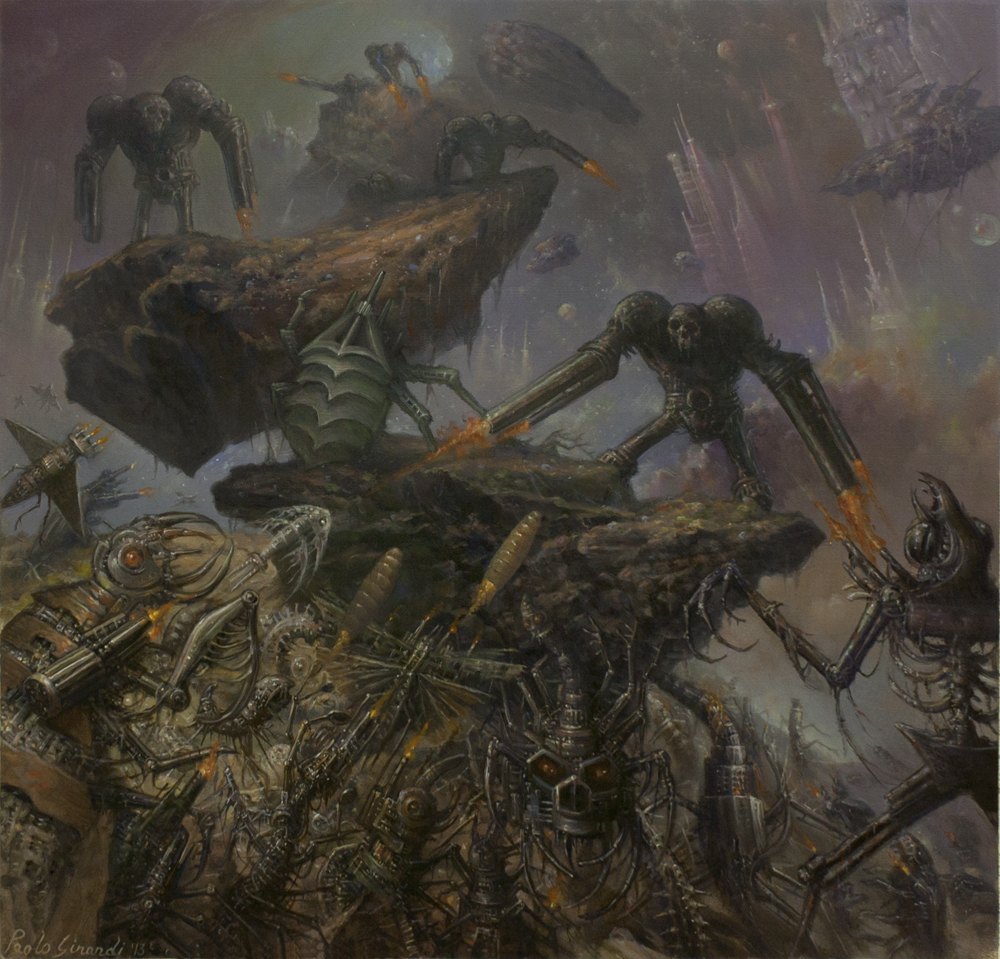
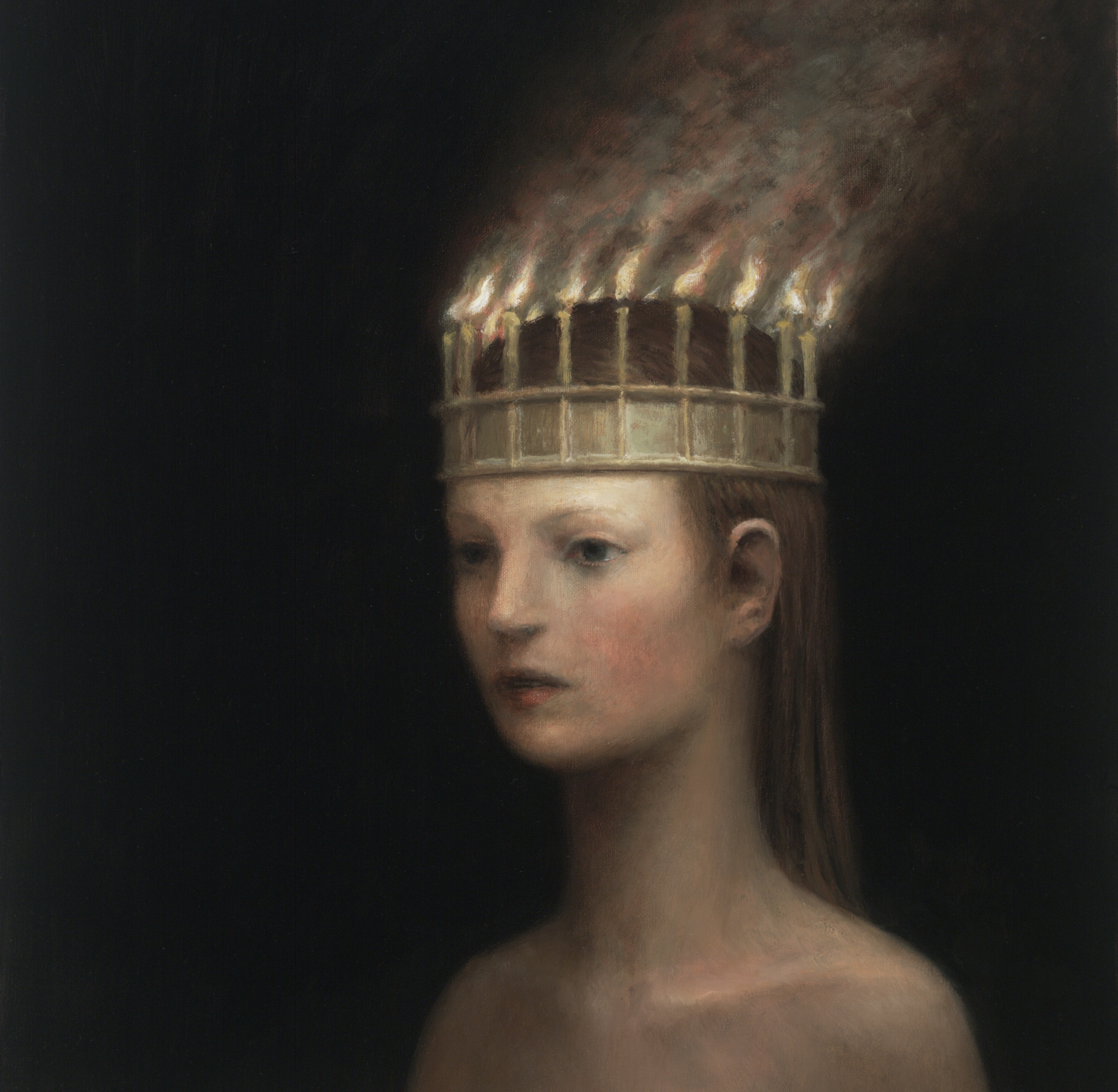
Carcass - Surgical Steel - ArtworkWhen word came down that Carcass, the legendary pioneers of melodic death metal and medically gruesome grindcore, were going to try their hands at a new record (18 years after 1996’s “Swan Song”), my initial reaction was worry. They already had a great back catalog, and there had been times when the band said there would be no new Carcass music. I don’t think anyone would have been upset had they done their occasional tours and festival appearances and left their musical legacy in place. But that wasn’t their desire, and the Jeff Walker-led group decided they had more to say, more blood to draw, more flesh to carve. Yeah, it was pretty exciting on one hand to imagine new Carcass music, but would it ultimately prove a foolish move that would leave a dent in their legacy?

Well, simply answered, fuck no it didn’t hurt their legend. In fact, the unreal, savage, heavily spirited “Surgical Steel” is one of the year’s most pleasant surprises, and it definitely will end up on year-end lists everywhere and surely top some of them (ahem, Decibel). It’s arguably one of their best albums to date, and Carcass sound as channeled and furious as they ever have, and this is one hell of a fun, plasma-soaked romp that just grows you on every time you take it on. Ruin their legend? All they did was solidify their standing and prove they’re the masters of this and that everyone who followed them are still trying to catch up.

As noted, bassist/vocalist/all-around madman Walker remains at the head of this thing, and with him is longtime guitarist Bill Steer, whose work is a major reason this record is so good. His riffs are violent and thick, he still has a knack for deliriously catchy melodies, and he’s as important as Walker to making this thing work as well as it does all these years later. The new fellows in the band are guitarist Ben Ash (who has played with bands such as Pig Iron and Desolation), who didn’t actually play on the record, and drummer Daniel Wilding (The Order of Apollyon, Trigger the Bloodshed), whose playing holds up pretty damn well. Live, they are a formidable version of Carcass, and these songs should go over deliriously well with their fans.

It takes less than four minutes for the band to rip through their first two songs on “Surgical Steel,” though that isn’t because they’re back to their grind roots. Instead, “1985” is a brief instrumental opener awash in classic metal glory, and “Thrasher’s Abattoir” is a speedy dose of death that has Walker growling as maniacally as ever, teasing, “Time to die in pain.” Then the album really starts to set up on “Cadaver Pouch Conveyer System,” a track with great lead work, charismatic and catchy vocals, and razor-sharp playing that proves just how on top of their game these guys really are. “A Congealed Clot of Blood” may sound gross on the surface but wait until you cut underneath the crust and get bombarded by meaty thrashing and throaty barks that are commanding through and through, while “The Master Butcher’s Apron” is a cut that starts like relentless death, with Walker howling, “The sun never sets, the blood never dried.” Then once the devastating storming subsides, the song eases into a thrashy groove and starts mauling the world. This is the best cut on the first half of the record.

“Noncompliance to ASTM F 899-12 Standard” is one of many references to steel used to make surgical equipment, and its fluttery power metal style sounds more epic and magical than one might expect about sliced skin and sawed bones. You’re bound to like it if you dork out on stellar playing or if you want your metal blood-splattered. “The Granulating Dark Satanic Mills” opens with a sinister guitar line that seems to have nothing but evil in its sites, but when it fully develops, it becomes an explosive masher with one of the finest, most memorable choruses on the album that I’d expect people to shout back at the band. Not sure what the number sequence “6-0-2-6-9-6-1” stands for, but it sound potent as Walker howls each digit. “Unfit for Human Consumption has a tasty technicality to it, sort of like early ’90s Megadeth before they wimped out, and the shriek lines behind the main vocals make for a fun approach. “316 L Grade Surgical Steel” isn’t tough to decipher and is as chunky and gritty as it is melodic. “Captive Bolt Pistol” is pretty to the point and is one of the tracks most people have heard by now,” while closer “Mount of Execution” (8:24 long) begins with swampy acoustics before slipping into a pure thrash vein. It’s angry and mean but also very approachable. It’s probably the most digestible song on the record, with the slide guitar that keeps coming back, and honestly it’s the one song on here I’m still not overly excited about even after many listens. Maybe it’ll click for me eventually.

Admittedly it took me a little while to fully embrace “Surgical Steel” because of the overwhelming hype and praise most writers heaped upon this record. But once that subsided and I was able to really immerse myself in the music and understand it for what it is, I was thrilled with it and have played it on heavy rotation ever since. Carcass is one of the great metal bands of our time, a group that created new sounds, stretched the genre’s walls forever, and still are making incredible music today, and “Surgical Steel” is one of the best comeback albums in metal history. Hell, in music history. Yeah, this record has been praised and lauded to death, but it’s for damn good reason. Carcass are back, and they’re as bloody good and deadly as ever before.

For more on the band, go here: https://www.facebook.com/OfficialCarcass

To buy the album, go here: http://shop.nuclearblast.com/en/shop/

For more on the label, go here: http://www.nuclearblast.com/en/

PICK OF THE WEEK: ‘Blood Vaults’ the most ambitious work to date for Ruins of Beverast

ruinsWitches, am I right? Just can’t seem to keep them down. People have been trying for years, all over the world, and they just keep popping back up for more. We’ve tried burning them, putting them on trial, ostracizing them, and they just keep coming back like they don’t care about what lunatic groups of people think about them (if they’re really witches in the first place).

OK, so there really isn’t so much witchcraft fervor going around today per se, but they’ve been replaced by other groups of people who generally are criticized, demonized, and traumatized by people who usually use a thousands-of-years-old text to justify their fears/paranoia/hatred. I think we all know what I’m talking about, and I don’t want today’s piece to turn into a political/sociological critique of people who just can’t get their shit together and realize their views are ancient and hate-based, so we won’t go any further down that road. But it always makes me think back to the way witchcraft–or the belief it existed in and was practiced by people–caused so many to be tortured, murdered, and cast out of society. We’ve come pretty far as humans, but then again, we haven’t.

Ruins of Beverast coverWeirdly, that brings us to the Ruins of Beverast, the longtime project of Alexander von Meilenwald, the German musician who not only has made impressive, world-altering black metal under this banner but also has played with Nagelfar and Kurmania. Over the course of four full-length albums he has released the past decade, von Meilenwald has managed to make the Ruins of Beverast a destination point for those of us who love the heathen sounds he makes but also want to be provoked to think, dream, and reason. None of his records are easy to handle and take some concentration to fully engage with the music, and that’s never been more true than with the project’s new fourth record “Blood Vaults – The Blazing Gospel of Heinrich Kramer  (Cryptae Sanguinum – Evangelium Flagrans Henrici Institoris),” a three-movement, wholly ambitious piece of work that is von Meilenwald’s most haunting, sorrowful, and full-bodied releases to date, and one you might have to spend a lot of time alongside to fully appreciate.

The name Heinrich Kramer takes us back to the topic of witchcraft as he, as an inquisitor for the Catholic church in the 15th century, and one hell of a voice at the pulpit, took up arms against this supposedly evil force. He also became one of the primary figures behind fighting back against sorcery and witchcraft on behalf of the church, eventually working on the “Malleus Maleficarum” (translated means “Hammer of the Witches”), used as a guide for prosecuting witches and fighting back against those who did not believe witchcraft even existed (including the church during periods of time). This led to trials and punishments becoming more brutal, though Kramer eventually would be written off by some as a kook and relegated to the speaking circuit, but his impact could not be denied. Clearly von Meilenwald took interest in the story, crafting this nine-track, 78-minute album after him and turning in a very haunting, very liturgical sounding amalgamation of black metal, grime, and doom that’ll stick with you and keep prodding you long after it’s done playing. In fact, it might shake you to your core like it did to me, making me realize that humanity’s penchant for justifying hatred based on theology never gets out of our bloodstream.

The first third of the record begins with “I. Apologia” that is a strange intro that finds von Meilenwald offering a growly narrative, keys, and chilling chants (an element that returns quite a bit on this record), and that leads into “II. Daemon,” built on slow-moving, muddy, grinding riffs and darkness.The song is moody and gloomy, and alien effects eventually dress the vocals, giving the song an otherworldly, chilling feel. It’s a really effective, churning track, and it’s just the start. “III. Malefica” has more extraterrestrial strangeness with the sound effects, chants that swirl into outer space, and emotional clean vocals that take place of the snarling growls, at least for a little bit of this 10:24 epic. The music does a fine job pushing out the boundaries and exploring every ounce of von Meilenwald’s ambitions, and yeah, when he starts growling viciously again amid bloody organs and muddy madness, you’re reminded of the evil afoot. “IV. Ornament of Malice” caps off the opening triptych, spilling over eight minutes, with more growling narration, filthy riffing, funeral doom bubbling, and odd melody zaps and mournful, clean singing that help the song reach its conclusion.

As demanding as the first part of the record is, its middle section is its weightiest and mightiest. “V. Spires the Wailing City” runs more than 13 minutes, opening with a drape of clean guitars and wondering, eventually being disrupted by noisy stabs, quivery monologues, and sludgy Celtic Frost-style brutality. Organs moan, doom spits back at you, and tribal drumming and angelic choral sections leave you in a deep freeze. “VI. A Failed Exorcism” not only is an interesting, telling song title, it’s also the longest track on this document, running 15:33 and scorching every step of the way.There are grisly growls, more infernal chanting, and some Middle Eastern-style melodies that add a sense of mysticism to the music. Doom returns again–in fact, there’s more of that than black metal essences on the whole album–and the entire run is very involved, terrifying at points, and even when you think von Meilenwald may have bitten off more than he can chew, he jerks your attention and grinds you back into focus.

The final third opens with the strange, choral-heavy, deliberately drummed soundscape that is “VII. Trial,” that leads the way into “VIII. Ordeal,” a compact but blood-freezing piece complete with crashing drums, noises that cause a storm of panic, and a female voice pleading, praying, confessing, something of that nature. These two pieces all set up the finale “IX. Monument,” 12 minutes of pastoral-sounding warbling, gothic fog, gritty doom, and churning metal that’s thick, suffocating, and blistering. But as the song draws to a close, those old spirits rise again, voices come out of the night, and a single soul, insisting, “Drink the blood of Christ, eat his flesh,” sounds more ominous and evil than the spirits he’s apparently born to fight. Funny, but you get that sense about the Ruins of Beverast’s message over this entire record.

This is one challenging, attention-demanding journey that requires you to pay attention and immerse yourself in what’s going on. No Ruins of Beverast is ever easy to get along with at first, and that’s something I’ve come to love from this project because I always have to earn the records in order to totally appreciate them. “Blood Vaults” is Ruins’ most ambitious record to date, one that might not be topped as long as von Meilenwald creates music, though it wouldn’t surprise me if he finds a new target to direct his creativity next and come up with something that’ll stretch your brain even further.

For more on the band, go here: https://www.facebook.com/pages/The-Ruins-Of-Beverast/116265971848680

To buy the album, go here: http://www.van-records.de/content/en/store.html

For more on the label, go here: http://www.van-records.de/

New Zealand’s Ulcerate crush you under their death-fueled might on killer new ‘Vermis’

ulcerateOne of my great irrational fears in a sea of them is to be trapped or encased in concrete or something of that matter. Hearing horror stories–real or not–about mafia members seeing to it that an enemy is somehow built into the concrete pillars of a bridge, ensuring a particularly gruesome death, scares the hell out of me, and I’m sure it’s my claustrophobic nature that amplifies this.

Not that I have any enemies or anyone who would want to subject me to a death inside cement or asphalt or some other inescapable material, but I’m clumsy. I could fall in and be up to my neck in death. Just imagining being trapped, all of that weight bearing down on me, rendering me unable to gasp a breath and left to suffocate is enough to get me shaking and having nightmares. This is why a lot of times when I describe bands as being cement heavy, this is what I think about. Music so thick and weighty that, if it could be converted into the substance, would crush my chest and kill me. I also find it a little odd that I like that kind of music considering my fears.

ulcerate coverOne such band whose music always sounded thick enough to support a bridge is Ulcerate, the New Zealand-based death metal band that has been crushing people under their weight for more than 10 years now. Their style is quite recognizable, from the mucky, throaty growls, to the penetrating, technically sound instrumentation, to the way their thick, sludgy sound makes you feel like you’re drowning in quicksand. I instantly know Ulcerate when I hear them, and considering how many bands dot the death metal landscape, that’s a badge of honor for this band. There’s also a sort of expectedness when it comes to their music, and I don’t mean that in a bad way. They have a sound, a style, and while they don’t veer too far from it ever, it’s sort of comforting to know you can expect a certain kind of record from them and they always deliver. And it’s always totally worth worrying about your own demise taking on their records.

After offering up their last two albums on the most-excellent Willowtip Records, the band made the jump to Relapse for “Vermis,” their fourth full-length crusher. These 55 minutes of, yes, cement-thick death metal is tried-and-true Ulcerate, and it’s brutal in all the right ways, punishing like you know it needs to be. The lineup of bassist/vocalist Paul Kelland, guitarist Michael Hoggard, and drummer Jamie Saint Merat delivers mightily on this nine-track monster, and if you somehow haven’t been exposed to these beasts before, there’s no better chance than this record to see what all the bruising and carnage is all about and why people righteously praise the name Ulcerate. And it might make you feel like you’re trapped in that dreaded cement mixer.

The opener “Odium” lets things simmer before the record blows open, though it’s ominous and menacing in its own right as it sets the path for the rest of the record, that really picks up on the title cut. The muddy, gritty thrashing gets going in earnest, as Kelland’s grimey growling sounds like a horrible beast rising from the earth with nothing but ill intentions in mind. “Clutching Revulsion” is slower moving in areas and also lets some dissonant melodies rise up, adding a touch of weirdness to Ulcerate’s metallic recipe. It is brutal, of course, and leaves no room for any mercy, with the drumming coming across as particularly pulverizing. “Weight of Emptiness” has an eerie unsettling beginning but eventually becomes a muddy, thick creeper that both slithers and clobbers. “Confronting Entropy” stomps and snarls like a dinosaur, leaving its gigantic paw prints all over and unleashing a vicious, explosive assault that is pure heaviness through and through.

“Fall to Opprobrium” is one of the shorter cuts on the record, and it is one of the most atmospheric, but it’s simply easing you before the throne of “The Imperious Weak,” a creative, intriguing cut that’ll have you following on its bizarre waves even while it’s mauling and bulldozing everything in front of it. Once again the drums cause complete devastation, and the vocals let fire roll out of Kelland’s mouth like he’s trying to gurgle forth the world’s epitaph. “Cessation” also has some airy, mind-altering melodies that break up all the insanity, but make no mistake that your fingertips are going to get crushed under the weight of this one. Closer “Await Rescission” just splatters everywhere, with drums causing wounds that spurt blood, dizzying, savage riffs that make you feel like you’re swallowing concrete, and even moments where the band gets proggy and ambitious musically while they bring down the hammers of destruction.

If you’ve been on this long, bloody road with Ulcerate, there’s no doubt you’re going to keep moving along with them as they bore forward like a hell combine. Or, if you’re like me, it’ll further emphasize that feeling of being trapped in a bin or behind a wall or in a pit as tons of cement come crashing down on you, with no chance of escape. Ulcerate are heavy and have the structural might of a towering skyscraper that looms large, casts a giant shadow, and can crush you at any moment.

For more on the band, go here: http://www.ulcerate-official.com/

To buy the album, go here: http://www.relapse.com/store.html

For more on the label, go here: http://www.relapse.com/

Nuclear Winter Records unleashes more death metal hell with Altars, Ensnared

Altars

Altars

It’ll be chilly really soon, and just having returned from a week at the beach, that makes me kind of sad. Winter is coming, as a certain television show has reminded us repeatedly, and while I actually kind of like that frigid, dead season that’s encased in ice and frigid temperatures, it doesn’t sound appealing in September.

We’re not really going to talk about wintry music today, so sorry about that somewhat misleading intro. Instead, we’re going to talk about a label whose name makes me think of that terribly freezing time with a side of Armageddon, that being Nuclear Winter Records. The Greek label has brought on some of the finest of underground black and death metal, including the awesome Cruciamentum, Trials, and Drawn and Quartered, and yes, when I was at the beach sifting through my promos I was planning to write about, it did put a bit of chill in my bones thinking about death and winter.

Nuclear Winter have two new releases about to hit the market (actually, three, though one, Temple Nightside we’ll talk about in the future since Dark Descent will be releasing it domestically), and both maintain the label’s reputation of finding ugly, punishing, bone-crushing bands that keep real, true death metal pumping through heavy metal’s disgusting body. One band is Altars, who hail from Australia and combine technical wizardry, off-balanced weirdness, and pure brutality on their first full-length effort “Paramnesia” that is a pretty mind-blowing document. The other is Ensnared, a bizarre, punishing band from Gothenburg, Sweden, that keeps thing raw but also carves a bloody new path toward death metal’s future. Both are perfect examples of remaining true to death’s past, but each band also has their quirks that separate them the rest of the pack (as well as from each other) and make them worth following going forward.

altars coverAltars, not to be confused with the Christian hardcore band by the same name, has been around since 2005 and have offered up a few split efforts and a demo before finally getting down to their debut long player. The trio is really well polished and machine-like, and their “Paramnesia” could excite people who like really techy death metal and stuff that sounds like it shot in from outer space aboard an asteroid from light years away. Their record is a really strong listen, and I wouldn’t be surprised if this album breaks them out to a larger amount of people.

The trio of bassist/vocalist Cale Schmidt, guitarist Lewis Fischer, and drummer Alan Cadman let things rip early with opening track “Mare,” a weird dose of death complete with gurgly growling, trudging melodies, and blistering drumming that sounds like a panicked soul rapidly pounding on a door for hopes of help avoiding total destruction. “Terse” is a short, violent burst of a song that is one of the most relentless tracks on the album, and that leads toward the mind-altering “Khaz’neh” that is guttural and gritty but also spacious and adventurous. Despite it running near eight minutes, it never feels half as long because the journey is so intoxicating and fun to jump aboard. “Solar Barge” certainly feels spacey, and though it takes a little time to get going, once it does, it rips you through the stars with whirring soloing and technically astonishing playing.

“Husk” is a shorter song that hulks open and gets fully aggressive right away, with punchy, punishing playing and melody presented in a really strange way. The final three tracks comprise the “Paramnesia” triptych, a trio of tracks that run the gamut of Altars’ sound and make for a really adventurous back end.”Descent” is the first part, with its weird, tricky makeup, drums that go nuts, and a nice groove that leads the song to its conclusion and collision with “Gibbous,” the interlude that makes up the middle portion of the piece. “Ouroboros” is the final section, a 10-minute piece that crushes with dizzying riffs, throat-ripping vocals, and bruising drums. The tempo rises and falls, as the song subsides about halfway through only to come blasting back with a healthy serving of thrash and blistering death, eventually letting the song drown out in a haze of noise that buries you in feedback.

Altars’ incredible debut is worth going out of your way to hear, especially if you like your death metal a little more dramatic and technically mangling. Chances are this is only the beginning for these Aussie titans, and we have Nuclear Winter’s excellent ears for talent to thank for that.

For more on the band, go here: https://sv-se.facebook.com/pages/Ensnared-SWE/147726878607702?sk=wall

Ensnared

Ensnared

Ensnared started their filthy existence as Gravehammer in 2005, until their name change in 2010, and their ranks include two members who also ply their trade in their aforementioned band Trials. Their new EP “Ravenous Damnation’s Dawn” is a six-track effort that is as long as some band’s full-length displays and is a blood-rushing joy from start to finish. They play fast–really fast– at times, but when it’s time for them to slow it down and be more menacing, they’re just as adept at that.

ensnared coverThis mysterious, occult-driven group of mad men let their music explode in your face with “Adorations,” an insane, massive cut that slithers, circles you like a crazed freak, and sometimes sounds warped like Blut Aus Nord. The song also is pretty weird and mind-warping, but it’s also bloodthirsty and brutal as fuck. “With Roots Below” has a punk-fueled edge that reminds of thrash and death’s early years, and the evil-drenched vocals combined with the lighting-fast speed that bursts from the seams makes for a nasty, tasty track. “Kimiya Ye Al Molekhat” is ominous and a total chokehold of metallic rage, with drumming that turns the world to dust and maniacal mashing that could leave you running for cover.

“The Hungry Darkness of Death,” a song that’s just over eight minutes long, has a clean, eerie introduction that could make you see ghosts, and the long, calculated buildup eventually bubbles over, with Ensnared going back to their endless amounts of speed and devastation. This song will knock you on your side and gallop all over your prone body. The final two tracks are CD bonus cuts, both sounding a little more raw and less polished than the first four but maintaining a killer edge. “Fields of Resurrection” sounds like the guys just letting loose and letting their fists fly, with the drubbing drumming standing out over everything else. “Baneful Blood” is mean and churning, with strong soloing, forceful vocals, and commanding, speed-filled playing leaving you dizzy and gasping for air.

Just like Altars, you’re bound to hear more from Ensnared, though they may appeal more to the heathen, maniac audience. These guys have a knack for playing fast and leaving no drop of blood and sweat unused, and it’ll be fun to watch them accumulate their body count as they go from here.

For more on the band, go here: https://sv-se.facebook.com/pages/Ensnared-SWE/147726878607702?sk=wall

To buy the albums, or for more on the label, go here: http://www.nuclearwinterrecords.com/

Watain’s Danielsson discusses the importance of ‘The Wild Hunt’ to their dark mission

635077568089509577
Watain
are no strangers to controversy. From their hellacious black metal, classic records that have helped transform the genre, animal blood-soaked live performances, and unabashed allegiance to Satan, the band has been one of the most-talked about, controversial acts to come along in some time. In an era when everyone seems to want to play it safe, Watain have gone the opposite direction and brought their madness and darkness on like a storm to shock and startle the masses. Now, the controversy comes from their new, fifth album “The Wild Hunt,” the band’s first for Century Media, one people have weirdly dubbed their “Black Album,” in reference to Metallica’s mainstream-embracing 1991 smash. If “The Black Album” sounded half as ferocious as “The Wild Hunt,” no one would bitch about that record, and honestly, the hand wringing going on over this new Watain statement is ridiculous.

Guitarist/vocalist/spokesman/driving force behind Watain Erik Danielsson frankly doesn’t care what critics think, as you’ll read below, and only is concerned about driving Watain into the future, people’s fretting be damned. “The Wild Hunt” is an important piece of the band’s mission, and Danielsson took time to answer some of our queries about the album, how he feels it fits into Watain’s campaign, and his feelings on how people have been impacted by their 10-minute epic “They Rode On.” He is blunt, to the point, and a little agitated, and we would not have expected any less.

Meat Mead Metal: Congratulations on your new record “The Wild Hunt” not only for creating one of the most anticipated albums of the year but for creating controversy for how it sounds. Are you surprised by the reaction, since some people seem to feel Watain turned their backs on a true black metal sound?

Erik Danielsson: I haven’t heard so much about the reactions apart from the few reviews I’ve read, and of course the reactions of our closest brothers and sisters who were with us during the birth of “The Wild Hunt.” The latter of course means a lot to me. But beyond that, I have very little interest in whether or not people feel we have met their expectations or whatever. To me it’s an album that I am very content with and very proud of.

MMM: The production is the best of any Watain record to date. It’s rich, nicely textured, alive. It also fits the music really well. Was it a goal to go into this and produce a bigger sounding album?

ED: We wanted something production-wise that sounded like a classic, big metal album while having a feverish nightmare.
635077568515234325

MMM: What was the goal or mission going into creating “The Wild Hunt” and do you feel you accomplished what you set out for?

ED: As always, we yearned to make an album permeated by an ever deeper level of honesty, passion, and fanaticism than ever before. And as always, we succeeded!

MMM: Century Media seems like a perfect place for Watain to expand their mission. Is that why you chose to go there?

ED: We chose Century Media because they respected our ideas. They seemed to be a label that were not afraid of a band that was not like other bands. We are very confident with that choice.

MMM: To me, this record feels like a pretty natural progression from “Lawless Darkness,” which showed signs of Watain expanding their sound and their mission. Do you feel that way, that the band’s been headed down this path for a while?

ED: Watain has been on the same path since day one; the one into the unknown. So while the progress is indeed as natural as it can get, it is also entirely unpredictable. This is a problem for a lot of people that are afraid of change and prefer the stagnant order of things. Watain has always been about dissolving stagnation and hammering order into pieces.

MMM: Obviously much has been made of “They Rode On” and the clean vocals and slower tempo. Some have alluded to it being a ballad, like you did some sort of your own “Nothing Else Matters,” which couldn’t be further from the truth. Does it give you a sense of satisfaction at all that this song has been able to provoke the way it has? How did the song come about?

ED: I do not care the slightest about whether or not people see that song as “provoking.” If you measure the relevance and value of such opinions in comparison to what the song is actually about and how much it means to us, you would understand. And this is also something that the lyric itself deals with; the ability to shut out the vanity and the irrelevance of this disgusting world and focus only on transcendence and the path leading there. Nothing else matters!

MMM: For those fretting due to what they’ve heard online about the record, there’s plenty of Watain punishment such as “De Profundis,” “The Child Must Die,” and “Outlaw.” How do you feel these songs feed the flames that make up Watain?

ED: Musically, most of the album is pretty much full on Black Metal mania from start to finish, apart from perhaps “They Rode On” and the title track, which for some reason seem to be what most people choose to focus on. “The Wild Hunt” is made out of 11 songs that in turn could be seen as 11 windows that all reveal their own specific angle of the Temple of Watain.

MMM: What is the importance of Satanism to Watain in this stage of your career and your lives? Still as present and powerful? 

ED: Ever more so.

For more on the band, go here: http://www.templeofwatain.com/

To buy the album, go here: http://www.cmdistro.com/

For more on the label, go here: http://centurymedia.com/

PICK OF THE WEEK: Legendary tech death warriors Gorguts back with killer ‘Colored Sands’

GorgutsIt’s always nice to see people and things you haven’t in a long time. We’ve had a nice bit of that in metal this year, haven’t we? Bands we haven’t seen in a while, new records that made our collections that much more exciting, and tours worth getting off our lazy asses to go see.

Personally, I’ve had a few nice surprises this year. Those lads and lady in Bolt Thrower returned to our shores to devastate us on a few tour dates and an awesome, albeit mildly interrupted, appearance at Maryland Deathfest. It was my first chance to see the band, and getting to experience the UK legends in the flesh was unforgettable. Carcass also appeared on that fest, and they even are headed back with a new album we’ll talk more about in a few weeks. That might be the biggest surprise of the whole year, especially with how it sounds.

Gorguts coverAnother strong comeback comes via Gorguts, the Canadian masters of technical death metal that’s been away 12 long years and missed out on a huge wave of new bands following in their footsteps, turning the sub-genre into something of a messy phenomenon. The world could have used this Luc Lemay-led band in order to have some proper direction of how this stuff is supposed to be done and how to prevent the style from having a soul. Yeah, these guys always have been a band to wow you with their prowess, but their music always had a heart and personality that helped it rise above just being a mind-blowing display of musicianship. Needless to say, this band was missed, and the announcement Gorguts would be revived with an interesting new lineup was music to our sick hearts, culminating in “Colored Sands,” the follow-up to “From Wisdom to Hate.”

Yes, Lemay remains your unquestioned leader, handling guitars and vocals and exposing his disgusting thoughts to the world. Joining him is a virtual all-star cast of insanely accomplished underground metal musicians including guitarist Kevin Hufnagel (Dysrhythmia, Vaura), bassist Colin Marston (Krallice, Behold … the Arctopus, Indricothere), and drummer John Longstreth (Origin, Dim Mak) who practically turn Gorguts into a supergroup. They definitely hold their own to maintain this band’s legend and capably push the group into the future.

“Le Toit du Monde” kicks of this nine-track, 62-minute ripper, and you know within the first few seconds how much this song is going to rule. And that’s exactly what it does over its running time, blasting you with devious growls, slick and tricky guitar work that both shreds and astonishes, and portions that dive right into the pools of prog death. “A Ocean of Wisdom” follows, starting as a harsh, ugly demonstration of power but eventually finding time for atmosphere and melody. It’s mystical and airy at times, but it’s only temporary as scorching soloing follows, and the dry thrashing makes you feel like you’re crawling through an unforgiving desert. “Forgotten Arrows” is interesting because it keeps building up and subsiding, letting the guys work through the madness, visiting prog, thrash, and death equally. There is a lot of weirdness and dizzying playing, but it’s always fun and invigorating. The title track has a long, introspective opening, and after it establishes itself, it drops 50 tons of cement on you, keeping it thick, suffocating, and bruising. The dynamics of this thing are just breath-taking.

“The Battle of Chamdo” is the oddball, and instrumental built on synth-based strings and sweeping over like a piece soundtracking the opening credits to a gory action film where ancient forces are looking to shed blood. “Enemies of Compassion” is rightfully titled because it takes no prisoners and looks to exact as much damage as humanly possible. “Ember’s Voice” has a weird, slurry opening that sounds like the song was treated with a nice, thick cough syrup, and though it can be sci-fi-laced and loopy, it’s also pulverizing and mean. “Absconders” runs 9:09 and begins crushing with reckless abandon, paving the way for crushing, off-kilter mashing, a lumbering trip out of control down hill, and a savagery that sounds like it’s being carried out by a deadly machine with zero compassion. Closer “Reduced to Silence” ramps up quite strangely, which certainly isn’t a bad thing, and while your mind is trying to catch up with the band, they sneak up and wallop you with an insane intensity. The growls come from Lemay’s mouth like a rabid foam, and when the song finally dies down to a simmer, you know it’s just getting ready to boil over again and scorch which, as I’m sure you guessed, it totally does. It’s an awesome, relentless finish to a brilliant record.

So, welcome back, Gorguts. What an intense way to remind us you are the masters of this style of death metal and that we all missed you so. “Colored Sands” is an incredible return for the band and one that injects newfound bloodthirst into the death metal genre. This is one of the most formidable, impressive lineups anywhere in metal, and I hope they have more than just this one record in their canon.

For more on the band, go here: http://www.gorguts.com/

To buy the album, go here: http://e-shop.season-of-mist.com/

For more on the label, go here: http://www.season-of-mist.com/

Swedish death vets Evocation recharge batteries with covers EP ‘Excised and Anatomized’

635114128694685786Sitting at the beach is an annual rite of summer for me and my wife, and while that certainly doesn’t make us unique, it still feels like a calling back to a place we should be. Our annual sojourns also give me a chance to indulge in some of my metal favorites while on the beach, skin burning, book in hand.

It’s a great time to get to know some new records that I haven’t had a chance to fully digest yet, and with work being priority No. 1 and later in the evening exhaustion taking hold, it isn’t always easy to give new music your best as soon as you get the records. Beach time helps with that effort, and I’ve gotten a lot done simply sitting on a beach chair, reading about a strange society full of back stabbing and revenge, as fresh music from plenty of bands help make up the soundtrack.

635114129995416070Yet, it’s also a great chance to reach back to albums and bands I’ve loved for a long time and that I just haven’t visited with in a while for all of the reasons listed above. It warms the heart just as much as the sun burns the skin, and it injects a strong, welcome sense of nostalgia. I’m not saying the period in between records is the same as enjoying relaxation on the beach, but I imagine it also could be a time for a band to get back to why they love metal in the first place and recharge. Perhaps that’s what longtime Swedish melodic death metal band Evocation had in mind when they put together their new EP “Excised and Anatomized.”

Just last year, Evocation released “Illusions of Grandeur,” a decent record and follow-up to 2010’s very strong “Apocalyptic” that didn’t seem to have a whale of an impact domestically, or at least as much of one as the Century Media-released album should have had. It wasn’t a bad record, just not their best work to date. So already we have this stop-gap EP that hopefully will re-ignite their fire as it contains covers of five classic metal tracks that put the band on the path they’re on. And refreshingly, the selections are not run-of-the-mill expected choices, which is a nice touch, and the passion they have for these songs is obvious when hearing them. That doesn’t suggest the collection is perfect, but in the case of a release like this, it doesn’t have to be. It’s a fun little serving for the band’s fans, and it give Evocation a chance to get loose and do something they’l enjoy without the pressure of putting together a whole new platter.

This five-track, 20-minute effort kicks off with a spirited, honest take on the Bolt Thrower classic “…For Victory,” one of their signatures songs and one Evocation does a pretty good job kicking out. There really are not any new flourishes or reimaginations of the song at all, which is fine, and the band is pretty much offering up their take. They don’t outdo Bolt Thrower by any means, and really, who could? But their interpretation’s just fine. The beginning of their version of Carcass’ “Corporal Jigsore Quandary” is pretty honest and to the point, with their recreation of the destructive, shifty drum intro hitting pretty spot on, and the rest of the song doing the original a good bit of justice.

Same can be said for their reading of Edge of Sanity’s “Enigma,” the one song they really breathe new life into and perhaps elevate that band as one their listeners should pursue further. Again, they really take no creative liberties and instead just deliver an honest, respectful version that does the song’s creators quite well. They also do fine with their version of At the Gates’ “Terminal Spirit Disease,” a song I can imagine had a lot of influence on this band. The only rough spot, and this may sound stupid, is their stab at Napalm Death classic “You Suffer.” Yeah, how can you fuck up a four-second song? I’d argue it takes something special to make a song so short one of metal’s calling cards, and really, Evocation come nowhere near nailing this one. I don’t think it’s a dumb argument. I respect their trying it, but again, they just don’t deliver this song the way they should.

This is a pretty fun EP, and hearing Evocation pay tribute to their heroes is a really neat look into what inspired this band to create music in the first place. Maybe they can cull some magic from these bands and pour that into their next full-length record, which would be a nice result of this effort. Or maybe thinking ahead is too much right now and it should be enough to have fun with the EP before any new music drops.

For more on the band, go here: http://evocation.se/

To buy the album, go here: http://www.cmdistro.com/index.aspx

For more on the label go here: http://centurymedia.com/

SubRosa’s Vernon talks inspiration, artwork behind ‘More Constant Than the Gods’

subrosa
SubRosa
have been making some of the most intriguing, unique music for years now. Yes, they are identified as metal and certainly have made the doom sub-genre even more compelling, but their immersive, intoxicating brand of music, led by heavy, dramatic strings and Rebecca Vernon’s expressive storytelling, has risen above everything else and established this band as one of metal’s most special acts. Their last album “No Help for the Mighty Ones” was a landmark release for the band, one of the most unforgettable records of 2011, yet they’ve pushed things even further with their new opus “More Constant Than the Gods.” Vernon took time to answer some of our questions about the band, their new record, and some of the meaning about it, and as she is wont to do, she gave us way more than we hoped for and gave us plenty of perspective for her and the band’s–violinists/vocalists Kim Pack and Sarah Pendleton, bassist Christian Creek, and drummer Andy Patterson–creative process. Great record, incredible band, and one hell of a thought-provoking interview, which you’ll read now.

Meat Mead Metal: Congratulations on your new record “More Constant Than the Gods.” It’s a really powerful, heavy statement. Are you happy with how it came out?

Rebecca Vernon: Thank you. Yes, overall, we are happy with how it came out. At the same time, I think all of us became a lot pickier on this album, and I think I’m still overanalyzing some parts. I was completely buried in the writing, recording, and mixing/mastering process of this album for 10 months, fully focused and pretty isolated, not going out much, not taking many breaks, every spare moment devoted to it. Kim, Sarah, and I went over and over parts and analyzed them from every angle. I rewrote numerous parts and sometimes entire songs, and we re-recorded many parts as well. To emerge from that period and finally hand the album over to Chris Bruni felt very strange, like, “Can we possibly be done?” I used to not understand other musicians when they’d say, “Sometimes you’ve just got to find a stopping point, declare an album done, and stop obsessing over it; it will never be perfect.” Now I understand what they mean

MMM: Glyn Smith did the artwork, as he did for “No Help for the Mighty Ones.” Why did you feel comfortable going with Glyn again, and what is the concept behind the album art?

RV: Glyn is amazing to work with because I feel like he’s a genuinely inspired artist, and he cares very deeply about every piece of work he does. He also was very picky about the cover art for “More Constant than the Gods,” like we were with the sonics. In fact, he ended up redoing the cover completely–he had another piece almost finished that he’d been working on for months, and then discarded it and started over (on the current cover) about three weeks before Chris needed final artwork.

I give Glyn initial very broad concepts, and he has intuitions about how best to approach the ideas and interpret them. He does a lot of background research on the symbols he uses to convey the original concepts in a layered, powerful way. It reminds me of being told, in fiction classes I’ve taken, to write pages and pages of background material on a character who might only appear for a few lines in a short story. But in those few lines, you get a sense that there’s a lot more to that character than meets the eye.

For this album, the artwork is based on the idea of death as a welcome end to a life that has become unbearable. The concept was mostly inspired by the death of my mom in 2007 (from ovarian cancer). I wanted there to be a personification of Death on the cover, but it was Glyn’s idea to make Death female, and all the symbology on the cover as well is from him and ties into the overarching concepts. For example, the moth at the top represents the “transformation of the soul through death.” (Glyn’s words)
subrosa album

MMM: Thematically, what did you draw upon for this record? The songs sound even darker than previous work, and it feels like there’s a sense of searching for something (I base this on the few listens I’ve had since getting the promo, so maybe I haven’t just fully absorbed yet). Is it darker to you?

RV: A couple other interviewers have also asked me why this album is more personal and darker than other albums. After thinking about it a little more, it might be because after “No Help for the Mighty Ones” came out, I went through a low time where I felt lost, I doubted myself, and I didn’t know if I wanted to create music any longer. I actually didn’t even want to listen to music at all, I would try to listen to something and just have to turn it off. So, maybe going through that period, I subconsciously brushed against something darker, deeper and more personal within myself that came out through the music on this album. Other members of the band also went through some really hard times between “No Help” and “More Constant.”

MMM: “Cosey Mo” is the first song that the general public got the hear, and it’s an incredibly emotional listen. What can you say about the song, what’s behind it, and where this story is from ?

RV: Cosey Mo is a character from Nick Cave’s book “And the Ass Saw the Angel.” She’s a prostitute killed by the local townspeople in a fit of religious zealotry. Some of them were her customers. The song is about her, but on a larger scale, it’s about violence against women. The actual violence and the seeds of violence; the mindsets that foster it. This is something that I’ve been thinking about a lot lately.

MMM: “Ghosts of a Dead Empire” is another interesting one, and perhaps this is off-the-surface assuming, but it feels like sort of an epitaph for modern society, as so many walls seem to be crumbling down upon people? Is that part of the inspiration, or is it something else?

RV: Well, I intend certain things when I write the lyrics, but maybe you’re picking up on an extra layer of meaning that is buried there, waiting to be discovered. I wrote “Ghosts of a Dead Empire” about a face cream, actually. A face cream that Indian girls use to make their complexions fairer. In India, fairness is equated with beauty, and whether an Indian girl is fair or not significantly affects their ability to get married and advance within Indian society. I watched a documentary that conjectured that this equating of fairness with beauty and power might have started with the British Empire colonizing India in the 1800s, because whites were in power. Wherever it came from, I think the concept that fair is beautiful is racist and self-defeating, and I think many beauty standards all over the world are ridiculous and damaging.

MMM: The male/female dynamic always has been a big part of SubRosa. There is symbolism that speaks to both genders, and on the song “The Usher” we have a mix of female/male vocals. What about this dynamic is so important to the band?

RV: That’s a good question. I guess I never wanted SubRosa to be a girl’s club, not only because I didn’t want Subrosa to come off as a gimmick, but because I appreciate the male energy in the band. If I were to stereotype, I guess there is a mixture of “aggressive” energy and “delicate” energy in the band, coming from both genders.

The person singing the male vocals, by the way, is my friend Jason McFarland, who is in the Salt Lake City band QstandsforQ.

MMM: The band always has had classic folk and chamber music elements, but that really comes to life in “No Safe Harbor.” What can you say about that song, both thematically and how it came together musically?

RV: Well, I can say that that song almost gave me a hernia several times while we were trying to finish it. It was definitely the most loosely arranged and least prepared of all the songs on the album when we went into the studio. Over the course of several weeks, we’d work on additional parts a couple days before a studio date, and then lay down those new parts when we were in there. I more than once thought we might have to cut “No Safe Harbor” from the album, because it just wasn’t coming together. But once the flute was laid down and Kim laid down her cello parts and Sarah laid down her violin parts, the layers upon layers finally started to flesh out the song and make it sound more complete.

The lyrics are about love lost; and how the pain of losing someone you felt a strong connection with can change your inner world and the course of your life.

MMM: “More Constant Than the Gods” has the fewest songs of any of your albums to date– just six. But they’re all epic length. How did these songs come about compositionally, and what has led the band down this path to longer, more involved songs?

RV: My favorite song off “No Help” is “Stonecarver,” and even right after we were finishing up that album, I was interested in creating more songs that were almost suite-like in nature. I liked the idea of making the songs more like a journey with shifts and turns down unexpected hallways, with a loosely connected feeling or theme, just like a classical music piece.

Compositionally, Andy, Christian, Kim, and Sarah all help with the huge struggle of finalizing the structure of the songs, editing parts, and creating transitions. I think Kim and Sarah’s violin-playing also contributes to the more involved feeling of the songs on “More Constant.” They experimented a lot more with new pedals, tones and techniques to achieve the violin sounds on this album.

MMM: What are your touring plans for the record? As an East Coaster, here’s hoping the plans are extensive.

RV: Thanks, we do want to make it to the East Coast sometime during the touring for this album! We are playing Southwest Terror Fest in Tucson, Arizona, on Oct. 12, and doing a West Coast tour in November. We’ve put our name in for Roadburn next year, and if we make it in, we’ll do a European tour.

MMM: Is there anything else you want to say about the record, the band, or whatever that we didn’t cover?

RV: Chris has announced that he’s going to start putting together a vinyl version of “More Constant than the Gods”Mo in September, so, stay tuned.

For more on the band, go here: http://subrosa.cc/

To buy the album (on sale soon), go here: http://www.profoundlorerecords.com/products-page/

For more on the label, go here: http://www.profoundlorerecords.com/

PICK OF THE WEEK: Vattnet Viskar’s stunning debut ‘Sky Swallower’ exceeds hopes

635078578454456189As a lifelong, perpetually suffering fan of the Pittsburgh Pirates, the idea of prospects or young players who are supposed to be world beaters and save us all is a little bit of a tired theory. Heard it all before. Almost always disappointed. Yes, things are going along pretty damn well now, but that doesn’t erase the years of hearing about how so-and-so would be the next great star. You lose faith quickly.

Applying that to the metal world, there are situations when I think sometimes bands get into situations they are not ready to tackle or are not suited for. I heavily questioned Mastodon’s move to Warner Bros. because I assumed the label would have no clue how to handle the band or get them over to a larger audience. Who knew the band would morph into something more palatable and do just fine. I also wondered about Watain jumping to Century Media, not because they couldn’t do just fine there but because of the reaction their underground heathens would have to them jumping to a large major. So far, that has come to pass, even though it’s ridiculous.

vattnet coverI had the same reservations when I learned Vattnet Viskar, the relatively new New Hampshire-based band that really had a very small, albeit wildly impressive resume, signed with Century Media. Their incredible self-titled debut EP was brought into the world by Broken Limbs Recordings, which seemed like the perfect place for the band to cultivate their sound and approach for a smaller label that would let them have the time they need to expand without unneeded pressure. They would get love and nurturing there. It seemed really early in their career for such a huge jump, especially since it was like a jump from Class AA (and I mean that as lovingly as possible) to the big leagues, and I wondered if the band would be able to respond to such a huge platform or if they’d try to cater their sound too much to appeal to a larger audience. Now that their debut record “Sky Swallower” is in hand, let me offer up a huge … “Um. Never mind.” This record is a fucking steamroller, and you know it from the opening strains of the album, from that mammoth growl to the walls crashing down musically, and this example probably proves why I’d need a lot more brushing up before pursuing a career in A&R. These guys were ready for the platform Century Media provided, and this record delivers in every way possible. It’s a total triumph, one that every person who helped this band get to this point should gush with pride to hear and one that should establish this band for a long, productive run.

The band is made up of vocalist/guitarist Nicholas Thornbury, guitarist Chris Alfieri, bassist Joey Perron, and drummer Seamus Menihane, and they sound like they’ve been playing together far longer than the three years they’ve been a unit. Yeah, the band might still be in its formative stages, which is scary considering how good they already are, and might have been a reach of a signing for Century Media because of their lack of experience. Instead the label was ahead of the game and signed up a budding force that could be one of the stronger bands in metal going forward, totally able to live up to every ounce of the hype behind them. Good for them.

“New Alchemy” bursts moments after you hit play, with the band already in a chaotic lather and Thornbury’s vocals opening like a storm cloud looking to drench you and pulverize you with its thunder. Eventually it slips into an ISIS-like dreamy sequence and nicely transitions back into bumpier terrain. This track instantly pays off all the high hopes I had for this album right off the bat. “Fog of Apathy” is properly named and takes a little while to get off the ground while it sets a mood. “Sew your eyes shut!” Thornbury howls as the song hits its violent high gear, and gazey soloing and blistering blasts place the track between atmospheric post-metal and black metal. “Monarch” is the first of a series of reflective interludes that not only give you a breather but start to dig a path toward what’s next, which is “Breath of the Almighty” in this case. The song opens with brighter, more colorful melodies, but that doesn’t last long when the track takes a turn for the dark and pulverizing. The growls are vicious, the playing is channeled and passionate, and the madness is only tempered once acoustic guitars come in and wash away the ashes.

“Ascend” is another interlude piece, and it leads into “Mythos,” that completely ignites from the start and threatens to become the record’s most explosive track. While the music is ferocious, it’s also poetic, as the guys blend beauty and texture into their punishment, and the monstrous vocals that bleed forth mix nicely with the fluidly played composition. “As I Stared Into the Sky” is your final, quiet mini section, and it’s the lead in to the titanic closer “Apex” that spits and pours sparks down on you while you listen. The song is chaotic, yet emotive, and it’s a final chance for the band to blow your walls down with their sheer power, before giving way to a long, contemplative acoustic section that drones and flows, lets a drum beat drop here and there, and alows the record dissolve into a mysterious mist.

I never doubted Vattnet Viskar for a second, but perhaps I underestimated just how fast they would grow as a band and be prepared for a stage such as this. “Sky Swallower” is a phenomenal, breath-taking record that should tear your eyelids open due to the sheer intensity and quaking devastation, and while the band explores sonic areas traveled many times over by other musicians, they ravage it, reseed the land, and grow something entirely new and re-invigorating. Vattnet Viskar is a band you need to know right now, and “Sky Swallower” is their powerful opening statement.

For more on the band, go here: http://vattnetviskar.com/

To buy the album, go here: http://www.cmdistro.com/index.aspx

For more on the label, go here: http://centurymedia.com

A.M.S.G. declare war on behalf of Satan on warped, unholy debut ‘Anti-Cosmic Tyranny’

AMSG band
I’m sure for a lot of untested people metal can sound scary and uninviting. The devil’s work, right? And for the most part, those people are wrong and just don’t understand a genre on which they pass blind judgment. Yet, depending on what they’re hearing emanating from wherever, they’re not always wrong on both it being scary and the work of Satan.

Yesterday I mentioned that we were going to take a two-day look at modern black metal and two bands in particular with wildly different approaches to the craft. Today brings us A.M.S.G., which stands for Ad Majorem Satanae Gloriam, or translated, “for the greater glory of Satan.” So, you know where this bands stands from the start, right? No questions from anyone? Good. Let’s move on. Now, unlike yesterday’s Loss of Self story, we’re going back to the basements and dungeons, to a sound that’s primitive, primordial, and yes, pretty fucking evil. No doubt if the progenitors of the second wave of black metal heard “Anti-Cosmic Tyranny,” the debut from this furious act, they would feel they’re in the presence of brothers. This music is out and out devoted to Satan and spits black vomit at anything remotely Christian or representative of that religion’s (or any other’s, for that matter) God. This is blackness through and through, sounding like it was hand delivered from hell.

amsg coverYet, as menacing as this sounds–and this is the type of stuff that, if you heard someone listening to this somewhere, you would try to avoid eye contact with the person out of fear of what’s assaulting your ears and that person’s devotion to the cause–there are hidden layers of creativity that branch just as bit beyond black metal’s rigid borders. You have some WOLD-like static nightmare soundscapes and saxophone passages that might make you think of Ihsahn’s progged-out solo work, so while this is intentionally raw and abrasive, it also has a mind that is free to wander elsewhere if need be. Those elements are what help “Anti-Cosmic Tyranny” rise from black muck into something that’s far more fascinating and baffling, in the best possible way. But even with all that, you just can’t avoid how evil, ill-intentioned, and scorching all of this madness truly is.

A.M.S.G., in case you are not aware, is the brainchild of Angelfukk Witchhammer, who played in other bands in the past such as Ouroboros and Rites of Thy Degringolade, and has gone to prison for several years on a number of charges including weapon possession and drug trafficking, all the further his cause as a Satanic warrior and black metal soldier. In fact, this album was written behind prison walls. It’s not exactly stabbing a guy in the head and leaving him for dead, but crime is crime, he went away, did his time, and now is back to terrorize us anew. His sensibilities and chops are definitely from the old school of black metal, and his creaky vocals can have a Gollum-like effect, but he has something the kids just do not, that being a true calling to his fire, an innate understanding of the music he is making, and a hunger for horrors that isn’t designed to sell colorful shirts but scare the living holy fuck out of you because he means the shit. Remember that when you’re perusing this thing.

These six tracks get off to a sick, deranged start with “Rites of the Black Shadow,” a track that opens with a storm of noise and chaos, vocals that sound like a lost, dead soul screaming to get out, and raw, mangled melodies that crawl beneath the surface. We get some of the aforementioned saxophone, which provides a real head-tilting moment, but one that makes it feel like a message floating through space. “Reincarnation of the Sun” sounds ceremonial at times, as if it’s setting the stage for a grandiose ritual, but the punk-fueled guitar work blasts out, the vocals continue to blister, and an eerie clean section that seems to hint at calm instead leads to an agitated hiss that brings to song to a violent end. “Sacrificial Chants of Cosmic Separation” has weird, bubbling science lab noises lurking, monstrous shrieks, more clean guitar intended to lead you down the wrong path (and possibly leave you disoriented), alien effects, and monstrous howls declaring God an abomination and nothingness.

“Gnosis Granted From the Bloodline of Fire” opens with pastoral-style chants and death bells, something that’s been done before but not this startlingly, and that leads into more punk chaos and strange transmissions that could make your organs turn cold. The sax returns, again letting these thoughts simmer, and the song closes out in a manner that’s damn near jazzy. Imagine that. “Heretics and Ashes” has distorted samples layered into the cacophony, but it’s not long before it blows up in your face, with goblin-like vocals, a fast, clubbing pace, and frightening declarations such as, “Into the fire I must go.” Closer “Blood, Bone and Blackthorn” has a slow, droning opening, making you feel every ounce of its disgust and fury, and its tempo stays at a deliberate, muddy pace through most of the song. But then another bomb blasts rips the side of your face off, the thrashing begins anew, and song crumbles along with you into a pit of tentacled madness, never intending to let you free of its grasp.

A.M.S.G.’s debut was supposed to make you feel the hideous intent of its music, the burning path of its mission, and the pure violence it intends to use to make it so. It’s not good time music. It might not even be bad time music. It’s a declaration of war, if anything, one of the most warped, perverse statements black metal has made in a long time, and no matter how you feel about Angelfukk Witchhammer, his past, and his philosophies, there’s no doubting his will and his razor-sharp intensity, designed to slash his enemies’ throats clean through.

For more on the band, go here: https://www.facebook.com/pages/AMSG-Ad-Majorem-Satanae-Gloriam/110719362296013

To buy the album, go here: http://www.profoundlorerecords.com/products-page/

For more on the label, go here: http://www.profoundlorerecords.com/