Maveth, Desolate Shrine wring every last drop out of 2012 death with new albums

Maveth

Maveth

As close as we are to the year coming to an end, 2012 just won’t release us from its grasp. It feels like the month has been the longest ever, and we’re only five days into it. Coming up with fresh content in December is a total bitch, and usually it’s clean-up land, but we’ve been saved from that today by the wonderful throes of death.

No one’s dead. That I know of. But we do have two brand new death metal albums to discuss that still are due in stores near you (or your mailbox if you buy from the source itself online), and both of them come from Finnish beasts. They also come courtesy of Dark Descent, a label that’s been on an impressive roll all year long and has consistently been one of my favorite sources of music for all of 2012. They’ve become one of those labels that, when their promos arrive, I drop what I’m doing and get to them immediately.

The one negative of releasing new work from Maveth and Desolate Shrine  so late in the year is that they’re not going to be up for most outlets’ best-of lists — except ours, that is, because we don’t finalize our list until the last possible second on purpose — and both albums certainly will blow your doors off in one way or another. And while, yes, both groups are death metal through and through, there are noticeable differences between the two bands so that you’re not being drubbed by two groups with the same formula.

We’ll kick off with Maveth, whose new record “Coils of the Black Earth” is their first full-length effort, following an EP, demo, and compilation brought your way by labels such as Nuclear Winter Records and Aural Offerings. Their sound is filthy and mean, and their music is a total bludgeoning experience. Of the two bands, they’re the heaviest and most to the point, so you can kind of lay back and get your ass totally kicked without worrying about too many curveballs.
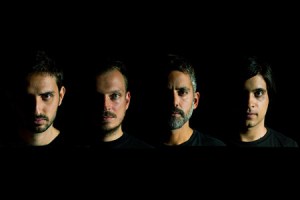
LThe members of Maveth also dot another noted death band Cryptborn, who have a couple EPs to their name, as well as a few other bands in which they sharpened their vicious teeth. Maveth is made up of guitarist Mikko Karvinen, bassist Jani Nupponen, drummer Ville Markkanen, and, of course, vocalist Christbutcher. No surname for the butcher, though it would be amazing if it was Johnson or Kirkpatrick or something. Together, they make an infernal, sooty sound hammered home by Christbutcher’s authoritative, hellish growls that make it sound like he recorded his parts somewhere in a cave buried in the hottest region of the Earth’s crust. Sound like a silly description? Go listen and see that I’m right.

The 10-track, 57-minute album takes some energy to get through, but that’s not a bad thing. It rips open with “The Devourer Within the Gulf,” a 7:33-long serving of blackened death metal that also can be quite spooky at times and also sounds like what they might play on the train ride to hell. “Dragon of the Continuum” is growly, punchy, and massive, and the drum work is particularly explosive and rocky. “Hymn to Azael” is riff heavy and meaty, with guitar lines that hang in the air like a poisonous fog and a pace that treads violently. “Beneath the Sovereignty of Al-Ghul” is spidery and melodic. The whole thing is covered with lung-coating dirt and takes some time to let infection set in. “Hymn to the Black Matron,” however, explodes on impact.

“Sating Erictho” pretty much follows the same path as the rest of the album, delivering strong guitar buzzing and throat-mangling vocals, while the title cut is tricky and grindy, totally damaged in spots, and blindingly storming in other areas. You don’t know whether to patch holes or run for cover. “To Seed the Succubi” goes back to being mind-baffling, as the composition takes some chances and dares to slip away from the carved path. The music is cloudy and machine-like, hell-bent on destruction, and totally content to leave you a heaving pile. The dual “Terminus” tracks close out the album as a nice one-two punch to the mouth, with fast riffs, gruff vocals, and one more face-first fall into an ash pit in hell, the place at the center of these two songs.

This is a nice debut long player by Maveth, one that offers zero mercy and plows ahead for total body count. I’d like to hear a little more of the experimentation next time around, as that’s when the album is the most interesting, but this is a worthy first shot in what’s sure to be a lengthy assault by this Finnish quartet.
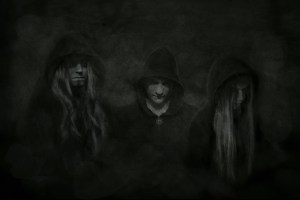
Desolate Shrine

Desolate Shrine are no less mean or hellbound than Maveth, but they tend to spread out their infamy and imagination over a larger canvas of horror on “The Sanctum of Human Darkness.” They keep things active and ever-changing, always remembering to bloody your face with their death metal tendencies, but also refusing to give in to formula or expectations. This is a record that will keep you up at night, not only because of the dark, negative subject matter, but also because of the horrific compositions this trio sprawls out on this record, their second overall.
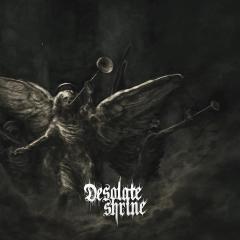
desolate shrine coverThe band itself is almost as interesting and their dark crafts. LL handles all instrumentation for the band, a gigantic task considering how many layers of chaos are stacked up onto this thing, and he also produces the shadowy artwork. RS (also of Lie in Ruins and Perdition Winds) and ML (Famulus ab Satanus, Lord of Pagathorn, Urn,  etc.) provide the strange, lurching vocal work, weaving their horrific stories so seamlessly. It’s near impossible to tell where one person’s tale ends and the other begins. Often, they seem intertwined.

“Corridor: Human Altar” is your first taste of the ugliness this band unfurls on this record, with grimy, damaged build-up, and a landslide of terror before it slips into quiet acoustic and calm. And it’s just the opening interlude. “Plane of Awake: Dreams Over Angel-Serpent Tower” is filthy, slithering and doomy, with lurching growls, an insane tornado and chaos, and eventually a rough and crushing underbelly that blows your face off. “Pillars of Salvation: The Drowned Prince” has dizzying guitars, charred melodies, and mashed thrashing, with growling like RS and ML are gargling on their own blood. “Lair of Wolf & 1,000 Lions: Nine Forgotten Names” is nine minutes of madness, evil intentions, swirling and hazy melodies, and channeled punishment.

“Old Man’s Visit” is the eerie introduction to the second half of the album, with a ghostly furnace of noise and suffocating static. “Chalice of Flesh and Bone: The Eminence of Chaos” begins with a red herring, as piano notes drop and a calm sweeps over. And then it’s ripped to shreds, as crunchy riffing and exploratory trails unfurl before you and pull you screaming into “Demon Heart: The Desolate One,” a 9:35-long slab of smoldering doom, dizzying intensity, and inhuman growls and shrieks that sound scraped from the throat of a torture victim. Closer “Funeral Chamber” has black metal-style guitars, a penetrating attack, and the absolute essence of hopelessness, as lonely, chilling bells stand as the final sounds you hear.

If I had to choose a favorite of these two bands, it would be Desolate Shrine. I love the darkness, the mystery, and the ambition, plus so much of this record is legitimately scary and psychologically challenging. This band has a great chance to be one of Dark Descent’s top bands, and with more albums as strong as “The Sanctum of Human Darkness,” they could soon be one of the standard bearers for all of death metal.

For more on Maveth, go here: http://maveth.com/

For more on Desolate Shrine, go here: https://www.facebook.com/desolateshrine

To buy the albums, go here:http://www.darkdescentrecords.com/store/

For more on the label, go here: http://www.darkdescentrecords.com/

Paradise Lost’s early history rightfully revisited with reissues from The End

Paradise Lost today

Paradise Lost today

This past year’s been a pretty good one for doom metal legends Paradise Lost. First, they put out a great new record “Tragic Idol” that’s one of their best recordings of the past decade, and then they toured the United States alongside equally celebrated Swedes Katatonia to form one of the best gloom one-two punches found on any stage anywhere.

But that wasn’t the end of things for Paradise Lost fans, not by a longshot. The End Records, who have been re-releasing much of the Music for Nations catalog, including the work Opeth did under that banner, now are putting Paradise Lost’s earlier works back on the market in fresh, reissued form. Their third through sixth albums are readily available once again, as well as a best-of collection that properly summarizes those efforts, and hearing these records again really gives the listener a memory or history lesson of where they originated and how they’ve changed.

When Paradise Lost started, they were much more aggressive and death metal-minded, which you can hear for yourself on their first two records – 1990’s debut “Lost Paradise” and the following year’s “Gothic” – if you’re not already familiar with their career path. But the albums this project focuses on really are the ones that pushed forward their more melodic, and at times, poppier transformation that alienated some fans and found stimulated pockets of admirers among other people. Over the last decade the band’s gotten heavier again, but never the way they were at the start. But despite that sort of return to form, there is much you’ll hear on these records that will remind you of the material on “Tragic Idol” and “Faith Divides Us—Death Unites Us.”

shades-of-god“Shades of God,” released in 1992, is Paradise Lost’s third album, and it is the one that signaled their stylistic shift away from death and more toward doom and goth sounds. The growls are still there from Nick Holmes, and he can sound downright savage at times on tracks such as “Mortals Watch the Day,” “Crying for Eternity,” and “No Forgiveness,” but he also leans more into his cleaner, sometimes James Hetfield-like croons on “Daylight Torn” and “Pity the Sadness,” a cut that sounds a lot like their modern material. Musically, the tone is dreary and muddy, with Greg Mackintosh’s lead playing both bleeding-heart emotional and pulverizingly dangerous. This is a great album, one that signaled the end of the band’s thorniness.

“Icon,” their 1993 follow-up effort, is the first to fully resemble the works the band hasicon been producing the last decade or so. The growls are gone, the guitars are melodic and melancholy and the songs are noticeably shorter than the driving epics of their first three records. It’s the dawning of their goth metal era. The album also is a little too long and overstuffed at 14 tracks and 50 minutes, almost as if they didn’t know when to say when. There’s some good stuff on here, from “Embers Fire” to “Remembrance” to the sludgy, punchy “Colossal Rains,” but clearly this was a feeling-out effort for these guys, one that would pave the way for, arguably, their masterpiece and one of the best pure doom metal records of all time. Speaking of which…

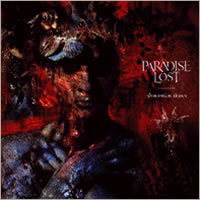
draconian-timesParadise Lost’s fifth record “Draconian Times” remains a powerful document to this day, so much so that they opened their recent U.S. run playing “Enchantment,” one of the best and most beloved songs in their entire catalog. If you caught them live, was the whole room shouting back, “All I need is a simple reminder,” like the one here in Pittsburgh? They hit on all cylinders here, perfecting their new goth/doom style, writing razor-sharp songs that had immediacy and purpose, and coming up with timeless gems such as “Forever Failure,” “Shadowkings,” “Elusive Cure,” that has some nice moments of deathrock-style gushing, and “Hands of Reason,” where Mackintosh got to slip in some sinister riffs. This also comes with a bonus disc of demo tracks, live cuts, and a fairly by-the-books cover of The Smiths’ hit “How Soon Is Now?” that originally was offered as a bonus cut on “One Second.” Just an excellent record. An all-time great.

Naturally, that leads us to 1997’s “One Second,” yet another dramatic departure for the band. This record is practicallyone-second devoid of any strains of metal, and the band goes head-on into the Depeche Mode/Sisters of Mercy terrain. Holmes’ vocals sound completely different, as he’s not howling and yowling but actually singing, and truth be told, he’s really good at working with this style. Mackintosh’s and Aaron Aedy’s guitars practically take a backseat to synthesizer and programmed beats, and the entire record sounds like the soundtrack to a rainy, dreary day. How you feel about this record is determined by how you digest this era of the band, I’m sure, and while it isn’t my favorite of their collection, there are some great songs on here, such as the poppy title cut, New Wave-inspired “Mercy,” pushier “Blood of Another,” and “Say Just Words,” a track that ended the set of their U.S. run. This record changed their game for a while, and it led right into polarizing selections “Host” (1999) and “Believe in Nothing” (2002) before they returned to an edgier sound.

“Reflection” is a best-of collection, as noted earlier, and it’s useful if you don’t know much about the band from this time period or if you’re a completist and need to have this title. It’s a summary of their finer moments from the Music for Nations run, as well as some remixes and a few live cuts. Not a bad thing to have, but some consumers may see this as unnecessary.

These documents are vital to metal and to the history of Paradise Lost, and having them back in circulation is only right. These are great pieces to add to your personal collection if you lack them and also could make one hell of a great gift for the metal fan in your life. Give the gift of sadness.

For more on the band, go here: http://www.paradiselost.co.uk/

To buy the album, go here: http://www.theomegaorder.com/MUSIC-FOR-NATIONS_2

Switchblade make tumultuous doom, while Lento take a sludgy trip to space

Switchblade

We’ve kind of been poking in the eyes the “dead period” of music releases that is now through the beginning of 2013 because, for the most part, there’s not a whole lot going on and most people’s best-of lists already have been submitted. We don’t do that until mid-December simply because we want everything to get a fighting chance, and that’s paid off of late as we’ve had an opportunity to visit with some worthy late-year contenders.

A package was waiting for me in my mailbox a few weeks ago with some new promo CDs, a rarity these days as almost everything is serviced digitally, and it’s kind of cool to open up a thick envelope with tangible, physical product. The two discs were from Denovali Records, a German-based independent label that releases some pretty interesting, eclectic music from the likes of Aun, Blackfilm, Hidden Orchestra,  and Thisquietarmy, with whom we visited a few weeks back. It’s not a metal label exactly, though much of their music travels the outer perimeter of the genre, but they do have bands that belong comfortably in the environment. Today, we’ll look at two of those groups.

Switchblade and Lento are two bands that aren’t exactly on the tip of the tongues of most metal fans, even the most ardent underground enthusiasts, but they should be. Both are immersed in doom, though each band has its own unique take on the music and explores completely different atmospheres, and they each provide a unique breath of fresh air into the metal world, that really needs new thinkers more now than ever before. If you’re a little uninspired here in late November, gives these bands a go and see if that helps.

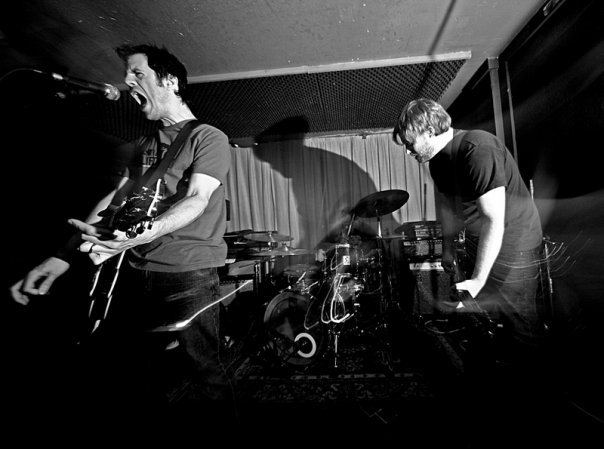
We’ll kick off with Swedish duo Switchblade, whose new self-titled album is not only their sixth overall, but their sixth with the same self-referential moniker. Has to be a little confusing if compiling the band’s catalog. “So, which Switchblade album are you looking for?” “Uh, the self-titled one…” Anyhow, no matter, they’re all pretty explosive and fun, and the new one continues the band’s path toward sludgy, doomy, abrasive expression that would sound great next to Sleep, High on Fire, or Neurosis.

A neat feature to the new record is the Switchblade dudes — guitarist Johan Folkesson and drummer Tim Bertilsson — are joined by former Opeth keys master Per Wiberg, who added a nice, amber-colored influence to the melodic death masters’ sound before bowing out of that band. He works nicely along the duo, dripping new, trippy colors into the group’s otherwise slow-driving, contemplative, organic doom that is presented in one sprawling, three-movement piece that demands your undivided attention. Also involved are The Cuckoo (Terra Tenebrosa) and David Johansson (Kongh, the Eternal Void) among others.

“Movement I” eases into the album, albeit heavily, while the song begins to simmer and the evil fires drive smoke into the air. There are some weird sections that either consist of voice samples or heavily effected vocals, but whatever they are, they’re damn creepy. “Movement II” is gloomy right from the start, with Wiberg letting his keys set an ambiance before the tracks grinds to pulverizing crawl. When it picks back up, growled vocals via Lord Seth (formerly Katatonia) are unleashed (the only drawback being they’re a little “Muppets”-esque) before winding down this middle portion with a trad doom approach. The final section is droning, purposely meandering, and awash in Black Sabbath fog. The song bruises and mangles, noise gurgles as if the composition is being strangled, and the band finishes you off with a violent, fist-pounding conclusion. Awesome stuff here.

Lento

Italian quintet Lento also likes their doom, but they head more toward atmospheric crunch and exploratory sludge. The band could find favor amongst those who pay homage to Pelican, Loincloth, or countrymates Ufomammut (with whom they recorded an album), as the instrumental band always finds ways to keep you guessing and tuned into their storytelling. The 13 cuts don’t stick around very long — the longest song is but 4:20, and the album is over in 40 minutes — proving that you don’t have to noodle on and on to make your point. In and out.

“Anxiety Despair Languish” is the third release from this band, with ominous cover art that looks like it could adorn a Deathspell Omega album, and the band — guitarists Donato Loia, Lorenzo Stecconi, and Giuseppe Caputo, bassist Emanuele Massa, drummer/effects artist Federico Colella — are channeled, sharp, and fully prepared to grab your dreams and keep them as they take you on devastating highs and easy, weird lows throughout the trip.

“Glorification of the Chosen One” kicks off the album with a spacious doom tip that’s also equally crushing and uplifting. That leads into “Death Must Be the Place,” a noisy, powerful cut that goes back and forth between gentle and crunchy; “Questions and Answers,” a pounding, pulverizing cut that’s generous on quality riffs; and “Blackness,” the first interlude on the record, a clean sort of jazzy transmission that gives you a breather. I just mentioned riffs. That’s something of which Lento bring plenty to the table. It’s their calling card, and each song on here has a nice guitar thread cutting through it to keep it stuck inside your head.

The title cut takes on an Iron Maiden-style power gallop, while “The Roof” visits Pelican wonders and Rush-style machination. “A Necessary Leap” is a sludgy punch to the side of your head; “Blind Idiot God” kicks things into even higher gear, with a thrashy, speedy assault that features some of the gnarliest playing on here; “Inward Disclosure” seeks answers in outer space and hidden-away science labs; while closer “My Utmost for His Highest” feels rejoiceful and cathartic, as the song chugs and surges toward its vibrant climax.

Both of these releases give you plenty to chew on, and most doom fans can meet in the middle and decide if they want to go more abrasive (Switchblade) or more cosmic and atmospheric (Lento). These bands prove that there is a lot of really great music lurking beneath the surface that might take some exploration to find, but it’s worth the effort. They also lay waste to the idea that music that pops up in stores in December isn’t up to snuff. These are late-year gems that’ll shine brightly well into next year.

For more on Switchblade, go here: http://www.facebook.com/pages/Switchblade/276548808290?fref=ts

For more on Lento, go here: http://www.facebook.com/lento.icon?fref=ts

To buy the albums, go here: http://denovali.com/shop/index.php

For more on the label, go here: http://www.denovali.com/

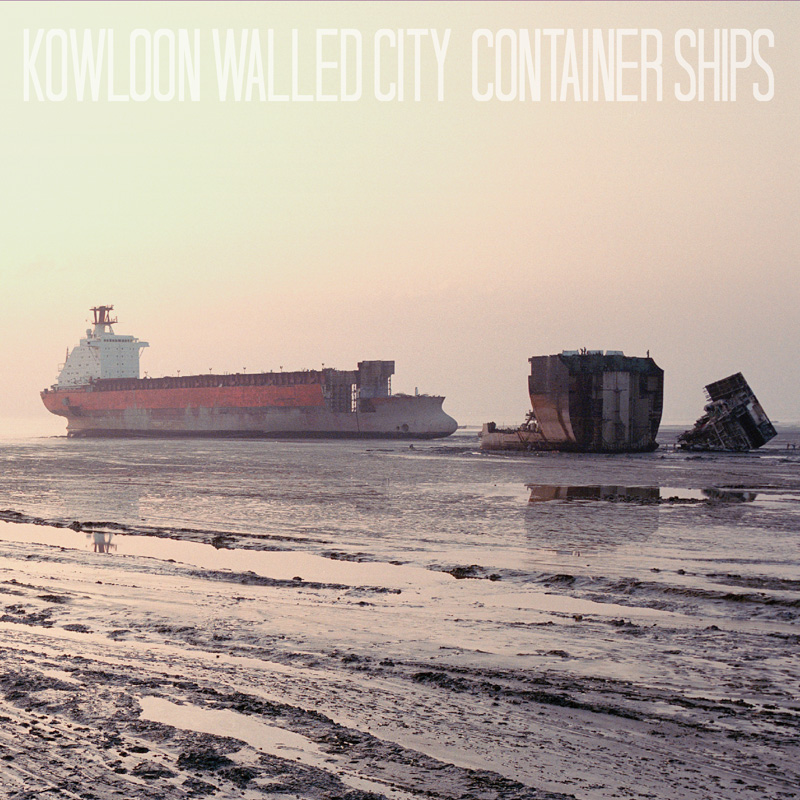
Kowloon Walled City storm back with quaking new record ‘Container Ships’


A few years ago I got a package from the Perpetual Motion Machine label containing a bunch of LPs and a promo CD packed away almost secretly between everything. That album ended up being the one that moved me most out of everything in that mailing, and the music still stays with me in constant rotation to this day.

The album was “Gambling on the Richter Scale” by San Francisco-based sludge wailers Kowloon Walled City, and its impact has followed me for three years, as many of the songs from that effort still dot my outdoor walk/run playlist, most notably the crushing song “Diabetic Feet.” They also have a track on that album called “Annandale,” that immediately made me think of my love for Steely Dan, just because of that band’s reference points. Clearly there was no other similarity between the two bands.

Ever since their 2009 debut dropped, the band’s been relatively quiet, with the exception of split releases with Fight Amp in 2010 and Thou this year, but as far as a new platter of Kowloon material, there didn’t seem to be much movement. Yet several weeks back, an e-mail from Brutal Panda indicated a new full-length was on its way before the close of 2012, and if you’re as excited about this news as I was, you can get your mitts on it next week. The promo followed not long afterward, and ever since, I’ve been immersed in “Container Ships” and remembering what it was about this band that led me to believe they were a glimmering hope in a metal world that had become inundated with pretenders and imitators. That hope remains bright as ever.

“Container Ships” might take a little while to warm up to, as it’s a subtle record, Yes, it has it tumultuous, shake-you-to-your-core moments, as we’ve come to expect from Kowloon Walled City, but they also take their time, sets moods, and breathe in ambiance. The reason you may need time is that there’s so much to explore that one listen is not bound to be incredibly revelatory. Returns visits, however, help peel back the many layers. The band — guitarist/vocalist Scott Evans, guitarist Jon Howell, bassist Ian Miller, drummer Jeff Fagundes — have carved out a recognizable sound for themselves, which isn’t easy in today’s world, and they remain an undiscovered treasure by so many metal consumers. Maybe this will change that.

If you’re unfamiliar with the band to this point, reference points are easy and difficult. Yes, you can hear some pieces of Neurosis, the Melvins, KEN mode, Unsane, and even aforementioned Fight Amp, but their sound is not an amalgamation of those parts. Those bands are just there as influences or starting points, but Kowloon Walled City’s sound is their own, and they are not a slave to any one path. That’s another thing I find so refreshing about this band.

“The Pressure Keeps Me Alive” greets you with tricky guitars, an even-keeled pace, and trademark throaty howling from Evans, whose voice never rages out of control yet always maintains a unique identity. “50s Dad” kicks up some grit and, it would seem, some sarcasm. While Evans is howling things like, “Try to dress like a man,” with tongue seemingly in cheek, the rest of the band lathers you with punches and kicks. A fitting arrangement indeed. “Beef Cattle” drubs and pummels from the start, as the vocals get a little angrier, and the rest of the guys keep things simple but quaking. This is an example of the band not trying to do too much and being more effective for it.

The title cut is a center point of sorts, where the album treads water slowly and deliberately, lulling you into the madness and setting the stage for the more volcanic second half of the album. That leads toward “Cornerstone,” that contains some interesting guitar work from Evans and Pace, a nice bit of spaciousness at times, and some damaged, off-course mangling when the song draws to its conclusion. “Wrong Side of History” is aggravated and thorny, as the fellows take a deep dive into the mud and come up with one of the ugliest cuts on here. “We’re already there,” Evans shouts, in reflection of the thoughts sparked by the song title, and the close is an act of complete demolition. “You Don’t Have Cancer” splits its time between mid-tempo floating and fiery artillery rounds, as the band unleashes a galloping assault toward the end of the cut, making like the soundtrack to buildings collapsing one by one. It’s a total, unforgiving assault.

Hopefully “Container Ships” leads to Kowloon Walled City being better known and respected in the underground metal community, because they deserve it. They don’t reinvent the wheel or anything, but what they do they do extremely well, and they seem to just be getting better as time goes on. This should be an awesome album to get you out of the doldrums after a shitty day when all you want to do as scream at someone, but you don’t have the words. These guys have you covered.

For more on the band, go here: http://inthewalledcity.com/

To buy the album, go here: http://brutalpandarecords.com/shop/kowloon-walled-city-container-ships-12-vinyl/

For more on the label, go here: http://brutalpandarecords.com/

Dark metal dreamers Porta Nigra create new extreme art on debut ‘Fin de Siecle’


Weirdness is a trait that’s not found often enough in the metal world. Too often, things are taken way too seriously, and even a hint of fun or frivolity is seen as a sign of weakness or that one’s art might not be genuine. At least I think that’s how some people perceive it. But being a little off the wall can be a good thing.

I grew up a huge fan of Helloween, whose energetic, sometimes goofy power metal made for some really fun listening and really strange images in my head. Faith No More always were doing things that were anything but normal, and wouldn’t you know it, the stranger they got, the less the population at large were willing to accept their quarks. Even a band like Overkill, who are pretty straight-up thrash metal, did some crazy shit, have a helium-voiced singer, and have a skull with bat wings as a logo. Weird, but always memorable.

Germany’s Porta Nigra seem to have no issues with their bizarre nature, and their debut record “Fin de Siecle” (which sort of means to create new forms of extreme art) is one that’ll cause more than a few raised eyebrows. Their bio material is imaginative, to say the least, as they envision being artists at the turn of the 20th century in the oft-occupied Prussian province of Coblence (or Koblenz), staring at an age of world wars, dictatorships, mass poisonings, and a decaying art scene and deciding to turn their powers to the darkness to combat such dissolution. Or something like that. I’m paraphrasing and hopefully understanding their visions, and if I am, one could say their themes match today’s societies. I mean, here in America, pop culture art is deceased and rotting.

Right after reading their bio and taking an initial, cursory listen to their album, I immediately thought of UK avant-garde metal dreamers A Forest of Stars and their cavalcade of madness. The sound is similar, as is the drama, and underneath both bands’ stories are deeper messages that transcend the ages. Calling Porta Nigra a black metal band would not be entirely accurate, though those strains are here, but there is so much more going on — power metal, gothic rock, death, folk — that the dark metal title is more applicable.

Porta Nigra is made up of only two members, which is astonishing considered how full-bodied and realized the music is. Then again, the modern era doesn’t require a lot of hands to make big sounds. Gilles de Rais (yes, named after the infamous child killer and French knight who was a companion to Joan of Arc) handles all guitar and bass, and he penned the lyrics to the record between 2010 and 2011. O handles drums and vocals, and his passionate, frenzied cries and catchy clean singing add a ton of personality to the music. I know the term “castle metal” is already out there, but I’d throw this in with that distinction as well. I realize we’re not focused on themes or sounds of the Middle Ages or anything, but something about the drama and violence here makes me think of kings, queens, guillotines, swords, armories, you name it. Maybe that’s just me.

Anyhow, “Dekadente Nachte” opens the record on an eerie note, with some warbling choral parts via O (I assume), female moaning (a recurring item) and a swirl of sound before it breaks open with wild shrieks and proggy guitars. “Megalomaniac” is a should-be hit. If there remained a viable medium for showing music videos on TV, this could make the rotation on an extreme metal show and have all kinds of idiots like me singing along. Savage verses, awesomely sung choruses, and a whole lot of interesting things going on. “Der Spiegel” follows on a down note, however, delving way too far into nu-metal-style groove and other unseemly ’90-poking musical elements. Luckily, it’s merely an aberration.

“Absinthfee” is a weird, murky instrumental interlude that trickles into “Aas der Meere,” a nine-minute trip toward doomsday, with spoken verses and howled choruses, a frenzied environment, and horns that seem to indicate the world may be ending soon. This also is the finest example of a song that makes you envision running through a castle while your walls are being assaulted. The title cut is more atmospheric and gothic in nature, one of the more melodic songs of the bunch (and there’s a ton of melody going on to begin with), but there also are thrashy and shoegazey moments as well. Closer “Tod Meiner Lust” runs 10 minutes, contains whirring keyboards and female choral parts, German dialog, weirdly effected vocals, and other dramatic thunder that brings the record to a dynamic finish.

Porta Nigra certainly make some bizarre, unconventional music, but they do so with a sense of fun and adventure even amid closing darkness. They make memorable compositions, embrace hooks, and combine carnage with melody, so there’s a little bit for each extreme listener. “Fin de Siecle” is a fine, moving album that’ll stick with you not only because it’s so bizarre but also because it’s a damn good listen.

For more on the band, go here: https://www.facebook.com/PortaNigraBand

To buy the album, go here: http://www.eitrin.com/

For more on the label, go here: http://www.debemur-morti.com/default.php

Palace of Worms, Mastery create hellish blackness, total agony with split release


Late November and early December are total dead periods for new music. Everything is out there already, pretty much so that it can be snapped up for holidays gifts for those of us archaic fools who still exchange music over the holidays, and label folks get ready for the following year’s onslaught.

But that doesn’t mean the remainder of 2012 is totally devoid of meaning as far as new music goes, and we were caught off guard last week by a Twitter post from Flenser Records that contained a mysterious piece of art that looked like an album cover. The words that I could make out were Palace of Worms, the mysterious, Bay Area black metal project of one Balan, so immediately I reached out to see what was up since the Tweet seemed kind of urgent. It was. For good reason.

While balancing vinyl releases for the most recent albums from Bosse-de-Nage and Worm Ouroboros (both totally worth your time and money), turns out Flenser was planning a super big-surprise release of a split between Palace of Worms and Mastery, yet another one-man Bay Area band, this one featuring Ephemeral Domignostika, who also is active in Pale Chalice (their 2011 EP “Afflicting the Dichotomy of Trepid Creation” is highly underrated) and Pandiscordian Necrogenesis. I’m a big fan of all the bands listed, so this was a must-hear release for me, a great late-year surprise, and one that’ll make you hellishly happy if you, too, revel in the bleakest, harshest of black metal.

As far as splits go, this one of weirdly proportioned. Palace of Worms have four entries on this collection, while Mastery only offer up one eight-minute track, labeled a refined improvisation. It’s more like a slice for Mastery, but that’s certainly not a complaint. The Palace stuff is interesting and, for Balan, kind of basic considering the ambition he generally brings to the plate. But it works and it burrows into your soul, reaching back into the early years of the second wave of black metal and bringing it up to speed for 2012. It’s savage, lean, mean, and deadly.

“Disconsolate Flight (Death Carries Me)” is the first song we hear from Palace of Worms, taking on a more traditional path, a more straight-forward approach than some of Balan’s earlier work. That’s not a negative, really, as no matter what he’s tried under the Palace moniker, it’s worked. So it’s cool to hear this stripped-back version of Palace of Worms that goes right for the veins. “Alien Body, Alien Mind” is creaky, spacious, and even psychedelic in spots, though it blows up at the end and gets nasty. “Acheronian Pall” opens immersed in doom, and it maintains a slower pace, a slurry, sinister tone, and a deliberate agenda. Yet near the end, the song explodes, and Balan launches into an Iron Maiden-style gallop that kicks up dust and pulls you thrashing and screaming through the streets. Closer “Temple of Failure” runs a bit over seven minutes, and it’s draped in misery and blackness. It feels like an eerie, cold sweat-inducing nightmare sequence, a feverish hallucination, and its spaciness mixes right into its classic metal riffing and spoken sections that sound emanated from the basement of hell. It’s unsettling.

Mastery’s cut “Egregorian Synapse” is quite different. It ignites right into a relentless barrage that sounds like it’s going to speed off the rails almost immediately. I mean that in a good way, because one thing so many black metal artists lack is that ability to make you think they’re not in control of their emotions and could do or say anything at any time. The tempo and melody are completely dizzying and nausea-causing, and before you know it, your head is spinning. The creaky growls remind me a bit of WOLD, and the chaos rising from this one feels like a million points of penetrating lights dashing around the room, hellbent on driving you into a seizure. The sickening, blackened frenzy twists on and on until the punishment fades into the background and into space. It’s but one song, but it makes an impression quickly and makes insanity sound as appealing as possible.

This may be the last essential release of 2012, and if so, it’s a hell of a way to go out. Both of these projects are scary as fuck and leave you wanting to invest in night lights, and that’s what makes them so invigorating. This is black metal with a cancerous heart and soot black soul, and while the music might make you feel alive inside at times, it’s also a stark reminder of the dead world around us. I’d sit in a dark room, illuminated only by candle, and collect your inner turmoil with this music. No matter how foul you feel, you can’t come within an inch of Palace of Worms and Mastery’s disillusionment and rage.

For more on Palace of Worms, go here: http://www.myspace.com/414927223

For more on Mastery, go here: http://www.metal-archives.com/bands/Mastery/64687

To buy the album, go here: http://theflenser.com/

For more on the label, go here: http://store.theflenser.com/

Incantation return with doom-infested, swirling album ‘Vanquish in Vengeance’


If someone asked you to cite some of the seminal death metal bands of all time, only a certain amount of names could come from your lips. Death, Autopsy, Cannibal Corpse, Obituary, Morbid Angel. My guess is those would be some of the first ones to come up, though someone really daring may toss out Suffocation or Pestilence and really not get many arguments from anyone.

Another band you could name drop and likely get a high five in return is Incantation, the Johnstown, Pa.-based death metal veterans who have been keeping things brutal and deadly for the bulk of the past two decades. Their astonishing, mind-numbing debut “Onward to Golgotha” is actually, arguably, the high-water mark for the band, though they had some pretty stellar records after that, especially the two follow-up entries “Mortal Throne of Nazarene” and “Upon the Throne of Apocalypse.” Through the years they’ve endured numerous lineup changes, one of the most noteworthy being the departure of frontman Craig Pillard (Disma), but they’ve kept motoring ahead.

Though Incantation have remained active as a band, we haven’t gotten a studio album from the guys since 2006’s “Primordial Domination,” released by Listenable Records to a fairly positive response. They put out an EP in 2008, but it wasn’t until new songs starting popping up that there was an indication that a new full-length was on its way. We have that now with “Vanquish in Vengeance,” their third overall offering for Listenable (and eighth full-length) and a record that shows the band increasing their mission to do their evil deeds with the highest level of musicianship possible. It’s a great sounding record from these veterans and one of their most satisfying albums in some time.

Founding member John McEntee, who handles vocals along with guitars, and drummer Kyle Severn are the holdovers from the last album, and they are joined by bassist Chuck Sherwood and guitarist Alex Bouks on “Vengeance.” As noted, this band and McEntee are no strangers to the revolving band member door, so there really are no bumps in the road, no awkwardness musically, as everything flows and burns with great precision. Incantation sound as strong as they have since their heyday.

“Invoked Infinity” is your opener, and it’s a grindy, whirling piece full of dazzling guitar work and deep, tortured growls. “Ascend Into the Eternal” is the first of many turns toward the doomy side of things, with gritty growls and ugly, uncompromising hate. “Progeny of Tyranny” is just mean and relentless, with a blast of an opening and pure fire afterward. One of the heaviest songs on this whole record. “Transcend Into Absolute Dissolution” is grimy and violent much in the way of the last Celtic Frost album. Its infernal intent is overwhelming and almost suffocates you as you try to stare into the heart of their furnace. “Haruspex” also is punishing and hellish, and it should be disruptive to your health in a live setting.

The title cut begins with more guitar wizardry and baffling riffs and lines, but it’s the one cut on here that loses some steam as it progresses. Incantation recover on “Profound Loathing,” a track that could not be more perfectly titled as it gushes and trudges over you with a Black Sabbath-style doom swagger. It also rages for more than eight minutes and is drenched in noise and piercing sound. “The Hellion Genesis” goes back to slow-driven madness, and that’s countered by “From Hollow Sands,” that picks up the pace with blistering drum work and massive guitar. Epic closer “Legion of Dis,” an 11-minute melter, is purely funeral-ready, soaked in a doom-death bath, that crunches and crushes, leaving you in a boiling pot of abrasive feedback and terror as the record draws to its close.

Incantation’s catalog basically is a death metal history lesson, and despite the shuffling and regrouping the band and McEntee have had to do through the years, this institution is healthy and humming. “Vanquish in Vengeance” not only is a strong late-career statement, it’s also a blueprint for the tidal wave of weak, overly polished newcomers to learn from and understand how it’s done.

For more on the band, go here: http://www.incantation.com/

To buy the album, go here: http://shop.listenable.net/

For more on the label, go here: http://www.listenable.net/

Belgian maulers Amenra strike crushing, devastating blows on emotional ‘Mass V’


Bulldozers and wrecking balls are very metal pieces of machinery both literally and figuratively. Yes, these great hulks of construction/deconstruction are, in fact, primarily made of metal, but they also are great reference points when stumbling across a band that’s hellbent on obliteration. You hear the music and you imagine these things knocking down great structures via repeated pummeling and then hauling the refuse into huge trucks to be dumped into a pile. Very metal, indeed.

Every time I hear Belgian sludge doom warriors Amenra, I think of these things. Their music is pure demolition, a great force of nature that seemingly can topple skyscrapers and cities if given enough time. Their music is heavy and unforgiving no matter the volume, but played loudly, the effects are even greater and more tangible. This is a mighty, mighty band, and it makes all the sense in the world that they have landed at Neurot Recordings, home of and founded by members of Neurosis.

Amenra’s roots can be traced back about a decade, and in that time, they’ve put out a nice amount of material for their followers. They now have four full-length albums, a bunch of EPs and splits, a compilation, and a live album, so they certainly haven’t been terribly quiet. That said, their excellent new “Mass V” is their first long player since 2008’s “Mass IIII,” released by Hypertension, and it comes at a perfect time, when days are getting colder and darker, and crazy people think the world is going to end in a month.

The bulk of Amenra remain intact from the last record, with guitarists Lennart Bossu and Mathieu Vandekerckhove, drummer Bjorn J. Lebon, vocalist Colin H. Van Eeckhout, and new bassist Levy Seynaeve rounding out the lineup. Actually, let me take a moment to address Van Eeckhout’s vocals, and I know this isn’t some new observation or anything. That dude can shriek. He sounds like he’s in legitimate trauma on this record, be that emotional, physical, or a combination of the two. For all the bands out there who have singers that really aren’t all the integral to the greater good, that isn’t the case with Van Eeckhout. His presence is vital and weighty.

“Mass V” consists of just four tracks, but they clock in at more than 40 minutes combined. So yes, you’re in for epics, but they’re damn good compositions that demand your attention, so you’ll be compelled to devote time. Also, while they spend a decent amount of time bludgeoning, Amenra know to shade their corners and add texture and melody to the mix so it just isn’t a marathon drubbing. It’s a damn listenable album that’ll leave you exhausted and heaving when it’s over.

“Boden” kicks off the record inauspiciously, as you can barely hear anything for the first minute or so as they build an atmosphere. Then the whole thing blows up, with muddy, calculated blows tossed, and Van Eeckhout’s maniacal howls piercing the surface. The song ebbs and flows, of course, and at one calmer point, lines such as, “I am reason, I am fear,” are spoken as the surroundings start to bubble again. Then it whips back into a frenzy and steamrolls toward the finish. “Dearborn and Buried” reminds the most of Neurosis, achieving a slowly delivered shock to the system, with the vocals again disrupting any sense of permanent calm. This is a really great song, one of the best they’ve done in a while.

The 13-minute “A Mon Ame” kicks off the second half of the album with the same mechanical, plodding pace as the record opener. It’s all designed to set the stage, get you emotionally invested and interested so that when they hit the gas, you’re ready but still heavily affected. Much of the song hangs in the air and drizzles around you, with the showers getting heavier and bulkier as the track progresses. The wild shrieks are there, as is the menacing intent, and the finish goes all out, with panicked wails and fiery damage that inflict quite the sentence of judgment. Closer “Nowena I 9.10” has a curveball opening, with the band damn near in Americana folk mode and sounding like a demonic version of My Morning Jacket. But alas, it’s a red herring, as the piece explodes, guitars swirl and enrapture, the vocals penetrate, and a tidal wave of cathartic doom whisks you away.

Amenra’s always had destruction at heart, even if their lyrical content doesn’t always suggest they want to see things burn. That’s fine, because sometimes that deconstruction is of the psychological variety and doesn’t require the aforementioned bulldozers and wrecking balls. But Amenra make you feel like they see their instruments and philosophies in the same way as those machines, and they’re willing to blast whatever’s in front of them in order to get to the other side to continue their journey. They haven’t let us down yet, and there’s no need to worry they’ll do that any time soon.

For more on the band, go here: http://amenra-official.tumblr.com/

To buy the album, go here: http://www.bluecollardistro.com/neurotrecordings/categories.php?cPath=1030_1031_1298

For more on the label go here: http://www.neurotrecordings.com/

Spiritually aligned Mamiffer, Pyramids made cosmic, stimulating noise on split


I look forward and equally don’t look forward to this week. It’s Thanksgiving week in the States, and while that’s fun for copious amounts of food, hours of football, and days of relaxation, there’s also that issue of hectic travel, listening to arguments, and getting annoyed. The good with the bad.

So some serenity and tranquility are most welcome, and come Friday, only alcohol will make me feel better. Or so I’m guessing. I also realize how ridiculous and misguided these complaints are, because there are far more serious and aggravating things going on elsewhere. Like, people are still under water in some places. Nonetheless, it’s not like some of you aren’t going to be annoyed too.

Lots of times I’ll retreat to hateful black metal or bludgeoning doom to absorb all the negativity, but that’s not always the best place to go. Being able to close your eyes and sit back also has plenty of merit, and some would argue that’s the healthier option. That being the case, I’m getting ready to have the new Mamiffer/Pyramids split release fired up so that I’m not boiling over. After all, it’s a holiday that only comes once a year, it’s a chance to reflect and think about the things you cherish, and someone like me could do well to be a little less negative.

So we have this new three-track, 35-minute, limited-edition effort from Hydra Head who, in case you haven’t heard, won’t be releasing new music anymore after the year. There’s something to be sad about. But we have a couple more releases from the label, and this is one of them, a collection that matches two like-minded outfits that make some of the more mentally stimulating music out there. As you probably know, Mamiffer is made up primarily of Aaron Turner (ISIS, Old Man Gloom, Split Cranium) and Faith Coloccia (Everlovely Lightningheart), and they have a few releases to their credit, most recently “Mare Decendrii.” Pyramids hail from Denton, Texas, and they have a self-titled album from 2008, as well as an excellent split effort with Canadian dream droners Nadja.Also, member R. Loren runs the killer Handmade Birds label.

So while Mamiffer and Pyramids don’t sound the same and do have different approaches, they share the same mind space and sound right together on a shared effort. The three songs on this release are varied atmospherically and philosophically, but if you start with, say, Pyramids’ side of the exchange, once Mamiffer hits, you’ll still be able to relax and reach out. You’ll just notice your thought patterns change. It’s a pretty neat experience.

Mamiffer have two songs on the effort, both of which are pretty calm, often beautifully dreamy, and spiritually ascending. “Sophia” sets a woodsy trance, an atmospheric hush, and some drizzling piano that sets a scene like a misty wooded area. There’s some noise, yes, and it has ghostly feelings, but it set me at ease every time I heard it. “Ticha Noc” opens with chanting, wooshes, and cosmic serenity, before Turner and Coloccia’s chants can be heard behind all the ambiance. The songs are some of Mamiffer’s most gentle and easy flowing, but they’re also great at arresting your heart and capturing your mind.

Pyramids’ track “This Is One for Everyone” begins with whirring that’s met by programmed beats, and eventually static fills the air and washed-out vocals spill into the picture. The noise is picked up by a wind and begins circling in the air, and once it settles, random sounds can be heard chipping away. Clean vocals drip in, the vortex of dust picks up again in tornadic intensity, and the song burns out in a haze of static. It’s a song that certainly works wonderfully with the rest of Pyramids’ catalog but also adds some new colors to their presentation. Pretty great piece.

So when assholes like me are having a meltdown over the holidays because they’ve endured one too many stupid comments made about an election that’s been over for three weeks, slip one of those angry souls a copy of this Mamiffer/Pyramids split. See if the person’s mood doesn’t change appreciably. I know I’ll be going back, probably somewhere around 2 p.m. Thursday.

For more on Mamiffer, go here: http://www.facebook.com/pages/Mamiffer/110768695615501

For more on Pyramids, go here: http://www.facebook.com/pages/Pyramids/199484580063400

To buy the album, go here: http://www.bluecollardistro.com/hydrahead/product_info.php?products_id=7607&cPath=4_137&store=

For more on the label, go here: http://www.hydrahead.com/

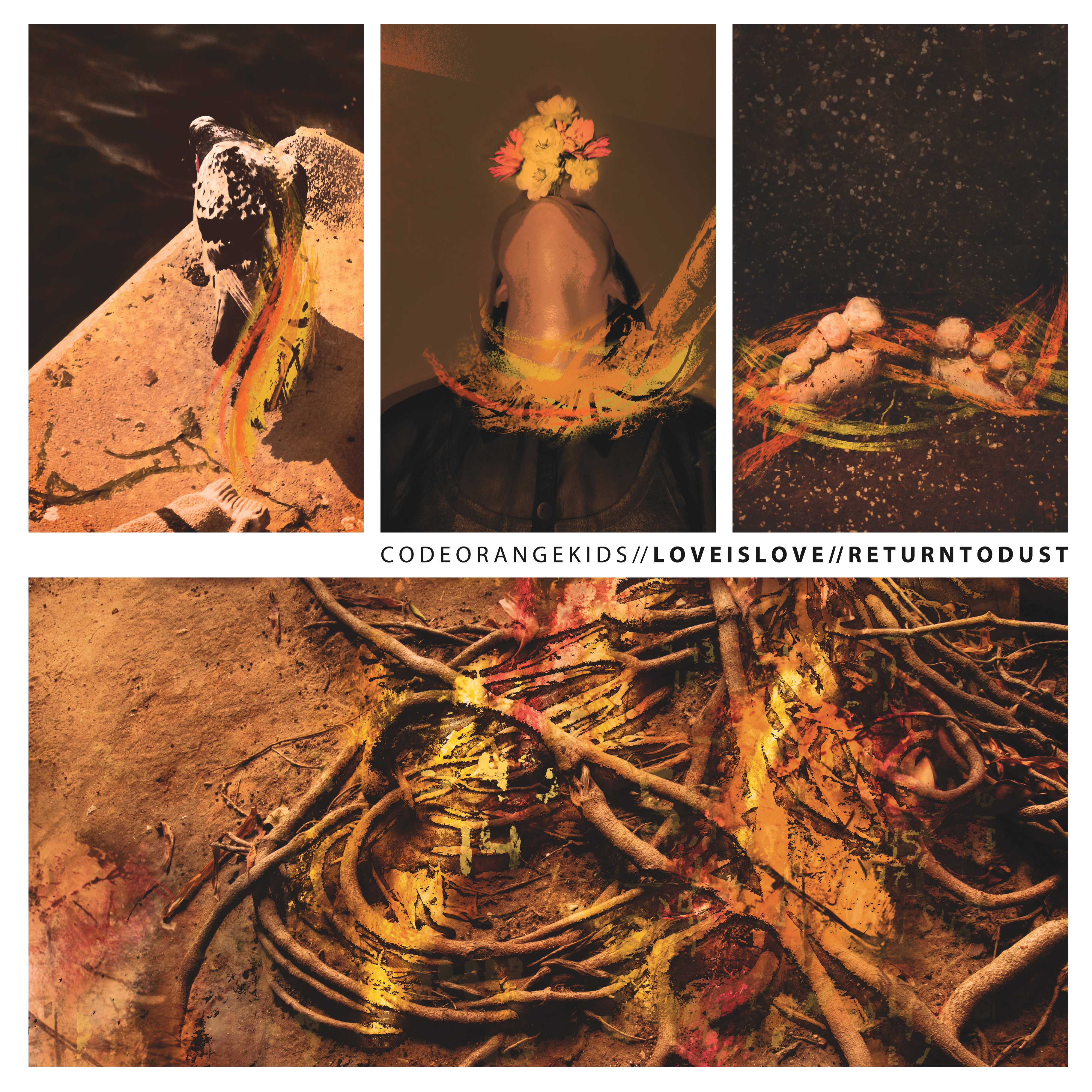
Pittsburgh’s Code Orange Kids smolder, smash on ‘Love Is Love//Return to Dust’


I don’t know if there’s such thing as destiny or chance, but I don’t dismiss it. Sometimes things happen because forces align and a path is forged before you, giving you an opportunity you may never have had before or never will again. What you do with it is what matters.

That type of thing can be used to describe how Pittsburgh hardcore band Code Orange Kids ended up on Deathwish Inc. for their debut record “Love Is Love//Return to Dust,” an album that’s already getting a lot of attention and even was featured on NPR. They happened to share a spot on a bill with Converge at a weekend hardcore/metal event in Braddock, Pa., just outside of Pittsburgh in May of 2011, and their presence and performance moved Jacob Bannon. Later, when the band’s demo arrived at his Deathwish Inc. office, he instantly remembered the group, liked what he heard, and signed them to the label. Who knows what would have happened had the band played the other day of the festival?

Chances are the Code Orange Kids still would be raising unholy hell in the city. The group’s members — guitarist/vocalist Eric Balderose, guitarist/vocalist Reba Meyers, bassist Joe Goldman, and drummer/vocalist Jami Morgan — all recently finished high school, so the Kids part of their moniker is kind of literal. But don’t mistake that as meaning their brand of abrasive, doom-infested hardcore is anything but fully realized and ready to blow your face off. The accolades that already have greeted this band have been levied for good reason, and their debut is one of the most impressive releases Deathwish has put out this year. And they’ve had a damn good year.

Code Orange Kids holed up in Godcity Studios with the master Kurt Ballou at the production helm, and as usual, he finds and enhances the finest qualities of this band. They have a thunderous, volcanic approach to their sound, but Code Orange Kids also appreciate texture, emotion, and vulnerability. Yes, they certainly have those Converge traits, but I also hear some Cave In, some Gaza, and even some Thursday. And this band has grown significantly ever since they formed as a punk outfit in 2008. They have numerous mini-releases to their credit, and as time has gone on, they’ve matured and evolved. Ballou does an amazing job making them sound great on this album, but Code Orange Kids should be credited with their killer chops and disruptive nature that has them positioned as one of hardcore’s bright hopes for tomorrow.

“Flowermouth (The Leech)” rips the album open immediately, with a mathy, gritty hardcore assault full of vitriol and passion. The vocals are harsh and alive, a melody cuts through the center and knocks you on your ass, and it dissolves into murk that leads right into “Around My Neck//On My Head,” which is a total demolition act that’s over before you know what hit you. “Sleep (I’ve Been Slipping)” is sludgy and scream filled, and when it grinds to a slower, more calculated pace, it begins to hint at a shift in tone. That pays off even more on “Liars/Trudge,” a song that opens with a windmill assault before it slows into an atmospheric pocket. There, Meyers’ clean vocals slip behind the madness and coat the song with a soothing, surreal lather.

“Colors (Into Nothing)” has a post-hardcore feel to it, with moody strumming, clean vocals, and eventually some aggravated noise. “Nothing (The Rat)” kicks things back toward the tumultuous, with a thick, menacing bassline, a thrashy center, and harsh, throaty screams. “Roads Are Certain/Sky Is Empty” goes back toward classic hardcore, with a tradeoff between rough growls and piercing shrieks, and the bleeds into “Choices (Love Is Love),” that’s muddy and storming. “Calm/Breathe” then goes back to curveball territory, with calm, nearly tropical breezing, and gazey shoegaze cool. This is a path on which I’d like to see them travel more in the future, just to see where they go with it. Closer “Bloom (Return to Dust)” drops the doom hammer again, as blood-curdling screams burst through, ultra-heavy mashing is employed, and noise and feedback are smothered over everything, leaving you in a mess.

As a fellow Pittsburgher, I’m psyched to see this band doing so well and coming up with a record this crushing. It’s also cool that Deathwish still has their ears to the ground, listening for what’s vital and fresh in extreme music. This is an excellent pairing, and Code Orange Kids and Deathwish should have a long, fruitful relationship together.

For more on the band, go here: https://www.facebook.com/codeorangekids

To buy the album, go here: https://deathwishinc.com/estore/

For more on the label, go here: https://deathwishinc.com/