A Storm of Light focus their fury on ‘Valley’

I’m not sure how many Josh Graham-related albums I have in my vast collection, but it’s safe to say I have a whole lot of them.

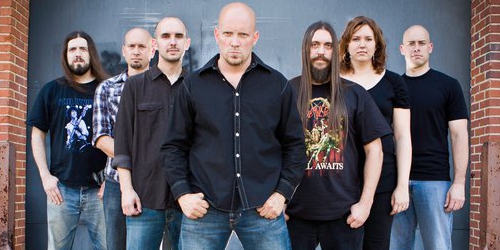
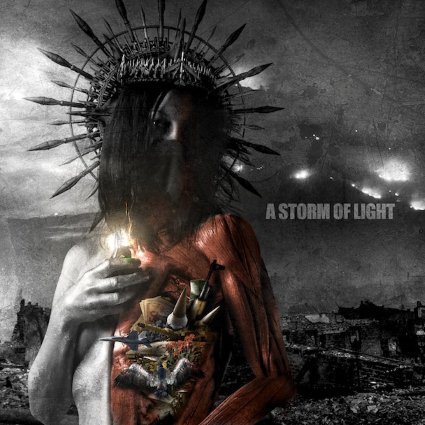
From Neurosis (he’s the band’s visual director) to old Red Sparowes albums to the lone Battle of Mice full-length and their EP split with Jesu, Graham has claimed a good bit of my money over the years (not to mention albums I got as promos that didn’t cost me a thing). But apart from all those, my favorite pieces of my Graham collection come from his post-doom, apocalyptic project A Storm of Light, a band that originally recorded for Neurot Recordings (we discussed them yesterday in our Across Tundras review) before moving to Profound Lore for their third and latest album “As the Valley of Death Becomes Us, Our Silver Memories Fade.” They kind of have a thing for album titles that take as long as to say as some punk band’s albums take to hear.

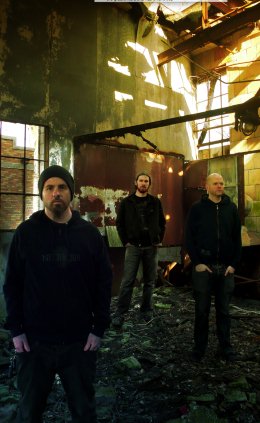
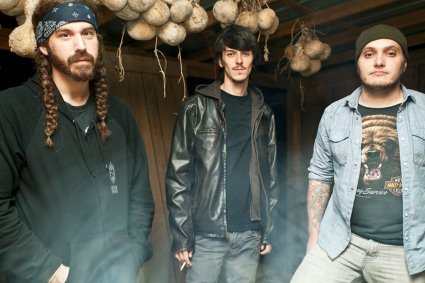
Anyone who discovered the band – they’re rounded out by bassist Domenic Seita, drummer Billy Graves, and Joel Hamilton on synth/production — with any of their first two records is going to be in for a bit of a surprise on “As the Valley…” It’s different, both sonically and philosophically. A Storm of Light always played pretty faithfully to that Neurosis/ISIS formula of long, drawn-out compositions that required your attention, patience and concentration, mixing in elements of post-rock, post-metal, shoegaze, doom, what have you. That’s still kind of there, at least the sound is there, but the songs are structured far differently this time around. Instead of expansive soundscapes that slowly unfurl, they concentrate more on traditional songwriting this time around. The tracks are shorter (though they still last longer than most other bands’ material), they try new things, and they sound way more accessible than ever before. Not sure everyone’s going to like that idea, as people tend to want bands to remain the same and never sway from what earned them affection in the first place, but by no means have they compromised themselves. A Storm of Light still sound like A Storm of Light, but they’re leaner now.
But yeah, the songs remain massive in volume and strength, and maybe someone who felt a little lost listening to 2008’s “And We Wept the Black Ocean Within” or 2009’s “Forgive Us Our Trespasses” will feel a little more at home with these songs. They blast out of the gates with “Missing,” an expansive, fiery song that has some meaty thrashing that Metallica used to be known for cranking out. On “Collapse,” Graham, who prefers clean singing tones to growling, warns, “Give up those dreams of fire” as he and his band launch into the song’s final moments of tumult. “Death’s Head” is spacey and has a heavy synth overdrive that blends its way into the thick doom fog, while closer “Wasteland” is the most haunting of the collection, as noise rises and falls, organs moan mournfully, and a thick psychedelic wash defines its personality.

There are some real eye-openers as well. “Wretched Valley” is a straight-up rock song, with a tasty guitar groove that sounds like it was put together by Josh Homme, and “Leave No Wounds” is one of the shortest, most straight-forward songs of their entire catalog, with an indie rock-style guitar riff, pushy, catchy drumming, and an attitude they don’t often display. It’s a cool track that could easily get rock radio play without anyone batting an eye. Well, except from the corporate playlist makers.

As with any ASOL record, there’s a wealth of special guests, and they blend right into the creation, make their contributions and never outshine the rest of the band. Um, speaking of outshine, Soundgarden guitarist Kim Thayil contributes to “Missing” and Black Wolves,” where his signature sound is recognizable but complements its surroundings. Longtime collaborator Nerissa Campbell lends her pipes to those songs as well, and she’s an integral part to the melody and story of “Black Wolves.” Jarboe contributes to “Death’s Head”;  Carla Kihlstedt of Sleepytime Gorilla Museum lends her talents to “Destroyer”; while Kris Force (Amber Asylum, among others), Campbell and Sleepytime’s Matthias Bossi power “Wasteland.”

“As the Valley of Death Becomes Us, Our Silver Memories Fade” could be the album that breaks out this band to a larger audience. While their past work has been excellent, the moves they make here are sensible. How many more bands can do the Neurosis/ISIS thing exclusively and remain interesting over the long run? Even ISIS couldn’t do that. As mentioned, this band still is recognizable sonically, and they didn’t abandon what brought them this far. But refined songwriting and more attention toward making digestible material for more people didn’t strip this band of its allure. If anything it amplified how good A Storm of Light are as a unit and how capable they are. It would be a crime to keep this band contained inside a box, and I’m glad they realized that too.

For more on A Storm of Light, go here: http://www.astormoflight.com/

To buy “As the Valley of Death Becomes Us, Our Silver Memories Fade,” go here: http://www.profoundlorerecords.com//index.php?option=com_ezcatalog&task=viewcategory&id=2&Itemid=99999999

For more on the label, go here: http://www.profoundlorerecords.com
Across Tundras dust up new adventures on ‘Sage’

Americana roots are something that are becoming more present in metal and its various sub-genres.

You have Man’s Gin¸ a gritty, largely acoustic effort from Cobalt songwriter Erik Wunder; U.S. Christmas (USX), an Appalachia-colored epic weaver of a band; Horseback, who we visited last week, who drank deeply from this well on “Invisible Mountain”; and Earth, the legendary drone band that once counted Kurt Cobain amongst its contributors. All of those bands can’t exactly be termed as simply metal, though there’s obvious crossover appeal and their music appears on labels that typically pump out extreme sounds. And those are only a few examples, but it’s a phenomenon that isn’t terribly widespread (yet), therefore the bands employing these age-old, dusty sounds stand apart. You can add to that lot Across Tundras, a band that has grown and progressed quite organically and now find themselves on Neurot, the label started by members of Neurosis (surely, they need no introduction here) for their music and side projects but now boasts an impressive roster of other bands.

Before landing at Neurot, Across Tundras recorded for other, smaller labels and even put out their own records. One of those, last
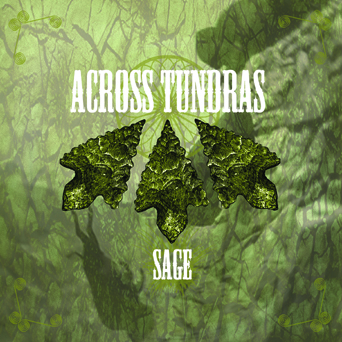
year’s “Old World Wanderer,” we had a chance to hear and review over at Metal Maniacs, and you can read that review right here: http://www.metalmaniacs.com/2010/across-tundras-old-world-wanderer/   Their fifth album “Sage” is ready to drop next week, and anyone who’s followed the band over their career likely won’t be too surprised by what it sounds like but surely will be impressed by how top-notch the band plays. Not that they ever lacked in the performance category, mind you. They were always more interesting, more forward-thinking than your neighborhood doom band, with their penchant for the aforementioned Americana and classic rock roots adding more color to their creations. “Sage” realizes that effort more confidently, more satisfyingly than ever before.

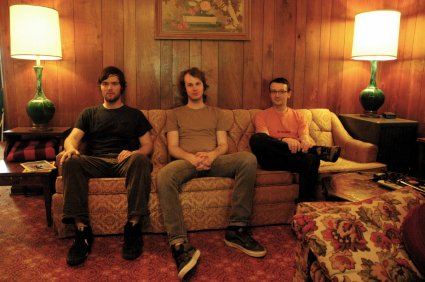
The Tanner Olson-led band actually would make great tour mates with USX. It would be a night to find a seat in the dark corner of the room, double-fist cold ales, and let you be taken away to the dusty plains and wooden door-gates bars. Their storytelling and accompanying stagecoach-rocking soundtrack (rounded out by bassist Matt Shively and drummer Nathan Rose) is raucous, melodic and infectious, and make no mistake, their records are made to be heard front to back. It’s a journey, not a quick stop. “Sage” not only embraces those who feast on doom rock and metal and psychedelic sounds, but you can safely recommend it to friends, family members, whoever, who spend their time spinning the hell out of old Neil Young and Crazy Horse, Grateful Dead, and Allman Bros. records without facing scorn later. Chances are, they’ll get the spirits being conjured here.

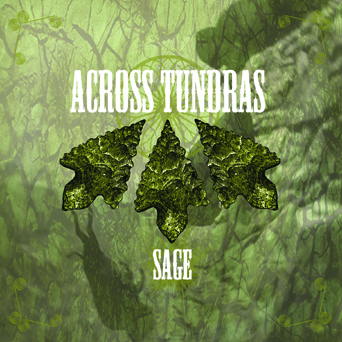
The album opens with “In the Name of the River Grand,” pulling you into a Texan adventure, with Southern-seasoned rock, slurry vocals from guitarist Olson and Western horns that make it sound like the cavalry is near. “Hijo de Desierto” rocks hard and has the narrator seeking “cool, clear water”; “Buried Arrows” has a dark ambiance and a tribal feel (perhaps the arrowheads on the album cover refer to this passage), with Lilly Hiatt adding her gorgeous backing vocals to flesh out the tale; “Tchulu Junction” is spacious, yet direct, with a reminder to everyone that taking the wrong path could cost you your soul, as Olson reminds, “An angry god will cut you down one day”; “Mean Season Movin’ On” is the epic of the set, running 12 minutes and changing paces from slow drawl, to fiery explosiveness, to trippy wonder; while closing instrumental “Shunka Sapa” sits in a mind-altering fog, as it moves across the land, letting this book fade into the night.

Many metal fans are close-minded, so seeing the words Americana or folk or classic rock may make some readers feel uneasy. But don’t let that happen to you. Across Tundras may not be metal through and through, but they have some of those elements. Their music is human and real, and I’d certainly pick to listen to them for an entire car ride, over and over, than 10 modern death metal bands with no new ideas and only decibels on their side. I’ve had “Sage” pretty much on regular rotation since the album arrived about a month ago in my e-mail, and I found that when I hear it, I do a tremendous amount of thinking because of how it seemingly expands my mind. I relish bands such as these, and every Across Tundras album is its own adventure, crossing into territory they have in the past, but never the same roads. “Sage” is a milestone for this band, and it’s only bigger and better from here. No doubt they’ll continue to take the back roads all over this land, bringing their music to eager ears and learning new stories along the way. That should only make album number six that much more compelling.

For more on the band, go here: http://acrosstundras.blogspot.com/

To by “Sage,” or some other cool Across Tundras gear, go here: http://www.acrosstundras.bigcartel.com/

For more on Neurot, go here: http://neurotrecordings.com/

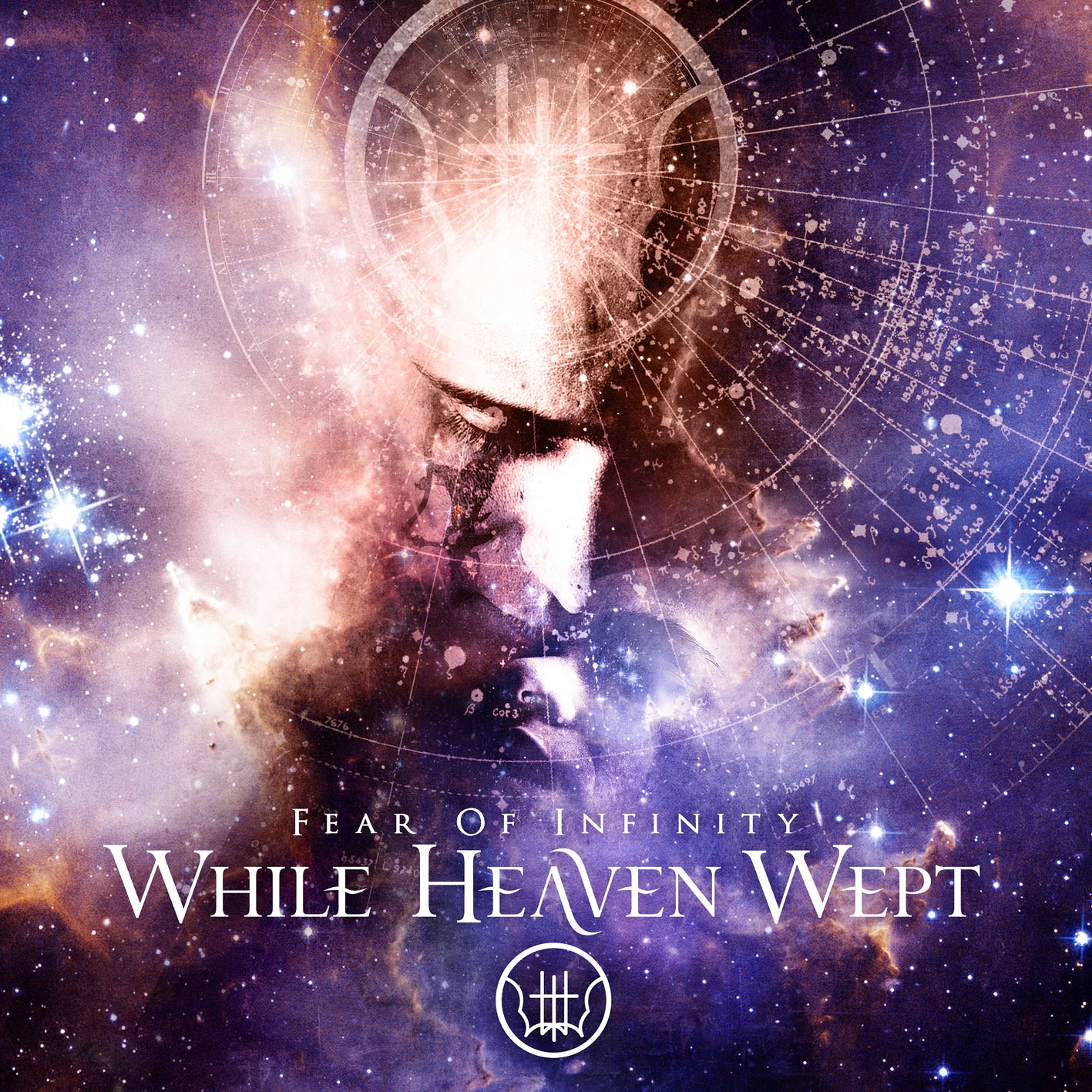
While Heaven Wept flesh out “Infinity”

It’s rare when you write a review and you hear back from the artist you were critiquing.

Tom Phillips of While Heaven Wept apparently is not your average musician, and he took time to read the review that appeared on this site last week of their new album “Fear of Infinity” (which was republished at metalmaniacs.com) and responded to what he read. Refreshingly, he supplied a good bit of background on the album and a further look into the material, so that readers could know more about what they are hearing. I include myself in that. These days, most of what I review comes by way of digital promos. Those are basically simple downloads of the album, with album art and a bio. You don’t have the full package art, and you usually don’t have access to the lyrics. It makes it a little tougher to fully flesh out an album’s meaning, so when artists such as Phillips take time to spell it out in more detail, you take advantage of that insight. Musically, I’m not sure my opinion will change, and I do find it a good album, just not a great one. But I’ll keep an open mind, and maybe what I know now will give me a greater sense of what’s going on during “Fear of Infinity.”

So below is Tom’s response, which he posted beneath my review at Metal Maniacs. Again, I thank Tom for taking the time to write back and shine a brighter light on their new disc. Here it is:

Brian….first of all cheers for your honest review, it is very much appreciated. I wanted to clarify a couple things personally regarding the music of While Heaven Wept and also the new album. First off, WHW is in fact genreless; we never ascribed to a particular style or genre and are ever-changing with each album. No single genre could ever accurately describe what we do – the reality it is simply Metal with genuine heart and soul….it takes 25 adjectives to completely and accurately describe what WHW is. We have no problem being referred to as “Doom” “Epic” “Prog” “Power” or any of the other tags or combinations hung on our music, but in the end if you survey the entire discography it would be impossible to say it’s all one thing. As for “Fear Of Infinity” itself, it is important that people understand exactly what this album is: the completion of a very real, personal process of grieving that began with “Vast Oceans Lachrymose”. It is a challenging album that requires numerous listens to absorb and understand…this was the case even for myself. But if you approach it knowing that “VOL” represented the first two stages of bereavement (Shock/Disbelief and Denial), “FOI” continues on through anger, despair, and finally reaches acceptance at the very end. None of this was intentional…and I didn’t even realize it myself until we were on the other side of all this….I was living and healing through this music. So I hope this will provide some light for all those who will take the journey through both of these albums as it does make a difference. Thank you again for the quality review. I assure you that “Fear Of Infinity” was the exact album that needed to be made…and also consider it, like all of our albums is meant to be heard as a whole. Cheers! – Tom Phillips

To buy While Heaven Wept’s new album, go here: http://store.nuclearblastusa.com/Search/while_heaven_wept

For more on the band, go here:  http://whileheavenwept.com/

Horseback gallop into black drone field

I like when a band insists on not making the same album twice, but Horseback take this idea to ridiculous levels. I mean that as a high compliment.

While the Jenks Miller-led, Chapel Hill, N.C., band already had been around for a while, my first exposure to them came with 2009’s “Invisible Mountain,” which later was picked up and re-released by Relapse. It is a Western-washed slab of drone and ambiance, with Miller’s black metal-style shrieking jarring you awake, making you wonder what the hell is going on. It’s a record that took me a while to embrace, but once I did, I revisited it pretty regularly and always found nuances and passages I didn’t really notice on previous listens. The gift that keeps on giving. In fact, after spending time absorbing and analyzing the album I’m about to discuss, I went back and spent more time on the “Mountain” and realized that, while I realized Horseback refused to repeat themselves, and I never really realized just how varied their work is.

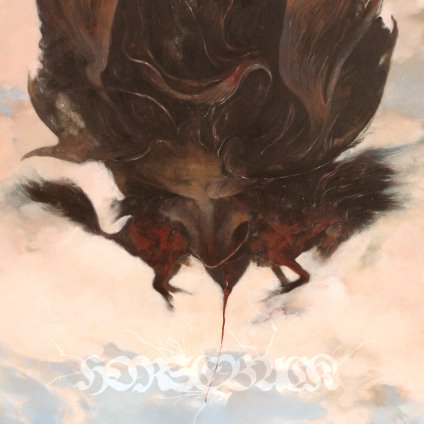
“The Gorgon Tongue” is a compilation being released by Relapse that combines their 2007 effort “Impale Golden Horn” and 2010’s “Forbidden Planet,” originally only available on cassette. The two-disc collection not only makes it sound like totally different creators are responsible for each half, it even might make you wonder how the same minds could come up with “Invisible Mountain,” itself a completely different style of collection from these two albums. It’s mind blowing! You could play all three aforementioned albums for someone unfamiliar with the band and convince that person he/she is listening to three different groups. All of this, by the way, is a precursor to their new record “Half Blood,” which the band currently is finishing up for Relapse. I can only imagine – or maybe I can’t – what this thing’s going to sound like. Italian film score black death, perhaps?

Let’s break down each disc, because it’s pretty necessary. The “Impale Golden Horn” portion is a dreamy, psychedelic soundscape that won’t feel all that metal to you at first. To me, it sounds like a combination of Nadja’s headiness and imagination and Explosions in the Sky’s emotion and beauty. The four cuts are quite long, and two pieces “Finale” and “Laughing Celestial Architect” form a 32-minute center point that, if sequenced together, would sound hinged and inseparable from each other. In fact, they could bleed together, and act like one large piece in two suites. If you listened on shuffle and heard them back to back, you wouldn’t even realize when one piece ends and the other begins. The only hint of vocals on this effort comes on opener “Blood Fountain,” where Miller quietly, softly sings just a bit, but there’s not a hint of ugliness or harshness that you find on disc two.

That’s what leads us into “Forbidden Planet,” a six-cut package that is mostly made up of the “A High Ashen Breeze” section, broken up over three tracks. This is where the charred clouds arrive to set up shop, almost like a violent thunderstorm taking over from an early morning rain. There’s a horrific, doomy haze over these songs, and the drone is penetrating and powerful. Miller also unleashes his black metal-style shrieks here, though they’re never terribly up front an only make up a part of the cacophony. “Alabaster Shithouse” is the most aggressive, attacking song on the album, and one of the heaviest in their catalog, with speedy guitar and a dark pall hanging in the air, and “Veil of Maya (The Lamb Takes the Lion)” opens the collection on a thorny, foreboding note, with Miller’s scariest vocals yet. This is the most straight-forward of the two discs, but it is in no way direct. There’s still a Skullflower, Pyramids, Sunn0)))-style sense of art damage and nightmarish drone that keeps your mind stimulated and wondering.

While Horseback’s catalog is pretty diverse as it is, that’s not where Miller’s artistic endeavors end. He also has a hand in Americana duo Mount Moriah, along with riveting singer Heathen McEntire (of Bellafea), whose self-titled album is out on Holidays for Quince Records. It may not exactly please a metal fan who needs all blood all the time, but if you can branch out, you might enjoy this. I know I do a great deal. The music is earthy and folky, and as mentioned McEntire’s voice adds another element of humanity and expression to these cuts that really make this record a killer. Along with the music, there’s a DVD included that contains videos. I’ll add a link below in case you want to sample for yourself. Highly recommended.

Relapse also should be commended for bringing Horseback deeper into the consciousness of metal fans and their loyal consumers. Too often, Relapse gets written off as a death/grind haven, and it is that, but they offer much more. They have done similar projects such as Dukatalon, Hero Destroyed, Complete Failure, and excellent smoky rockers Royal Thunder, all with an eye toward expanding awareness for these bands. Horseback is another excellent choice for their roster, and I’m excited to hear what’s in store for us on “Half Blood.”

For more on Horseback, go here: http://shop.relapse.com/artist/artist.aspx?ArtistID=10226

To buy “The Gorgon Tongue” (there’s a T-shirt package option as well), go here: http://shop.relapse.com/artist/artist.aspx?ArtistID=10226

To check out the label, go here: http://www.relapse.com/

For more on Mount Moriah, go here: http://www.mountmoriahband.com/

Also, here: http://www.holidaysforquince.com/

Liturgy’s metallic aim is true

Metal fans are a bizarre lot. I should know. I am one.

Most shows I go to are fairly low-key affairs, unless you have a Converge or a Trap Them or some sort of hardcore-laced band on the bill to bring everyone to a violent frenzy. But for the most part, pure metal shows such as the Immortal performance I attended a couple of months ago, are peaceful. People have their own style of dress, wear a smattering of different band shirts, talk amongst themselves respectfully, and sometimes start pits that looks a little bit like people sleepwalking in a circle. They just want something that’ll fire them up and make them feel alive, even if that energy is more internal. It’s usually a good time. Of course, that just might be Pittsburgh. Maybe we’re all a little bit tired.

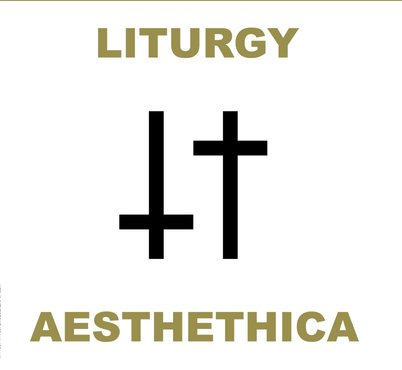
You’re probably wondering what point I’m making as this is a piece about the new album from New York City-based black metal experimentalists Liturgy, and I can understand why you maybe be puzzled. But the Hunter Hunt-Hendrix-led band that’s on full-length album two seem to get equal amount of praise and people questioning whether their metal aim is true. This same type of thing has been thrown at other bands such as Early Man and The Sword simply because, at one time, they didn’t record for metal-only labels. The horror! Clearly, and very clearly, these judgments were not based on the aforementioned bands’ music, and people saying the same about Liturgy simply are trying to start some sort of territorial pissing that isn’t necessary. Yes, Liturgy now record for Thrill Jockey, largely known as an indie rock haven, but if anyone can listen to their new record “Aesthetica” and somehow explain how this isn’t a true representation of heavy metal, then I’ll quit. Chances are, the people I described at the Immortal show probably would gobble this up and not worry about any stupid Internet spitball tossing (and let’s face it, Internet kids started this garbage). It’s metal. Why dissect and put under a microscope something that doesn’t require it?

Let’s address Thrill Jockey really quickly. Yes, they put out some stellar indie rock-style bands such as The Fiery Furnaces, Mi Ami, and the Sea and Cake, but they’re not adverse to releasing artists that push toward the metallic edge, evidenced by them working with Mountains, The Skull Defekts, and Barn Owl. So this argument holds no water anyway. Look at this another way: What if Fiery Furnaces signed with Relapse? Would they be considered grindcore indie pop? Of course not. So let’s drop this. I think it’s pretty awesome Thrill Jockey put their push behind a band such as Liturgy, one that really sticks out on their roster and proves what opens minds both the band members and label heads have. This type of thing should be celebrated, not questioned or judged negatively.

OK, but the album is what’s important, and “Aesthetica” delivers. It’s not terribly different from their 2008 effort “Renihilation” (put out by very-much-metal 20 Buck Spin), and if you’re into that record, chances are you’ll like this one. Hunt-Hendrix’s guitar playing is mind-blowing as always, and the band often plays so quickly and precisely, they sound like a fresh-from-the-package power drill. Along with guitarist Bernard Glenn, drummer Greg Fox, and bassist Tyler Dusenbury, Hunt-Hendrix adds his incredible prowess and banshee shrieking atop these 12 songs that should find favor among those who both like to be thrashed relentlessly and who geek out on top-notch musicianship. Many make a comparison to Krallice, and I understand why, but the two bands certainly sound a lot different. Same town, similar structure. It’s not a stretch.

The album starts mechanically with the opening string cranking of “High Gold,” that eventually melts into a bubbling cauldron of intensity and power. “True Will” kicks off with the band’s oddball, evil Beach Boys-like harmonizing (something that seems to annoy that pocket of people who question Liturgy’s intent … Whatever. I think it’s cool) before completely detonating into a melodic, scintillating black assault that’s as savage as it is precise, eventually bleeding out in a symphony of clock alarms; “Glory Bronze” has an emotional caterwaul of a guitar line and controlled chaos that’s intricate and devastating; where “Veins of God” opens simply, with a drum beat that reminds of ’80s Black Sabbath sort-of hit “Headless Cross” before taking on a savage lead line that should erase anyone’s doubt as to whether this metal is true. It is. Wholly. Completely. There are some cuts that push in other directions. “Generation” takes on the personality of early, “Gish”-era Smashing Pumpkins, only updated and blackened, while the opening sequence to “Tragic Laurel” sounds like something lent by guitar goddess Marnie Stern before it tears away its cloak and exposes its darkness. Instrumental “Helix Skull” makes like it would have sounded right at home on the first “Halloween” soundtrack in its slasher film eeriness.

People are going to pass judgment because that’s what they do to feel important. Too bad for them, because writing off “Aesthetica” as anything less than a stellar slab of modern, domestic black metal is foolish. If someone slapped a different record label’s name on this, I wonder if those people would judge the book by its cover differently. I feel bad for people who do that. Thrill Jockey’s a killer label, and bringing Liturgy on board is much to their credit. As for the band itself, I never doubted them for a second, and “Aesthetica” only solidified my belief they are one of the true bright hopes that black metal’s future will be uncompromising, exciting, and real.

For more on Liturgy, go here: http://www.myspace.com/liturgynybm

For more on Thrill Jockey, go here: http://www.thrilljockey.com/index.html

WOLD ready to bring the noise

Not sure if anyone’s in the mood to be utterly terrified, but if so, might I recommend paying some attention to WOLD, one of the scariest instrumental/experimental bands going.

The phrase “not for everyone” likely never has been more fitting, because what greets you on the band’s albums is likely something you’ve never heard before, and many probably will deduce that it’s just racket. And on first listen, it sounds like just that. The two-man operation of guitarist Obey and vocalist/guitarist/noise maker Fortress Crookedjaw don’t so much make conventional records as they do cobble together unsettling soundtracks to a nightmare. I’ve often described their music as what it might be like if you had a really bad episode of medicine head, and maybe that doesn’t even do the music, or whatever you want to call these emissions, justice.

WOLD are preparing to make their return later in the year with their brand new record “Freermasonry,” which is expected to reach us all by autumn via the always trusty Profound Lore (see below for further details). That’s probably as good a time as any for this duo to rise up again, as the leaves will be decaying and people will be awash in horror and ghouls. Yet, their music also has a frosty aesthetic, made most obvious with their 2007, uh, breakthrough “Screech Owl” and followed up on their 2008 effort “Stratification.” Hailing from Saskatchewan, Alberta, they obviously do fixate on the frosty elements of their surroundings quite a bit.

The band’s first full-length album dropped in 2005 with “L.O.T.M.P.,” and their most recent album arrived last year with the three-track, wholly instrumental “Working Together for Our Privacy,” one of the toughest albums around which to wrap your head, and that’s if you’re already into the band’s music. For someone not keen to the stuff, you’re going to have to do some hard work to get this one. For my review of that album, which ran last year at Metal Maniacs, please find it at the link below.

http://www.metalmaniacs.com/2010/wold-working-together-for-our-privacy/

Among all of this are various other releases, such as demos and a 2009 compilation called “Imperator,” a cassette-only release that was limited to 300 copies and contains 16 cuts on a collection that lasts about an hour. The tape contains demo cuts, unreleased tracks, and even some selections from their first three full-length efforts. Anything you need to know about WOLD, you can find below in the links. This isn’t easy to digest or understand, but that makes the duo’s music exciting, does it not? I’m intrigued just by the album title “Freermasonry,” and I’d imagine they’re delving even deeper into the occult and secret societies on this one. Or maybe I’m totally wrong and it’s a red herring. We’ll just have to wait and see. Below is the track listing for the new record, as well as the preliminary album artwork (I think).

1. Opening
2. SOL
3. Free Goat of Leviticus
4. Annex Axe
5. Dragon Owl Didacticism
6. Dry Love
7. Working Tools for Praxis
8. Free Eyes
9. Freermasonry

For more on WOLD, including how to get some of their stuff, go here: http://wold-klan.blogspot.com/

For WOLD’s My Space (who uses that?!), go here: http://www.myspace.com/woldsongs

To order their albums from Profound Lore, go here: http://www.profoundlorerecords.com//index.php?option=com_ezcatalog&task=viewcategory&id=2&Itemid=99999999

Hate Eternal, Rutan rise from death metal’s ashes

Erik Rutan basically IS death metal.

He plied his trade with Morbid Angel and Ripping Corpse, worked with some the best of the best in metal (Cannibal Corpse, Nile, Goatwhore) as a producer, runs Mana Recording Studio in Florida, and even hopelessly roots for the Philadelphia Eagles year in, year out. Well, at least they make the playoffs regularly, which is better than, say, the Detroit Lions. Rutan even fled from his comfort zone musically recently when he produced some songs for indie rockers The Mountain Goats, a band led by professed metalhead and Decibel contributor John Darnielle, for their latest album “All Eternals Deck.”

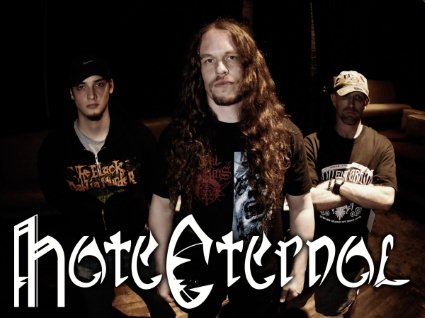
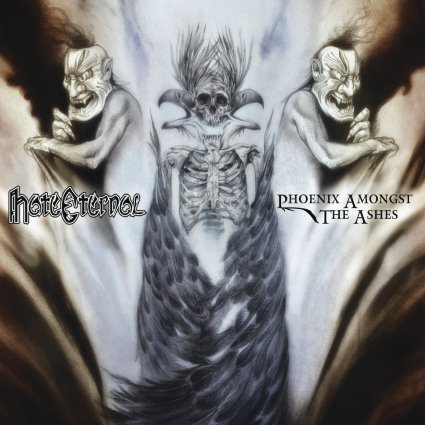
But when Rutan isn’t relentlessly busy with all of this, he has his own band Hate Eternal, a beastly death metal outfit that has put out five of the heaviest, most dense albums in the genre. Their latest “Phoenix Amongst the Ashes” is their latest — it hits shelves a week from today – and it is one of their most varied, melodic and riveting releases to date. As much as I like Hate Eternal’s back catalog, I sometimes find it a little too cement-thick to visit regularly. I kind of had to be in the mood to be suffocated by their dried-mud walls of death metal, and their albums weren’t those I could listen to repeatedly without feeling just a bit of monotony.

But “Phoenix” is a new animal altogether. The band is down to a trio now, with Rutan joined by new bassist J.J. Hrubovcak and drummer Jade Simonetto, who returns from 2008’s “Fury & Flames,” and their 10-track new opus is the most satisfying of their catalog. There’s definitely that Hate Eternal feel, so you’ll certainly know it’s them and Rutan’s monstrous growl/scream mix from the start, but it’s more spacious and, dare I say, atmospheric. It’s uncompromisingly heavy, but it’s extremely interesting and creative as well. I already have listened to this album a ton of times, and when I’m done, I think I’m going to listen again. I’ve never reacted that way to a Hate Eternal record before.

After brief intro “Rebirth,” a fitting way to describe the band, it’s head-first into “The Eternal Ruler,” a crushing, sooty song that sets the tone for the ominous entries that lie ahead. “Thorns of Acacia” has a pretty weird, off-kilter melody built into and buried beneath the song, but it’s present enough to set this track apart; “The Art of Redemption” opens with Rutan blazing through a mind-blowing techy guitar sweep, like he’s trying to show Krallice and Liturgy that he hears them, he’s paying attention, and he can still play the game; the title cut is thick and nasty, with Rutan rousing the masses with his repeated shouts of, “Rise! Rise!”; and “The Fire of Resurrection” opens with military-style drumming before folding into something that winds up being one heck of an album epitaph. As the final moments of this track burn off, you’ll know you just heard something special.

It hasn’t always been easy for Rutan, as he’s commonly had to replace band members, sustained painful injuries, and had to deal with the tragic death of former bass player Jared Anderson, but he’s carried on and forged through, just like a determined death metal soldier. Rutan is one of the most important figures in metal, and it’s great to hear him and Hate Eternal sounding better than ever before.

For more on the band, go here: http://www.hateeternal.com/

To buy “Phoenix Amongst the Ashes,” go here: http://www.indiemerchstore.com/item/11946/

New release preview: Wormrot, Xerath, Leaves Eyes

Last week wasn’t a good one. Especially personally. Really, people say, “Oh, it was one of those weeks,” but it wasn’t anything like that. It was traumatic, to the point I couldn’t even bring myself to listen to any music. Like, at all.

I still haven’t really been listening to any music – it’s how I deal – and today was a pretty good mail day, with the new Autospy promo arriving in the mail, the new A Storm of Light digital promo showing up, and my package from Profound Lore of all three Krallice albums landing as well. Normally a good day, right? I don’t really want to go into detail as to what last week was like and what went on, because it’s a personal matter. No, I don’t have herpes. Just in case you’re wondering. Also, my poor wife had to have an emergency tooth pull late in the week, putting a stamp on it all. We move on a bit this week. So apologies for the lack of updates the last few days. Please know it’s because of a miserable time and not because I didn’t want to write. Tough when it’s a one-man shop, right?

So, just to get a bit of an update your way, this isn’t the greatest week of all time when it comes to new album releases. In fact, it’s damn-near barren. But there are a few things that are worth your perusal, one of which you can get for zero money whatsoever (at least for now).

First up is Singaporean grindcore band Wormrot, who are back with their steamrolling new album that is without mercy. Earache head Digby Pearson discovered the band on a mixtape and eventually approached the fellows via My Space to see if they’d be interested in signing a deal. They already had a 2009 full-length “Abuse” to their credit and a few EPs, so some exposure was all they needed. To be honest, some of Earache’s recent signings have been far more hit than miss, but they have an amazing history and are a well-known name, so what did they have to lose? Wormrot are one of the label’s most exciting new bands (along with veteran acts Hour of 13 and Woods of Ypress), and you can download this whole thing right now for free. The link’s below, but if you can part with some money to buy a real copy (if you like it, of course), it always helps if you can. That’s what keeps bands like this alive and demolishing. Plus, if you go to their shows, I hear you might get bulldozed if you aren’t safe. This is why I’m a happy old man who doesn’t mind watching the chaos from the very back of the room.

For more on the band, go here: http://www.myspace.com/wormrotgrind

To get Wormrot’s “Dirge” absolutely free, go here: http://www.earache.com/dirge.html

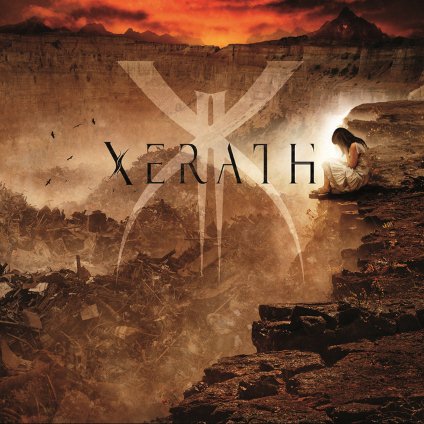
Candlelight Records brings us the new effort from Xerath called “II,” a fitting name as their debut simply was called “I.” The UK band concentrates of sci-fi and theological-related themes, and their approach toward the genre is far more in the symphonic vein. Originally, they saw themselves as experimental film score metal. That isn’t a stretch. The record was produced by Jacob Hansen (Destruction, Heaven Shall Burn, Volbeat) and continues along the line of cinematic-driven extreme metal this band started to kick out with their debut. Vocalist Richard Thomson is more on the shrieky side, and sometimes the songs sound as if they should be soundtracking some sort of journey into and battle in the desert. Not that anything like that has happened recently. Typically this style of music isn’t really my deal, but Xerath tend to keep things more interesting than some of their other bands trying this type of thing, and if you can handle something in between Nile (for the atmosphere, not mind-blowing technique) and Dimmu Borgir (obvious reasons), you’ll probably like this. Also, is that the same girl who’s on the cover of their debut album? Yeah, probably.

For more on the band, go here: http://xerath.net/

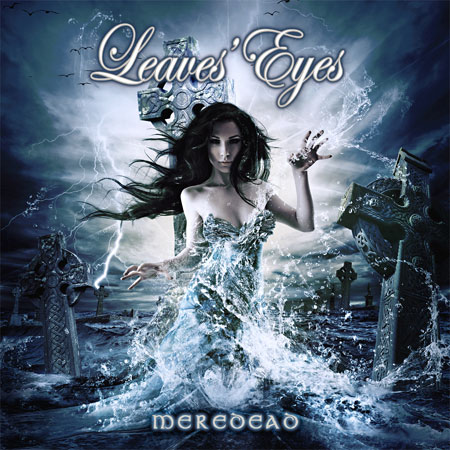
Epic metal band Leaves Eyes are back with “Meredead,” their latest collection of songs that sound constructed for your neighborhood sea nymph (out tomorrow in the States). Their music can be a little dorky sounding, and yes, I imagine it would probably go over quite well at your local sci-fi convention, but that’s OK. Liv Kristine’s gorgeous, soaring voice is one to behold, no matter how you feel about this type of metal, and she manages to take these Viking folktale-laden hymns and breathes drama into them. I don’t really get into this style of music ever, but I always take time to hear each new Leaves Eyes release and usually enjoy them. Backing Kristine is, well, basically Atrocity. She is married to Atrocity frontman Alexander Krull, who contributes his throaty death growls to the band’s songs, and their stuff tends to be more interesting and journey-worthy than some of the other bands of this ilk. “Meredead” is the band’s fourth opus, and one of the surprising cuts on the album is a new interpretation of “To France,” a song originally performed by Mike Oldfield that was a big hit in Kristine’s native Norway. If you need a testosterone boost from your metal, this probably won’t do the trick. But if you can appreciate the beauty, melody, and tales inspired by worlds gone by, chances are you’ll grab the oars and row on with this one. It’s like a storybook in metal form.

For more on Leaves Eyes, go here: http://www.leaveseyes.de/

Thank you all for your patience and for your patronage. I am overwhelmed by how well this site has been received and visited since it debuted. Much thanks to all.

Doom metal in all shapes and sizes

Like most genres, doom has its subset of styles that get their own neat prefixes to give you a better idea of what will greet you once you press play.

Historically, the style of music sounds dark, hopeless, often sludgy, sometimes bluesy. Down-tuned, of course. It’s doom! Most point to Black Sabbath as the pioneers of the genre, but along the way, notable bands such as St. Vitus, Candlemass,  and Trouble carried things through the ’80s and ’90s, and more recent acts such as Witchcraft, Sleep, Electric Wizard, Crowbar, the Melvins and plenty of others took doom and went in different directions with the sound. Hence, your sub-genres.

While the flowers are blooming, trees are coming back to life, and birdies are chirping, there’s a nice helping of doom both in stores and ready to be unleashed on the public to counter all the fresh smells, new life, and beauty. Fittingly, the three albums I’m going to highlight kind of embody the idea of doom having so many faces, yet when you put them all together, it wouldn’t seem all that bizarre to have these three bands playing on some enormous bill.

First up is the new record from Virginia’s Pentagram, a band that really has no business being alive, much less recently having come to terms on a new deal with Metal Blade. They really should have been unquestioned pioneers of doom rock and metal and really should be one of those unquestioned legends who normally got slots on Ozzfest, but frontman Bobby Liebling’s legendary drug issues completely derailed the band from enjoying any sort of widespread recognition. Yes, they are adored by many on an underground level, but without rehashing every step (both Decibel and Spin have done a fine job with that in recent issues), let’s just say there ought to be just as many Pentagram shirts on people’s chests as Sabbath. At least Pentagram’s life somewhat has been saved, largely due to Liebling’s sobriety, new role as father and husband, and the band’s surprisingly stellar new album “Last Rites.”

I say surprisingly because how many bands that formed in the early ’70s and were mostly productive in the ’80s still make reliable records? Not many. But there’s a bit of a catch to Pentagram putting out a good album in 2011, and that would be Liebling’s expansive songbook, which he put together well before drugs ripped his life apart. The majority of the material are reworked songs from Liebling’s catalog (only three are new), which explains the amazingly authentic ’70s/’80s feel, but who cares if they are? The band still had to breathe life into material that really should have been on albums put out decades ago (and some are on compilations in rough form), and Liebling still had to prove he has the pipes for this. The return of guitarist Victor Griffin (who was a member of Death Row in the early 1980s along with Liebling, who the eventually assumed the Pentagram moniker, since the name was being used anymore … it’s a little confusing) is one of the keys to this album. He absolutely smokes on these songs, laying down effective riffs and simmering soloing, and while Liebling – 57! — doesn’t always sounds like a world beater, he’s effective enough to carry through. If you’re wary, check out “8,” folk-style, mid-tempo dreamer “Windmills and Chimes” and crunchy closer “Nothing Left.” Hopefully that song title just sounded cool.

Way more current but with an unquestionably classic edge come Gates of Slumber with their fifth record “The Wretch.” The songs are pretty epic, as we’ve come to expect from the Indiana doom group, and certainly more of their traits reach backward through the decades than forward. I’ve always appreciated GoS’s records, but I never really got super into them for some reason. But “The Wretch” changed that a bit for me. I really found myself getting immersed in the songs, and Karl Simon’s vocals, which didn’t always excite the hell out of me, sound fantastic here. Opener “Bastards Born” is scathingly slow, yet always heavy, truly tapping into the Sabbath magic. “The Scovrge of Drvnkeness,” which originally had been hinted as the album title, ramps up the psychedelics and crunch, making it one of the loudest songs on this collection. “Day of Farewell” and “Castle of the Devil” are epics, with the former held together by solid wah-style soloing, the latter feeding off the ’70s/’80s early doom that’s more like a bubbling cauldron than a volcanic eruption. Same goes for the closer “Iron and Fire,” the longest cut on the record and one that never loses its drama. Overall, it’s a little different than the last two GoS albums, but still faithful to the band’s roots. And like I said, I really got into this album, more so than any of their past works. This is doom for lonely barbarians and beer drinkers.

Finally, we make our way to While Heaven Wept, a band 20 years into their existence that’s long been termed as epic doom, but I’ve always felt they fit more into the power/prog category, especially recently. Maybe that’s because of Rain Irving’s vocals, which tend to soar more than most in the doom genre and often feel like they’d be just as fitting overtop Dream Theater’s music. Their approach often is quite emotional and sometimes a bit gritty, but not enough that when I hear them now I immediately think of doom. Yet, there’s a crossover aspect, and their new album “Fear of Infinity,” their debut for Nuclear Blast, should help them find an even larger audience. I really liked their “Vast Oceans Lachrymose,” which came out in 2009 on Cruz del Sur, and this one is a bit different. There are moments on the new album that sound a little rushed, such as “Destroyer of Solace,” a song that doesn’t even reach the three-minute mark (a rarity for WHW), where Irving sounds forced singing so fast. But opener “Hour of Reprisal” works like a charm, as do heart-wrenching “To Grieve Forever” and towering closer “Finality.” One thing you do get from WHW in spades is pure human emotion. The songs often sound as if the draw directly from the band’s hearts, trading typical gloom-and-doom intent for a relation with their audience on a more personal level. Not sure this will be for everyone, but if you can ignore the lack of barbs and let yourself be enveloped by their surging melodies, you may find this to be of value.

Finally, apologies for the late entry. One of those weeks. I’ve had a handful of bad news this week, combined with multiple doctor appointments, so it hasn’t really been a good one at all. Will be back tomorrow with more. Thanks for stopping by, and special salute to all those who made last week’s Meat Mead Metal easily the most-read week in our short history.

Krallice’s brilliance never eclipses their hearts

Photo: Justina Villanueva

I am not a guitar geek. By that, I mean I don’t play the guitar and, therefore, never will be one of those writers who uses a lot of terminology and whatnot when writing about songs, bands, or albums. There are those out there who do, and I always like reading their stuff because it helps me sort of understand things a little better, but I tend to write more based on feeling.

The reason I say this is because tackling the new album from Krallice would seem to necessitate some sort of boiling down the band’s musicianship, and that just ain’t happening here. Oh trust me, I’d love to imbibe some secret formula that would allow me to dissect what’s going on during the six tracks on “Diotima,” the band’s third album, but until I find said concoction, it isn’t possible. I can, however, tell you how, as a critical listener, the music struck me. And let’s face it: The percentage of people who buy this record to enjoy how the music sounds certainly will outweigh those who buy it to subsequently analyze the compositions. So I’m one of you!

I’m lucky enough to have been aboard the Krallice experience from their first record, an enthralling experience that only hinted at their brilliant future. Also, the 11-minute title cut from their second opus “Dimensional Bleedthrough” used to be the first song on my running mix when I was on the treadmill, because the song was so stupefying and relentlessly introspective, it always made me forget the grunt work because I was so caught up in the music, no matter how many times I heard the track. As expected, hopes were high for album three, and when it arrived in the mail from Profound Lore, it immediately went into my CD player because I had to start absorbing this thing immediately.

One thing that’s evidently clear from even the first listen is the emergence of Nick McMaster, their furious bass player who provides the gritty death metal wallop vocally. He’s the prevailing force here as his voice becomes THE dominant one (guitarist Mick Barr still contributes the shrieks, though he sounds more like a complimentary contributor now, which isn’t a bad thing), and he provided the philosophical vision for “Diotima.” Diotima of Mantinea was the female seer in Plato’s “Symposium,” and there is some debate as to whether she was a real person or simply a fictional character. Nonetheless, she came to symbolize Platonic love, and along with influence from German poet  Friedrich Hölderlin, himself fixated with her, and McMaster’s own work, you get a pretty good idea of the heady journey you’ll be taking. More disclosure: I don’t yet have the lyric sheet, so I can’t go much further into this subject, but that should be enough to intrigue those who can appreciate black metal subject matter that isn’t all blood, guts, and death, even if there are Apocalyptic themes interweaved here.

One thing about Krallice’s music, especially on this effort, is their combined brilliance sounds machine-like. It’s almost like no human could put all these complicated pieces together and have them hum so seamlessly. Yet, considering that, there’s also an evident element of human emotion, not just in McMasters’ and Barr’s vocals, but in the music itself. It transcends their collective brilliance and goes beyond four guys – McMaster, Barr, guitar virtuoso Colin Marston, and drummer Lev Weinstein — leveling you with how good they are. You feel something when all of this blends together, like some sort of craft spiraling you into space. But instead of growing queasy from the spinning, shaking and wind whips, you feel fulfilled, like you got to see a plane of living you never knew existed and would have no other vehicle in which to understand this level. Yes, I know it sounds like I dropped a shitload of pills and listened to “Diotima.” More full disclosure: I do zero drugs.

The first two cuts – instrumental opener “Untitled” and scary/savage “Inhume” – combined are not as long as any of the remaining four songs individually. Now, in the past, Krallice did have those times when they didn’t seem to know when to cut things off, and perhaps seeing the song lengths will make you think the same on the surface. Instead, their playing and understanding of the songs seems to have grown, and there’s really not a lot of open space that could be cut out. “The Clearing,” for example, is calculated nicely, with guitars hanging like a hurricane, then moving into a section that sounds like heavier early Rush, then ending in a panic of seething shrieks and a pocket of noise. The title cut and closer “Telluric Rings” are built much the same way, as both feel like they have necessary building blocks that logically pull you toward its conclusion. In fact, “Rings” has a drone fizzle out that feels perfect, like it all burned out in the end, just like you thought it would. These songs never even seem as long as they are, believe it or not. Only “Litany of Regrets,” with its delayed effects and tempo that tends to trudge along, feels a little tedious. Not a bad song by any means, just not one that lit my world ablaze.

So yes, guitar wizards will pull out their tablature paper and calculators and thick glasses and spend hours analyzing this thing. I really wish I was one of you. But if you’re like me and enjoy music for the sake of what it does to you inside, “Diotima” is their most giving effort yet. There’s an undeniable passion and catharsis to these songs, and even if you’re not following along with the lyric sheet in hand, you can understand what’s going on by connecting as a living, breathing, thinking human. Krallice are one of the most important young bands out there because not only do they care about making great albums, they make sure they leave a piece of themselves with their creations. That’s kind of rare these days, and it’s refreshing to know how much they care. It’s also one of the reasons parting with your cash for their creations always feels like hard-earned money well spent.

Speaking of value, Profound Lore is running a killer special where you can buy all three Krallice albums for an obscenely low price. I’ll link that up below.

To grab the Krallice collection, go here: http://www.profoundlorerecords.com//index.php?option=com_ezcatalog&task=detail&id=736&Itemid=99999999

To buy “Diotima,” go here: http://www.profoundlorerecords.com//index.php?option=com_ezcatalog&task=detail&id=737&Itemid=99999999

For more on Krallice, go here: http://www.myspace.com/krallice