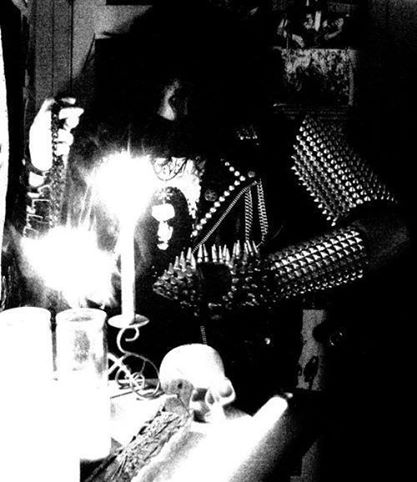
Hoest’s musical restlessness returns on Taake’s excellent sixth collection ‘Stidens hus’

TaakeIf one were to make a list of black metal bands that keep their style consistent, by the book, and devoid of any real surprising changes, you’d find yourself compiling one hell of a collection of names. You might even be able to fill an entire book full of culprits, which is funny considering black metal is supposed to be a genre that takes any rulebook and burns it to ash.

One band you could not put on that list is Taake, the one-man killing machine based in Norway and driven by the enigmatic and mysterious Hoest, a man who doesn’t know the meaning of the word “conventional.” Over the course of six records and two decades as a project, the music has been black metal to its core, but it also added many different colors, styles, and tastes into his madness. The music never has been predictable, sometimes making people turn their heads at what Hoest blends into his formula, but he doesn’t compromise and refuses to put parameters on his artwork. That same thing carries over into his new opus “Stidens hus,” an album released late last year in Europe by Dark Essence and that is seeing a domestic release this year by Candlelight Records.

Taake coverNow, it’s true Hoest has had a past that’s been a little bumpy. There was prison time for an assault charge. There also was, let’s call it “Swastika gate” since we have so many controversial gates going on, where he emerged on stage in Germany with the Nazi symbol painted on his chest. He has since adamantly denied his band has anything to do with Nazi sympathies and that his actions were more to shock than anything. Fine. Benefit of the doubt as it seems to be an isolated incident, and all of that can be put aside while discussing these seven new cuts that should be judged by their musical merit alone. That might seem a little odd considering a certain essay that ran on these pages a couple months back, but I don’t think Taake should be viewed as a band that is truly harmful to anyone and instead should be considered another black metal band that espouses darkness and misanthropy to release those dark elements into the world. OK, well maybe there is one way that Taake is conventional.

Opener “Gamle Norig” gets the proceedings off to a rousing start, with the guitars churning, melody sweeping in like a storm, and the vocals sounding creaky and vicious. The song’s pretty damn catchy, to be honest, and eventually the music goes into space and messes with your headspace. The track really begins to soar, sounding a bit like Rush at points, and the final minute explodes and blazes a path toward “Orm.” There, strong riffs and harsh growls mix together and conjure a sense of dread, with strange, prog-fueled movements, cool guitar leads that lean into textures slides, and gothy, wordless vocal melodies and murky strangeness creating a bizarre atmosphere. “Det fins en Prins” begins with guitar shrieks that pierce the ear drums and riffs that chug and thrash heavily. The song smothers over its 8:03 running time, with fresh, incentive melodies, ferocious growls that rage out of Hoest’s mouth, and boiling and buzzing riffs that push through to its psychedelic conclusion. “Stank” grinds ominously, with relentless pounding and a tempo that gets uglier as it goes on. The tempo breaks into a punk-fueled section that twists into spacious, surfy guitars and then back into the thorns.

“En Sang til Sand om Ildebrand” is an instrumental track that rages open, with melodic bursts sending colors spurting over rock, the bass lurching and slithering, and whispery vocals adding a serious chill to the air. The riffs begin to dominate again, with a frosty atmosphere emerging, more blistering punishment, and a dark, fever-rich adventure coming to a raucous end. “Kongsgaard bestaar” just explodes, with fierce, creaky growling returning, with the melodies going chilling and freezing. There’s a calm that blows in, but that’s temporary as the attack gets back into seeking blood, weird noises shoot in and confuse, and some of the playing actually feels sunburnt and shimmering. Closer “Vinger” opens with simmering riffs that eventually lead into speedy passages, the growls are vicious and devastating, and more punk-led playing shakes you to your core. There are weird sounds stitched in here that are like barnyard noises, but who knows what they really are? The track concludes with scraping growls, wailing melodies, and a finish that slams shut and leaves your hand jammed hard in the door.

Taake remains one of the most interesting, riveting bands in all of black metal, and this a project that truly never repeats itself. “Stidens hus” is another fantastic entry into the Taake canon, and it’s so multi-layered and furious, you’ll probably need several visits in order to absorb it all. Hoest has struck again, making black metal a more unpredictable, exciting place, and no matter what you say or think about this artist, you can’t argue that he defines the rebel spirit that’s supposed to be the heart of this music.

For more on the band, go here: https://www.facebook.com/taakeofficial

To buy the album, go here: https://www.manicmusiconline.com/

Or here: http://karismarecords.bigcartel.com/

For more on the label, go here: http://candlelightrecordsusa.com/site/

Or here: http://www.darkessencerecords.no/
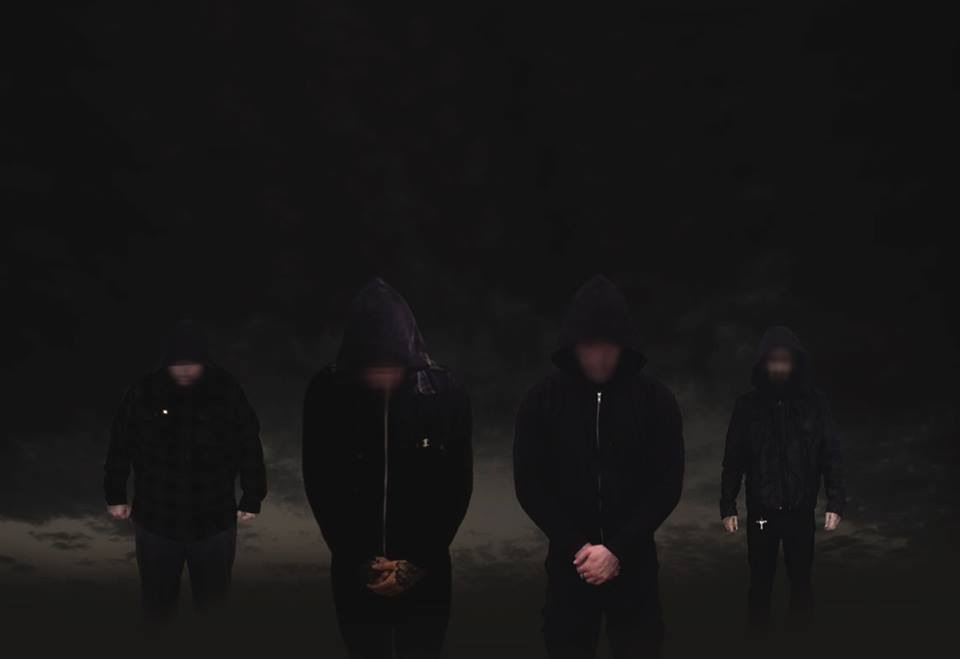
Mysterious Dead in the Manger remain hopeless, devastating on doomy, black new EP ‘Cessation’

Dead in the MangerGrief and human horror sound like great topics for a Monday, when hope and enthusiasm are at their lowest. At least for normal people. I can’t really account for those people who show up at 7 a.m. and are amped beyond belief for life.

So let’s jump head first into the new Dead in the Manger album “Cessation,” a miserable, furious display of six interconnected tracks that will make a lousy day seem completely bleak. They made a tremendous debut in 2013 with the fire-breathing, tumultuous “Transience,” a record that introduced the world to this mysterious band that added new levels of darkness into the metal community. This new entry deepens the disturbing elements they already unleashed and makes them even grimmer. The new songs share similar traits as the ones on their debut as they’re devoid of names other than labeled by parts, and the band still refuses to share their identities. Why unveil parts of this band they don’t see as important, like who they are and what they’ve done? This way, you can dig right into the music and absorb it for what it is with no prejudice or preconceived notions.

Dead in the Manger cover“Part I” begins the record, quite obviously, as the first moments of the song trickle cleanly and give the album an ominous, misleading introduction. The track then opens up into doomy punishment, giving the atmosphere a murky ambiance that feels like it could threaten at any moment. The song veers back and forth, with the tempo slowing down and boiling back up again, and the final seconds spilling melody and fire into “Part II,” which is clubbing and miserable from the start. The band heads into a black metal fury, with raspy growls emerging, melody mixing into the vicious machination, and more doom muddying the waters. There’s another vicious outburst, with the drums crushing bones into powder, the playing dizzying, and slow driving mauling bringing the song to a volcanic end. “Part III” spills noise into the scene, with a dusty industrial feel taking over, and then filthy riffs emerging. The riffs then drizzle down like a blood spray, with the band pounding away and the heaviness smothering faces.

“Part IV” blows open with fast, blistering playing, techy madness that comes out of nowhere and feels oddly fitting, and a tidal wave of destruction. There is cool, inventive guitar work, which makes the brain waves charge, and airy, spastic melodies that ring out hard. “Part V” starts with clean, fuzzy guitars, melodies that roll cleanly, and a weird fog that feels like the kind that emerges during the winter when warmer temperatures and rain start to defeat the ice. There’s a sense all along that something bad is brewing, and when that terror rises up, it’s in the form of vicious grinding and more face-splitting drumming. Closer “Part VI” is the longest at 8:06, but they take zero time to unload. The song explodes with riffs defacing, the assault coming fast and crazily, and the vocals sounding ugly and bloody. The tempo teases calm at times, as the clouds roll in, but they always unleash the fury again, with massive amounts of devastation and the band clubbing you over and over before the record subsides and lets you have a modicum of mercy. But you’re still in severe pain, so it’s not a lot of solace.

Dead in the Manger are well on their way to establishing themselves as one of the most vicious, hopeless (philosophically, that is) bands in the extreme metal arena. They don’t give a damn what they throw into their poisonous stew, as long as it maims and continues to give off a sense that everything they know is horrible and eventually going to destroy. “Cessation” will make you feel worse than you already do today, but look on the bright side: It’s only downhill from here! Right?

For more on the band, go here: http://deadinthemanger.com/

To buy the album, go here: http://www.20buckspinshop.com/

For more on the label, go here: https://www.facebook.com/20buckspin

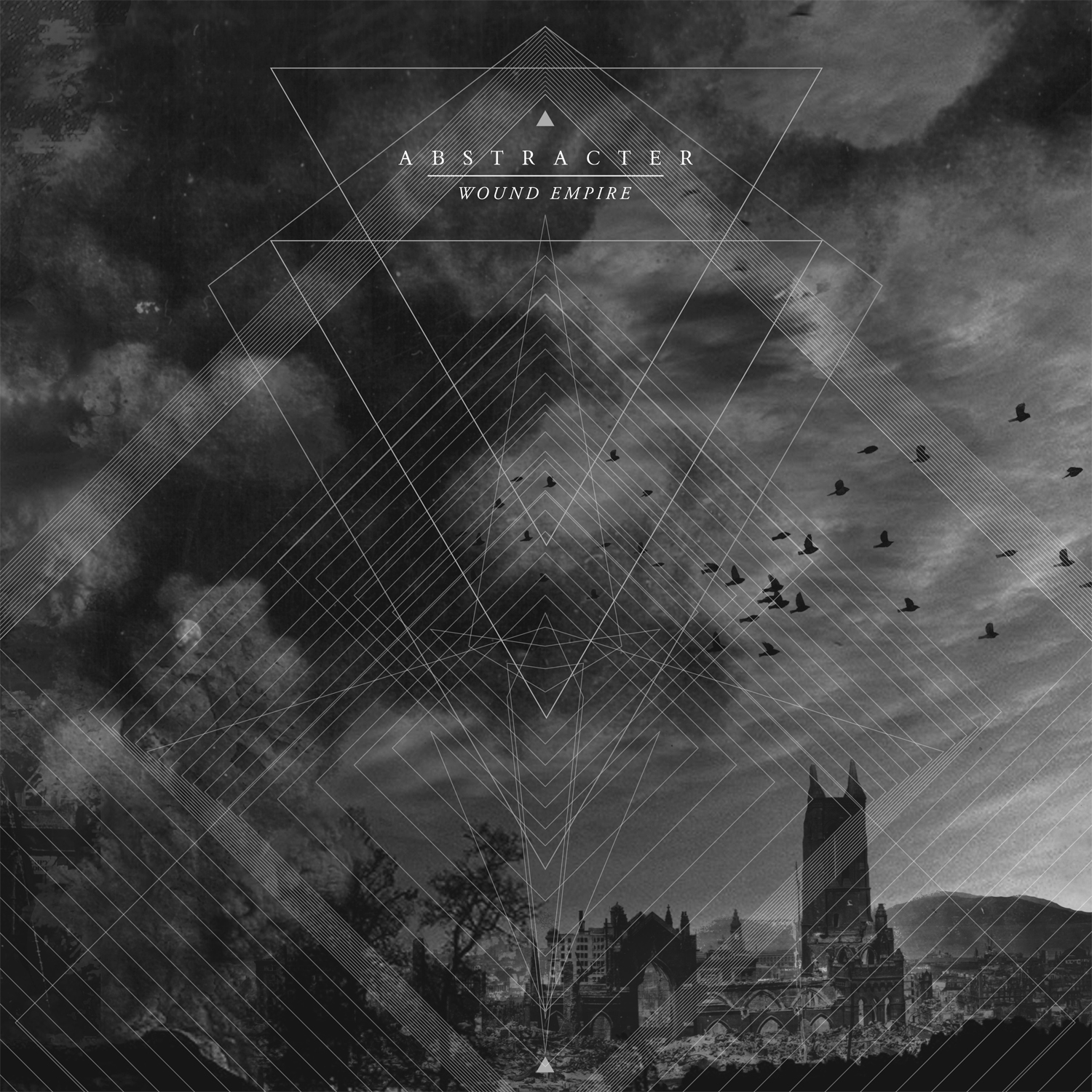
PICK OF THE WEEK: Abstracter’s smothering sludge doom brings hopelessness on ‘Wound Empire’

AbstracterEver have one of those weeks, or any period of time, where you feel like you are trapped with no hope of escape? One where the stress weighs down like an elephant on your chest, filling you with anxiety and a feeling that the chaos in your head isn’t going away any time soon?

That’s actually been the past couple of weeks for me, and it’s mainly work related as major projects come to a head, burst into flames, and leave us all back at the drawing board. I know there are far worse problems in the world, so let’s toss out the “woe is me” sentiments, but it’s still been complex and, at times, a little disheartening. As anyone who has read this page over a long period of time probably is predicting, yes, I did find some very suitable music for this stretch. I needed stuff that felt like the world exploding, black soot raining down, and there being no hope of escape. Right, I don’t seek out happy, uplifting music when I’m in a trench. I want to hear something that sounds like it’s right down there with me, and Abstracter’s punishing second record “Wound Empire” more than fit the bill. This is four tracks and 42 minutes of pure aggression.

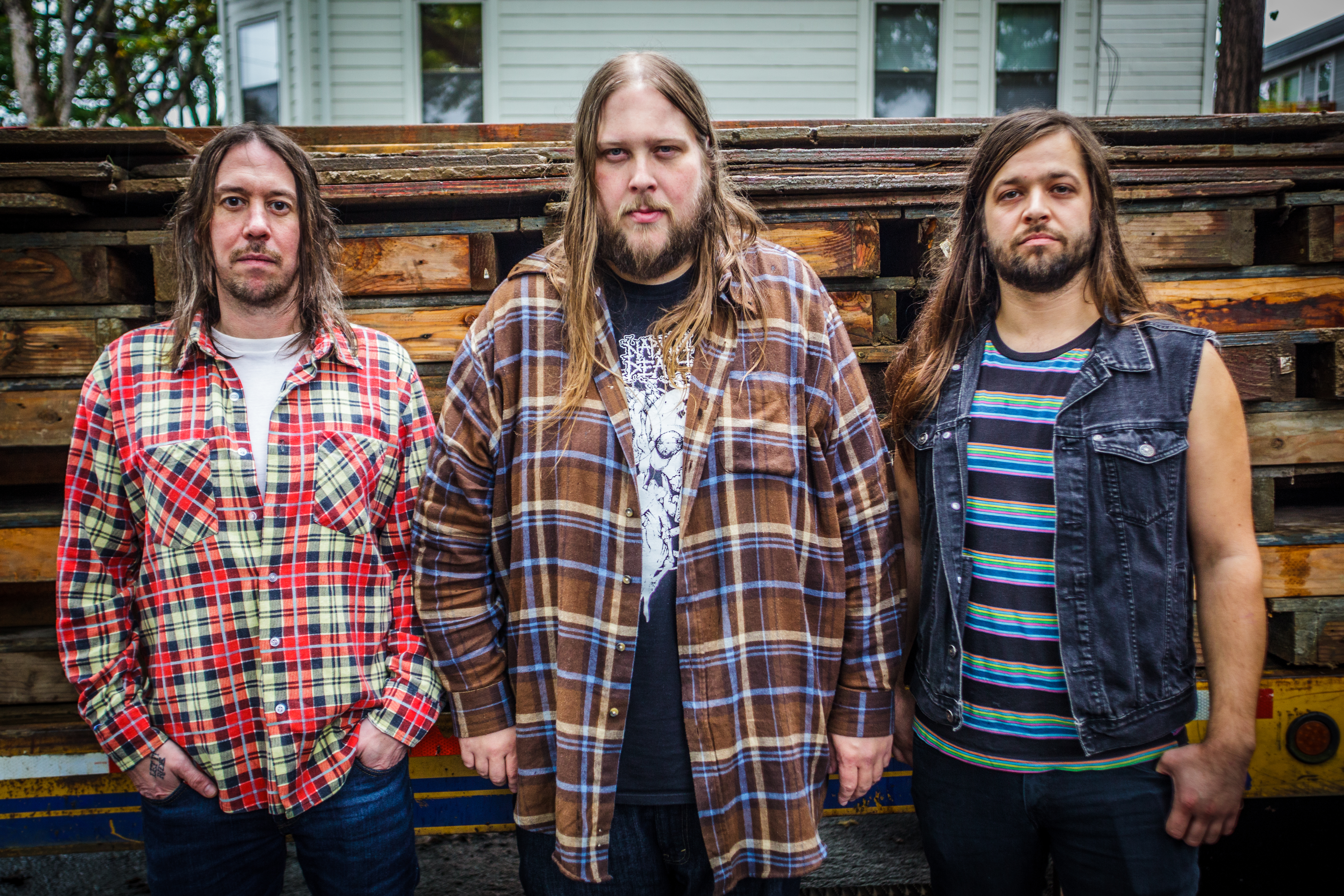
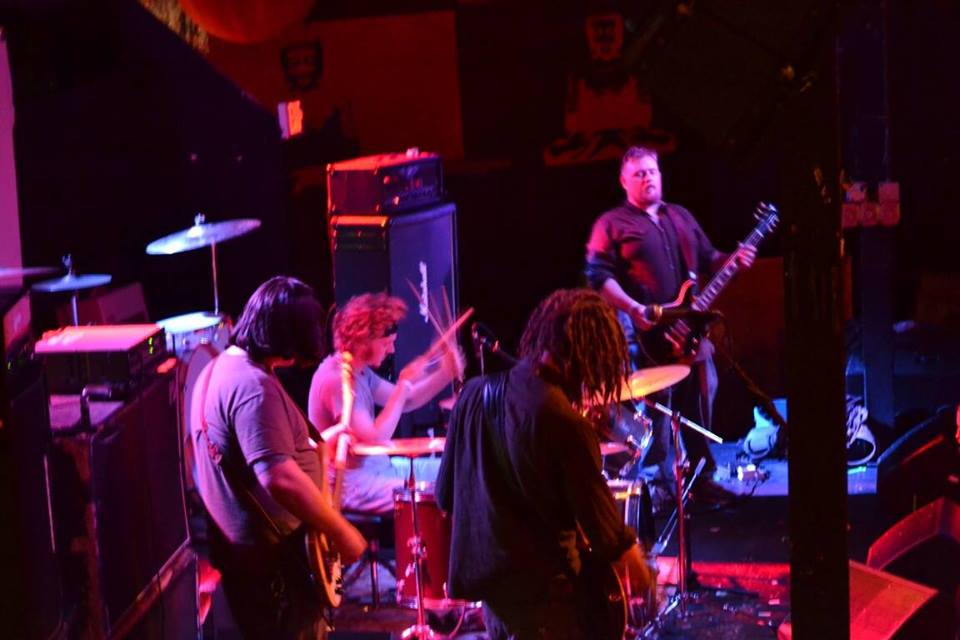
FINAL_ABSTRACTER_jacketThis Oakland-based band piles doom, crust, and sludge on top of each other, building a toxic waste dump of noise that can be oppressive and impossible to navigate your way out of. And that’s been perfect for matching a dark period, one where I needed to hear music that identified with my volatile mental state. The band has been active for the past five years, first heading out into noise-infested waters before the group starting really coming together. Abstracter—vocalist Mattia Alagna, guitarist Robin Kahn, bassist Donovan Kelley, drummer Emad Dajani—recorded this thing last summer, when things were at their brightest and most alive. But you never get the sense they drank in the rays and stretched out. This document is so full of darkness, hopelessness, and ashen fury, that it sounds like it would have to come from one of the darkest times of the year, when many people’s mentality is bleak and eroded. Kind of like right now.

Oh, and heads up: This thing is out on like 19 different formats and labels. What we’re going to do for the buy-here link is send you to the Bandcamp site. They have a link for all of those formats, but we’ll still provide separate links to the labels, all of which you should explore if you haven’t already. We good on that? I guess it doesn’t matter, because that’s what we’re doing.

“Lightless” opens the record, a massive 10:56-long splitter that dumps feedback everywhere and lets penetrating noise ring out. The band slips into slow pummeling that takes its time but smothers you with heaviness, and vicious growls emerge that sound monstrous. The duration of the song is meaty and massive, giving you very little room to breathe, and with a few minutes left, the chaos subsides and lets calm take over. That doesn’t last, as it goes back into such a devastating pattern, you might be compelled to throw a table out of a window. The track eventually bleeds out and spills into “Open Veins,” which has quite the ominous opening. Guitars begin to trickle down, with heavy melodies gaining control and other sections of the music getting mired in muck. There are moody, simmering passages, buzzing lurching that pulls you into the earth, and more sludging kicking up and spewing cinders. The band really starts wailing away with a couple minutes left, and the final moments are positively cataclysmic.

“Cruciform” starts with noise hanging in the air like a death cloud, and the music kicks into a calculating, violent pace. The vocals sound infernally delivered, like if you get too close they could burn the hairs off your face, and strong melodies snake in and out of the thick tributaries of sound. Like all of the songs on this record, there are plenty of tempo shifts, bringing the pace down at times, detonating explosives at others, but no matter what they’re doing, it’s always emotional and true. As the song winds down, Alagna’s vocal hit a savage wail, and the band drives into a smashing finish that bring things to a volcanic end. Closer “Glowing Wounds” begins with things pulled back, the picture allowed to develop, and clean vocals that sound purposely detached and robotic. The first half of the song keeps things even-keeled but still girthy, but the latter portion is where the track get smashing and dangerous. Growls return, sounding like they could shred vocal cords, while the band unleashes spirited, incredibly heavy play that pours added fuel to the fires and even injects some atmosphere in the horrors. The final minute is absolutely blistering, with the guys punishing your wounds, darkening everything around you, and robbing you of any chance you’ll know hope again.

This is a massive, earth-crushing record, with Abstracter stepping out as a band you need to know and respect right now. “Wound Empire” is their most devastating, adulation-deserving to date, and each visit I had with the album, I got sucked in more and more to all of the madness going on inside. This can equal and resonate with any tumult currently going on in your life, and maybe it’ll absorb just a bit of your dark energy as you try to forge ahead on your path, knocking down every annoying barrier in your wake.

For more on the band, go here: http://www.abstracterband.com/

To buy the album in any format, go here: http://abstracter.bandcamp.com/album/wound-empire

For more on the label, go here: https://www.facebook.com/SentientRuin

And here: http://fragilebranch.com/

And here: http://www.7degrees-records.de/

And here: https://www.facebook.com/hatecof/timeline

And here: http://anout.bandcamp.com/

And, finally, here: https://vendettarecords.wordpress.com/

Scottish post-metal dreamers Falloch regroup, create drama with ‘This Island, Our Funeral’

FallochAs much as people seem to get excited about the holiday season and all the comings and goings of that time, the best part of winter for me is right about now. There aren’t a million things to worry about, the snow falls a little thicker, and you can walk around outside and get that nice gust of freezing air bursting in your lungs. This really is a great time to let everything go.

Some equally adventurous music can help make this time even more rewarding, and one of those records for me since the New Year dawned has been “This Island, Our Funeral,” the second album from Scottish post-metal band Falloch. You won’t find very much aggression and skullduggery on this album, nor on their excellent 2011 debut “Where Distant Spirits Remain,” but that’s by design. Instead of viciousness, these guys revel in rich, gusting atmospherics, riveting melodies, and actual signing, which has become something of a rarity among the bulk of metal bands. Even if this wasn’t what the members had in mind seasonally when they wrote and recorded this record, its dropping in the States right at the heart of winter is ideal, as it soundtracks nature and the whitening of everything wonderfully.

Adobe Photoshop PDFFalloch did go through major changes since the last album, with biggest being former vocalist Andy Marshall moving on and forming his new band Saor, with whom we will visit next week. In his place is Tony Dunn, who also contributes guitar work, and he’s an admirable replacement for a singer whose work was etched deeply in this project, though he still has a little bit further to go before he truly earns the reins of this band. He has time. The rest of the band is comprised of guitarist/keyboard player Scott McLean (along with Marshall, a founding member of the band), and other newcomers since the last album bassist Ben Brown, and drummer Steve Scott. Now a full band bursting at every seam with power, they seem poised to get their future back on track, with this second record a serious step toward achieving their larger goals.

The record gets going with 9:17 “Torradh” that takes some time to get moving, but mostly because it’s setting up an ambiance. It’s initially breezy, with whistles lending a woodsy spirit, and then it opens up and launches strong melodies both musically and vocally. The volume and tempo keep pushing forward, and the band’s passion is evident, finally winding down with glimmering and trickling keys. “For Life” has a blistering start, with the vocals rising up with strength and the guitars going gazey. The track calms, letting acoustics to spill in and bring a rustic feel to the proceedings, and the singing picks up again and carries the track. Great soloing bubbles up, giving the track a glorious, epic feel, and the cut has a heavily textured, colorful finish that bleeds out into the air. “For Uir” has quiet, reflective guitars, wordless melodies, and a ballad-like sense to it, letting them get as melancholic as anywhere else on the record and providing a gasp of fresh air for listeners. “Brahan” then erupts, with some of the most aggressive playing on the album, the vocals delving into fierce growls, and everything blazing. Dunn goes clean again and lets his singing voice take over, with the band exploding with energy behind him. Later they deliver a slow-pounding finish that takes the song to its finish.

Another shorter track follows and paves the way for the two album-closing epics. “-“ is ever so brief, with pulsating noises creating cloud coverage, cosmic winds whipping through, and the brief trip pulling into “I Shall Build the Mountains,” a 10:31 journey. The vocals are a high point of this one, with Dunn sounding confident and in command of the band, and the music taking multiple dips and turns, from calmer, more tranquil tones to bursting, belowing explosions. The bass heads into jazzy, proggy territory at one point, which adds an interesting tone, and the final moments blast open again, with the music chugging hard, the band unloading everything have, and Dunn slipping into a more sing-songy approach. “Sanctuary” runs 12:17, and it’s the one place where it feels the band loads a little too much into a single cut. It certainly has its high points, with more emotional playing, storming pounding that pushes the tempo, and vocals that reach new heights. But it feels a few minutes too long, as the last quarter of the song treads too much water (like a young Thomas Magnum!), robbing the cut of its final fireworks that should leave your blood pumping. Instead, you’re just kind of ready for it to be over. Honestly, it’s a minor quibble on what’s otherwise a pretty solid piece of work.

Falloch have some uneven spots on “This Island, Our Funeral,” but for the most part it’s a rewarding, enthralling experience. Their style of metal is such a fresh gust of air considering most of what I hear these days constantly goes for the jugular, and I’m never going to be upset about a band that takes me on a sonic adventure. It’s great to hear these guys back on track, making strong music, and working toward being a part of metal’s future fabric. I would imagine that whatever they dream up for their next record will be the band’s strongest vision yet, provided they stay together and gel.

For more on the band, go here: https://www.facebook.com/falloch

To buy the album, go here: http://candlelightrecordsusa.com/site/

For more on the label, go here: https://www.manicmusiconline.com/

Lord Dying add brains to their sludgy brawn on impressive second record ‘Poisoned Altars’

Lord DyingAnyone angling for a good, savage beating would be wise to spend some time with the record of focus for today. Yeah, no overblown intro or anything, because it isn’t needed. This thing is out to flatten you, so it’s really best if we just start there.

Lord Dying already made a nice impression on their 2013 debut record “Summon the Faithless,” an album that signaled their arrival but also hinted that there could be greater things ahead for the Portland-based doom-sludge quartet. That idea pays off on “Poisoned Altars,” their blistering sophomore record that should find favor among fans of like-minded bands such as High on Fire, Black Tusk, and even Mastodon at their earliest and most savage stages. Added to those elements are penchants to delve into brainy thrash territory, especially with the guitar work that has inventive, unpredictable turns that bands of this ilk often don’t take. That adds new colors to the doom and sludge fields and helps set this band apart from their many peers.

Lord Dying coverLord Dying is comprised of formidable players who go for your guts when they play. Vocalist/guitarist Erik Olson, guitarist Chris Evans, bassist Don Capuano, and drummer Rob Shaffer (who just joined the band last year and who you might know better from his kit work with Dark Castle) may have some creative flashes in their music, but for the most part, they’re not here to dazzle you. They’re here to bury you, piling burly riffs on top of each other, bruising your eardrums with monstrous growls and shouts, and just pounding away at your will. It makes for a really fun record, one that will make you pay a physical toll when all is said and done.

The title track cracks open this beast, with crunchy riffs, throaty growling that commands, and a trudging pace that makes it feel like tires spinning in mud, sending things spewing. There’s a hint of a hook over the chorus, though it’s burly as hell, and shouts of, “Rotting in our bones!” pays off the track’s intent. “The Clearing at the End of the Path” comes in next, chugging heavily and unleashing more furious vocals. The song is crushing and defiant for the most part, but eventually the guitars take an interesting turn toward progressive and thrashy, like early ’90s Megadeth when they were at their apex. The track eventually gets back on the steamrolling rails, with the shouts sounding inspired by hardcore, as Olson wails, “We contemplate escape.” “A Wound Outside of Time” is built on a damn cool riff, as the music is chunky and aggressive, with Olson commanding, “Follow us into the flames.” The guitar soloing is rock solid and charged up, with the hammering continuing up to the very last second. “An Open Sore” is one of the album’s longer cuts at 6:04, and it’s punchy and aggravated right from the start. There are some lines that are roughly sung, with Olson vowing, “I won’t rest until you’re gone,” and visually you get a feel for Apocalypse, celestial bodies compromised, and a fiery, tumultuous scene.

“Offering Pain (And an Open-Minded Center)” also has strong riffs and a thunderous disposition. The vocals are mean and gritty, and some melody bursts out of the muck, soars, and hits glorious highs. But things darken again, bringing the band back to thrashy volatility, spilling again into progressive corners and letting some artistic torches shine. “Suckling at the Teat of the She-Beast” not only is a wonderfully named song, it’s also a battering ram of power, blasting you right in the chest during its opening seconds. The track pushes perilously toward death metal at times, boiling and charging hard, and some exploratory soloing later in the song lets some weird cosmic energy into the room. “(All Hopes of a New Day) … Extinguished” is intricate and jerky, like riding on a wooden roller coaster that hasn’t been inspected in years. You’ll get pushed and pulled all around, with the pace slowing down and speeding up, and the meaty, lumbering riffs causing added bruising. Closer “Darkness Remains” is muddy and filthy, mauling everything in its wake but also showing some sophistication in the guitar work. The lead playing is mind blowing at times, with finger tapped lines blazing forth and the rest of the band serving up damage. The guys practically stand on the gas pedal over this 6:53 track, only letting up once it reaches its final resting place in a bed of poisonous drone.

It’s awesome to hear Lord Dying making leaps and bounds on this new record, and it seems like they’re still feeling their way toward their ultimate goals. “Poisoned Altars” is a hefty step forward, where they pay off that promise shown on their debut and demonstrate their willingness to stand out among a very crowded field of doom and sludge bands. These guys are monsters through and through, and you’ll know that for sure once this eight-cut collection bulldozes you.

For more on the band, go here: https://www.facebook.com/LordDying

To buy the album, go here: http://www.relapse.com/store.html

For more on the label, go here: http://www.relapse.com/

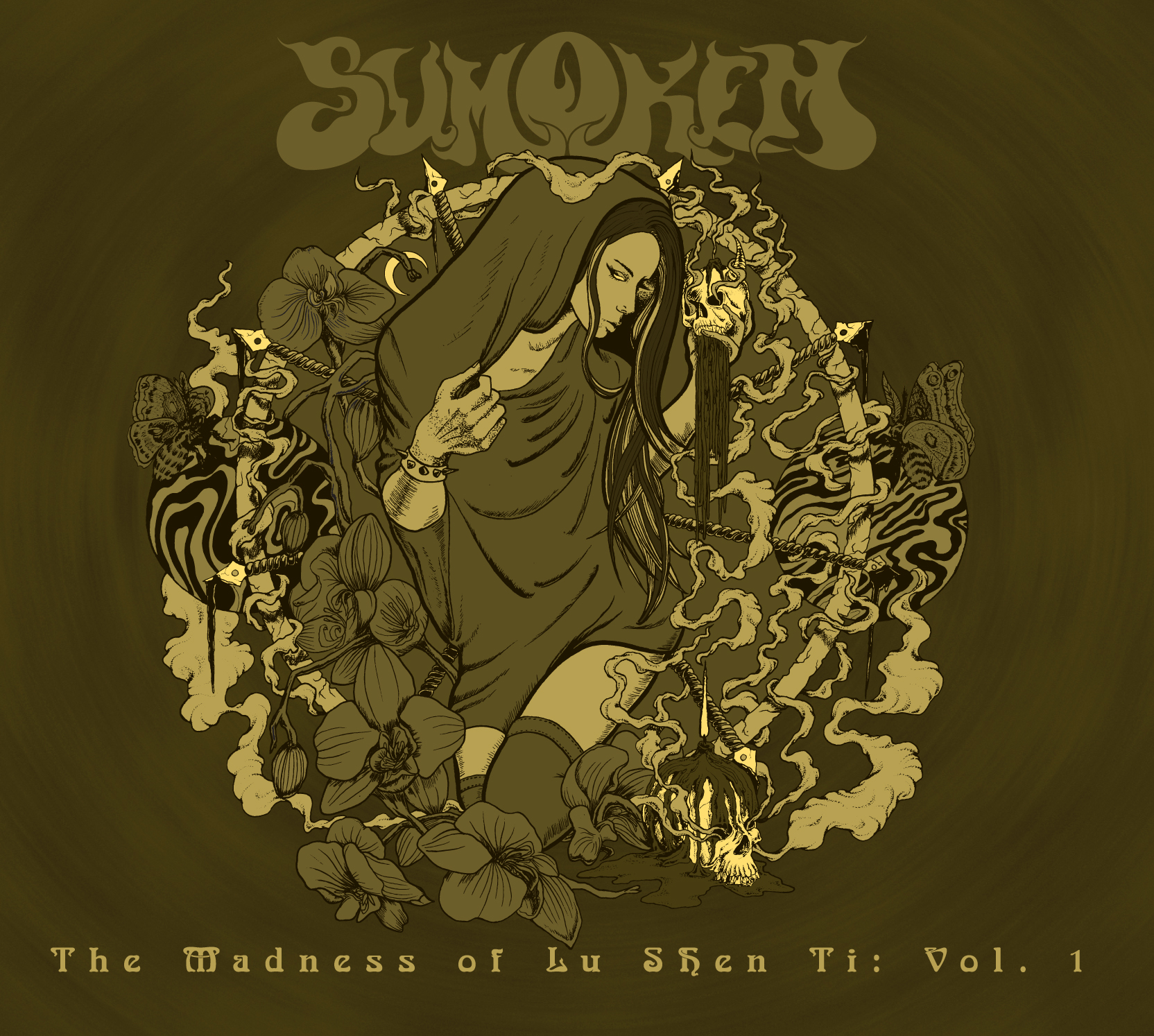
Sumokem’s smoke-filled debut EP filled with ancient tragedy, witches and, of course, pot

SumokemIt’s story time, everyone, so gather around. It’s the one about an ancient emperor who is crushed after the loss if his mother, reserved to a life of debilitating ailments, and only has hope of being cured from a witch who lives in the mountains. There is love and tragedy, traveling beyond this realm for fuller enlightenment, and, of course, magical turtles.

What we have here is one of the most elaborate, somewhat ridiculous stories ever told about pot. I know. “Dopesmoker” is pretty out there as well. But really, what stories told my metal musicians aren’t a little bit whacky, and when marijuana is involved in the tale, you can bet things are going to go haywire. But if you read the synopsis of the story told through Sumokem’s EP “The Madness of Lu Shen Ti Vol. 1,” you actually have a really involved, rather interesting tale that, yeah, still is a weird adventure with pot as one of the main heroes. But it also has enough rich characters (including the tortured title role), twists and turns, and mythology to fill a volume of books. We get started on this debut EP, where the plot begins to unfurl. By the time you get through these five songs steeped in traditional doom and psychedelic rambling, not only will you want to learn more about our characters, you’ll want to keep following this promising band wherever it goes next.

PrintThis EP is a pretty sturdy document, and people into bands such as Black Sabbath, Sleep, Hawkwind, or Pallbearer are going to have a blast listening to this thing. Oh, speaking of Pallbearer, Sumokem hail from the same Little Rock, AR, haunts that produced that band, so there’s some bragging rights for that city’s inhabitants. Two dooms bands this good from the same place? Inconceivable! Even scarier is Sumokem—vocalist/rhythm guitarist Jacob Sawrie, guitarist Josh Ingram, bassist Alan Wells, drummer Drew Skarda—only have been a creative unit since 2013, and they’re already this far along artistically.

Our saga begins with “Linger,” a short, acoustic-driven introduction that feels like the book lid crackling open. That paves the way for “The Doctor,” where the doom hammer drops, melody begins burning on high, and Sawrie’s excellent singing erupts. His voice is perfectly suited for this style of epic doom, but he’s got a classic rock bend to his singing, which is likely where the mention of Foreigner in their bio originates. And it fits. The lead guitar work is just tremendous here, as well as on the rest of the record, building the drama and keeping the excitement high, and eventually the song gets chunkier and heavier. The band heads into muddier terrain later in the track, kicking up grime, and the finish clubs you hard. “The Death” is the height of tragedy, with rustic acoustics opening, only to be leveled by swaggering guitar riffs. The playing is churning and tough in spots, paying off the event that changes the emperor forever, with Sawrie wailing about “crying in anguish” and “a life cut short.” As the song reaches its closing sequence, the singing turns to monstrous growls, which adds a proper element of grief and anger, while a psychedelic haze brings the cut to a foggy finish.

“The Emperor” also starts quietly and calmly, as acoustics squeak and tremble. Trippy guitars bubble to the surface, feeling mind altering and numbing, with the singing a deeper register and the tempo taking its time. It’s heavy though, no doubt, and the lead guitars create some real fireworks that are passionate and exciting. The vocals begin to soar and reach for the skies, as the band thrashes harder than anywhere on this record, and soloing adds a sense of power and glory. Growling returns, the pace is mashing and volatile, and the whole thing blazes to a satisfying finish. Closer “Farewell” is an odd one. Acoustics ring out, layering melodies on top of each other and establishing a spacey frame of mind. You keep floating along with this thing, and when it fades out in just three minutes, you can’t help but feel there’s more message to absorb. And there is, as sounds re-emerge a minute later, with strange transmissions, detached growls that could have been lifted from Deathspell Omega’s playbook, and an ambiance that seems to be going for that next plane of awareness, a state we will be in until Sumokem return with the second half of this story.

I’m an absolute sucker for the style of doom Sumokem create, and the fact there is a pretty extensive tale woven into it makes it even more interesting. Their first EP is a damn good one, a collection anyone who has even a cursory interest in the bands mentioned in this piece should explore. “The Madness of Lu Shen Ti Vol. 1” is an introduction to a group in its very early stages who clearly are leaps and bounds ahead of where most bands are on their first recording. The sky isn’t the limit for Sumokem. The cosmos and multiple planes of existence are.

For more on the band, go here: https://www.facebook.com/SUMOKEM

To buy the album, go here: http://handshakeinc.com/shop/

For more on the label go here: http://handshakeinc.com/

PICK OF THE WEEK: Caïna’s deathly asteroid-collision story colors dark ‘Setter of Unseen Snares’

CainaI am not ashamed to admit I have my fair share of dark moments. It comes from a lifetime of battling anxiety that ranges from crippling to manageable, most times revolving around my health, the health of loved ones, and the fear we could be wiped from the planet at any moment. Those things are always there, and no matter how good things are at any current moment, I keep waiting for the door to slam closed, crushing my fingers in its wake.

From the time I have spent with Caïna’s catalog, I get that same sense form its creator Andrew Curtis-Brignell. He’s no stranger to dark subject matter, the kind that gnaws at your insides and forces you to confront the blacker, more unpleasant aspects of existence. On Caïna’s new album “Setter of Unseen Snares,” Curtis-Brignell tackles a story concept that is the ultimate in hopelessness and lonesomeness: The record focuses on the last surviving family on Earth and their attempt to escape a giant asteroid that’s setting on crushing them. That very idea fills me with dread and worry, because it’s not something that isn’t out of the realm of possibility. But following along with the six tracks on this album, I feel like I can cope because sometimes you have to say fuck it and throw caution to the wind. What else are you going to do? But make no mistake, you’ll take an emotional journey here that will force you confront a future that might be unpleasant.

Caina coverCurtis-Brignell’s work here is his freshest, most varied to date. All along, his music has been morphing, growing, changing, and adapting, and if you followed his career, you’d know this from how each new release has offered something different. This is his first new full-length since 2013’s “Litanies of Abjection,” and his sixth overall. He’s been busy the past couple years though, issuing a number of EP, split, a small releases, but it all builds to this record, an album dripping with passion, heart, and a foreboding sense that at any time, it could all go black.

The record has an incredibly interesting start, as “Introduction” uses dialog from Rust Cohle from the first episode of “True Detective,” lamenting humankind’s role in reproducing and surviving and adhering to a system in which we were given no choice. This is the first instance I have run across of “True Detective” being used to enhance the messages on a record of any type, so, well done. That leads into barn-storming “I Am the Flail of the Lord,” a thunderous, assaulting number that feels like the Earth’s crust already has been penetrated by that cosmic force and is spraying land, rock, and water all over the place. The vocals are roars, an unsettling fury that rips into your soul as he howls, “All life is blasphemy!” The pace settles a bit, and some misleading calm trickles in, but then the song tears open again, with melody bleeding out and a vicious finish. The title cut follows, where Curtis-Brignell is joined on vocals by Michael Ribeiro. The guitars are blurry and chilly at first, but then tumult arises and we’re off to a dash through maniacal chaos and occasional streams of serenity. The vocals are monstrous, the drums are just crushing, and all of this panic eventually dissolves into the air.

“Vowbound” opens with swirling sounds that could dizzy you, with drubbing drums and chugging guitars emerging and taking control. The growls are harsh again, with black metal-style violence and gazey dreaming mixing together to duel with each other. The final moments do quake you, but there’s also a ton of atmosphere packed into this track. “Applicant/Supplicant” is moody at the start before it blows up and rages heavily. “We are the damned!” Curtis-Brignell roars, as the song manages to find a level of catchiness amid all of the fire. Things begin to spiral out of control musically, hinting at the terror present in the story, and the final minutes slip into psychedelic gothiness and clobbering blasts. Closer “Orphan,” which comprises the entire B side of the vinyl release, is one of the most interesting, vulnerable, daring songs of Caïna’s entire history, and it knocked me for a loop first time I heard it. And every time since. Vice Martyr handles the vocals on the front end of the track, sounding a bit like Roger Waters at his most desperate, and Laurence Taylor takes over the more vicious second part. The song runs 15:28, and it’s an amazing final curtain for this story, a song so impressive that it’s going to be tough to find a real rival for it the final 11 months of 2015. The song drips with emotion, sorrow, and desperation, it’s raw and in pain, and when the line, “I’ll never know home,” arrives, you can’t help but feel the abyss of hope, as death comes hurtling toward Earth, about to cancel out the world’s last remaining inhabitants.

What Curtis-Brignell accomplishes with “Setter of Unseen Snares” is extraordinary and a new, enthralling high-water mark for this project’s run. Yeah, the destruction of humanity is a very metal topic, but Curtis-Brignell handles it with a humanity, emotion, and depth most of his contemporaries generally wouldn’t apply to such subject matter. From the chilling open to that cataclysmic closer, it’s an amazing snapshot of staring death in the eyes, knowing your destruction can’t be staved off and that you’ll have to witness and absorb every moment. It’s enough to make your heart bleed to death, or it might be the jolt you need to embrace what’s in front of you now and make the best of it.

For more on the band, go here: https://www.facebook.com/cainaband

To buy the album, go here: http://brokenlimbsrecordings.com/shop/

Or here: http://hatecof.bigcartel.com/

Or here: http://skinandbonesrecs.bigcartel.com/

For more on the label, go here: http://brokenlimbsrecordings.com/

And here: https://www.facebook.com/hatecof

And here: https://www.facebook.com/SkinAndBonesRecords

Collaboration Day 2: The Body, Thou combine hellish forces on ‘You, Whom I Have Always Hated’

Illustration by Megan Acosta

Illustration by Megan Acosta

Sometimes life gets in the way of things you really want to do. This past summer, I had just started a new job and was trying to do my best to learn the position and prove to the company I was dependable. Part of that made me sacrifice seeing the first day of Gilead Fest 2014 because I couldn’t take the desired amount of time off. I knew already from the lineup that night, my decision would be a painful one.

I missed a lot of good stuff that night (I still need to see Oozing Wound live), but the main attraction for me would have been the mighty collaboration of The Body and Thou, two of the mightiest, most destructive, most inventive doom bands on the entire planet. That one hurt. I’d followed both bands through the bulk of their discographies, and seeing both forces on the same stage, playing together as one killing machine, was not something I’d expect to see again for a long time. Or maybe even at all. Ah, adult responsibilities. You really suck it sometimes.

The Body   Thou - LP Album Art - 383 LP 1600Luckily for jerks like me who had to miss that gargantuan performance, we have a new collaborative effort from both bands “You, Whom I Have Always Hated,” a record any fan of heavy music, especially uncompromising doom and chaos, must hear for themselves. It’s the second joint effort from the two bands, following last year’s “Released From Love” EP (that contains their unreal cover of Vic Chestnutt’s “Coward” and is packed with the CD and digital version of this release), this new album pays off what we heard on that initial output, as well as I’m sure what Gilead fest attendees that fateful Friday night experienced in the flesh. These two bands are not for the weak of heart, and each plays with a passion, agitation, and desire that is threatening and enthralling. So just imagine when you make a super unit out of both bands and let them truck you over these six massive tracks.

The record explodes open with “Her Strongholds Unvanquishable” that has a heavy industrial bend to it when it starts and moves headlong in noise-drenched guitars squealing and Thou’s Bryan Funck unleashing his trademark muddy growl. The Body’s Chip King later introduces his inhuman wail, a cry you cannot mistake for anyone else’s, and drone clouds emerge as the cut reaches a bloody, clubbing finish. “The Devils of Trust Steal the Souls of the Free” is a quick, two-minute mauler that finds Funck back in front of you roaring along with filthy, heavyweight sludge and King terrifying you with his hellish pipes. The back end of the track has a bubbling melody worked into it, which sounds like Thou’s influence, and the cut dissolves into corrosive puddles. Up next is the groups’ take on Nine Inch Nails’ classic cut “Terrible Lie,” and song they douse in gasoline and set burning, with noise smothering everything, guitars spiraling and scraping, and both vocalists doing their best to make this song sound more violent and volatile than the original version. The live version was the talk of Gilead the whole weekend. Nothing like salt in the wound, huh?

“Beyond the Realms of Dream, That Fleeting Shade Under the Corpus of Vanity” is one hell of a mouthful to say, and it goes up early in doom smoke and what sounds like a million pounds of sound. Funck’s growls are vicious and unforgiving, with guitars adding to that oppressive sense of metallic power and King later cutting through that with his mad wails. The song is utterly terrifying in spots, which is not a surprise considering who is involved, and the song eventually burns out and gives off some final fumes. “He Returns to the Place of His Iniquity” is an interesting one, with cold guitars trickling ice drops on you, and weird noise interference that reminds a bit of the Body’s recent work with the Haxan Cloak. Voices warble and send chills through your bloodstream, leading to the cataclysmic closer “Lurking Fear.” It’s demolition from the start, with Funck dropping hammers vocally, feedback spitting sparks, and a filthy tempo that drives this thing. Then some odd weather moves in, with an uneasy tranquility taking over, clean, wordless singing floating over the scene, and that meeting up with the scorching final moments, where dual shrieks terrify you, and a smeary, nightmarish finish puts the perfect ending on this apocalyptic union.

If you’re still walking upright and in no pain once this record is over, you’re much tougher than I am. The Body and Thou put all of their massive chaos into these six songs, and despite not really being a fan of cover songs, they made me hear that NIN classic in a different way. That’s all I ask out of cover songs. “You, Whom I Have Always Hated” is a massive sonic assault that will twist your brain and beat you about the head and body. If that’s something you seek from your musical experiences, you might not have a better time all winter than you will with these two bands towering over your prone pile of flesh and bones.

For more on the Body, go here: https://www.facebook.com/pages/the-body/334047229514

For more on Thou, go here: http://noladiy.org/thou/

To buy the album, go here: http://www.thrilljockey.com/catalog/

For more on the label, go here: http://www.thrilljockey.com/

Collaboration Day 1: Nachtreich, Spectral Lore explore dueling forces on ‘The Quivering Lights’

Nacht LoreThere are instances every year where metal takes us somewhere unexpected and gives us a dose of reality. Not everything has to be skullduggery and violence at every turn, and a trip away from those dynamics can be a nice palate cleanser and reminder to keep our minds open for larger ideas.

That very thing comes to pass on the new split album “The Quivering Lights,” combining German neoclassical band Nachtreich, who have plied their trade in darker metallic arts before, and Greece’s mind-altering black metal spirits Spectral Lore, who we’ve discussed before on these pages. But this album isn’t a mere split, where one band gets one side of the matter, while the other group takes the other. Instead, the two units hit on the topic of the eternal struggle between the Dionysian (irrational, chaotic, emotional) and Apollonian (rational, logical, thinking) souls, based on two of Zeus’ children. These forces have done battle forever, with our actions often dragged in one direction, either toward a volcanic, passionate outburst driven by feelings and a tendency to sit down, weight the facts, and come to a well-thought-out decision. Depending on the situation, one soul can overwhelm the other, and it’s a topic that has been addressed in literature and philosophy throughout the ages.

So, instead of dividing each band and relegating them to a side, they have a conversation, a struggle, a tug of war. The group’s songs are sprinkled in the order in which they should be heard, not based on each group, and it makes for a compelling, often gorgeous portrait that each band makes this scene even richer. Plus, the whole thing isn’t a volcanic explosion. Each band makes great use of orchestral arrangements (a given considering Nachtreich’s involvement), which might rankle anyone who needs it all brutal all the time. Take a deep breath, drink in each element, and let these sounds wash over you.

Nachtreich begin the record with “Lights,” letting piano drizzle, strings rise, and a delicate ambiance take hold, almost as if you’re immersing yourself deep in water for a stretch of relaxation and extension of self. These sounds are quite lovely in spots, though eventually some power kicks in that isn’t metallic but more in the sense of light surging. The strings continue to lead down the home stretch, with a woodsy sense taking hold and the drama hitting on high. Spectral Lore follow with “Quivering,” a song that feeds off the opening track with soft keys, lurching strings, and whipping winds that lead into guitars beginning to crunch. The scene gets darker, with harsh growls erupting and every musical element blending together for a cascade of power that’s exhilarating. A dreary tempo bubbles up, with acoustic guitars ringing and teaming up with warbled vocals. Nachtreich return for “Greyness,” a track that sits in a thick viola field, plods and sears, and has a sophisticated, baroque feel to its melodies. The track shivers and plods, heading right into the band’s next cut.

That would be “Ghost Lights,” Nachtreich’s creakiest song on here and one that shows they do have some spookiness to them. As usual for them, the strings are a major player, and much of what they do is quite lush, but there also are monstrous growls here, giving the track a beauty-and-the-beast personality. Keys drip again, there is an orchestral burst that’s enthralling, and the vocals lurch as the song surges and drops out. Spectral Lore close the record with two cuts, the first being the 11:31 mammoth “Vanishing.” There’s some bait and switch in the first few minutes, as they greet you with neatly plucked acoustic guitars, but before you now it, they’re burying you with chaos. The track is destructive in spots, as if they’re carrying out the will of the Dionysian spirit itself, and there are sections that are both melodic and fiery. Calm eventually returns, giving off a murky haze, but that’s broken apart by doomy crashing, cries of pure anguish, and a caterwauling tempo that only meets its end once a serene conclusion cancels it out. Closer “Reflection” feels aptly titled, as it’s practically a comedown from the track that preceded it. Acoustic guitars emerge and lap up here and there, never really establishing a linear direction, and it’s almost like the song is a way for you to awake from whatever meditation point you achieved during these 45 minutes. Quite a fitting conclusion.

Both of these bands have made thought-provoking music before, but what they accomplish here goes beyond that. This is a true spiritual collaboration, with each band digging deep into the subject matter and interpreting their thoughts and feeling on this lifelong struggle during these six tracks. “The Quivering Lights” is a record that could can fill many purposes, from serving as a blast of calm that is occasionally interrupted by thunder, to helping you expand your thinking on this matter and ho each force plays a role in your life. Nachtreich and Spectral Lore have done their parts, giving birth to this great work. Now it’s up to you hold up your end and get the most out their artistic exploration, even if that just means enjoying the music for what it is.

For more on Nachtreich, go here: https://www.facebook.com/pages/Nachtreich-Official/134636053320790?sk=wall

For more on Spectral Lore, go here: http://spectrallore.bandcamp.com/

To buy the album, go here: http://eihwazrecordings.com/distro/

For more on the label, go here: http://bindrunerecordings.com/

And here: http://eihwazrecordings.com/

Black Twilight Circle founder Volahn offers ritualistic, dark metallic violence on ‘Aq’Ab’Al’

VolahnThere probably won’t be a ton of arguments from people if I suggest that the metal landscape is a bit oversaturated. There are so many bands, just as many records, and numerous labels operating, that freshness seems like a hopeless endeavor. But if you look hard enough, you can find artists carving their own way.

One such musician is Volahn, founder of the mysterious, heavily secretive Black Twilight Circle and jack of all trades for his own black metal project under his chosen moniker. The name Volahn translates into “ritual kaos,” and I’ll be damned if that’s not exactly what the six tracks on new, second overall full-length “Aq’Ab’Al” sound like. On the surface anyway. These tracks also demonstrate that taking new inroads to creating metal can be priceless, as Volahn attacks his art in a way not many other artists do these days. There’s a definite concentration on how the songs are presented, sounding as raw and primitively savage as humanly possible. He also colors in some of the ends with vast acoustic pieces that seem to flow out of the Mayan origins he explores and transports you to his origins as a person. It’s both chilling and stimulating.

Volahn coverVolahn himself is a man who spreads his talents over a myriad number of projects, including Axeman, Kallathon, Dolorvotre, Shataan, and many others, but this project is his main focus. Ever since the project’s formation more than a decade ago, Volahn has introduced his listeners to a dark, fiery side to the creation of black metal, with less effort put into polish and spit shine and more into interpreting the very chaos he feels in his soul. It’s an honest, true depiction of his blackness, and the music is like nothing you’ll hear anywhere else. Really, to fully understand why that’s the case, you have to spend time with the music and absorb what’s going on. That’s the only way to logically, spiritually understand what’s special about Volahn’s music.

“Najtir Ichik” rips the lid off this sucker, pulling you in with raw machination and melodies swirling around you, threatening to make the room spin forever. Volahn unleashes his trademark growls that creak and mock, keeping the ritualistic fires burning brightly while he assaults your senses. Most of these 13 minutes are relentless and churning, but there are instances when the tempo changes suddenly, at times injecting calm and at others sitting on a punk-fueled edge that’s actually kind of catchy. As the song winds to a close, it begins to storm heavily again, with Volahn’s playing catching you in a bizarre vortex of power. “Halhi Khoba” has a blistering opening that leads into a strange, echoing section of noises that could cause you to tilt your head in confusion. Out of that, Volahn’s guitars surge, spreading more infectious melodies that seem to pile up on one another, spitting color everywhere, and the way he approaches this song is rather inventive. The nasty growls return and deface, with all fires burning and the guitar work charging toward the song’s end. “Bonampak” is another epic journey, running 11 minutes exactly and starting with monstrous growls and an assault that should blow you over. Some chilling keys are served up, adding an extra level of terror, while the guitars just spider all over, never even hinting at where they’re headed next. The pace is just fierce, as Volahn gallops hard and spews absolute darkness, with his howling voice serving as a stark reminder that he’s not afraid to put blades through you. Yet, when the madness seems to be at its peak, he pulls back and lets acoustics take over the final few minutes of the song, dashing his intense composition with strains of his heritage.

“Quetzalcoatl” has a typically savage opening, with brutal vocals bleeding forth, incredible layered melodies that build mountains of chaos on top of each other, and eventually some music that feels like it shimmers. The vocals later sound like a hiss, countered by enormous wails, drums that are outright assaulted, and even some warm keys, as everything mashes into a dreamy sequence that glows and eventually melts away. “Koyopa” ignites from the start, with crazed vocals that sound maniacal and lead guitars that spiral and create fireworks. Volahn obviously is a sucker for melodies that are planted into the madness, and he brings more of them here, and the guitar work positively soars. This is another cut where, as the elements bubble heavily to the surface, the tension is pulled back and acoustic guitars, which Volahn taps and strums, construct the final moments. Closer “Nawalik” is the least varied of the bunch, as it’s pretty much wall-to-wall violence, starting with vicious thundering from all elements, guitars storming hard, and raw, vicious vocals barreling out. There are some guitar lines beneath all of this that sound a little surfy, which might just be something my brain is tricking me into hearing. Volahn spends these nine minutes bringing his final serving of punishment that is dark, unforgiving, and thrashing, ending the record in as crushing a tone possible.

Volahn, as well as the Black Twilight Circle, remain some of the most mysterious, compelling forces in underground black metal, and this project harkens back to a time when unleashing one’s creative fires took precedence over glossy publicity photos and slick social media campaigns. “Aq’Ab’Al” is like a return to black metal’s roots, an era when the creation of this music stood for something and were transmissions only a selected amount of people could truly understand. I’m not even certain I completely connect with Volahn’s entire vision, but I’m looking forward to doing so the more time I spend with his music.

For more on the band, go here: https://www.facebook.com/volahn

To buy the album, go here: http://ironbonehead.de/shop/

Or here: http://www.theajnaoffensive.com/

Or here (cassette): http://crepusculonegro.storenvy.com/

For more on the label, go here: http://www.ironbonehead.de/

And here: http://www.theajnaoffensive.com/collections/all

And here: http://www.crepusculonegro.blogspot.com/