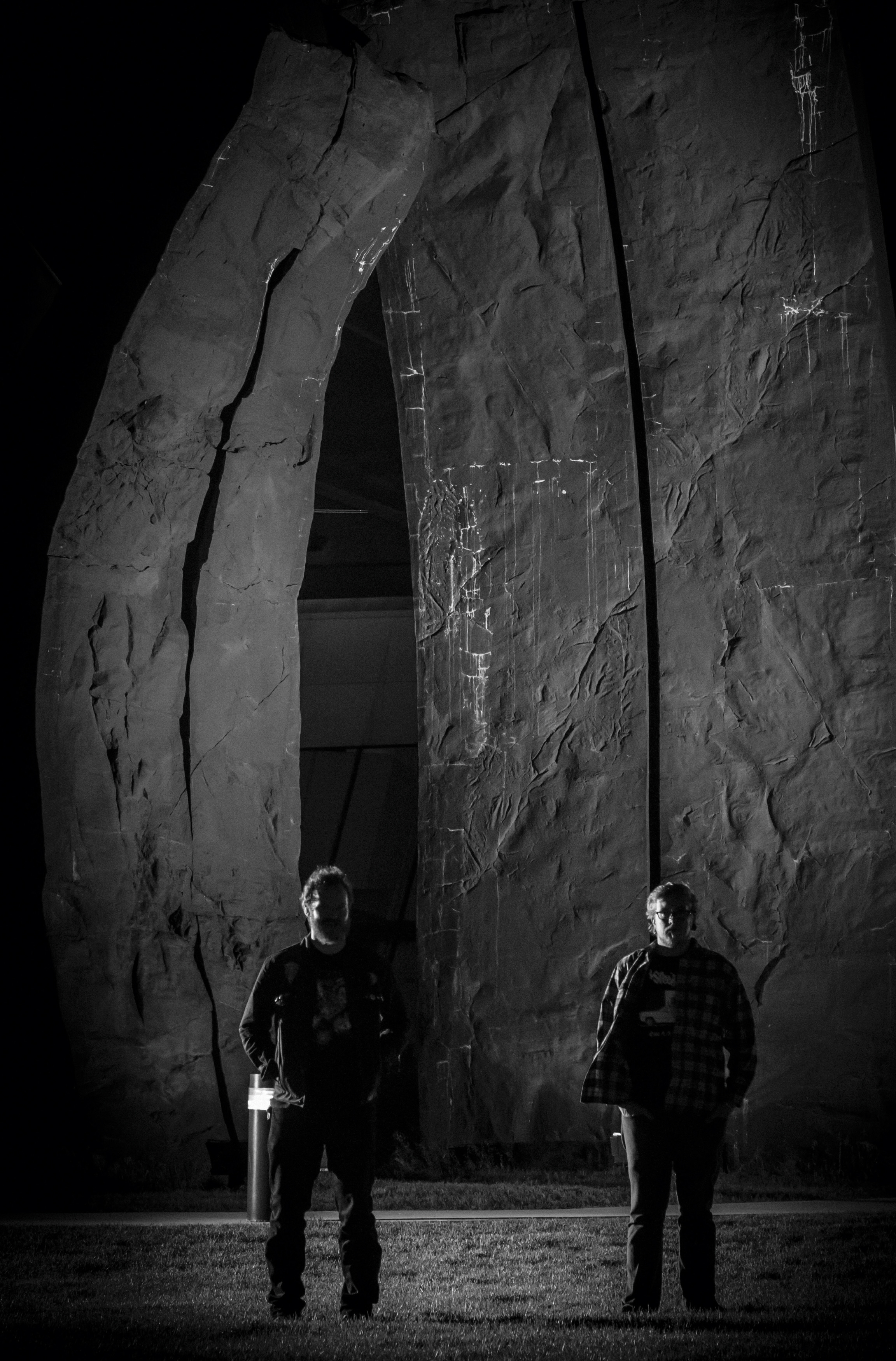
Sweden’s Trial inject passion, energy into their traditional metal on second album ‘Vessel’

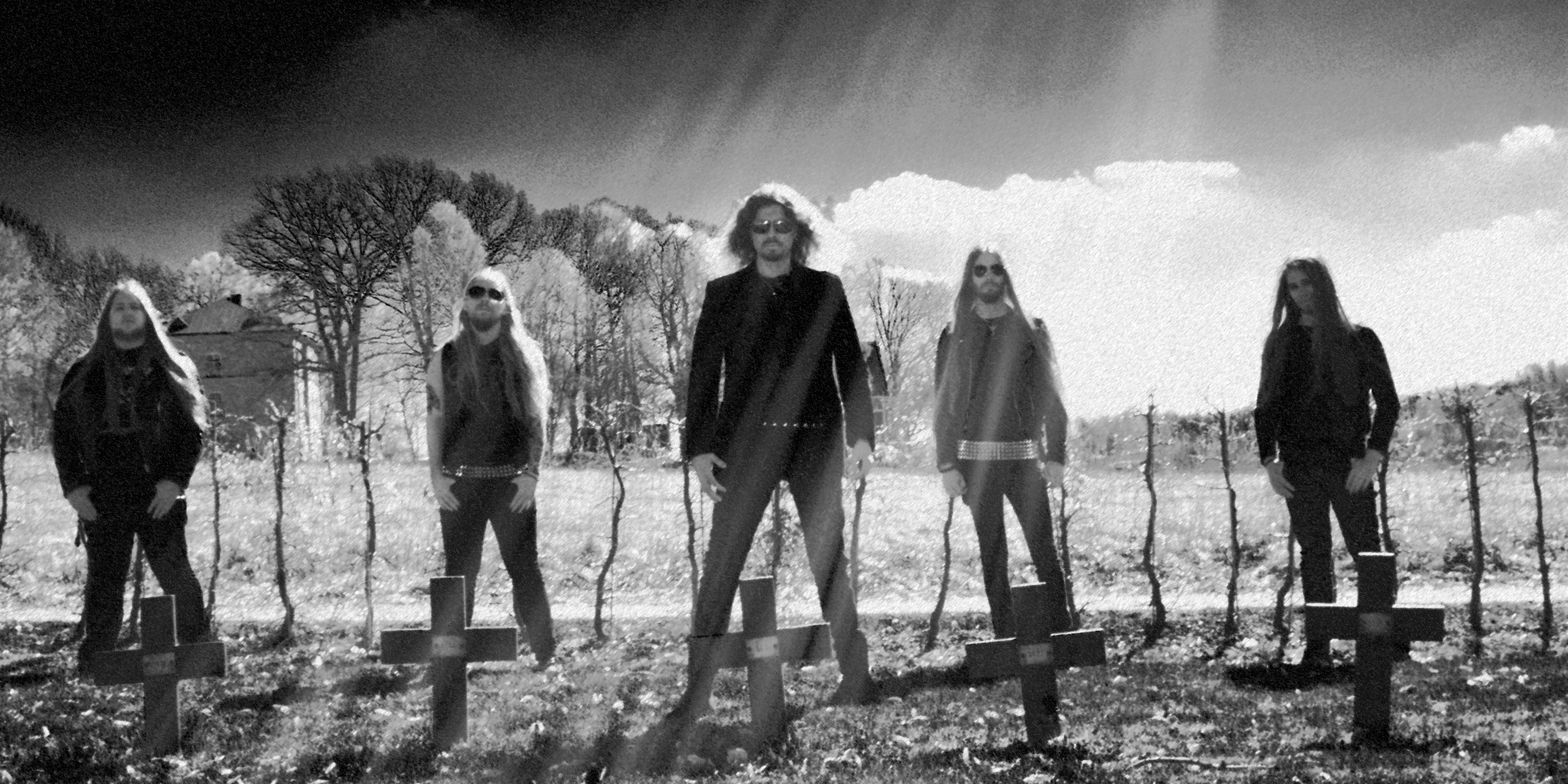
Trial bandOver the past few decades, the form of music we all love has been divided into a million sub-genres that it’s so hard to describe to a newcomer what particular bands even sound like. Doom, black metal, death metal, post-metal, sludge, power metal, folk metal. Everything gets its own granular classification, and there seems to be a million different ways to play this music.

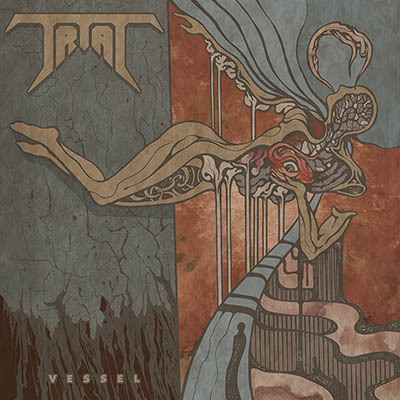
But what about tried-and-true traditional heavy metal? That’s still a thing, right? You know, the stuff bands such as Iron Maiden, Judas Priest, Helloween, Mercyful Fate, and so many others played over the years? It’s still out there, and bands try and fail to revive the classic form of metal all the time with varying degrees of success. It’s always nice when a new band comes along and shows the chops and understanding to stand alongside the pioneers in keeping the spirit of metal alive, and one of those has emerged with Sweden’s Trial. These guys are on the High Roller label, who have a whole host of groups that play the traditional style of metal, and they show a hell of a lot of promise on their thunderous second record “Vessel.”

GD30OBH4.pdfEvery member of this band is solid and has a huge hand in what makes their approach so effective. But vocalist Linus Johansson is the driver of this thing with his powerful vocals, that remind me of a mix of Michael Kiske and King Diamond (when this guy goes into his high-register repertoire, that is). The singing is emotional and packs a punch, and he’s an outright joy to hear on these seven cuts. Again, let’s not count out the rest of the band, who are tremendous in their own right, as Alexander Ellstrom and Andreas Johnsson handle guitars, Andreas Olsson is on bass, and Martin Svensson is behind the drum kit. You can hear they mean every moment of this thing, raging and bursting through these seven cuts, and they keep the traditional metal fires blazing in a way that should warm any longtime listener’s heart.

The opening title track is the shortest of the bunch, with the band setting the stage mostly, with your initial introduction to their power and strong singing that is pretty sweltering. Then it’s into the rousing “To New Ends” that erupts right out of the gate and does an awesome job galloping and stampeding towards its destination. The pace is fast and could get your blood really moving, while Johansson’s singing just bursts with life. I can’t say enough about the guitar leads as well, as they tear through everything and illuminate the entire terrain in front of them. Killer song and awesome performances all around. “Ecstasy Waltz” has a punchy open before it settles into mid tempo and starts its storytelling. The verses are a little slower, though they’re met by crunchier sections during the chorus, and there is a great build to the drama, keeping you tuned in and following each step. The cuts gets a little darker in its last stretch, with insanely high vocals piercing the calm and a cool, trippy finish closing the door. “Through Bewilderment” charges and is mashing and heavy from the outset. The leads dominate, with Johansson commanding out in front, but then the mood changes with dark slide guitar slipping in and settling the tempo. Some power re-emerges before all is said and done, but then acoustics return, take over, and pull the cut to its finish.

“A Ruined World” stomps from the start, and it’s arguably the heaviest track on the record. The vocals are tremendous and stand as the dominant element of the song, and again, some darkness enters and lets the band show a bit of the uglier side. The song kicks into high gear as it winds down, with the guitars absolutely killing and the vocals hitting near operatic range. “Where Men Become All” is a different one. Thick bass emerges and begins to bloody things, but then quieter guitars kick in, followed by soulful singing that bursts with passion. The song surges and burns, playing around with tempos, with whispery vocals slipping in and the band turning up the power in the final minutes. Closer “Restless Blood” is a 13:11-long epic, beginning calm and collected before ultimately blasting open. This is a massive dose of energy here, with every element playing a giant role in its hugeness and the song itself proving just how impressive these guys can be as creators. The cut eventually slows down, with some of Johansson’s more pulled-back, hushed singing, which is quite the departure from his usual approach. The last quarter of the song lets the guys go on the assault again, as everything sounds like a machine heading toward breaking down a castle wall, the vocals register unfathomable wails, and the closing minutes are full of blazing fury and colorful playing. What a huge exclamation mark!

This is a damn fun record that makes me think back to my early days as a metal fan and what made me want to follow this style of music in the first place. Trial are not here to be tough guys or to out-brutalize anyone or to do anything other than the play the music they love with enthusiasm and passion. “Vessel” is a great effort that should please those who grew up on a diet of Maiden and Mercyful Fate and just want a record that makes their passion burn brightly again. This record does that, and it’s a great next step for this band.

For more on the band, go here: https://www.facebook.com/TrialHeavyMetal

To buy the album, go here: http://www.hrrshop.de/

For more on the label, go here: http://www.hrrecords.de/

PICK OF THE WEEK: Finnish death shadows Desolate Shrine kill on ‘Heart of the Netherworld’

Desolate ShrineWith it being sub-freezing in many parts of the United States, and people seemingly miserable at every turn, perhaps now is as good a time as any for a filthy, damaging death metal record that will just make you feel a whole lot worse when it’s over. It’s time for us all to accept and embrace rock bottom.

Finnish death metal miscreants Desolate Shrine have bombarded our world again, offering up their third full-length record in only five years of existence. That’s not too shabby of a clip. “The Heart of the Netherworld” is their bleakest, most hopeless to date, smothering you in 63 minutes of evil, bad feelings, and enough soot to cake your lungs. But that’s what we who love their death as nasty as possible come to desire, isn’t it? We don’t turn to these sounds because we need a pick-me-up or a reason to feel bright and sunny in the morning. We’re here because we identify with the cacophony of horrors and wish to immerse ourselves in pure negativity, even if only to ensure ourselves we’re not the only ones embracing utter darkness.

Desolate Shrine coverAs bands with a cloak of mystery to them are wont to do these days, your members of Desolate Shrine go by mere initials in this project. LL is in charge of all levels of instrumentation, a yeoman’s effort considering how massive this thing sounds; while RS (Lie in Ruins, Perdition Winds) and ML (Lord of Pagathorn, The Crescent) are in charge of the horrifying vocals you hear. Certainly there is melody to be heard on these seven tracks, two of which are behemoths, but much of what greets you on “The Heart of the Netherworld” is oppressive, massive, and weighs you down like gravity exacting some kind of cruel revenge on your pathetic body. Getting up afterward will not be easy.

Any time a track is labeled “Intro,” usually you can expect a quick, mood-setting cut to get you situated and ready for what’s ahead. Not here. While the first moments are murky and feel like the opening stages of a nightmare, they begin to unload the heavy artillery so your ears are throbbing before they reach “Black Fires of God.” The track grinds open, with riffs boiling and giving off steam, vicious growling making the scene that much more frightening, and dizzying lead guitars that are bound to leave you feeling disoriented. Things begin to feel sweltering toward the end, and the final moments are oppressive and punishing. “Desolate Shrine” feels watery and creepy before the track bursts open and the violence erupts anew. Guitars drizzle like they’re splattering blood everywhere, while the tempo just crushes for the most part, leaving you drowning in mud and gasping for breath. Simply title “Death” lives up to its name, with smeary riffs rolling out over grim vocals and an assault that feels like they’re hacking away with industrial-sized meat cleavers. The riffs dominate, while the vocals trade back and forth between guttural growl and unkempt shrieks, building the intensity until the whole thing hisses out.

The second part of the record contains our two epics, beginning with 14:40 “We Dawn Anew,” a track so compelling the time just flies by. Keys drip, giving off a feel of elegance, and there’s a heavy chill in the air until the song bursts open and begins pouring out its lava. Much of the pace is slow driving and drubbing, as they just thrash away, and at times it feels like the band is forming a vortex and trying to lure you into its void. The song goes clean and cold at one point, returning a feeling of chilling ambiance, but the track explodes again, with mean and callous growling and noise-fed pounding that keeps killing until it all finally fades away. “Leviathan” begins ominously before pushing into a devious groove that feels muddy and abrasive. The growls are coated in blackness, the song is built on massive chugs and carnage, and the song ends with a mind-altering gasp that could feel like it’s triggering an out-of-body experience. The closing title cut runs 12:48 and ignites immediately, with the drums crushing, the riffs just slightly off balance but fiery, and the growls sounding like those that could damage the vocals cords. The track enters a hazy phase, with the vocals registering charnel warbling, and though the band returns to heaviness again, it are these numbing pockets that really grab your attention. The vocals continue to deteriorate into a bloody belch, while the guitars bubble over with doom tar and the finish takes you into a calm corner where you’ll struggle to decide if the beating is over and you survived or if you’re about to succumb to your injuries.

If you were hoping for an early-year ravaging, Desolate Shrine are more than happy to oblige you. “The Heart of the Netherworld” is the band’s most massive, unforgiving effort to date, and there’s barely any room to breathe with all the smoke created by their heathen fires. This band has no interest in your well-being and only are invested in destroying your will. They do that over and over again on this record, and they will absolutely own you once this album comes to an end.

For more on the band, go here: http://www.facebook.com/desolateshrine

To buy the album, go here: http://www.darkdescentrecords.com/store/

For more on the label, go here: http://www.darkdescentrecords.com/

Ghoulgotha unleash death and doom punishment, grasp bloody roots on ‘The Deathmass Cloak’

GhoulgothaThe idea that classic doom and death metal are rotting, stinking corpses can have a few connotations. First, it could sound like those styles of music are dead and decaying out in open space, choking listeners with the stench. Or, and most accurately, it can mean that the true spirit of these forms of music are as vital and punishing as ever, even if their guts are sticking out and spilling on the floor.

Slithering, hulking band Ghoulgotha are committed to keeping alive the early spirit of doom and death metal, especially when those forms have crossed paths, with their debut record “The Deathmass Cloak.” Their name is a takeoff on Golgotha, the place where Jesus was crucified that translates to “place of the skull,” and that whole thing is depicted in great horror on the cover of this killer piece of work. So there’s your connection, as the band says it is paying homage to the “old skull” of death and doom metal, which they do with great power and ugliness on this 10-track, 53-minute effort.

Ghoulgotha coverAs for the forces that comprise Ghoulgotha, they have had hands in similar efforts elsewhere and make up a beast that has proved it can get as heavy and grimy as need be. Included are vocalist/guitarist W. Sarantopoulos (you know him better as Elektrokutioner, who has added his filth to bands such as Encoffination, Father Befouled, and Decrepitaph); guitarist/bassist I. Mann (Void Ceremony, Weightlessness); and drummer C. Koryn (Ascended Dead), who form a fantastic, gooey bond and who have no qualms drubbing and horrifying you for nearly an hour. This stuff is made for those who want their death and doom as dusty and decaying as possible, and their stuff actually would be perfectly suited for the middle of autumn, when nature begins to die and fade away.

“Solar Awakening” is a strange, obviously cosmic-sounding intro cut that lets noise blend and warp, leading into the first proper cut “Gazing Into the Melted Night.” There, a burning doom riff greets you at the gates, with mean lurching and massive punishment being distributed right away, guttural growls that become a hallmark of this record, and moody, melodic playing designed to suck you in and keep you there. “A Neck for the Nameless Noose” conjures grim imagery and is built on sorrowful guitar, throaty vocals, and slow-driving morbidity, making you feel every ounce of the horror on this song. And there is plenty to be had, by the way. The final moments get a little more vicious, with the band going for your throat and driving you to the ground. “Austere Urns” opens with some glimmering doom guitar lines, like green neon cutting through a roomful of smoke. The band eventually settles into a groove that should mash the hell out of you, with more ferocious growls, slithering madness, and total soot. “Saturnal Rites” has a dizzying beginning, making your brain spin with what’s going on, yet they eventually delve into the muck and cover everything with dirt again. Strong melodies are unleashed at the same time, but the absolute drubbing they dish out cannot be avoided.

“Prophetic Oration of Self” is full of damage and mauls slowly, with power bleeding, slow, raspy growls telling the morbid tale, painful start-stop thrashing that leaves you sore, and gloriously dark lead guitar work that casts a heavy shadow over everything. “Arteries Unblest” maintains that anguished, brutal assault that travels in the dirt and drags you along with it. This is a display of pure, total doom, and a heavy exercise in the grittiest of sounds, though it segues into a section of acoustics that allows for oxygen to return to your lungs. It doesn’t last, as the band rips the song open again and pours fuel on the already blazing fire. “Citadel of Heathen Flesh” is kind of quick and to the point, at least compared to the rest of the record. The track trucks pretty hard, with ugly vocals over top and a finish that drowns in a haze of noise. “Cartilage Imperfect” is crunchy at the start, with weird riffs that perplex and growls that are crawling with monstrous intent. The riffs are a strong point, which isn’t a shock, and the end is wholly devastating. Closer “Levitate Within the Curse” is the longest of the bunch at 11:40, and it’s one hell of a strange trip. The guitar work feels like its melting and dripping blood everywhere, with the melodies coming off slurry and the vocals coming in feeling gruesome. The pace changes a lot during this cut, from more mashing and straight-forward, back to drunken staggering, and back again. The last quarter of the song slips into science lab blipping, giving the song a chemical feel, but that slips into crazed fury, outright violence, and meaty thrashing that eventually comes to an abrupt, surprising end.

Ghoulgotha’s devotion to the poisoned roots of doom and death metal is admirable, and their debut “The Deathmass Cloak” is the first must-hear debut of this admittedly really young year. There is so much to be excited about, from the grainy transmissions to the putrid heaviness to the overall appeal of their diseased display. This record is both dangerous and a ton of fun, one that’ll have you checking each corner of your rooms for any abandoned skin and bones you may have forgotten you left there while in this band’s grip.

For more on the band, go here: https://www.facebook.com/ghoulgotha666

To buy the album, go here: http://www.darkdescentrecords.com/store/

For more on the label, go here: http://www.darkdescentrecords.com/

Mysterious death/black metal creatures Gnosis rise up with entrancing ‘The Third-Eye Gate’

GnosisThirsting for knowledge and understanding helps us get closer to the subject matter sitting in front of us or eating away at our psyches. You get those things now and again that gnaw at you and that you want to keep digging at despite how futile your effort might be. Sometimes you just have to settle for what you can gather.

Fitting and funny that the very thing I described has haunted my introspection into Florida death/black metal beasts Gnosis. Yeah, they have some online presence, though it keeps you at arm’s length, and even the information contained in their bio only tells you enough to know what you’re hearing, and that’s about it. Hell, they don’t even have a profile at Metal Archives so we can peruse the members’ other metallic activities. So instead, we must rely on the music contained on their debut album “The Third-Eye Gate,” released by renowned, revered underground label Nuclear War Now! Productions. The music itself was part of what wanted to help me learn more (other than my obsessive tendency to try to fill these pieces with as much info as possible) because this record doesn’t sound like your everyday death and/or black metal record. There’s a lot going on here, and it can be downright perplexing to handle in one sitting, though that is recommended.

OLYMPUS DIGITAL CAMERAThe band’s members go by mere initials, with J.S. on vocals, A.F. on guitars, C.R.C. on bass and synth, and C.V. handling drums. Gnosis’ sound certainly comes from the catacombs of death’s origins, as there is nary a concern for sounding modern or polished, yet there is a creativity behind these songs that makes you realize they’re not just going for a bludgeoning. They’re here to dizzy and haunt you, nearly drown you before yanking you to the surface, and leave you guessing as to what weird turn they’ll take next. It is brutal, don’t get me wrong, but it’s just as stunning from an artistic standpoint. Get ready for a really involved, demanding listen.

We begin with the sound of water dripping, almost as if you’re lowering yourself into a dank, humid basement, and then you’re met with “Primaeval Light” that is lathered in strong lead guitar work, raw growls and howls, and some tricky playing that will make you take notice. There also is a rawness you can feel in the splattering drums, the sense of doom, and the primitive death that crushes you right up until the end. “The Plague of Azotus” starts with some speed and grim vocals that pull you head on into the chaos. There is a weird catchiness over the chorus that could get inside of you and that might come as a surprise. But that hook then returns you to morbid melodies, pained wails, and a final minute that pulverizes bones. “Temple of the Sea” starts off fast and sweltering, with guitars racing but also muddying the ground, the vocals sounding infernal and scorched, and the drums admirably keeping pace amid all of the storming going on around them. The final moments feel rather mystical at times, like a fog is rising up to pull you into the next realm, which contains “Chariot of the Sun-Moon.” There, a fury meets you at the gates, but eventually the band settles down into a groove, with the vocals sounding pained and evil. The band breaks out into a full-on assault, as they unload vicious thrashing and a break-neck tempo that really could agitate your muscles.

“Cult of the Great Serpent” is as dark and sooty as you might gather from its title, with strong riffs standing as the foundation and demonic growling piling up to add to the sense of fright. The melodies lurk like prowlers, while foggy keyboards emerge behind the density and add an element of classic horror. All along, J.S. calls on dark energies and sources to rise up and enact its will on the Earth. “Lotan’s Dwelling” has a prog-style opening, as the melodies noodle and splash about before the whole things submits to devastation. “The world will lie asunder!” is howled as razor-sharp soloing emerges and creaky but catchy vocal melodies cause a whirlwind of power. “Apzu Tiamatu” begins aggressively and with a nice burst of speed, tearing into raw vocals, drums that tap heavily, and cataclysmic darkness delivered on the strength of the guitar work. Up next is “Gnosis” making them the latest metal band to have a song that’s the same as the band name. It’s a scorcher, too, as the music has a bit of a punk feel to it, the growls are as gruff as anywhere else on the record, eerie strangeness arrives later like a storm cloud, and the final moments get nasty and mess with your mind. The closing title is almost like an outro, with the keys leading the way into the murk, beastly vocals sneaking behind, and an overall morose sense spilling over, leading you down a dark path from which you may never return.

OK, so we don’t know a damn thing about the shadows behind this project, but what does that matter? Gnosis’ style is enough to enlighten us to what they’re about from a musical standpoint, and “The Third-Eye Gate” is an awakening of an experience that announces this band’s arrival and gives the world another fresh monster that remembers what made death and black metal so crucial in the first place. This band will help you understand metal in a way many people have forgotten over the years, a way that will help open us your senses.

For more on the band, go here: https://www.facebook.com/gnosis.fl

To buy the album, go here: http://nwnprod.com/shop/

For more on the label, go here: http://www.nwnprod.com/

In the Company of Serpents deliver heavy sludge, doom groove on ‘Merging in Light’

In the Company of SerpentsAs eager as we are to tear into the stockpile of 2015 releases we have overwhelming the Meat Mead Metal inbox, there’s still one more record from 2014 pulling us back. And rightfully so, because this slab is jam packed with power and is something we worry may have gotten lost in the December mix.

Just a few damn days before the Christmas holiday, Denver doom crushers In the Company of Serpents unloaded a three-track assault “Merging in Light” that will wallop the hell out of you. In fact, we initially came to know of the band when they sent us their self-titled 2012 release, featured in our first-ever reader submission column. As good as that collection is, the band’s just gotten heavier and mightier as time has gone on, with an extra helping of dirt and grime smothered over their work for good measure. Their riffs are meatier and more vitriolic, and their overall presentation has grown but still maintains a rawness that keeps them grounded and cataclysmically crushing.

In the Company of Serpents cover“Merging in Light” is the band’s first effort since 2013’s “Of the Flock,” and it finds the duo—guitarist/vocalist Grant Netzorg and drummer Joseph Weller Myer—throwing all kind of racket everywhere. The three tracks, produced by Dave Otero (who worked with Nightbringer, Primitive Man, and Cephalic Carnage, among others), should be enough to get your blood boiling while cold, frigid weather chaps at your face and leaves you shivering for protection. This shit is heavy as hell. I know that sounds simplistic or obvious, but it just is. Massively so. This is a record every doom and sludge lover should go grab right now, because you don’t want to miss out on this filthy monster.

“Breed, Consume, Die” is a devastating opener, one that should already have you feeling nice and rumbly inside from the first seconds. Strange clouds of feedback waft over you, leading into an awesome doom groove that’ll make you want to throw concrete through a window. There is a heavy Sabbath aura in spots, especially in the massive riffs, and the track trudges and crushes you, destroying in the trenches musically, while Netzorg’s massive roars feel like violent admonishment. “Third Mind” keeps the machine moving hard with devastating crunch and powerful clubbing. The vocals are corrosive once again, and there’s even a devious heaviness to what’s going on here, as the bruising melodies get inside you and burn hard. It’s an awesome bit of thrashiness.

Closer “A Union of Opposites” runs 9:40, the heftiest beast on this effort, but it starts on a much different note with some bright shimmering. It’s short lived as the bottom drops and pretty much gets ripped out, with smothering grooves setting in, doom fury making its presence known, and the vocals once again sounding nasty. The guys just whip the shit out of you on this cut, offering zero mercy and letting blow after blow be delivered to your face and body. With about two minutes left, the guys start grinding the gears more slowly, though no less heavily as they keep the pressure and might building until they finally relent their grip and let you breathe again.

In the Company of Serpents are well on their way to becoming one of the underground doom scene’s most furious bands. They have a nice collection of releases under their belts, and as “Merging in Light” goes to prove, they keep sharpening their weapons and refining their assault. It’s only a matter of time before this band is on more people’s minds, and you’re going to seem like a really smart person if you’re up on this band before all your slow-moving friends. You won’t be sorry, though you might be sore.

For more on the band, go here: https://www.facebook.com/InTheCompanyOfSerpents

To buy the album, go here: http://inthecompanyofserpentsdoom.bandcamp.com/

Darkher, Vyrju defy patterns, put their own personalities into respective debut releases

DARKHER_LBP5.2

Darkher

I have no complaints about 2014 here at Meat Mead Metal. We had more readers than ever before, we covered a ridiculous amount of music, and we got to take some incredible trips to see some killer bands and hang out with people we mostly only had interaction with over the Internet.

But it’s 2015 now, so we close that book and look forward to what this New Year brings us. We have some things planned we’ll unveil over the next few weeks (hint: we’ve been lax is covering one of the words in the title of this website, which we will remedy), though for the most part it will be business as usual. But before we get there, we have to go back and give some time and love to a couple of smaller releases from the tail end of last year that we didn’t get to cover. Truth be told, one of these came to my attention late in the year, while the other had been sitting in my inbox waiting for me to finally discover it. Both are exciting, forward-thinking groups that refuse to paint by numbers and make me excited for their respective futures.

DARKHER_EP_SQUARE_for_promotionDarkher is a project that is an intriguing, haunting trip through the mind and artistic spirit of Jayn H. Wissenberg. The West Yorkshire-based artist offered up her debut EP “The Kingdom Field” late last year in Prophecy Production, and it’s an effort that should excite those who rely on that label’s great ear for talent as well as other musicians such as Chelsea Wolfe, PJ Harvey, and Marissa Nadler. To call the record merely neo-folk would be selling it short. There is that element on these four tracks, but you’re mostly getting ghostly transmissions, sold beautifully by Wissenberg’s entrancing voice, that sound like they were delivered by lost souls in the dead of night. With each visit, I feel like I’m traveling down a lonely stream, in a boat that fits one, with only the moonlight to enlighten my way.

Fittingly, the first track is called “Ghost Tears,” and it begins with eerie, chilling music that could make your skin freeze. The clean guitar work churns, with her soft vocals treading ever so gently but effectively. Cello cuts through like a knife (it sounds scintillating on headphones), energy charges, and the strangeness fades into the night. “Hung” follows and enraptures over its 6:33, with guitar work trickling and Wissenberg’s singing making your hairs stand on end. The melodies will get inside of you and move you, especially when she announces, “Here we are,” as if she’s signaling her arrival. The music is murky and foggy (seems we keep revisiting that theme), with the final moments dramatic and dreary. “Foregone” is the longest track at 7:14, with noise stinging the ears and a rather sinister-sounding guitar line grabbing hold. The drums begin to echo slowly, an element not all that present on this album, and unease starts to take hold. Layers are built on top of each other, with a strange sense of Western noir taking shape, and the song makes its rightful disappearance into mystery and the beginning moments of the closing title track. This brief, closing instrumental is the perfect come down, a chance to wake from your dream refreshed and a little perplexed by what you heard.

Wissenberg’s work is worth your while, something that might not please the tough-guy contingent among us with no imagination or sense of daring but should resonate with anyone who likes to take a journey with their music. I cannot wait to hear more from this talented musician and this Darkher project that’s made a huge impression with just one release.

For more on the band, go here: https://www.facebook.com/DARKHERMUSIC

To buy the album, go here: http://www.theconnextion.com/prophecy/prophecy_index.cfm?

Or here: http://en.prophecy.de/shop/

For more on the label, go here: http://www.prophecy.de/

Vyrju

Vyrju

When one thinks of Nordic black metal, surely the mind races back to the Second Wave and the early 1990s. And why not? That era established a sub-genre that would go on to be adored and feared, and the amount of world-toppling music that came from that country is to be respected. But in a way, that reverence sickens some minds. It’s like a black metal band has to tread a certain path, otherwise they’re not true, not real. Funny for a style of music that was set to burn the rules to the ground. Luckily, musicians such as Jan F. Lindso, who is the sole creator behind Vyrju, follows his own inhibitions, and not someone else’s. The project has been up and running for nearly a decade now, but his debut EP “Black” more than makes up for his absence from a recording standpoint. We’ll get more into this when we go track by track, but don’t expect a formulaic, all-nails record here. Lindso keeps you guessing, and these four songs are a fantastic start for this band.

Vyrju-Black-cover-RGB-smallThe album gets off to a pretty nice beginning with a dirty, thrashy groove that could make some wonder what this is all about. Then Lindso shows his hand and opens into complete devastation, with great guitar work, harsh shrieks that could rupture the ear drums, and raw, furious playing. “I am darkness, I am misery!” he howls, as the song burns hard and eventually comes to its riotous end. Killer opener. “There Is No Grave Big Enough to Take All My Sorrows” is where we start to meet some of the uniqueness of this music. Lindso was wise enough to enlist Tim Yatras (Germ, Austere, ex-Woods of Desolation) to add clean vocals to the track, giving it a richer, more atmospheric touch. Eventually, the growls come crashing in, with the lead guitar work burning brightly, melodies getting into your bloodstream, and the finish buzzing heavily but eventually bleeding into the thought-provoking “Gone.” It’s but an instrumental, and a little under two minutes, but it’s effective and darkly melodic. That takes us into our closer “The Residue of Life,” which begins with a rock-solid melody and goes into unforgiving savagery. There is killer playing that should make your senses burst, with Yatras returning to lend his soaring voice, and the tempo keeps ramping up and making you light headed with power. Everything fires hard until the final moments, when the music subsides, and the fury fades into black.

Those who can reconcile having a record collection heavy on early Darhthrone and the newer stuff from Alcest (such as me) are sure to spend plenty of time with “Black.” I love hearing black metal with an openness to it, because you never really know where the artist will go from here. The rules are to be ignored, and I love that. It’s savage enough and plenty daring, making this project one that could be an act that could blaze new paths in the future. For now, Vyrju seem content to make furious waves in the present.

For more on the band, go here: http://vyrju.net/

To buy the album, go here: http://blackforest.no/shop

For more on the label, go here: http://blackforest.no/

1. FALSE, Untitled (Gilead Media)

FALSE coverLast year at this time, I was pretty sure I knew what album was going to be the top choice for Meat Mead Metal’s Top 40 of 2015. I was lucky enough to be trusted with a way-in-advance copy of FALSE’s debut full-length effort, a record that is untitled, and I could tell from listen one that this beast was unconquerable. Sure, some steady contenders would come and go as 2015 went on, but nothing was able to top this album from its mantle. This collection of songs ran the wire from Jan. 1 to Dec. 31, 2015, as my favorite metal album I would hear all year long, and here it is, in its rightful top spot.

As many know about Minnesota’s FALSE, they do not do media. They relented and did a couple pieces for the release of the new record, but other than that, they let the music speak for them. So there isn’t an interview attached to this piece. But having seen the band–vocalist Rachel, guitarists James Claypool and Skorpian Vanderbrook, bassist Niko, keyboard/synth player Ishel, drummer Travis–play multiple times, including twice within a week this past summer in Pittsburgh, it’s evident they have no issue letting the music do the talking. Their tumultuous black metal remains front and center. But on this record some classic metal splashes were dashed and gave it the feeling of something continuing to aggravate modern fires but also had its hands in metal’s past to pay homage and try to bring those roots right into the band’s riotous style.

FALSEIf you’re familiar with FALSE, then you know that everything they do is in epic length. This record is no exception with five tracks draped over 60 minutes, every moment a complete killer. That gets started with “Saturnalia,” a track built on tumult and exploration, Rachel’s vocals twisting and turning through a fiery vortex, and the band violently slicing pathways into the mountain. “The Deluge” must be heard to be believed, one of the best constructed songs of the year that builds dramatically to Sarah Green’s blistering choral lines intermingling with Rachel’s coarse growls to create a life-altering memory. The untitled cut brings the classic metal influence into the scene full force, as does “Hedgecraft” that contains some galloping sections that would make Iron Maiden awfully proud and happy. Not to leave out “Entropy,” a track where the synth has a heavier hand and adds a nice bit of chill to a cavernous boil of murk. Each song is strong on its own, but as a whole, the package is unstoppable.

So we offer major hails to FALSE, the first band in our short history to top our year-end list twice, and a group that’s slowly making people aware of their gale-force power. Their debut record shows a band that refuses to be a servant to style or trend and has taken the dark forces that move them and twisted them into their own creation. We’ve spent a little over 12 months with this record, eventually experienced the songs on vinyl and in the live setting, and it grew with power and intensity each time. There are a handful of bands that are in the palm of metal’s future, and FALSE is the most aggressive and mightiest of those groups. (June 16)

For more on the band, go here: http://www.metal-archives.com/bands/False/3540332204

To buy the album, go here: http://www.erodingwinds.com/product-category/music/gilead-media-releases/

For more on the label, go here: http://www.gileadmedia.net/

BEST OF 2014 — 1. Thou, ‘Heathen’ (Gilead Media)

Thou-HeathenLast December, I was pretty damn sure I knew what the top album on my 2014 list would be. That may sound unbecoming of a writer and alleged journalist to decide something like this so far in advance, but I had a feeling, and the more I repeated listening to the album in question, the more certain I was.

Here we are, a little more than a year later, and no record that was released in 2014 could topple what I heard on Thou’s unstoppable “Heathen.” Before even digging into the philosophical and lyrical content, before I had a chance to see the band interpret these songs live, there was a sense of specialness you don’t get very often with records from any category of music. This was a record from a band that has slowly, in as calculated a manner possible, built their machine from the ground up. They have poured passion, anger, defiance, vulnerability, and humanity into their picture, and as time has gone on, their vision, at least to me as a listener, has come into greater focus. “Heathen” is their finest hour, and I have no doubt what they do next will conquer this one. It’s exactly what they’ve done from their 2007 full-length debut “Tyrant,” over the course of their myriad split and mini releases, and through four complete records.

Now, digging under the surface of “Heathen,” we get a scene that’s personal, dark, furious, and imagining a new kind of existence. There are the associations with sexual and personal pleasure and gratification, the state of what it means to live as a wanting, needing human in a society full of stop signs and would-be moral codes, and the grasp of this very life we have here, what we make of it, and the fact that this could be the only plane of existence we ever inhabit. What matters is what’s going on right now and what’s directly in front of us.

All of this is delivered with crushing eloquence on the wings of vocalist Bryan Funck’s lyrics that sound like long-lost poetry buried beneath the ages. Dark lines that resonate as much today as ever and will into the future. On top of that, his delivery has an urgency and bloody honesty that’s gripping and bruising. Alongside him are his fantastic band members, who keep one foot in doom’s cavernous haunts but also delve beyond that to color the music with sounds that might scare off other metal bands. Guitarists Andy Gibbs and Matthew Thudium are both elegant and relentless in their playing, while bassist Mitch Wells and drummer John Nee hammer everything home. “Heathen” is an indescribable journey created by these five artists, a record that went wire to wire in my mind and heart as my personal favorite metal album of the entire year. Gibbs and Funck were kind enough to take time from their schedule to answer some of our questions about the record, its meaning to them, and their reflections on the past year. We thank them for their participation and for a record that etched an indelible mark on our psyches.

Thou at Gilead Fest, July 2014 (Photo by Mary Manchester)

Thou at Gilead Fest, July 2014 (Photo by Mary Manchester)

Meat Mead Metal: We’re naming “Heathen” as our top metal album of 2014. It’s another cataclysmic record, one that runs the gamut of emotions and continues to defy musical boundaries. Now that the record has been out a while and you’ve had a chance to play the tracks live a bit more, what are your feelings about the album as a whole?

Andy Gibbs: Honestly, we had been playing some of those songs for a long time before recording. We played the first track “Free Will” at a show way back in late 2011 and practiced it for a while before that. For me, I tend to view the album differently once we get into the mixing and mastering and I have to listen to all the songs a million times; that’s when the nuances of the recording start becoming apparent and I notice some idiosyncrasies. We try to play songs live for a while before recording so that any changes that come about naturally can be reflected in the recording, though some of the tracks were written right before we went into the studio. Actually, one of the interludes—“Dawn”—was written right on the spot in the studio. Now that a couple of us live across the country, we have less time to demo all the songs and work those kinks out.

MMM: For Thou’s full-length albums, you’ve gone with one-word titles—“Tyrant,” “Peasant,” “Summit,” and now “Heathen.” Has that been on purpose? Why does “Heathen” properly represent what’s going on with this record?

Bryan Funck: I think that when I joined Thou, the rest of the guys were already set on calling that first LP “Tyrant,” keeping it really simple, monolithic. Or maybe we talked about it for a second, and everyone was immediately into the idea. Either way, we’ve always tried to keep the full-lengths wrapped around a single theme. We tend to use the splits and EPs as a means to experiment, and then we’ll take some of those ideas and try to apply them to the next LP.

The idea for calling this record “Heathen” had been banging around my head since we recorded “Summit” in 2010. At the time, we were thinking of working more extensively with Southern Lord, and the rough outline of those first three records was already set in broad terms as a sort of aristocracy/lower classes/subversives or sleep/death/wakefulness. So, thinking that we were going to do two more full-lengths with Greg (Anderson), we wanted to tie them all together thematically. ”Summit” is the very broad strokes for re-envisioning society and civilization, and then the next two—”Heathen” and “Magus”—are meant to hone into the people and ideologies it would take to create this new reality.

"Heathen" vinyl cover

“Heathen” vinyl cover

MMM: Thou’s artwork always is interesting, provocative, even darkly beautiful. What is it about that style of art you feel represents Thou? Also, the cover of the CD version and the vinyl version of “Heathen” are markedly different. Why did you choose to do that?

BF: When we started putting out records, we were going for something that looked “metal” but through the lens of the older hardcore stuff I was into. The Ire/Seized split, the Tem Eyos Ki LP, that Ereshkigal 7” with the (Paul Gustav) Dore images—stuff like that I thought was perfect for a metal band. We wanted to do something simple, stark, but with a lot of woodcuts. When I first joined Thou, I was writing about a lot of typically hardcore, by-the-books subjects: religion, veganism, sexism, stabbed-me-in-the-back diatribes. All of that 15th and 16th century art got thrown on a lot of those early ’90s metalcore records, so it was banging around my head a bunch. I was using it on flyers. A lot of stuff I just started stockpiling, and then when I joined Thou, I had a pretty extensive library I was pulling from.

In the years since that first “Tyrant” demo and now, I’ve slowly tried to steer us away from the overtly doom and gloom “grim” images. We’ve done our fair share of skulls and wolves and nature images at this point, and I’m drawn to more subtle nuances these days. I also love to toy with the juxtaposition of softer images with the harshness of our music. I still love a good, brutal woodcut or a grainy black and white photo. But I think bands who are really messing around with the metal aesthetic seem much more interesting. Those three Raspberry Bulbs LPs immediately come to mind.

As far as the “Heathen” art goes, we always change it up between the CD and the LP. We could probably have made it work for both formats, but I like having two or three versions to play around with, something like variations on a theme. I like having them offer up something a little different to the audience’s take on the album, though that interest is at war with my extreme hatred for the collector fetish.

MMM: Musically, Thou are tough to classify. Yes, doom could be considered a base. But there is so much more going on beyond that. It’s such a clichéd question to ask about influences, but how did the band come to such a diverse sound that can include doom, indie rock, post-metal, and other styles of music even in one track?

AG: It wasn’t a conscious choice.  In my experience, the more you deliberately try to apply different elements to your music, the more forced it sounds. It’s why so many bands sound like “Band X” mixed with “Band Z.” With Thou, we started from a very general base of “heavy melodic riffs,” and then things just kind of took shape from there. Every different turn in our music is the result of one of us sitting at home noodling on guitar and deciding that something sounds cool enough to present to the band. Matthew and I have a pretty good feel for what’s “acceptable” to bring to practice, and that standard is what defines our band, however murky that standard may be. It’s funny, because when I listen to older songs of ours, I often wonder if some of those riffs would pass the test at practice now.

BF: I think part of it also is that we’re all fairly balanced individuals who like a wide variety of music. I think a long time ago we gave up on trying to do a “metal” band in the traditional sense. We just write music that we feel fits with our sound as a whole, regardless of whether or not someone outside of Thou is going to think it’s heavy enough or think we’re trying to add some new dimension to metal. It’s about writing music that we all care about and enjoy and still fits in the Thou box.

MMM: Lyrically, “Heathen” feels like a very human record. A lot of push and pull, encouraging real human experiences both positive and negative, defying guilt that can be associated with pleasure. At least these have been my interpretations. What are you digging at on “Heathen,” and how do these themes interact with the rest of Thou’s songs/albums/releases?

Bryan: That’s great to hear. “Heathen” is essentially about the human experience in the present tense as it’s recognized by the senses, without the weight of self-recrimination or any inner dialogue, pretty much to the point of disavowing philosophy and ideology. There’s definitely a celebration of pleasure throughout the record, but also of pain. And there’s a fair amount of nature worship on there, but mainly as it reveals our relationship with the physical world.

All that being said, the next LP should be in the exact opposite direction!

MMM: “Immortality Dictates” is a particular revelation for me as a listener. From Emily’s vocals, to the beauty and agony musical dynamics, to one of the finest lyrics on the record, “And you know that I love you, here and now, not forever. I can give you the present, I don’t know about the future.” It’s beautiful and sobering. Give some insight into this song and where it comes from.

AG: Musically, it’s something I was just kind of jamming with at my house in Oakland. We knew we wanted to get Emily on one of the songs, and the intro to that song seemed particularly fitting. Emily didn’t record her vocals until a few days after we’d finished the tracking, so the first time I heard her contribution was on a rough mix after I’d already flown back to California. It really went beyond anything I’d had in mind for the song.

BF: Sometimes I’ll start writing a song based on a title I like. That one is a play on an old Earth Crisis song. Lyrically, the majority of that song was probably influenced by Wolfi Landstreicher and Catharsis. Those last lines are a straight up rip off of Eddie Vedder riffing over the end of a live version of “Daughter.” But he might’ve pulled those from somewhere else too, haha.

MMM: Thou were the headlining act for this summer’s Gilead Fest. It felt like such a fitting culmination for a weekend that, to me and so many others, was such a special, communal gathering. What are your thoughts looking back on that weekend?

AG: That weekend was one of the highlights of my life. I’m not sure I can even put it into words, but I’ll try. The main thing that struck me was the realization that this wasn’t just a fest with a bunch of like-minded bands, but rather a real community. I realized that all the bands performing were full of people that I actually enjoyed being around, whose music and thoughts on music were worth listening to. And it’s not just the bands. There were plenty of journalists, photographers, and fans of the music hanging around and engaging with people. The barrier between performers and audience just wasn’t really present. I also realized that the majority of the attendees watched literally every band. The crowd never really thinned out, which I think speaks to the quality of music Adam Bartlett is willing to endorse.

BF: I generally hate shows with more than two or three bands, and fests are the absolute worst. But Gilead has been a wonderful experience both years. Lots of great people involved in every aspect. Andy has it completely right that there’s so much crossover, and it’s fabulous. Adam is around hanging out or yelling at people, Tucker is running sound, Adam’s wife and mom are working the door. It feels much more like a homespun DIY punk festival than a mostly metal thing, despite a lot of the folks’ obsession with wearing exclusively black clothing.

MMM: The band has had a long-standing relationship with Gilead Media, but also a ferociously independent DIY philosophy. First, talk about what the Gilead union means to you. Second, talk about the importance of remaining so vociferously independent.

AG: Gilead consistently reaffirms my faith in DIY labels. I think what makes us a good match ideologically speaking is a commitment to both an anti-corporate DIY mentality and absolute quality control over art. But above that, we just like to deal exclusively with people that we think are solid folks. When we met Adam back in 2008, we hit it off immediately, and I know that I count him as a friend before considering him a business partner or whatever. This is also the case with virtually all of the other labels we deal with like Robotic Empire, Vinyl Rites, Vitriol, and plenty others. Actually, I talked to Bettina from Thrill Jockey for a long time at Gilead, and it made me even more excited to be working with them on the Body collaboration (“You, Whom I Have Always Hated,” due Jan. 27.).

BF: Although I personally love the sometimes militantly anti-capitalist nature of DIY culture, as a band I think it applies to us in a much more practical sense in terms of our control over the music and art as a whole. I never really understand bands who are hands off with any aspect. I mean, a lot of this stuff is tedious and doesn’t necessarily fit everyone’s vision of playing music and “rocking out, bro,” but it’s all part of it. So to give up ownership/responsibility for even something as “miniscule” as an advertisement that’s getting shot out to represent your art, I just can’t even wrap my head around that sometimes!

For more on the band, go here: http://noladiy.org/thou.html

To buy the album, go here: http://www.gileadmedia.net/store/

For more on the label, go here: http://www.gileadmedia.net/
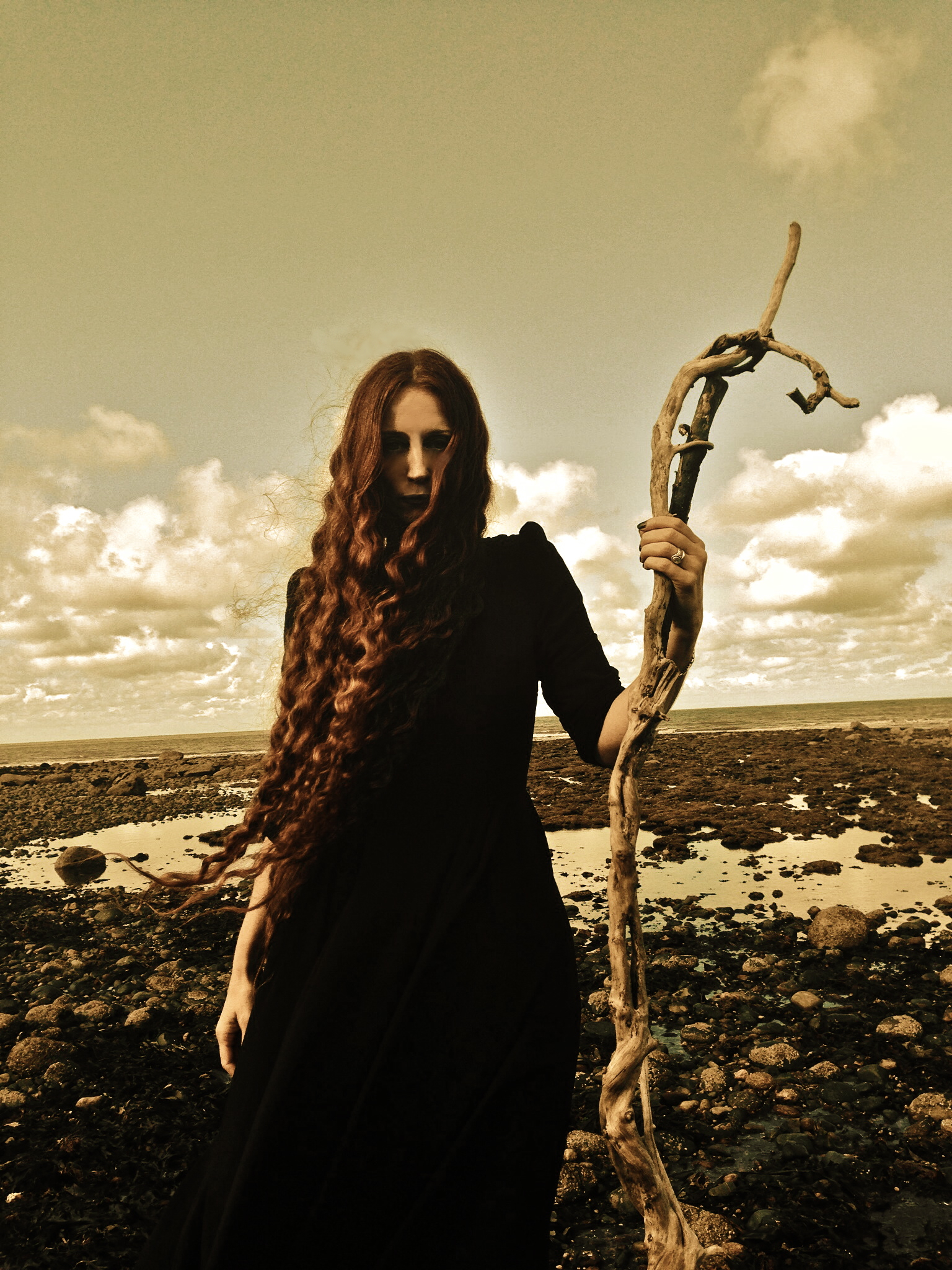
BEST OF 2014 — 2. PANOPTICON, ‘Roads to the North’ (Bindrune Recordings/Nordvis)

Panopticon cover
Anyone who doesn’t think metal is a personal endeavor has not been introduced to Panopticon and its creator Austin Lunn. Over the course of this project’s existence, it has touched upon and exposed subject matter that would make most black metal “enthusiasts” scoff, such as the heavy toll paid by those who depend on social services and the plight of Kentucky coal miners.

But Lunn is not your average musician, nor does he adhere to some archaic formula for what must embody black metal, or metal for that matter. Here is a man who cares for his fellow person, who hurts at the mention of injustice, and who takes great pride in pouring himself into each ounce of his music. This is a major reason Lunn’s work here in Panopticon and elsewhere has meant so much to me. I feel like, here’s a guy not afraid to put himself out there. Here’s a guy who can stare down the people who demand a certain aesthetic and approach from black metal and doesn’t blink. He follows his own path and sees his vision right up to the end. An honorable man. Metal could use more people like Lunn and more bands like Panopticon.

“Roads to the North” is a record that just stomped on my heart from the start. It’s a document that I had an easy time absorbing because of my admiration for Panopticon’s body of work but also took me a little further than usual. Here, Lunn documents major changes in his life and his journey away from his longtime home and friends in Kentucky and to a “strange land” in Norway, where he started to follow his path toward becoming a brewer. If you’re not familiar, read our review here https://meatmeadmetal.wordpress.com/2014/07/25/pick-of-the-week-panopticons-lunn-documents-life-journey-on-great-roads-to-the-north/ where you can learn all you need to know. Lunn assembled musicians with whom he is close (including members of Waldgefluster, Obsequiae, Celestiial, Altar of Plagues, and many more) and what resulted is a transcendent experience you must hear to understand. This isn’t just a record. It’s a snap shot—his words—of a time in his life that was existence-altering. Lunn was kind enough to answer our questions, and in a way on he could, impart his humanity and humility into the responses. We thank him, not just for his answers, but for his music that has changed the way we hear metal.

Meat Mead Metal: We are naming “Roads to the North” as the No. 2 metal album of the year. It seems this album really has resonated with people not just as a great metal record but also emotionally. How does that make you feel both as an artist and a person?

Austin Lunn: I’m not sure how to react to it all. I make music for my own sake, as a way to process my thoughts and feelings. So when it resonates with other people, I have a myriad reactions to it. I often get really embarrassed or hyper critical of myself, like maybe I could have done better. But then I remember that it’s best to “come from the heart” and play like no one is listening, as Mr. Guy Clark said.

MMM: With Panopticon’s past records, you have concentrated a lot on social issues and topics such as the plight of Kentucky coal miners. But on “Roads to the North,” you’ve created a very personal portrait, an intimate look into a period of your life where you went through a major journey and transformation. Why did you decide to reveal so much of yourself on this record?

AL: “On the Subject of Mortality” was also an intensely personal album, as was both “Social Disservices” and “Kentucky.” The album takes a stance that is less about social commentary than the records before, and yeah, I am done for the time being with social commentary. But as in the past, I still remain an introspective person who deals with my own troubles and thoughts via music. I think I am trying to find a place of peace and calm with music these days. I am attracted to music that is inspired by location, inspired by nature, so that is what I am striving for, to reflect the land I tread, places that are dear to me, and the seasons that inspire me.

MMM: You continue to meld traditional American folk music into your sound on “Roads to the North.” Do you consider this a permanent aspect of the project’s sound now? Could you add even more musical elements into future recordings?

AL: I’m not sure if that will be permanent. I am just trying to follow the inspiration while I have a hold of it. Who knows what is to come?

MMM: There is a long section in the middle of the album that is “The Long Road” triptych. It’s quite the journey you go through as a listener on those tracks, and I can only imagine what you put into that from your standpoint. Explain as much as you care to what portion of your transformation we’re at during this point of the record. It feels like things are coming to a head.

AL: “The Long Road” is a love song of sorts. The instrumental section is an auditory snap shot of my last night at my house in Louisville. That house was a gathering place for my crew. We drank thousands of beers in that house and around the fire pit over the years, so “One Last Fire” was about splitting and burning the rest of my  firewood, drinking as many beers as we could, and building the fire a big as we could late into the night. It was our “last” hurrah.

“Capricious Miles” is my thank you to my Louisville friends. It’s a promise that I will return home as much as possible. And I do. “The Sigh of Summer” is very personal. It’s about feeling so goddamn alone in a new place. Standing around a new fire pit on the cusp of autumn with new people I don’t know, drinking beers that aren’t regionally available back home. It feels like going through the motions. Trying to find the ease and comfort of friends now in my 30s is a fool’s errand. My family and I have had to grow accustomed to our life changes, and there have certainly been some unanticipated growing pains.

MMM: “Norwegian Nights” is one of those tracks many black metal-style bands would not attempt. It’s tender, vulnerable, and a very human moment. Talk about that track and what it means to this album.

AL: It is another snap shot. I wrote the bulk of that song when (his wife) Bek and I were living in a one-room cabin at the edge of Drammen, Norway. I was a month into my internship. We were living in a foreign land, getting used to the way things worked over there. It was a lament to changes and changes to come. Musically, it is very inspired by Blaze Foley and Townes Van Zandt, who have been big inspirations to me over the past years.

MMM: Ultimately, how do you feel about how this record has been embraced by metal fans, and how do you feel it stands as a milestone in your career? Could we expect more personal records from Panopticon in the future?

AL: I’m not sure. I try not to read reviews and internet stuff. People can act pretty callous when they don’t have to see the expression on someone’s face when they say negative things. On the other hand, the praise has been nice, but I have never been good at accepting compliments. In general, I just feel awkward. So generally, I just keep my head down and focus on work.

MMM: On a different note, but still related, how are things going with Hammerheart Brewing? Seems like you guys have a lot going on and things are really moving quite well

AL: I try not to wear too many hats at once. I do my best to keep my work at Hammerheart as separate as possible from Panopticon.

MMM: Hammerheart has a 98 percent on Beer Advocate. Not sure if things like that mean anything to you, but what’s your reaction to that one?

AL: I am eternally in debt  to my mentors at Haand Bryggeriet and very thankful for them. They have trained me and given me a way to provide for myself and my family for the rest of my life, and for that I feel incredibly fortunate.

MMM: What’s next for Panopticon? Considering you always seem to be creating something musically, it doesn’t seem out of the ordinary to ask if you’re already thinking of a new record. Anything else going on with your myriad other projects?

AL: I completed the work for “Roads to the North” well over a year ago. In that time (since), I have completed demos for an entire new album and will be entering the studio at Menegroth with Colin Marston sometime in the spring. The new songs don’t sound like “Roads to the North.” They are a bit more autumn-themed and melancholic. The inspiration and idea for this album came up in 2010 when I was in Norway for the second time driving near Flå (listening to The Morningside) in autumn. The mountains were golden with the sun breaking through a clouded sky. It was so beautiful. I realized that I am absolutely obsessed with autumn and needed to make album inspired by it.

For more on the band, go here: https://www.facebook.com/PANOPTICONBAND

To buy the album, go here: http://eihwazrecordings.com/distro/index.php?main_page=product_info&cPath=2&products_id=1480

Or here: http://www.nordvis.com/store/product_info.php?products_id=202

For more on the label, go here: http://bindrunerecordings.com/

Or here: http://www.nordvis.com/

BEST OF 2014 — 3. YOB, ‘Clearing the Path to Ascend’ (Neurot Recordings)

YOB coverThere is no other band in heavy metal quite like YOB. Their music is heavy and pulverizing, but you don’t walk away sullen or depressed. If you feel uplifted when all is said and done, don’t be surprised.

Funny, but there’s been a lot of talk the last few weeks, especially on this site’s comments section, about what comprises metal culture and what should and should not be. Yet, no one can question how truly heavy and metal YOB are. They don’t need to posture or drop silly references to the devil or evil or try to make other people feel unwelcome. They plug in, connect spiritually, and just blow the doors down. They’ve done that on every release they’ve put out during the past 15 years plus, and each of their seven records offers something different and explosive. Their latest, the amazing “Clearing the Path to Ascend,” is one of their mightiest to date and arguably their best work ever. After spending the last two releases with the always awesome Profound Lore, the band released this new album on Neurot Recordings (Relapse handled the vinyl version), a home just as honorable and fitting.

Guitarist/vocalist/lyricist/visionary Mike Scheidt and his bandmates Aaron Rieseberg (bass) and Travis Foster (drums) find a new volcanic level on “Clearing.” From British philosopher Alan Watts’ opening urging, “Time to wake up,” on first track “In Our Blood” through to the emotional curtain dropper “Marrow,” the band takes you on a physical, psychological journey on these four songs that run just over an hour combined. In fact, if we named a track of the year, “Nothing to Win” might take home the honors, as it’s one of the band’s most devastating, infectious songs in their rock-solid catalog, and there is never a time where that thing doesn’t get my blood charging and raise my spirits. We were very fortunate to have a chance to ask Scheidt some questions about the band’s great new record, where the YOB’s positive messages come from, and what lies ahead for the group. Long live this amazing band that just gets better the more road they travel.

Yob Press Photos 2014 - Clearing The Path To AscendMeat Mead Metal: We’re naming “Clearing the Path to Ascend” as the No. 3 metal album of 2014. It’s a fine achievement, another strong entry into the already powerful YOB catalog. Now that the record has been out a while and you’ve had a chance to play these songs live, what are your thoughts on what you accomplished with this album?

Mike Scheidt: We’re very glad you dig our new album. Gratitude! We agonized over this music, and it’s been very satisfying to have it both be a progression for what we do and to have it sit in well with our past work. The support and generally really favorable response is overwhelming, and we are blown away. We don’t have many goals beyond writing the music that closest reflects where we are at as people, and to make music that makes us really excited in our jam room. If that happens, then it’s already served its purpose for us, and we feel like we can put it out there for other folks to hear. The band has already gone so much farther than we could have imagined, that everything now is a continual trip and we feel very lucky.

MMM: The title “Clearing the Path to Ascend” is an interesting one that also seems like it fits well into YOB lore. What is the meaning behind it?

MS: It’s personal. It has to do with things I am trying to work through. The only way music I write feels like something worth going through the process of writing, recording, touring, etc. is if it’s dealing with subjects that are close to home. The flipside to that is it’s also a very nerve-wracking process that may sometimes teeter on being too revealing. But anything less doesn’t feel right for YOB. To even talk about it post-recording is arguably too much.

MMM: So many metal bands, especially in the doom circle, have violent, negative vibes to them. Understandably so. But YOB always feel different. There is a positivity, even a spirituality to the music that seems to encourage reaching beyond the dark. Even the band’s URL is yobislove.com. Do you agree with that assessment? If so, where does that come from?

MS: I love dark bands and vibes and largely resonate with them. My lyrics and vibes are geared more towards my personal hopes and growth. That includes meditation, Eastern mysticism, and positivity to help with clinical depression that consistently borders on ruining it all. That tension is where I write from, and I’m trying to get better. At the end of the day, love is what makes it bearable.

MMM: The record starts with Alan Watts’ quote, “Time to wake up.” It’s not the first time you’ve used a Watts quote, and he also speaks more during the later stages of “In Our Blood.” What does he mean to you and to the band’s philosophies?

MS: Alan Watts has been a source of inspiration to me for over 25 years. His intense humor and wisdom, deep intelligence and wit as a writer, speaker and practitioner is an amazing gift he gave to the world. He has been a part of YOB’s work from day one.

MMM: This record certainly is one that I feel is meant to be consumed as a whole. There are great, smashing highs like “Nothing to Win” (might be my personal favorite YOB song, by the way) to the closer “Marrow” that really stretches out and explores so many different dynamics. What do you hope listeners get from committing to this record as a whole journey?

MS: Our hope,, if any, is that after listening to the album, someone might feel better. Whatever that means to them. We don’t have demands to anyone who listens. For those who can climb on that trip with us, it’s an honor. For those who just dig the heaviness of the music and could care less about the lyrics that is equally great. We write and record, play shows, and give everything we have. But how it is received and heard, is very personal to the person listening or watching and as such may not have anything to do with our motivations. It is theirs, not ours. Whether someone likes it, loves it, hates it, resonates, or is indifferent, it’s all good.

MMM: This is the band’s first record for Neurot. Why was this a good home for YOB, and how do you feel about the association?

MS: As massive fans of Neurosis and their work, to be on the label they created for themselves and have their confidence is an amazing honor. The timing was perfect, and we couldn’t be happier.

MMM: What does YOB have planned for 2015? Are you looking at doing more touring? Creating new music? All of the above?

MS: We will be touring with Enslaved and Ecstatic Vision throughout March, and will add US headlining shows on that trip as well. We are very excited about that. We will be looking at some other smaller trips throughout 2015, and I am sure we will be doing some writing, but we won’t rush that. I will also be working on the new Vhol album, as well as a new solo album and a couple of new projects. It will be a very busy year.

For more on the band, go here: https://www.yobislove.com

To buy the album, go here: http://neurotrecordings.merchtable.com/

For more on the label, go here: http://www.neurotrecordings.com/