PICK OF THE WEEK: Vastum deliver disturbing, psychologically crippling ‘Patricidal Lust’

vastumHorrors has been a part of death metal from the very beginning. We’ve been inundated with images of gore, entrails, blood, skulls, you name it, and all of it is there to spark an emotion, to make you feel something morbid, to excite you for the brutality of the music. But let’s face it: Cool as that stuff is, it’s not all that realistic when it comes to everyday lives. At least I hope not.

I’ve always found the psychological horror the most captivating and most terrifying. There’s nothing scarier than what can go on inside your head and what years and years of torment can do to the body, soul, and mind. That’s one of the things that struck a huge chord with me on Vastum’s debut “Carnal Law.” On the outside, with no research, it may sound like the band is writing about sexual depravity, and they are. But not of the slasher film, skeleton-feasting-on-a-female’s-genitals kind of way. Instead, they examine what’s going on in your head, how these things can form you and warp you as a human, and the very real, very scary things that go on in this realm every day. Some people go over the edge dealing with these issues. Some turn their darkness on other people. Some suffer in the panic waiting to break.

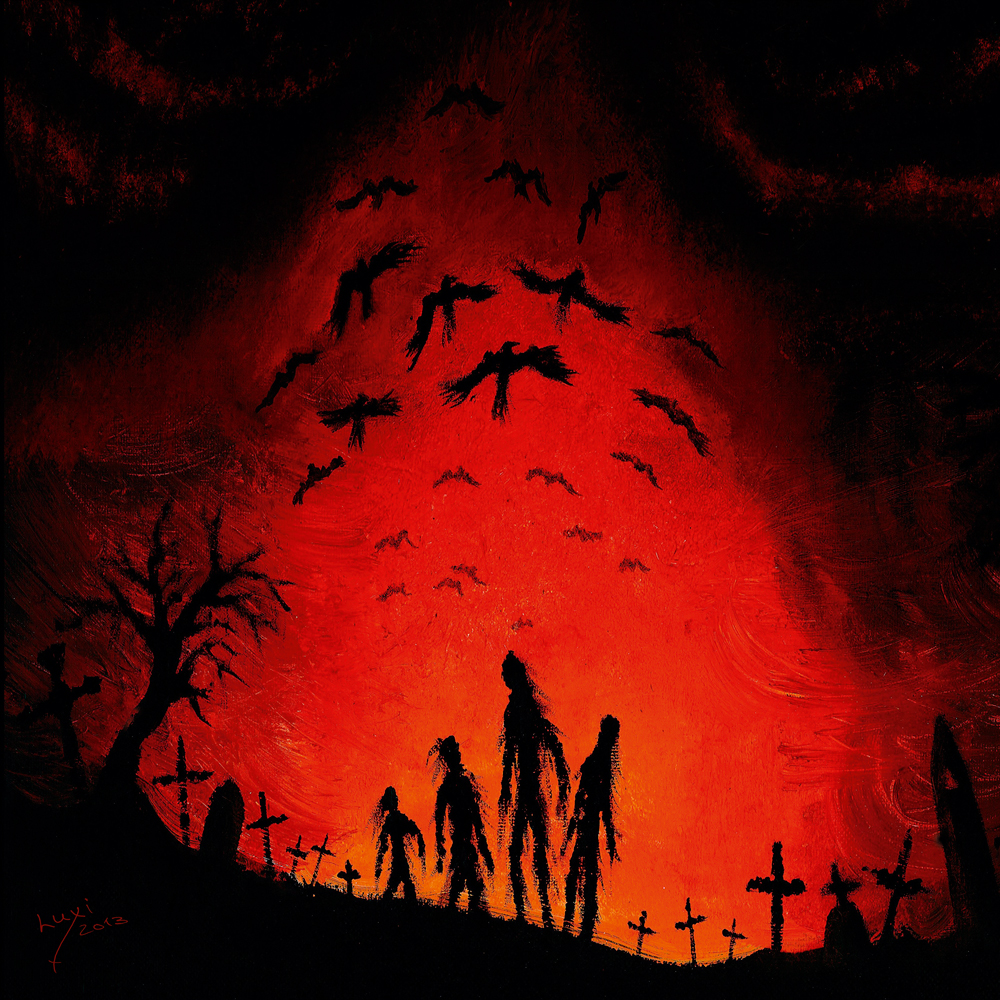
vastum coverVastum’s incredible second record “Patricidal Lust” goes even deeper into these issues. Let’s start with the title itself, something you might think is there just for shock value, to get death metal tongues wagging. But dig into the title song, what’s going on there, and the real, lifelike violence being portrayed that makes you realize it isn’t fantastical. These things happen, these thoughts occur, and even though the primary storyteller in the title track is carrying out something heinous and unthinkable to most, there seem to be very valid reasons beneath the surface. Fucked up reasons? Yeah, but that’s the point. We’re all wired differently, and there’s only so much we all can take before something that seems like the most outlandish action we can imagine becomes something we’re doing with our own hands. It’s nothing to celebrate. It’s something you should hope never crosses your mind.

That’s just scratching the surface of this record, and I encourage to absorb these six songs along with the lyric sheet to get the proper experience. It’ll make you ill inside, the portrayals of involuntary celibacy and the mental anguish that coincides with that, the guilt that is ingrained in so many of us when perverse thoughts or feelings inhabit our brains, and other real, physical suffering brought on by enduring these things, be it for real or in our heads. It also needs to be pointed out these are not pornographic songs. No one’s here to get off. But they are disturbing, probably as much as what’s on any other death metal record released this year, and  the experience is like no other. You can decide if that’s a good or bad thing.

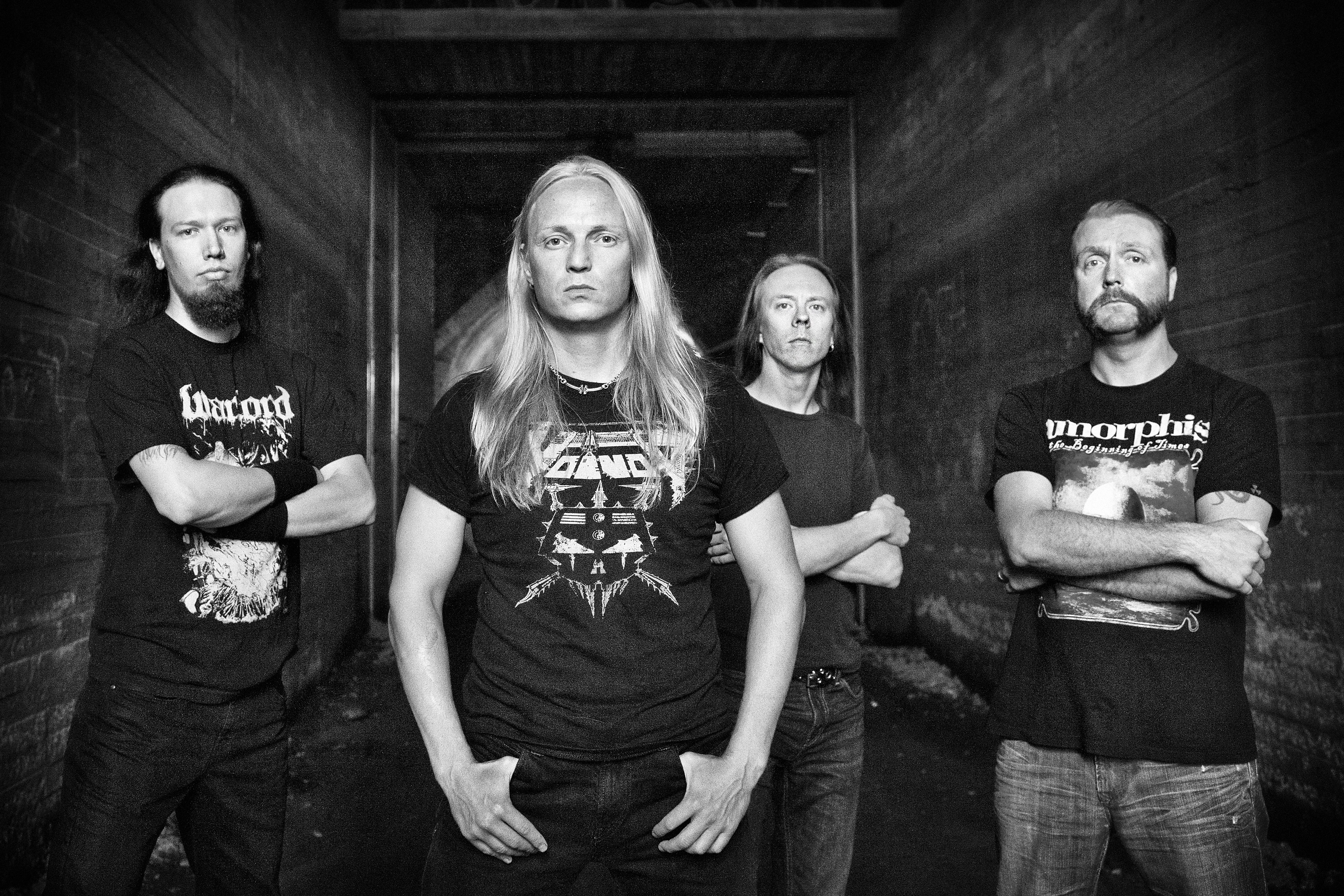
Musically, there is no question of this thing’s ferocity and power. At the front of this mighty group is Leila Abdul-Rauf (Hammers of Misfortune, Amber Asylum) on guitars and vocals and Daniel Butler (Acephalix) on vocals, as well as bassist Luca Indrio (also Acephalix, Lawless). The rest of the lineup remains in a state of flux currently, but on the record Adam Perry handled drums and Kyle House played guitar. The creative process itself was something of a nightmare for the band as their producer Jef Davis was killed in a motor vehicle accident, robbing the band of a collaborator and friend. Luckily, Greg Wilkinson came up and carried this album to its conclusion and did a damn admirable job getting the best out of the scarred, damaged songs.

“Seasons in the Claustrum (The Libidinal Spring)” gets the record off to a filthy, gritty start, smothering the thing with doom and menace, with dual vocals splattering the ugliness. Butler’s and Abdul-Rauf’s vocals mesh together brilliantly, each conveying the terrors with their own perspectives, and the nightmarish speaking that slips in at the end just chills everything over as guitars blows open the finish. “Enigma of Disgust” is heavy with guilt and dark feelings, as guitars chug and the voices add enormous punch. Lines such as, “Inherit the shame, disrobe in disgust, mask the odors of your lust,” deliver the heavy psychological burden and pain with great impact, ground under the deeply lurched growls. The guitars sizzle and penetrate, drilling into your mind and perhaps seeking that place inside of you that you’ve kept hidden and don’t want out. “3 AM in Agony” speaks more to the physical pain brought on by acting on one’s inhibitions, and maybe I’m reading this wrong, but it seems like the pained thoughts of one given an unwanted ailment by the very person they lie alongside. I get that from the mention of dysuria and the lines such as, “Drops of fire flush away from me, alone in my infection.” It writhes in pain lyrically, while musically the song hits a pestilence-ridden death groove that’s easy to get sucked into, and growls and wails that convey the pain of admissions such as, “Drops of fire slice me where I came.” Not comfortable.

“Incel” is torture of a different variety, telling of the mental torment of involuntary celibacy. This is nothing that comes from religious guilt or some sort of moral clause, but instead a total lack of connection that robs one of release. The music is fittingly suffocating and harsh, with chugging guitars dissolving into sections of abject fury that threaten to immolate. The vocals howl, the guitars slip into murk, and the track eventually dissolves into eerie shadows. The title cut is one of the most disturbing cuts yet, and one of the darkest, most morbid in the death metal annals. That’s no hyperbole. Sit with these lyrics, lines including, “Spill your seed into my father’s tears, his suffering all over my body,” and, “Emergence from his rectal cage, to breathe the stench, the air,” and you get a true sense of the terrible happenings that led to such decision. These are no “high-five your bro” style of death metal lyrics, but instead ones that should cause you to hang your head and feel sorrow for someone who had to live with such torment. The song itself is chilling and violent, with incredible guitar lines that work alongside each other like vintage Slayer, and while there is a weird warmth to some of the music, that’s really a misleading sense. The song just crushes you, and it’s the most savage thing on this record. Closer “Repulsive Arousal” is full of ghostly, horrifying reflections on undesired nocturnal emission, psychological submission, and, again, guilt. The tempo is devastating, stained with charcoal, and grisly. Once things go into sludgy mud at the end, there’s no other choice than to give in and be suffocated by the song’s will and power. Kind of like what the figures in the dream do to the narrator.

I feel like I could go on and on about this record and its themes, and I hope I haven’t interpreted anything incorrectly. But that’s part of what interests me about dissecting records like this because it gives you the torture inherent in death metal, but also something to roll around in your head to consider what it means to you. Bottom line musically is this is a savage, infernal collection that’s the second straight great effort from this band, one of the most unheralded in all of death metal. People need to know this band and appreciate their power, and even if the themes are uneasy, they are things we need to realize are real and happen every day. This is one of the scariest death metal albums of the year, and absolute must hear, and another bloody step in this great band’s tormented path.

For more on the band, go here: https://www.facebook.com/pages/Vastum/440192535391

For more on the label, or to buy the album, go here: http://www.20buckspinshop.com/

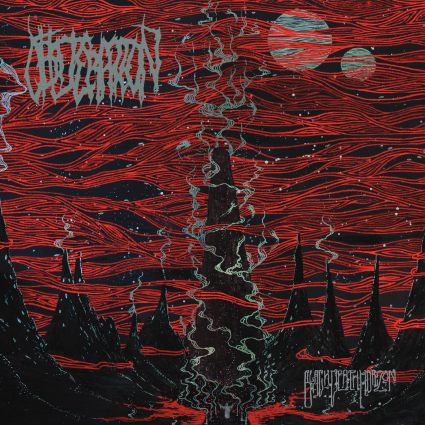
Nordic metal heathens Obliteration bring danger and menace to ‘Black Death Horizon’

obliterationHaving a tenacity and fury that’s practically physically tangible is a rarity in metal these days, which is really sad. When the seeds first were planted for death, thrash, and black metal, every band sounded like they meant every ounce, and you wondered if you met some of those people in a dark alley if you’d survive. Yeah, it was mostly fantasy thinking, but those bands made me think that way, and now most of them don’t.

But sometimes you come across a band like Norwegian death maniacs Obliteration, and you get that feeling of danger all over again. They practically explode from your speakers or headphones, like they’re carrying weapons along with the instruments, and that they could maim you at any moment. Would they? They’re called Obliteration. How perfect is that? The band has a savage essence to themselves, a raw hunger, and an untamed, heathen approach that you can feel deep inside yourself. Over the course of three records, they’ve brought back an animalistic quality that’s faded away from so many parts of metal, and their new record “Black Death Horizon” is one that grabs you by the throat and forces you to pay attention to them and adhere to their campaign. It is infectious.

obliteration coverThis fiery new document is so devastating that it has two labels behind it. Always reliable Indie Recordings is handling the release in Europe, while the mighty Relapse is putting the record out in America, which should give them a big boost domestically. If you’re new to the band, think of the finer points of Hellhammer, early Celtic Frost, Aura Noir, and Darkthrone, and you’ll have pretty good grasp of what to expect. Yet nothing can fully prepare you for Obliteration, because reading about them and actually experiencing this crew of maulers are totally different things.

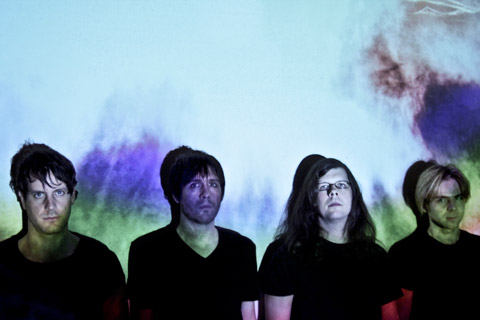
Obliteration are made up of four Nords with blood on their lips and ill intent in their hearts. Sindre Solem is on vocals, and his maniacal delivery sounds like he was unleashed from a life in the wild. He’s an insane person with his heinous growls and shrieks, and his work is one of the major reasons this record is so good. Joining him in this madness are guitarist Arlid Myren Torp, bassist Didrik Telle, and drummer Kristian Valbo. All four members are veterans of other bands, but they bring their thunderstorming best to “Black Death Horizon.”

Opener “The Distant Sun (They Are the Key)” takes a little bit to get off the ground, but that’s because the guys are building a chilling mood, with guitars churning slowly, Solem’s shouts lurching from his mouth. But then the track catches fire, gallops, and destroys, with the crazed shrieks scorching the earth as the band metes out its punishment. “Goat Skull Crown,” a track released earlier in the year on an EP of the same name, is dangerous and fast from the start, building the fury and tension, and making your blood boil. There are eerie moments, a section of chant-like singing that you wouldn’t want to hear at night while you’re outside alone, and a molten, crushing finish that ends things on the right note. “Transient Passage” is a fun one and is feverishly haunting, with doomy slime rolling down the walls, and boiling guitars creating an impenetrable haze. Of course, there’s plenty of bloodshed as well, as the playing grows more rabid and angry, and the track has a tasty old school metal vibe that warms my heart while it’s strangling it. “Ascendance (Sol Invictus)” opens with a razor-sharp guitar assault reminiscent of early Slayer, when you still believed the devil was their primary influence, and that swarm grows heavier and more destructive as the song builds. Solem goes off again, sounding like a man unhinged, and the band matches his intensity with channeled playing and blazing soloing.

“Sepulchral Rites” will make any Tom G. Warrior fan smile with Solem’s opening “oooh,” and the track feels like it crawled out of a dusty crypt buried in 1985, here to spread its pestilence in the modern era. The band totally kills here, whipping up the black thrash and dark spirits, and when the song fades into dust at the end, you’ll be looking over your shoulder waiting for it to return. The title cut rages for 7:40 and spills more tarry doom blood onto the floor for them to track everywhere. The pace is fast and relentless, slashing through the ages back to when death metal and thrash were at their screaming infancies, and yet again, Solem is there to drive home the message in an unstable a manner as possible, bringing back that though they these guys might really mean to do you harm. As this pit of war draws to a close after a thunderous finish, a bed of noise drizzles into the finale, and an instrumental called “Churning Magma” starts off with a flurry of finger tapped guitar like some evil Eddie Van Halen is at work. Then the song divides into two weird pieces running alongside each other, with the bottom half mucky and brutal, and the guitars hovering and making black magic over top of the rest. It’s a spooky ending to the record, and an unexpected one that leaves you woozy and disoriented.

So, if you’re finding your faith is fragile when it comes to the current state of metal, have no fear. Bands like Obliteration are here to inject a dark, evil spirit back into the music you love and might even scare the hell out of you with their wavering psyches. “Black Death Horizon” bring me back to my impressionable youth, when I learned of fiery, scary new bands while I was listening walking through the woods, waiting for them to jump from behind a tree to slay me. It’s not easy to suspend disbelief these days, but Obliteration get me damn close.

For more on the band, go here: https://www.facebook.com/obliterationofficial

To buy the album, go here: http://www.relapse.com/store.html

Or here: http://www.omerch.eu/shop/indierecordings/

For more on the label, go here: http://www.relapse.com/

Or here: http://www.indierecordings.no/

Vaura wallow in darkness, psychological torment on chilling new ‘The Missing’

VauraWith it getting cold and darker much earlier here on the East Coast of the United States, it’s a fantastic time to immerse oneself in music that follows suit and feels like it’s ushering in the blackest months of the calendar year. You don’t have to play pulverizing, wintry black metal to achieve that.

Brooklyn’s Vaura are just perfect for November. Their incredible new record “The Missing” got delayed a few weeks from late October to next week because of a pressing plant issue, but maybe that was a spiritual machination as well. These guys do have a metallic edge to them for sure, and their members have experience in such bands, but they do a lot of darkwave, goth, post-punk, and early ’90s indie rock as well. It all mixes together organically and intoxicatingly, and it’s so purely dark yet tantalizingly catchy that you may find yourself wallowing in the murk. These hooks—and holy shit, and there plenty of them—will carry you on your way, ensuring you know you have a friend in darkness.

vaura coverJosh Stawn (formerly of Blacklist and Religious to Damn) is on guitars and, most importantly, vocals. His deep, soulful, pained singing is worth the price of admission alone, and he has one of those voices that you follow from beginning to end because, mentally, you have no choice. He’s perfectly suited for this sound. Joining him is a well-seasoned cast in their own right including guitarist Kevin Hufnagel (Gorguts, Dysrhythmia), bassist Toby Driver (Kayo Dot, Asva), and drummer Charlie Schmid (also formerly of Religious to Damn and The Diggs), and they make a powerful unit that’s delivered two great documents so far (2012’s “Selenelion” was released by Weird Records) that go beyond heavy metal’s borders. But if you have an open mind, a true love of captivating music, and some darkness within you, you’re bound to love every second of this thing.

The title cut opens this collection, charging into the open, with clean singing from Stawn, deep, churning guitars that sound watery and drizzly, and some moments that might make you think of 1980s Rush. “Incomplete Burning” blasts open on a black metal wave with stunning riffing and horribly dark melodies. The vocals drip with emotion, and the band hits on that darkwave feel that makes the song cold and brooding. “The Fire” opens like a frost-covered morning, when it’s too early to digest the sunlight but you have to keep moving forward. The song blows apart with blasts beats that power the tempo, but the guitars feel more melancholy and remorseful, all of this complemented by Strawn’s moody singing. “Mare of the Snake” changes things up a bit with some acoustic guitar taking over and a poppier feel to the vocals, though it’s still foreboding overall. “Pleasure Blind” gets back down the business with a wintry ambience and downright icy melodies, and as the song moves along its way, it picks up more progressive tendencies, something that pops its head up more as the record goes forward.

“Passage to Vice” is clean and eerie, with a strange alien effect on Strawn’s voice, and it’s one of the handful of times the band sounds like early Queensryche. I love the sci-fi edge to this one, and it currently sits as my favorite cut on the record. “The Things That We All Hide” already has an ominous title, and the music follows suits feeling mysterious and slightly threatening. “Braced for Collapse” turns the tide of the record and displays more of their metallic tendencies, as Strawn lets loose a brutal howl after the song blows open, and he positions questions such as, “What gets you off, dear? Are you power hungry?” as he sings like he knows the answer and is just poking to enflame the injuries. The song reminds me a lot of labelmates Atriarch. “Abeyance” is even nastier, with drums crashing, vocals switching from yelling to grisly growls, and the track drowning in black sounds. Closer “Putting Flesh to Bone” is the longest cut at 7:30 and feels like a nightmare in which you’re semi-conscious but from which you’re unable to shake fully awake. The song feels cold and dreary, with everything trickling along slowly, calculatingly, and as it builds into a bigger beast, it starts to get creepy and robotic. “We will never be the same,” Strawn observes in one of the song’s final minutes, and really if you immerse yourself fully in this record and take it where it wants you to go, the line certainly rings true.

“The Missing” might not be the heaviest or loudest album you’ll hear this year, but it might be one of the most psychologically scarring. Nothing feels comfortable psychologically with the messages conveyed in these songs, and when the skies grow darker earlier and your mind starts to doubt you again, you’re likely to more fully understand from where threes guys are coming. It won’t be bright and warm again for a long time, all the parties are over, and it’s time to wallow. You’d be hard pressed to find a better dark companion for these times than Vaura and their stunning second album.

For more on the band, go here: https://www.facebook.com/VAURAofficial

To buy the album, go here: http://www.profoundlorerecords.com/products-page/

For more on the label, go here: http://www.profoundlorerecords.com/

Botanist, Palace of Worms team up for one of the year’s most captivating split albums

palace botatnist coverTwo great forces that go great together might sound like a stupid candy tagline (or maybe even a lede I used before), but it totally works when it comes to discussing the brand new split effort from two of the world’s most bizarre, challenging outfits.

Both Palace of Worms and Botanist are one-man bands, weird ones that aren’t easy to get to know and feel comfortable in their respective presences. That’s one of the things that actually attracted me to each project initially, because I like to be challenged in my music listening, and these diametrically opposed groups offer that experience every single time. If you’re a regular reader of this site, no doubt you’ve heard me go on and on about each band, and having them represented in a new split release by way of The Flenser, the ideal home for both of these artists, seems only right.

Botanist

Botanist

Botanist’s mission has been well documented on this site, but if you’re new or in need of a refresher, then here goes. Botanist is a dulcimer-and-drum-style band led by Otrebor that focuses on The Botanist, a crazed man of science living in the Verdant Realm who has isolated himself from humanity and taken up living in the plant kingdom. Along with his leafy minions, he envisions and plans for the day when all of humanity is wiped out, and the plant kingdom can rule the earth again. That’s a rudimentary description, and I encourage you to check out Botanist’s site below for a fully comprehensive description of what’s going on and the various players in the Armageddon tale that has played out over his excellent four full-length records. It’ll keep you busy for hours.

Botanist’s portion of the split is called “EP 1: The Hanging Gardens of Hell,” and like a flower in full bloom, never has the music sounded this alive and full of color. Otrebor has managed to unearth great, full-seasoned melodies on these three cuts, and this project definitely has transcended black metal into something entirely its own. “Tillandsia” is the first cut, and immediately you can hear how the music has developed, as the dulcimer is active and full of light, and the music takes on more of a gothy feel than ever before. The cuts halts for some sad silence and solitary hammering toward the end before it opens back to swallow everything. “Senecio” has Azalea emerging again, acting as the whispery portions of the vocals as it gives messages to The Botanist. Elsewhere, the vocals are creaky and spooky, some clean singing emerges that is buried in coldness, and the conclusion provides some of the most intriguing compositional moments of Botanist’s run. “Trandescantia Pallida” has a wintry feel to it, with clean chants and more creaky growling, and while the track has more delicate moments than anything else on here, there’s just as much fog and mystery afoot, enrapturing you in a haze of violence and treachery. Something about it chills the bones and makes me wonder if we’re not on the cusp on something terrifying with Botanist’s next chapter. Needless to say, I can’t wait to hear what happens next and just how it ends up sounding.

Palace of Worms

Palace of Worms

Palace of Worms is the project manned by Balan, who handles all of the instruments as well as vocals, and this band long has been one of the most full-bodied, fleshed-out representatives of the one-man movement. The songs are huge and full of sound, and while it’s black metal at its base, there are many other elements going on as well that helps it achieve that “experimental” title. But the music is crushing and violent wholly, so it’s not like you’re going to feel like you’re lost in some lab somewhere while a mad scientist tries to figure shit out. He knows what’s going on, has delivered heaping helpings of devastation on his two full-lengths “The Forgotten” and “Lifting the Veil,” as well as his split with Mastery.

On this effort, Palace of Worms’ three-track segment is called “Ode to Joy,” no doubt a tongue-in-cheek title from a man so engrossed in dark arts and likely not a nod to Beethoven, though I could be totally wrong there. In fact, “Ode to Joy (Hurrah, the End Draws Nigh)” opens this bloody bastard, and his brand of melodic black metal twisted with morbid, sinister intent hits you like a clawhammer. There is a plenty of madness and furious blasts, yet with about two minutes remaining, the song rips over even further, with menacing growls and ill intent. “King Leech” has a murky, mysterious opening that gives way to brutal, chewy riffs that feel like a combo of thrash and death. Eventually the song kicks into a tasty, punk-driven section that lets the fists fly anew, and blistering soloing, weeping keys, and hellish melodies carry the song out into its final resting place. Closer “Twilight of the Idols (For R.B.)” has a mystical feel at first, almost as if it is trudging through the fog, but then the hammer drops and the true intent of this cut makes itself known. There is chunky riffing; bizarre, warped, effects-laden vocals; horrifying, strangling noise; and noises zapping all about as the track reaches its conclusion. Another breathtaking offering from Palace of Worms, a project that’s morphing and getting scarier by the day.

There probably are not two more fitting groups to put together on a split album than Palace of Worms and Botanist, so many cheers for all the forces responsible for bringing this one together. You get a nice sampling of what each artist does so well, if you’re new to both, or you get a deeper ride into their psyches if you’ve been with these bands all along. This is a great late-year gift that’s perfect for the rot and decay that inhabits this season, though if you’re Botanist, you probably see it as nature’s way or regenerating before it strikes back against humanity with fresh fists. Balan probably just sees it as a state that would more suit humankind itself.
For more on Botanist, go here: http://www.botanist.nu/

For more on Palace of Worms, go here: https://www.facebook.com/tattooedinworms

To buy the album, go here: http://store.theflenser.com/

For more on the label, go here: http://theflenser.com/

France’s Year of No Light roar back with dramatic, thunderous new adventure ‘Tocsin’

YONLIt’s been a great couple of months for instrumental metal, what with new music filling our ears from Pelican and Russian Circles, both of which got extensive coverage on this site the past couple weeks. And now we’re in for even more thunder as an old favorite has returned with a pulverizing new record.

France’s Year of No Light certainly have made an impact on the underground, but they haven’t quite graduated to the levels of the aforementioned bands. There’s no real good reason for that since they’ve put out strong record after strong record ever since their 2006 debut “Nord,” an album that did include vocals. They followed through with a bunch of split efforts, their excellent 2010 effort “Ausserwelt,” and now two full-length pieces that dropped this year. The first was a sonic interpretation of the 1932 film “Vampyr,” and now comes their second helping of music for 2013 in the form of “Tocsin,” that we’ll dissect today. This record is the most direct descendant from the line that last brought us “Ausserwelt,” if that makes sense, and it shows a band that’s got a strong grasp of what they want to accomplish musically and emotionally, and it’s the group’s finest moment in a slew of high points.

YONL coverYear of No Light have a pretty huge sound and a lot going on behind them, so it’s probably no surprise that they have six members. And all of them hold up their end and add to the band’s atmospheric, yet morbid texture that makes their music and this record so remarkable. The lineup consists of three guitarists including Jerome Alban, Pierre Anouilh, and Shiran Kaidine, bassist Johan Sebenne, and Bertrand Sebenne (drums, keyboards), and Mathieu Megemont (drums, electronics). These guys obviously have all of their hands in every bit of the band’s sound, and “Tocsin” sounds like the group really having a grasp on what they want to do with their music and what part of your psyche they want to stimulate.

The record opens with the title cut, a song that takes its time setting up shop, with keys being spread slowly, and drums entering in a calculated manner. Dark, foggy guitars enter the picture, then the bottom truly drops out with doom hammering, elegant melodies that add a sense of beauty and serenity, and then some punishing adventure that brings dark clouds back to the horizon. The 14-minute cut finally erupts one last time, as a noise haze and rushing stomping brings this opener to its conclusion. “Gehenne” is the shortest track on the record at 5:53, and it positively soars from a melody standpoint, potentially setting you up for one hell of a head rush. The song is like a million sunbeams crashing through the clouds and bathing everything beneath it in its brilliant light. “Desolation” opens with what sound like Armageddon horns, along with gazey, clean guitar. Eventually distortion slashes through the center, bringing in a storm and some slashing wind gusts, and the back end of the song plays more with noise and glowing, glimmering power that lights a flickering ember underneath this song.

“Stella Rectrix” sounds a bit like a Zombi song during its first few minutes, with murky, sci-fi-bent keyboards setting up a spooky, alien feel that could make you feel unsafe and a bit claustrophobic. The doom menace emerges, letting the song get a little ugly and threatening, and that carries through until about the eight-minute mark of the song, where the sounds begin to die down, and silence threatens to dominate. But then melodies return slowly, calculatingly, continually lapping the shore with increasingly larger waves, with chaos meeting with the noise hanging in the air to bring the song to a dramatic conclusion. Finale “Alamut” is the longest cut at 14:16, and it also has a gazey ambiance like many of the other cuts on the record, that gets broken apart by pulsating sounds that pierce the track’s belly, and killer melodic guitar work that picks the song up on its shoulders and carries it on its way. There is great drama to behold, power that rises and falls through the duration of the track, and a piercing conclusion that delivers the knockout punch you quietly hope is coming. And luckily it’s not painful and is instead cathartic.

Year of No Light continue to build a bigger, more dangerous machine as they travel along their path, and what you’ll hear on “Tocsin” should make you realize that these guys have might and grit like few other bands. They’re a band that’s gotten better and better with time, and they tell better, more compelling stories without words. This is the band’s best work to date, but the way they’re been building momentum, I won’t be surprised to hear them top this in a few years.

For more on the band, go here: http://yearofnolight.free.fr/

To buy the album, go here: http://www.eitrin.com/

For more on the label, go here: http://www.debemur-morti.com/

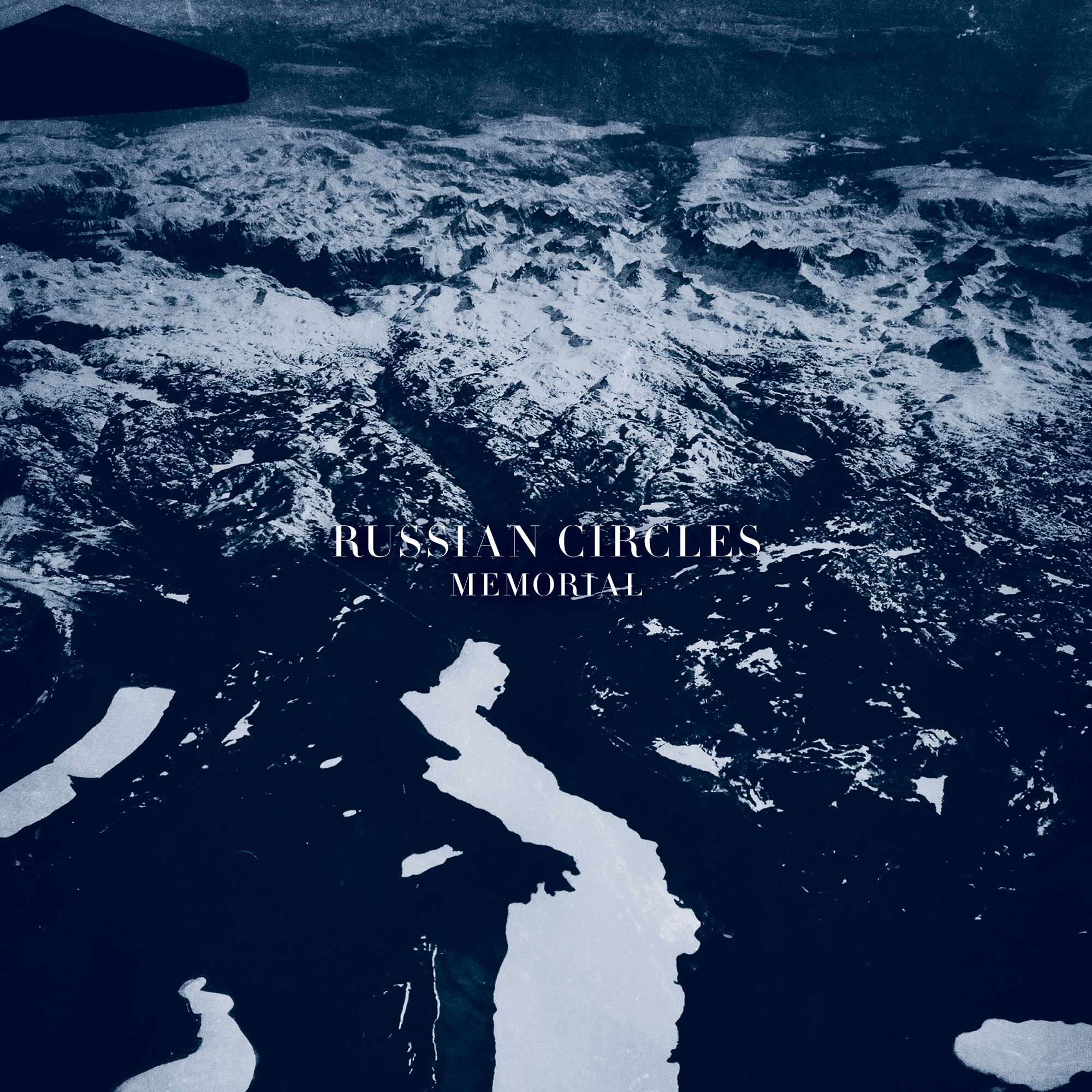
PICK OF THE WEEK: Abrasive Russian Circles unload the destruction with ‘Memorial’

russian circlesAs much as I love when bands explore their sound, branch out, and experiment, adding little bells and whistles to what they do, it can be just as satisfying when musicians do the opposite. Not everything has to be a grand scheme, and sometimes just plugging in and pouring your heart into your work can be more giving than even the headiest of ideas.

Russian Circles, who have done their share of stretching and testing their sound, apparently felt that being more immediate and to the point on their fifth record “Memorial” is where they wanted to go, and lo and behold, that decision resulted in their heaviest, most tumultuous, and best record of their run. It’s not like this Chicago-based instrumental band never had those stormy, brutal elements in their sound, but they always balanced that with atmosphere and lush orchestration in order to give you moments of calm. But you get little of that on “Memorial,” and this quaking record is the closest this band’s ever come to a pure metal album. And while we’re still listening to a ton of the new Pelican album over here, Russian Circles have pushed into their space as one of my two favorite instrumental metal records of the year. Both released in the same month, if you can believe that.

RC-Memorial-US-LP-Gatefold_FNLComprised of three members–guitarist Mike Sullivan, bassist Brian Cook, and drummer Dave Turncrantz–Russian Circles recently flattened audiences on a tour with Between the Buried and Me and Coheed and Cambria (their Pittsburgh stop was a particularly volatile affair, where these guys showed just who was boss), and perhaps those thunderous performances were setting the stage for what was to come on “Memorial.” The band said they consciously tried to enhance their louder more metallic elements on this record, and there’s hardly a moment during these eight tracks when you can catch your breath, even when they aren’t burying you in heavy fire.

The somber opening “Memoriam” is the calmest, cleanest cut on the whole album, but it’s a red herring for what’s ahead, especially when “Deficit” strikes and blows the walls off the foundation. Guitars wail, drums rumble violently, and doomy, surging melodies crash over you like waves intent on dragging you back with the undertow. There are cool, prog-fed keyboard that add some color to the track, and the final moments are thrashy and completely devastating, leading into “1777.” That song is melodic and epic from its start, with sweeping shoegaze guitar playing and emotional melodies that veer into crushing drums. The track may seem like it has the worst of intentions for you during most of it, but by the end, you should find yourself riding along with uplifting melodies that’ll spark your heart. “Cheyenne” starts off acoustic and rather gorgeous, with nice texture, but then the guitars start to buzz like hornets, noise starts to come to a boil, and a watery atmosphere lets the song trickle away into the night.

“Burial” follows, and just from its title, you can anticipate the crushing salvo that is in front of you. Noise surges, and while the drums hit on a calculated pace, the guitars start to swirl like a ferocious black hole, and the cut becomes total devastation and aggression, with the final minutes unforgiving but also visceral. “Ethel” can be tornadic at times, but it’s also a little less harsh than the rest of the songs on this album. It does a great job building anticipation during its run. The guitar work is soulful, with the rest of the sounds standing alongside it, and everything bleeds out after some well-placed key zaps. “Lebaron” brings back the crunch, with thick, destructive guitars and shimmering keys, and the drums really hold everything together acting as the rock-solid spine for this killer. The closing title cut, while gazey and atmospheric, is arguably the most intense track on here thanks to the haunting vocals from Chelsea Wolfe, who makes this piece a chiller. The music is murky and feels like the foggy night time rolling in, while Wolfe holds you in the palm of her hands and enraptures you with her incantations. It’s a surreal, captivating ending to one great document.

Russian Circles could have tried to bloat their sound or spill a hundred million ideas into this record just to make people marvel at their ambition, but instead they just burn the son of a bitch to the ground. It’s not to suggest Russian Circles should go this route every time, but hearing these guys at their hungriest, most hellacious is a revelation and results in “Memorial” being their finest record to date. Your ears will bleed, you brain will hurt, and you’ll be buried in the mighty sound of one of the world’s most explosive instrumental bands.

For more on the band, go here: http://russiancirclesband.com/

To buy the album, go here: http://hellomerch.com/collections/russian-circles

For more on the label, go here: http://sargenthouse.com/

Finnish death metal pioneers Convulse return with ugly, infernal album ‘Evil Prevails’

ConvulseIt’s been a pretty great year for metal comebacks, from the glorious new record from the legendary Carcass to the bloody new platter from the reconfigured Broken Hope, who probably won’t go down in the annals as Glen Benton’s favorite band of all time. That actually could end up being a huge compliment in the end.

A little lower on the radar, thanks to an alarming lack of media hype, come Finnish death warriors Convulse, who were one of the ugliest, most potent underground death metal bands of the 1990s thanks to their classic 1991 debut full-length “World Without God” (righteously reissued by Relapse in 2010 with some bonus cuts) and their 1994 follow-up “Reflections.” They were one of the bands blazing a new, hellacious path for death metal’s future, keeping things grisly, heavy, and uncompromising, and because of that, they amassed a cult of fans that relished Convulse’s terrifying creations. But then, following “Reflections,” the band disappeared, never fully capitalizing on their momentum and slipping into the night.

Convulse coverLast year, Convulse started to move in their grave, and their mummified hand finally broke through the soil on January’s return EP “Inner Evil,” a two-track, 12-minute collection that showed not only could Convulse still be a vital force in the death metal world, but they had plenty to offer to a genre that’s been too undercut by beauty and slickly produced, mass-marketed bands. Vocalist/guitarist Ramsi Jämsä returned leading this machine, along with bassist Juha Telenius, and rounding out the modern lineup are new recruits Kristian Kangasniemi (guitars) and Rolle Markos (drums) who do their finest in upholding Convulse’s legend and leading them to their bloody future on their awesome new record “Evil Prevails,” that certainly holds up against their legendary back catalog.

The first track on this record is called “We Kill Our Kind,” which should give you clear sight as to where this record is going both sonically and philosophically, as the band explodes with punchy death metal, gruff, fiery growls, and an outright vicious campaign that gets this new record off on the right, decaying foot. “Unholy War” is raspy, speedy, and muddy, pushing their path toward thick mud and pain, and while the song takes some time to calm down toward the end, with a chilling monologue slipping behind it, it ends with a moody, prog-like sequence that sounds like Opeth at their headiest. “World Downfall” brings speed back into play and is a creaky monster looking for nothing but total destruction. It achieves just that, complete with some scintillating lead guitar work. “God Is Delusion” is a carryover cut from the aforementioned January EP, and it fits right in with its sweeping clean intro that melts into a drum demolition, mean and nasty growling that cares not about bruising feelings, and a doomy, chemically burnt song that could leave bubbling skin and nasty scarring.

The title cut opens the second half of this mauler with guttural intensity, fast and ugly thrashing, and more threatening vocals that sound coated in evil. Once again the guitar work shines, as the soloing hangs in the air like a toxic cloud. “Days Are Dark” brings back more doom sentiment, and there are times where the music even slips near black metal territory. The verses have a tasty touch where Jämsä howls over bass-and-drums-led verses before the full serving of guitars ignite, and the cut actually ends on a classical note, with acoustic guitars plucked and setting a hazy tone. “Reborn in Chaos,” a track that might as well be their 2013 anthem, gallops relentlessly and is one of the more pulverizing cuts among a whole slew of them, while closer “Oceans of Dust” starts with dizzying playing and forceful thrashing. Jämsä’s vocals are throatier and infernal, and the spirit with which this song is played in unquestionably punishing and hellbent on making the band’s mark a permanent one. The song ends in ominous noise, with a  baby wailing in the night, almost as if it knows its fate is not a favorable one. It’s a chilling finish for what is a volcanic record.

We welcome back Convulse, a band that deserves to be hailed as one of death metal’s most important pioneers who surely had a hand in launching a ton of other like-minded bands influenced by their sound. “Evil Prevails” is a stunning, satisfying comeback record that hits all the right spots and should be included in the same breath as Carcass’ new one as an example of the old guard returning with violent intent to show the new bands how it’s truly done. Hopefully this return is a long-term thing, because it seems like Convulse have a lot left in their raging creative furnace to share with the death metal world.

For more on the band, go here: https://www.facebook.com/Convulse

To buy the album, go here: http://www.svartrecords.com/shoppe/en/

For more on the label, go here: http://www.svartrecords.com/

Ævangelist unleash horrific, suffocating madness with menacing ‘Omen Ex Simulacra’

ÆvangelistWhen thinking of some of the spots of true death and terror in the United States, one is not likely to come up with Illinois and Oregon as their first few answers. There’s just nothing all that dark or warped about either of those places (that I know of) and you wouldn’t expect a hulking black creature to rise up from either of those areas and frighten death metal listeners anew.

But apparently regional location doesn’t play a huge part in what dual-headed death metal squadron Ævangelist have unleashed upon the universe in a very short time together, as their dark incantations are as sooty, bleak, and outright terrifying as any other band out there that also damages people’s psyches with their music. The band’s second record “Omen Ex Simulacra” is upon us now by way of Debemur Morti (their debut “De Masticatione Mortuorum in Tumulis” was released by I, Voidhanger), and it’s a spiraling hellscape of drilling, dissonant death metal, deranged shrieks and howls, and an aura of fear that you just don’t get enough these days from this genre. Following the path bands such as Incantation carved out years back, and making the same type of panic as current groups such as Portal, Paroxsihzem, Abyssous, and Grave Upheaval, you’re to expect a record that’ll leave you scarred and punished mentally and one that’ll make you wonder just where in the cosmos these two pulled such chaos.

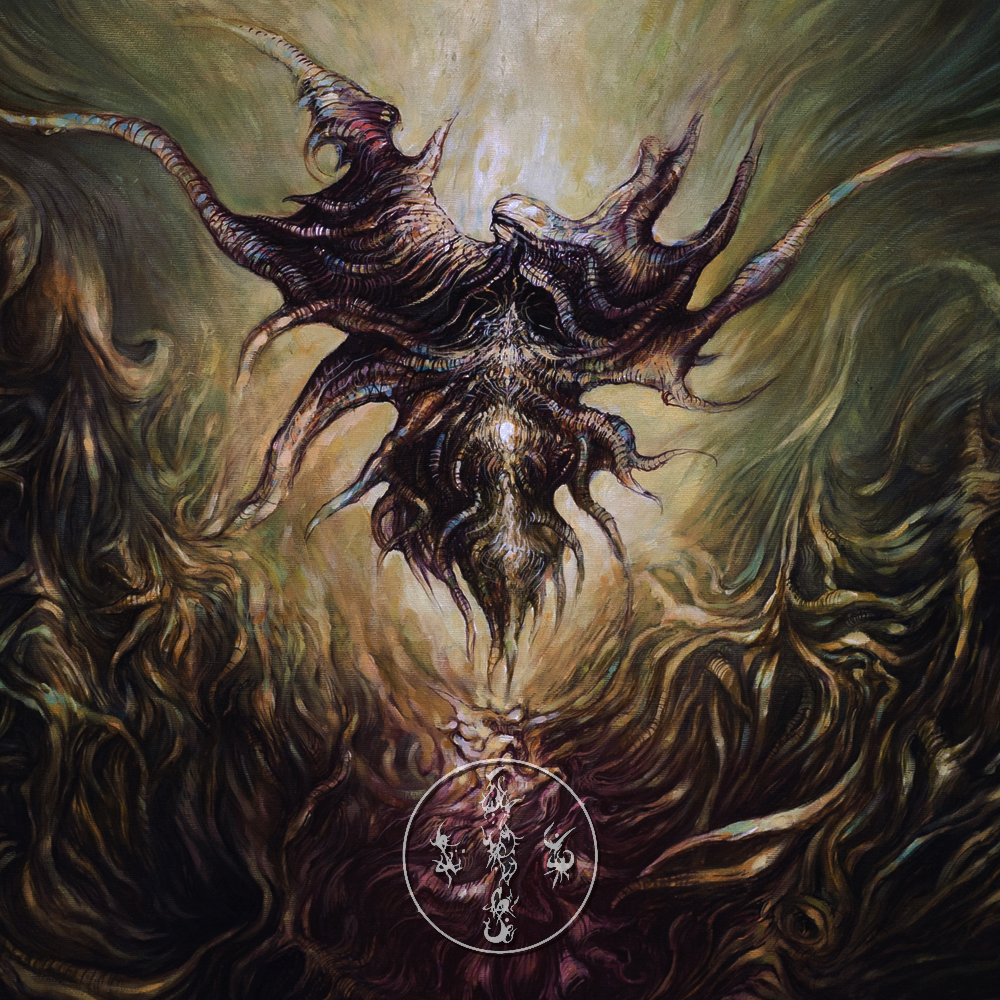
Ævangelist coverAs noted, there are two people making this madness, that being Matron Thorn, responsible for all instruments and the thick, poisoned cloud of noise, and Ascaris, who contributes his inhuman, tortured growls, wails, and cries that sound like someone sliding down the path toward damnation with no helping hand within reach. These eight tracks won’t go down easy, and if you have a weak, fragile mental makeup, wanting to be thrust off the deep end so you don’t have to look evil so closely in the face would be an understandable feeling. But if you love to immerse yourself in a cacophony of sorrow and anguish so deep that it makes your chest heave and your blood surge with perverse joy, you might not find a more suitable death metal release this fall. It’s pure horror, or as they choose to call it “new oblivion gospel music.” Bow your heads.

The record opens with “Veils,” a horrifying display that runs more than 12 minutes and might be a good indication of what hell might sound like. The sounds are eerie and monstrous when they stretch themselves over the song, and once the sludgy death erupts, the drums go into full punishment mode. The band ramps things up to a hurricane fury, and it’s impossible to get off the ride to safety. You’re just screwed, they know it, and they keep hammering at you with infernal chaos. “Mirror of Eden” takes the insanity you heard up to this point and shakes it violently, as the shrieks sound inhuman and tortured, and the song spirals into a sick pit of flames. “Hell Synthesis” is thundering and suffocating, with noises zapping over your head and through your body, thunder crackling threateningly, and the vocals reaching muddy new lows. “The Devoured Aeons of Stygian Eternity” opens with a fairly thick doom complexion, with boiling noise, menacing guitar guitar work, dizzy and slurry melodies, and growls that sound buried six feet under ground. The whole thing is suffocating and weird and might make you claustrophobic.

“Prayer for Ascetic Memory” chugs heavily and really unloads on your senses, with blistering riffs and monstrous vocals that complete this song’s mission of total assault. It’s a vicious piece for all of its running time, and it’s one of the heaviest tracks on the album. “Relinquishing Destiny” is the shortest song on the record at 4:37, and it’s made up of guitar shrieks, wild drumming, and gasped growls that sound like Ascaris is heaving his words as painfully as possible. The final two tracks on the album ramp up the experimentation and odd noise making even further, making the last 19 minutes something to truly behold. “Seclusion” rips open with massive drumming, scathing vocals, strange synth scrapes, and an element of horror that might not be physically tangible but that you know is there, hanging over your head. The song concludes with dizzying guitar runs, industrial-style drubbing, and horns raging out of control as if they’re desperately trying to announce Armageddon. Closer “Abysscape,” that clocks in at just under 13 minutes, has spooky trudging and smeary, messy noise. It feels like a mental and physical breakdown going into your ears, as the band slithers along, and growls grow even more frightening. Most of the song is an all-out assault, but the final few minutes find them wiping their canvas with bloody hands, synth laser strikes, more bizarre horns, and a mass of noise that’s thick and suffocating, taking your consciousness along with them into the dark.

Ævangelist’s commitment to charnel morbidity and relentless chaos is evident, and this second record of theirs totally hits that spot that longs for death metal that makes your insides go cold. This alien, scarred platter puts this band in that rare territory of new artists who pay more attention to sonic aesthetics and chilling savagery than they do their own images or commercial accessibility, and those very choices are what help Ævangelist be one of the planet’s most blood-curdling, unsettling bands. You’ve been warned.

For more on the band, go here: https://www.facebook.com/aevangelist.official

To buy the album, go here: http://www.eitrin.com/

For more on the label, go here: http://www.debemur-morti.com/

Monolithe close the book on their doom saga with psychedelic funeral opus ‘IV’

Monolithe bandThere are bands that make collections of songs, both interconnected and not, and that probably makes up the bulk of most musical endeavors. Then there are those rare few that see their art as something greater and try to do something larger and more grandiose.

French doom outfit Monolithe are one of those that stand out from the rest of the metal world and even from many of their subgenre contemporaries.Their records are immense journeys, like something Tolkien might dream up if he made devastating metal albums instead of extensive tomes. You don’t sit down and listen to a track or two and then see what’s remaining on the rest of the album. Monolithe’s records ARE songs, and over the course of four full-lengths, the band has come up with singular presentations that sprawl to nearly an hour in length a piece, and they force you to decide if you are in or if you’re out when it comes to their creations, because there is no other situation that’s acceptable. Absorb or go away.

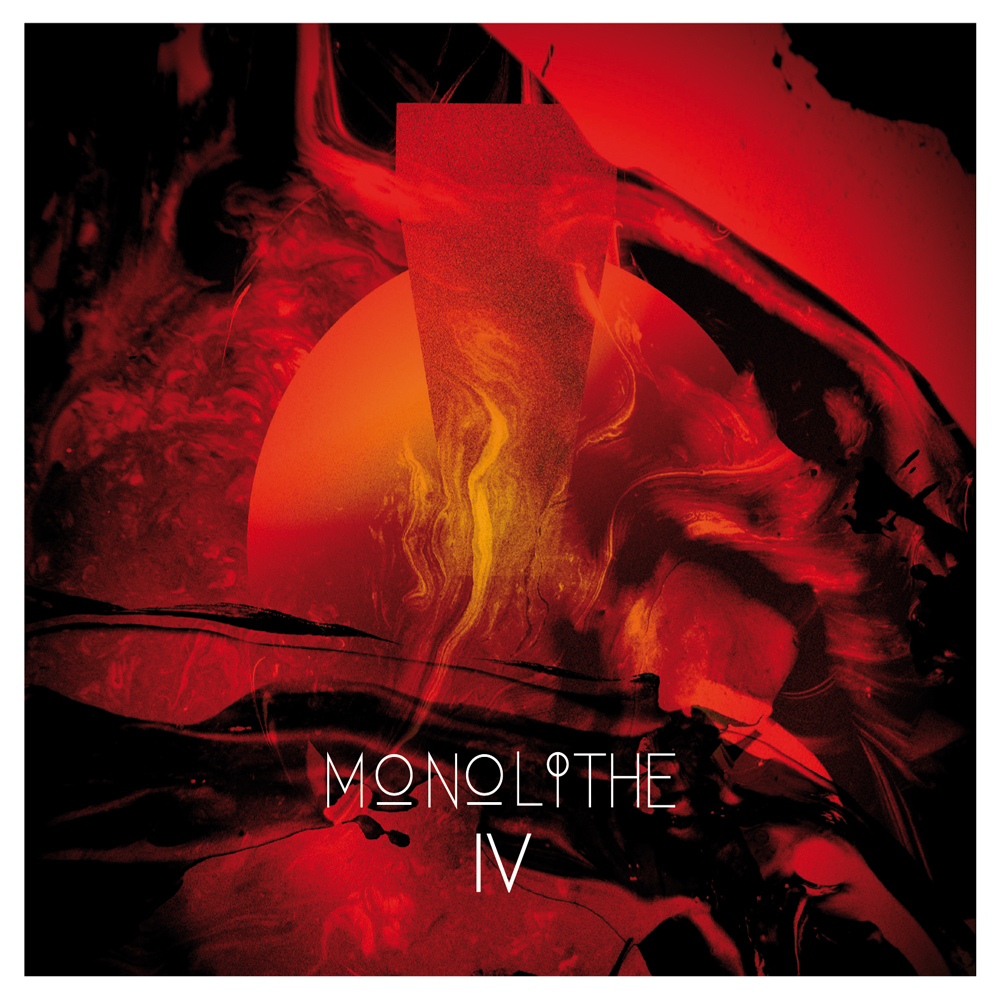
Monolithe coverAfter last year’s destructive and captivating “Monolithe III,” their first for Debemur Morti, we get a new 57-minute serving called “IV” that is another hefty display of drama, damage, and morbidity that should keep you on the edge of your seat throughout. It’s also the final installment of their four-part series, and one of the best ones to date. Yeah, taking on an hour-long song that comprises one record is a crap shoot. It isn’t easy to keep things interesting for that long, and plenty of other bands have tried and failed with this method. But these guys–vocalist Richard Loudin, guitarist/bassist/keyboardist Sylvain Begot, bassist/guitarist Benoit Blin, keyboard player/programmer Sebastien Latour–are more than capable of keeping your blood boiling, and this incredible finale brings their project to a tumultuous end.

The track begins with a burst, with thrashy crunch, guitars that simmer, and a proggy feel, making it seem like you’re aboard a strange spacecraft, seeing the galaxy in a way you never have before. Loudin’s growls begin roiling about three minutes in, and they make their presence felt often on this album. Melodies set up, swirl, mash into new pieces that rise up, and continue to change the color and texture. You get caught up and float away with the thing, emerging and falling with their playing, and about 15 minutes into the track, everything goes clean, and a calm sets in. But it’s temporary, as blistering growls rip through the gut of the thing, and choral swatches from Emma Elvaston pump air and beauty into the madness. She also has a pretty big role and always delivers. About seven minutes later, there are more trickling, clean portions and some airy gushing, and while heaviness returns, this section is more reflective, with pianos cutting in and an infusion at atmosphere changing the tone.

As the track hits the 30-minute mark, the fury returns, as guitars start to gallop and head into a power metal assault. The drums begin to kick up and cause a frenzy of violence, and synthesizers sweep in and add a huge cinematic sense. Then the bottom drops out, and the doom takes permanent hold of the track, providing some of the ugliest, burliest music in Monolithe’s history. The band slips into funeral doom mode, with the riffs getting slower, sludgier, and more morose, while the pained growls follow suit, giving off the sense that all of the air is filled with dread. The 41-minute mark has the band still spilling the lumber in bulk, but there are also are some gothy underpinnings to the track that give it a teary-eyed, rainy effect. The funeral dirge returns, as does the maniacal heaviness, and amid all of that is some Pink Floyd-style psychedelic dreaming, but thats snuffed out by the final minutes of the song, where everything is set on fire, left to burn, and completely overcome by the thick, unforgiving smoke.

Monolithe’s four-part project has grown extensively both in emotion and musical prowess since it started with the first album that dropped in 2003, and it’s been a decade of incredible movement, reimagined and reworked doom, and music served up in a non-traditional but always satisfying way. Hopefully Monolithe continue to create great works beyond this and have new dreams to spread across epic offerings, or maybe they’ll find more conventional ways to enthrall us. Either way, this has been an explosive, breath-taking project to behold, and “IV” offers a titanic finale in a way that would be worthy of a giant, legendary big-screen blockbuster of old when you’d leave a theater stunned, amazed, and totally fulfilled. All hail Monolithe for a story well told.

For more on the band, go here: http://monolithedoom.tumblr.com/

To buy the album, go here: http://www.eitrin.com/

For more on the label, go here: http://www.debemur-morti.com/

PICK OF THE WEEK: Mamiffer, Circle combine on haunting, cold ‘Enharmonic Intervals’

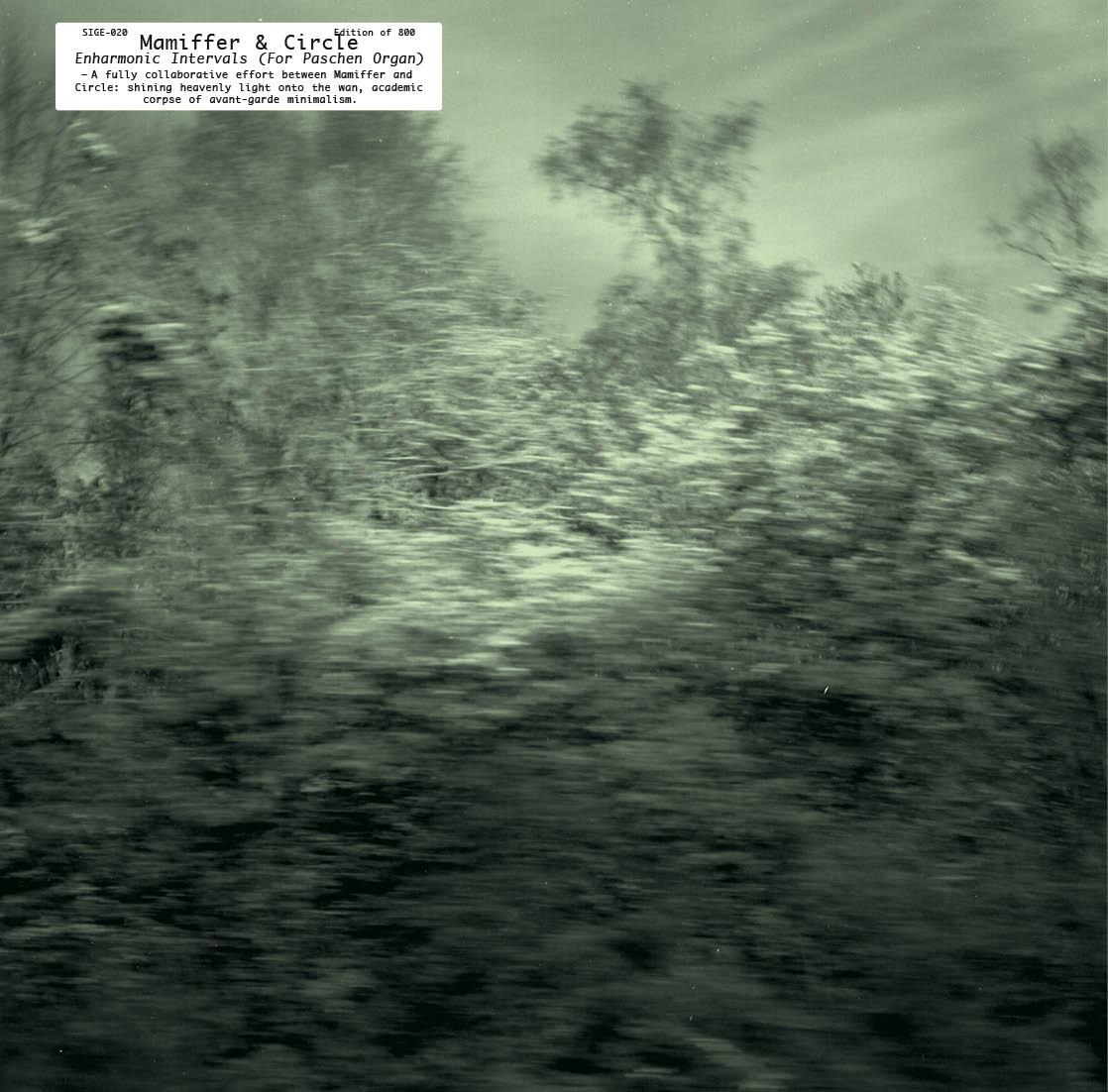
MamifferCircle coverWhat do you do when two of the most ambitious, prolific bands in underground music get together for a collaborative project that not only fills in the gaps of the late-year down cycle of music releases but also promises to be one of the most electric, bizarre, and mind-erasing projects of the year? You get out of the way and let them do their thing.

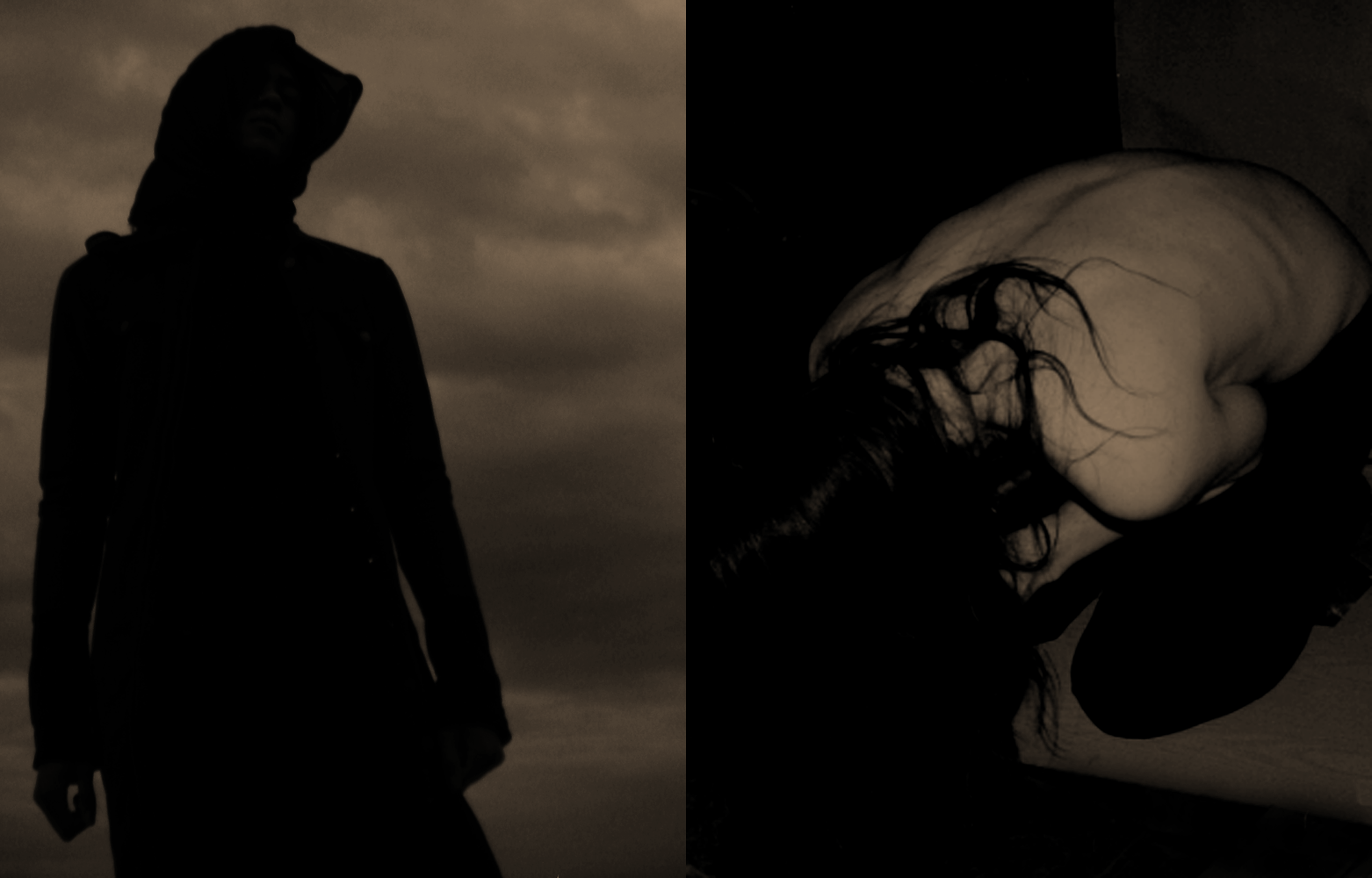
Finnish rockers Circle, who have not met a genre of music in which they’re disinterested in dabbling (except, maybe, hardcore rap), seem to constantly have something new ready to go into circulation. Hell, we’re going to talk about another new album from them in the upcoming weeks, and yes, it totally delivers. They never seem to rest, and their constantly moving frontman Jussi Lehtisalo probably never sleeps due to other musical projects (can we please hail last year’s criminally underappreciated Split Cranium?) as well as his label Ektro Records. On the other hand, Mamiffer have been in fairly high gear as well, touring, putting out their own music and others’ via their label Sigr, and also making noise with like-minded artists such as Locrian and Pyramids. They are comprised of Faith Coloccia (Everlovely Lightningheart) and Aaron Turner (ISIS, Old Man Gloom, Twilight, etc.) and have carved their own niche of atmospheric, woodsy, dreamy doom and ambient rock that is both haunting and lovely. You can imagine how these two groups together might sound like.

Mika Rättö and Aaron Turner

Mika Rättö and Aaron Turner

Well, imagine no longer. The groups joined forces for their new collaborative effort “Enharmonic Intervals,” a seven-track collection recorded in a single day at Keski-Porin Kirkko, a 19th century stone church in Finland, where they two bands explored every crevice of the structure. No wonder these songs sound so liturgical yet chillingly haunting, and the presence of the venue’s Paschen organ adds yet another spacious element to the proceedings.

Faith

Faith Coloccia

Oh, but back to what it would be like if these two bands got together. If you’re familiar with each band, or even just one of them, forget what you know about them. There are no grisly riffs, there are minimal doom storms, and very little chaos of any kind, and the attitude is instead reflective and thought provoking. The music lends itself more toward Mamiffer’s side of the spectrum–that’s only sonically and not philosophically–but they and Circle show two groups of artists can work on a project and offer ample room for everyone to create something special and unique. That’s what this record is, and with winter approaching here in North America, this will sound perfectly placed against sheets of falling snow (just look at the cover!).

“Kaksonen I” opens with a cloud of noise drone, squeals, and shrieks that certainly pull open your eyelids, and then vicious howls and shouts, hanging in mid air, rise like a threat. Horns bawl, and a Middle Eastern-style, foggy melody rises up to carry home this song. “Parting of Bodies” does have a dose of menace at the start, with dark rumbling settling in and blackening skies, and Turner’s vicious wails erupt in the background. The song eventually turns toward dissonant, airy melodies, but just as you’re feeling calm the thorns return, ending the track in emotional fright. “Vaso Luna” begins with a cool set of keys and noise that pulsates, while Lehtisalo warbles and chants in tongues in the background, almost as if he’s in a hallucinatory trance. Synth is smeared all over, while proggy progressions break out, and the mood is decidedly dark and weird. “Tumulus” is cloudy and has an attic sci-fi film sense to it, with Coloccia calling wordlessly along with the melodies that give an early morning, dew-soaked feel to it. Psychedelic-rich guitars later introduce themselves, leaving the track in an eerie haze.

“Vessel Full of Worms” sounds gross and unsettling just from its title, and yeah, it’s a little unsettling at times. Horror-style drone starts to gain ground, though it’s balanced out by warm organs and the sense of a spiritual service about to hit its high point. Keys stab here and there, adding an element of drama and suspense, and a spooky sense of dread and terror strikes directly at your heart. “Mätäneminem” is the most bizarre of all of the songs, reminding at times of Scott Walker at his most mentally unhinged. Operatic cries erupt from Mika Rättö, who lets loose and fills the air with his strange, warbling voice, and the keys drizzle a heavy glaze over everything. In fact, the song reminds me of something you might hear over an old Italian vampire movies, which gives a vintage and disgustingly classy feel. It’s really an awesome thing to behold. Closer “Kaksonen 2 (Artemesia)” closes the album in much the same way its adjoined opener starts the piece. Noises splinter and shake, siren-like cries splash across the background, and weird, chant-like vocals lurch and rip open your guts. The whole song feels like a ritual taking place deep in an underground cave, where the incantations are left in the air for its intended spirits to absorb once they find their way to such place of reverence.

While Mamiffer’s and Circle’s members have made plenty of metallic goodness over the years in their many projects, this record is much different than their back catalogs and will find favor among listeners who could use a chance to relax and concentrate amid all the brutality in their lives. This is a fruitful, stunning, true collaboration among artists whose respect for each other is clear by how they play together. They blend into a true whole, making “Enharmonic Intervals” a fantastic mood record and hopefully the first of many partnerships between these two bands.

For more on Mamiffer, go here: https://www.facebook.com/pages/Mamiffer/110768695615501

For more on Circle, go here: http://www.circlefinland.com/

To buy the album, go here: http://www.bluecollardistro.com/sigerecords/categories.php?cPath=1186

Or here: http://www.ektrorecords.com/shop/

For more on the label, go here: http://sigerecords.blogspot.fi/

And here: http://www.ektrorecords.com/ektro.php