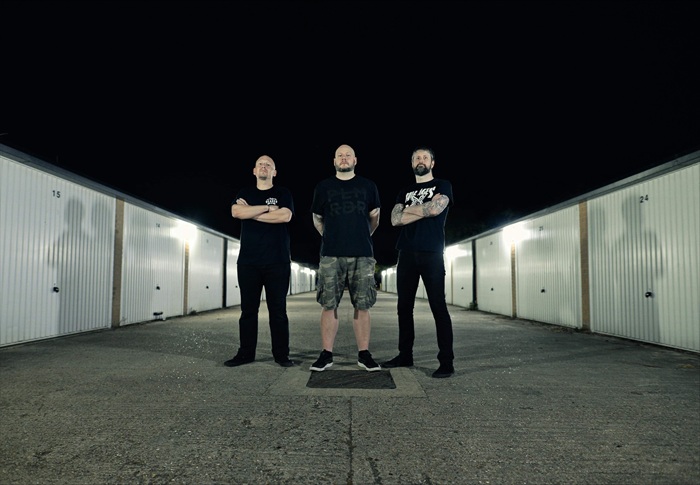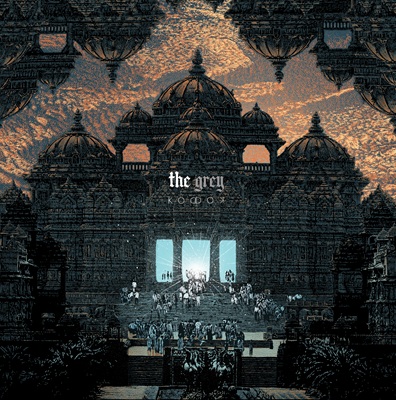
Aussies Gutless offer brutality, death metal storm as they bleed wildly on ‘High Impact Violence’

The horrors of existence seem to know no bounds when it comes to putting humanity through the goddamn ringer repeatedly. It’s only natural to go toward macabre thoughts and nightmare scenarios when we try to find ways to emotionally deal with the hand we’ve been dealt, so at this point, the more profane the better.

Australian death crushers Gutless are only too happy to step to the plate with their wrenching new record “High Impact Violence,” their debut offering. Over eight tracks and 26 minutes, the band—vocalist/guitarist Tom Caldwell, guitarist Allan Stacey, bassist Joe Steele, drummer Ollie Ballantyne—conjures death metal that should have you thinking of the formative years in the 1990s, making brutality and bloodshed the goals. You won’t explore space, there are no progressive movements, and all you’ll find is pure death metal that twists your limbs into unspeakable positions.

“Bashed and Hemorrhaging” is a burly gore fest when it starts, growls spat over gnarly chaos, the ugliness spreading along with chugging guitars. The menace continues over bloody power, the leads squealing off into a tire fire. “Beyond the Catacombs” is monstrous, animalistic growls punishing, a mauling force moving forward with reckless abandon. The pace then grows suffocating, the leads wailing amid skull-smashing force, roars crushing any final glimmers of hope. “Scalpel Obsession” dominates, storming in with relentless intensity, roars breathing extra doses of hostility. The guitars sprawl as things get thrashier, growls gutting in a horrifying mist, tearing out guts and leaving them to rot in the sun. “Avalanche of Viscera” mauls as howls belch, and the pace pours on destruction, a total death metal assault that leaves you dizzy. The bass chugs as the thrust further detonates, guitars swelter, and the heat grows unmanageable and thick.

“Galvanized” opens with a quote from “The Frighteners” and then it’s onto muddy rhythm and guitars pouring lava, growls ripping as the pressure builds. The violence escalates from there, guitars spewing heat, lumbering as they blacken eyes along the way. “Carved Into Existence” has a fiery start but then it turns playfully vicious, growls killing as the guitars turn the heat up even further, making the room spin. Body shots continue to land right on the money, and then guitars char, cymbals are crushed, and the last blast removes heads. “Gore God” charges, the growls burying, guitars digging in and then taking off. The brutality works into a lather as a menacing tempo darkens your heart, the carnage slowly mangling, dragging you to a bruising defeat. Closer “Viral Infection” pulverizes, the growls eating into flesh, the battery increasing its power as heated leads wash over prone flesh. Guttural and mashing, the playing adds to the misery, leads squealing as humidity spikes, the strains of a clip from “Videodrome” leading to your ultimate demise.

Now’s as good a time as any to dive as deeply as possible into death metal’s unforgiving confines, and Gutless are more than happy to show you the worst, bloodiest parts of the terrain. “High Impact Violence” is the perfect title for this record as it’s purely that, with no added bells or whistles necessary. This is a complete bludgeoning, one that might be a welcome distraction from the horrors of reality.

For more on the band, go here: https://www.facebook.com/gutlessmelbourne

To buy the album, go here: https://www.darkdescentrecords.com/shop/

Or here: https://www.mesacounojo.com/shop/gutless-high-impact-violence-lp/

For more on the label, go here: https://www.facebook.com/DarkDescentRecords/

And here: https://www.mesacounojo.com/

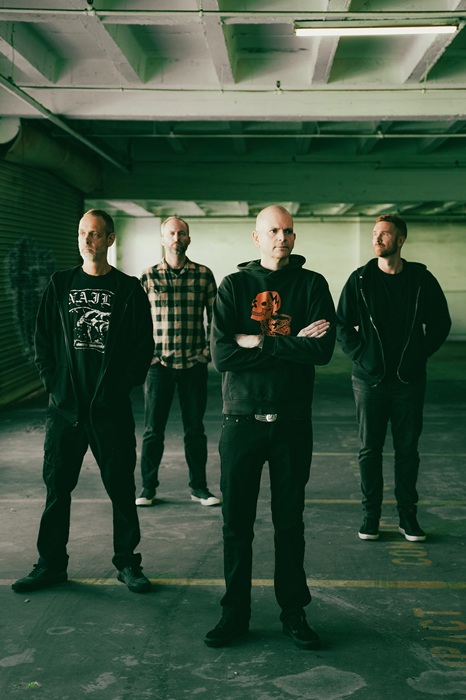
PICK OF THE WEEK: Sólstafir graft dreamy, dusty textures to black metal base with ‘Hin helga kvöl’

Photo by Katie Metcalfe

With so much darkness and negativity that surround us, a beam of hope would be welcome. I write this before the U.S. presidential election knowing it’ll run right after the election, and the word “hope” might have a much different context then. But the present is what matters, and it would be nice to know there’s light on the other side of the battle.

Icelandic dreamers Sólstafir are trying to be that speck of illumination in the storm, and their great new record “Hin helga kvöl” is a revelation. This, their seventh, is their most adventurous yet, which is saying something because this band has been anything but stationary musically. Here, the band—vocalist/guitarist Adalbjorn Tryggvason, guitarist Saethor “Gringo” Saethorsson, bassist Svavar Traustason, drummer Hallgrimur “Grimsi” Hallgrimsson—branches even further from black metal and adds more straight-up rock elements, a touch of Western dust, post-rock dynamics, and even a few rounds of brutality. This is their most diverse collection, and it’s one that will lure you easily back to it repeatedly, with you only too happy to follow.

“Hún andar” starts lush. and then it pushes into fluidity and punchy melodies, the strong singing making waves, even if the language barrier prevents me from fully understanding. There’s a gush that whisks into the next terrain, energy bursting from corners, fading into exhaust. “Hin helga kvöl” slowly unfurls as it electrifies, black metal-style fires blazing, equally volatile singing answering the bell and splattering. The leads cause lines to freeze, and then the whole thing rampages, the playing coming to a dangerous spiral, turning fully into madness. “Blakkrakki” has guitars chugging, the signing gliding, your nerve endings quivering. Tryggvason wails the title over the simple, yet effective chorus, a spirited gust picking up the pace, a full-hearted rush blasting into the final moments. “Sálumessa” is immersed with darkness and echoes, the singing exploring as the pathway gets a little gentler, working through a fog and aligning with shadows. The guitar work thickens and blankets everything in ash, the moodiness increases, and the cold winds beckon, pulling you into the heart of the night.

“Vor ás” is hazy and hangs in the atmosphere, a propulsive call and response making blood rush, the pace sweating as the humidity swarms. The playing gets more aggressive, generating smoke, grittier singing from Tryggvason meeting with Erna Hrönn Ólafsdóttir’s backing vocals that add a new texture. The playing delves into a classic rock feel at moments, adding some nostalgia, ending in a blaze. “Freygátan” opens with pianos dripping and softer singing, the pace gradually growing heartier as it builds strength. Guitars fall like sheets before the track bursts, the leads leaning into Floyd-like psychedelic dreaming, then everything rumbles until falling to ash. “Grýla” is dirtier, the tempo swelling as the drums menace, the singing digging deeper into your chest as the sojourn extends. A strange warmth, giving off a dusty Western vibe, bubbles to the surface, making the track feel both catchy and homey, storming out in melody. “Nú mun ljósið deyja” ripples with black metal energy, the howls ravaging as speed and viciousness become major factors. The path turns hypnotic, melodies battering away, screams rippling and causing seismic waves. Closer “Kuml (forspil, sálmur, kveðja)” emerges amid eerie chants and an aura that sends chills, synth and sax splashing new colors. The cosmic stretch gets more intense as fuzzy power bubbles over, elegant sax sets the mood for the end, and you feel like you’re in the clutches of a late-night fever dream, your hallucinations getting the best of you.

Sólstafir’s excursion into more varied sounds and realms that exist beyond just black metal is growing increasingly ambitious and alluring, which “Hin helga kvöl” proves outright. With the temps about to drop (or so we’re led to believe) and more interesting dusk skies ahead, this is perfect music for that moment, the retreat from light into black. The emotion, darkness, and increaaing light built into this record play off each other magically, and it’s a record that reveals more of itself every listen, which should be an impetus to go back again and again.

For more on the band, go here: https://www.facebook.com/solstafirice

To buy the album (U.S.), go here: https://centurymedia.store/

Or here (International): https://www.cmdistro.de/

For more on the label, go here: https://www.centurymedia.com/

The Mosaic Window take journey through life and death, stormy events within on ‘Hemasanctum’

Photo by Victoria Brown

We often brand records as adventures on this site, and that’s a good description, if I might pat my own ass. Sometimes the music you’re hearing is more cinematic than most, or it makes you take a physical or mental journey that you didn’t expect, and that helps it stand apart from a lot of the other music we hear.

As for The Mosaic Window, a project helmed by vocalist/guitarist/bassist Andrew Steven Brown, their albums aren’t just a collection of songs, but conceptual pieces that stitch front to back. On the new record “Hemasanctum,” the entire human experience is detailed end to end over eight tracks and 42 minutes, the beginning exiting from the womb and the finale detailing eyes closing forever. Brown gets drum work from Gabe Seeber, and the legendary Andy LaRocque (King Diamond) adds solos to this record that is thought-provoking and punishing from a musical standpoint, but that puts a new perspective on existence, including parental relationships, life milestones, loss, mental issues, etc. The emotional certainly bubbles underneath this record, making it a heavy document no matter which way you consider it.

“Incantation to Summon the Unstable” opens with a child crying, the beginning of life, and that eeriness is gutted by guitars rampaging, roars smashing and adding savagery to the melody. The leads go off, the pace dusting brains, driving through mashing drums that end the track in chaos. “The Pounding of Hooves” is equally fiery, demonic howls picking apart your mental faculties, detached speaking sprawling, going into dramatic and horrifying corners. Guitars surge as throaty howls land blows, speed igniting as sung lines change the texture a bit, dashing into darkness. “Black Bethlehem” starts off on a folkish note, then black metal-style mania attacks, the leads increasing your heart rate, the pace heading into slower, still-punishing heaviness. Shrieks rain down as the path grows more vicious, guitars taking off and leaving you heaving in their exhaust. “Turibulum” absolutely soars, guitars blinding and melting, sounds flooding as the growls take a turn for the ugly. The pace trudges and pounds, the drums destroy, then a hazy bed of guitars creates an impenetrable fog that envelopes all.

“Ash Like Anvils” brings a flood of guitars and a melodic crush, and then things turn calculated, molten, and even a little bit dreamy. Doomy waters wash over the cracks in the surface as the pace picks up steam, rampaging into a snarling energy, driving into the void with relentless force. “Night Disease” has the leads swimming and then tingling, punchy and mucky rhythmic pulses thashing, everything eventually eroding into a gutting force. Growls boil as the guitars race, pained howls strike deep, and everything slips into a disarming echo dimension. “Shrouded in Pain” is the most emotionally urgent song of the bunch, one that tackles depression and its debilitating effects. Through chugs and howls, pleas are made for understanding, a helping hand, as the narrator identifies with the pain that cannot easily be soothed. The pace is stomping and impassioned, pulling its way through the thorns to a place where healing hopefully can begin. We opened the record with birth, and we end with death, “Hymn to Silence the Light” running 8:14 and easing in before erupting into fire. Melodic leads char as growls slash, speed becoming a bigger factor as we move along. The vibe grows wrenching and mournful, the final moments ticking away, cries grasping for solace, slowly burning into nothingness.

The Mosaic Window over two full-lengths have shown a much different approach to heavy music, one draped in humanity, and “Hemasanctum” continues along that same path. The journey through the beginning and end of life and everything sustained in between should be something any introspective listened can use to mine emotional gems while also being mentally and physically sustained by the metallic power packed into these songs. This is a record to which most people can relate, though if you’re just here to get wrecked, you won’t walk away disappointed.  

For more on the band, go here: https://www.facebook.com/p/The-Mosaic-Window-100094717845304/

To buy the album, go here: https://willowtip.com/bands/details/the-mosaic-window.aspx

For more on the label, go here: https://willowtip.com/home.aspx

Black metal travelers Ershetu dig into ancient Japan, religious roots on mesmerizing opus ‘Yomi’

Metal fans have no arguments about not being educated in their music, as from the start of this thing, bands have been reinterpreting history in their art. Iron Maiden spent their entire career being a world-touring history book, and plenty of other bands have dug back in the annals to tell a story long passed that can be applied to the present.

Black metal explorers Ershetu already visited the Mayan culture on their debut record, but for go around two “Yomi,” the band—multi-instrumentalist Sacr, conceptual mastermind Void, vocalist/bassist/guitarist Vindsval (Blut Aus Nord), drummer/percussionist Intza Roca—visits Japan and delves into Shintoism, the ancient national religion that originated in 1,000 BCE and still exists today. But this isn’t a straight-up black metal record in the traditional sense. The band incorporated instruments from the region to also color these tracks with a touch of the country in which these stories originated.

“Ketsurui” begins with water dripping, Japanese instrumentation flooding the senses, and then a hypnotic, mystical energy unfolds, feeling both fiery and cloudy. Shrieks spread as a fantasy feel enraptures, choral calls swim, and everything blurs out in mystery.  “Jikoku” also dawns with strings, and then a storming, ferocious force come to life, vicious and stirring melodies rampage, the atmosphere swirls above you. Howls wrench as a monstrous pace engulfs, leads sweeping into arresting orchestration and a stunning end. “Sekiryō” shimmers with gong smashing, strings riveting, piano keys drizzling. Roars storm as the playing quivers, angling into a sound swarm, foggy and spirited folk instruments adding to the ambiance, everything succumbing to the eye of a storm.

“Abikyōkan” also feels watery as it dawns, chants form a cloud overhead, and then the growls add a sense of menace, guitars gaining steam and increasing the heat. An emotional gust takes you by force, punishing as the vocals get heavier before a calm gathers and pulls everything into a pocket of serenity. “Kagutsuchi” is powerful and bruising, the strings gliding as chorals flood, eventually ripping open and stretching exposed muscle. The pace pushes and pulls, group vocals cause a haunting vision, and then guitars race anew, jarring and destroying before ending in woodwinds. Closer “Nenokatasukuni” surrounds with drums pounding, mysticism spreading widely, and then the heart of the track is torn from its chest and left exposed. There are doomy sequences and portions that aim to hammer, speedy and spacious parts aligning, the playing cascading hard. The howls multiply, softer instruments add a cloudy essence, and everything fades into chimes and bubbling water.

Ershetu’s sojourns into different ancient traditions not only have made their music interesting thematically, but it has allowed them to embrace sounds and spirits not often common in heavy music. “Yomi” is an adventure from front to back, something that sounds nothing like most of that you’ve heard this year but also doesn’t just stick out for being novelty. The music is immersive and quaking, taking on traits of the source material and becoming a greater whole that is equal parts fascinating and ferocious. 

For more on the band, go here: https://www.facebook.com/ershetu

To buy the album (U.S.), go here: https://debemurmorti.aisamerch.com/

Or here (Europe): https://www.debemur-morti.com/en/12-eshop

For more on the label, go here: https://www.debemur-morti.com/en/

Cleveland brawlers Burial Oath destroy sanity with black metal fires on ‘The Cycles of Suffering’

Black metal obviously is perfectly suited for the winter, with the frigid weather and blanketing snowfalls that we don’t really get anymore where I live. Stay tuned for more original opinions. But Autumn is starting to feel like a great time for this style as decay spreads, cold winds whisper, and we can don our long sleeves again.

Cleveland black metal punishers Burial Oath feel a little more fiery than freezing, and their crushing third record “The Cycles of Suffering” is upon us, increasing the temperatures when we should be getting ready to shiver. The follow-up to 2018’s “Subjugation of the Bastard Son” ups the ante in a ridiculous way, storming out the gates and never looking back until all blood is shed. The band—vocalist Mor Grish, guitarist D, bassist R, drummer JV—uses seven tracks, and an economical 31 minutes to put you to the test, delivering destructive black metal that isn’t trying to arrest you with forestal imagery or mountain ranges and instead want to batter you to the pavement.

“Void Hunter” is humid when it starts, and then the playing blisters, melodic shrieks draped over the fury. Blackened hell erupts as the riffs rise and the vocals retch, letting the ferocious storm pummel and slowly slip away. “Deathbringer” delivers steaming riffs as an eruption pulls you under, the fires quickly lathering and foaming blood. The guitars enter a sudden fog, the playing then taking a turn and wrenching muscle, fires exploding and spitting chaos along the way. “The Cycles of Suffering” opens with ripping shrieks, a barnstorming pace that gets your attention in a hurry, and then some cooler tones let nerve endings tingle. The devastation continues at a punishing level, melodic guitars swimming through the muck, the drums slaying to a stunning finish.

“Howling Promethean Winds” is spacious but also mangling, guitars stampeding and making you see stars, leaving spatter behind. A blinding assault flattens as the screams envelope, guitars cascading to a spacious end. “Shadows Suspended in Dust” explodes as the drums gut, guitars sting, and the howls aim to bury you alive. Vicious blazes explode, but then calm takes over for a stretch, dripping but also hovering, then electricity rocketing, screams rippling to a burning end. “Pagan Fires” unloads with spiraling guitars, the drums rippling, screams mashing and creating brush burns. The force continues to squeeze, black metal-style melodies run roughshod, and everything comes to an immersive end. Closer “Kingdom of Fire” tears open, again digging back into the most evil forms of sound, speed crushing and doing so relentlessly. Grim howls churn as the vice grip only tightens around your throat, violent guitars slashing and dissolving into echo.

Burial Oath’s brand of black metal isn’t flashy necessarily, but it’s well played and will leave welts on the side of your head. “The Cycles of Suffering” is a massive step forward for this band (not that they weren’t firing on all cylinders before), and every second of this thing drills deep into your skull and makes you relish the pain. This is a slashing, fun listen, a record that hopefully will open more eyes and ears to their death-splashed power.

For more on the band, go here: https://www.facebook.com/burialoath/

To buy the album, go here: https://shop.redefiningdarkness.com/

For more on the label, go here: https://www.redefiningdarkness.com/

PICK OF THE WEEK: Winter comes early as Paysage D’Hiver battle to snowy heights on ‘Die Berge’

Photo by Hannes Bar

Winter is coming. Sorry. Irresistible and lazy. But it actually is as well. It’s nearly the end of October as I write this, and it went up to 82 one day this week. So, excuse me for the tired joke for a season we barely get to enjoy anymore. Climate is just fine, though. But, I assume it will get here at some sort, and the first blanket of snow is much anticipated.

Paysage D’Hiver, the one-man project long helmed by Wintherr, make it feel like you’re locked into the most frigid season, and that’s definitely the intention. On the band’s third official full-length (amid of sea of demos and other releases) “Die Berge” (the mountains), we get more than a season’s worth of blizzard-blinding black metal that at times feels like it gets muted out by a roaring storm. In a good way. Over seven tracks and an insanely generous hour and 43 minutes, Wintherr pours on relentless pressure, sometimes making you feel like you’re locked in a dream state, deep into the woods, your bones shaking as you work your way up the mountainside, on your way to find your place in the universe.  

“Urgrund” opens this beast in the midst of an absolute whiteout, central forest, no clear identifying marks, yet you move headfirst into riffs that fall like sheets, howls that echo in the background. Melodies lap as the playing bruises and brawls, a hypnotic force that stretches itself in various forms across the entire record. The playing dives deeper into the murk, going harder as everything darkens, howls crumbling as the metallic forces tangle, picking up a storming force before crumbling away. “Verinnerlichung” spirals in your mind before the gates bust open, a blinding fury taking you over mentally and physically. The playing is rampaging and tornadic, winds picking up and sucking air from your lungs, causing you to stare aimlessly like you’re driving through a blizzard. The pulverization only amplifies from there, wrenching with penetrating energy, a black haze unfurling before you, robbing you of sight. Clouds spread and tingle, the elements slowly unraveling, dissolving into the first part of a triptych, “Transzendenz I.” Frigidity is at its apex, the playing fully engulfing and creating relentless dizziness, creaky words accompanying full-throated howls. Suddenly, you’re in the clutches of a trance, the blackened sights making visions tough to grapple with, immersive melodies flooding and immediately icing over. Guitars jolt as your extremities tingle, leading you into the next devastating phase.

“Transzendenz II” is the shortest track here, still a hefty 7:51, crawling through ice and ash, a suffocating pace adding pressure, demonic howls ringing out into the night. Melodies slip into mesmerizing dreams, guitars gazing as they settle into its shallow frosty tomb that is “Transzendenz III” that chills you to the bone. Guitars buzz as the tempo meanders through a long, sprawling instrumental intro that continues to churn into frozen patterns. Guitars numb and make your brain wander through an ongoing loops of riffs, continuing to sprawl as the fury hisses, slipping into uncomfortable coldness, fading into the heart of the woods. “Ausstieg” is first of a pair of mammoth tracks that end the record, running 17:56 and beginning with crushing howls and savagery screaming from the eye of the storm. The pace is stunning, the melodies arresting, drilling as shrieks wrench, the swirling tempo easily pulling in prone bodies. Howls rush as the sense of dreamscape amplifies, a new rush of chaos blowing to the forefront and into 17:28-long closer “Gipfel” that begins with a mournful pace. An instrumental gaze stretches as far as the eye can see, the playing slowly swarming, the guitars chugging, glorious synth steaming through the thick inches of ice. Guitars stretch and burn through the gloom, the tension slowly dissipating as guitars tease and enter into squalls, bowing to winter majesty.

“Die Berge” certainly feels like the culmination of a restless journey, piling on the elements that could threaten the effort, often making seeing and breathing a task. Over these 103 minutes, Paysage D’Hiver and its creator conjure a record that pulls you into deep winter as you try to make your way to the peak, your mission the only thing that can bring you the connection to nature and the world you require. It’s a record that is an immersive experience, something that cannot be fully comprehended piecemeal, a venture into which you throw yourself fully, not ending until the final notes fade into the darkness.

For more on the band, go here: https://www.facebook.com/PaysagedHiver.Official

To buy the album, go here: https://us.kunsthall.spkr.media/us/Artists/Paysage-d-Hiver/

For more on the label, go here: https://us.kunsthall.spkr.media/

Auriferous Flame stoke fires of rebellion, pay reverence to the battle on ‘The Insurrectionists…’

Unrest and protest are elements that always have played a large role in most societies, and in the last several years in this country, both have grown in size, scope, and anger. We are at the cusp of a potential fascist regime, and if the wrong side wins the election next month, the protests we’ve witnessed to this point might seem small in comparison.

While many have and possibly will take up arms and head into the streets, there are other ways of protest and various means of joining the fight even if not physically. That’s at the heart of “The Insurrectionists and the Caretakers,” the third full-length from Auriferous Flame, the project helmed solely by Ayloss (Spectral Lore, Mystras, etc.). Yes, there are those who thrive to jump into the physical battles, and they deserve honor, but so do those who work from their homefront, creating safe spaces for those impacted, donating to worthy causes, and spreading the word of revolution. This three-track effort visits both parts of that, holding torches aloft for anyone battling against tyranny.

“The Insurrectionists” opens, a 15:40-long tale that drives in, torches ablaze, ramping up to a fiery force that aims to scorch apprehension to fight against overreaching power. ” “No more shall I run like the servant of the state, correcting false accidents, intentional shortcomings, but I will strike to destroy it, once and for all,” Ayloss howls, the snarling force working into a dark miasma, the pace numbing while the cries stretch muscle beyond their limits. The playing continues to add steam, maniacal patterns making blood rush, howls bringing down pillars, storming fire laying waste to whatever forces stand in the way. “I know in my path I crossed as many victories as misdeeds,” Ayloss howls, “you were all free to judge me, before and now that my time has come, to my grave I want one truth to be written: At least I have revolted,” as the final waves rush into the smoke from battle.

“The Caretakers” blazes, a crushing force that knows no bounds, forceful howls painting memories of the fires in our heart that linger over time. “Now that my hair is greying, my heart sinks and my feet tremble,” Ayloss howls. “At the reality of speaking my truth loud, against the face of an authority that can wipe you out, the moment it decides so…” The assault is relentless musically, daring a violent pace, guitars slashing as feral calls aim for blood. The leads grow more direct, spirited “woah” calls igniting adrenaline, the spirit of defiance boiling over as Ayloss wails, “Oh, how did you not foresee the sprout of resistance, growing from the most unexpected of places…” “An Oration to the Storm” finishes the album, charging up and unleashing guitars that race and quake, driving howls going for the neck. The playing is speedy and manic, guitars hitting a boil, Ayloss calling, ” What did you remember when the vortex swept over you? And the violence of the void whispered black, release it like a spell for the mountains to quake.” Fast and lathering melodies rise to the surface, the playing rippling and spitting fire, slowly fading into quieter sounds, a serenity that hopefully marks the end of a battle won.

The struggle against forces that would seek to end us, a bubbling fascism that’s sprouting across the world, will be fought in many different ways, which Ayloss illustrates violently and passionately on “The Insurrectionists and the Caretakers.” Both roles have their means and advantages, and what this Auriferous Flame record serves to do is remind us of what we’re facing so we know exactly where we fit once the swords are unsheathed. It will take everyone, no matter what purpose you serve, to burn this force into permanent ash, and it’ll take a collective effort to make sure this is stamped into the ground and mercilessly eradicated.

For more on the band, go here: https://www.facebook.com/Auriferousflame

To buy the album, go here: https://truecultrecords.bandcamp.com/album/the-insurrectionists-and-the-caretakers

For more on the label, go here: https://truecultrecords.bandcamp.com/

Isleptonthemoon balance light, metallic with reflective fire on immersive ‘Only the Stars Know…’

Even amid all of the metallic destruction that takes up our listening time every week, there needs to be time to pull back and let our brains have some peace. That doesn’t necessarily mean loud noises must be banished, as they can be very helpful, but there can be a chance to let your blood reoxygenate as you try to find calmer waters.

One-person black metal project Isleptonthemoon feels like the sweet spot between heaviness and reflection. The band’s new record “Only the Stars Know My Misfortune” has found a perfect home on the Bindrune roster, slipping alongside their slate of atmospheric black metal releases but also adding more on the sensitive side. That doesn’t necessarily mean overly emotional; it’s just the music touches on every sense, always coating the discovery with a fresh coat of metallic majesty for good measure. It’s a good soundtrack for checking in with oneself, which is something we should do more often.

“Safety” dawns calmly as acoustics wash over, soft singing guiding as the momentum builds, and then shrieks explode, heading into hyper-melodic territory. The pace thrashes, keys plinking like ice droplets, a gushing power eventually cascading and washing away. “Dimming Light” opens in a deep freeze, shrieks powering, spacious melodies embracing you as a crushing power washes over. Melodies explode as a driving power merges with a synth bath, engorging as things get even colder, scraping into the moonlight. “Maybe I Don’t Know It Yet, But Good Things Are Coming Soon” enters amid synth and acoustics, softer singing soothing, dreamy tones slowly unfurling. Speaking flutters before everything blasts apart, flooding with gazey energy, bubbling over before serenity reemerges and is absorbed into the ground.

“I Belong to the Void” lets guitars waft slowly, softly, yet immersively. Shrieks scathe as the guitars flow, quick whispers escalate and flutter in the atmosphere, while things gradually grow more frantic, keys glimmering before a frosty fade. “Like Dying” has the words drizzling, then a more propulsive power generating, the gazey cover grinding and ending in a gradually encompassing fire. Howls echo in the distance, and calmer singing then emerges, pianos glazing over a delicate finish. Closer “Keep Hidden” basks in keys, the singing feeling calmer and pillowy, but not to be denied are the frigid shrieks that reach around each corner. There’s a sense of vulnerability as strings swirl, lush melodies spreading, the feeling of isolation creeping into your bones, all gathering energies fading to dark mysteries.

“Only the Stars Know My Misfortune” is a record that balances light and dark tones nicely, but at the heart of this album is the emotion, loneliness, and desperation that don’t need decibels to be impactful. Isleptonthemoon might not be exactly what you need when adrenaline is soaring or if you want to smash something, but it’s ideal for contemplation with an edge, a bloodletting that needs some jabs in between reflection. This is perfect music for the shorter days upon us, when the light is at its least generous, and needing a hiding place to retreat from trauma feels like the most vital part of existence.

For more on the band, go here: https://isleptonthemoon.bandcamp.com/

To buy the album, go here: https://shop.bindrunerecordings.com/

For more on the label, go here: https://www.facebook.com/bindrunerecordings/

The Body’s regeneration melts even further into noise mania with ‘The Crying Out of Things’

Photo by Zachary Harrell Jones

Every 7-10 years, our bodily cells completely regenerate themselves so that while what we see in the future isn’t terribly different than the past, you’re a completely separate human now. Along with what goes on physically, we alter our tastes and our mentality quite often, which also might explain why some close friends grow apart.

Luckily, The Body, the duo consisting of guitarist/vocalist Chip King and percussion/electronics Lee Buford, haven’t drifted away from each other and are still a doom-emblazoned beast, albeit in a regenerated body with new textures based on their travels. As they have been releasing their own records the past decade, they’ve been on a collaboration spree with artists such as Full of Hell, Big / Brave, Dis Fig, and plenty others, and they absorbed those influences from their creative partners into their DNA. The result is “The Crying Out of Things,” their ninth full-length, one that still crawls through the mud and manic crevices but adds noise, spiritual calls, and mind-altering groove to something that feels like extinction reaching across the globe.

“Last Things” begins with eerie clips that crawl down your spine, and then the drums surround you, King’s unmistakable and nearly inhuman shrieks crackling. Apocalyptic horns sound as the playing continues to corrode, slowly deforming and reaching into “Removal” that rivets with beats and screams cutting into the fabric. The sounds get bouncy with samples echoing and hovering, the shrieks peeling flesh from bone. The drums pound away as a demonic haze is achieved, ending in violent ricochet. “Careless and Worn” begins mournfully, drums tapping, death horns signaling the end could be near. A dusty heat makes breathing a chore while King’s vocals punish, the playing feeling like you’re in the midst of an old black-and-white Western, looking for any means to quench thirst. “A Premonition” has samples spiraling, an uneasy feeling creeping, and static screams causing panic. The howls then reverberate into a cloud of guitar fog, the drums punish, and we’re into total mania, surrounding you with crazed thoughts and spirits.

“Less Meaning” spits static bursts, blistering as laser-like sounds zap, crashing into devastating screams that amplify the menace.  The drums hammer as sounds melt, the weight crushing even harder, practically causing fainting spells heading into brief instrumental “The Citadel Unconquered.” It feels like heat death, beats pumping amid sounds that trick your ears and mind, finally drowning in strangeness. “End of Line” swims in weirdness, and then the percussive elements blast harder, melodies buried beneath the torment as the menace extends its reach. Dark sounds enter into a vortex, swallowing light whole, then regurgitating that into a force altogether different. “The Building” opens with Felicia Chen (Dis Fig) singing over smeared beats, the whole thing disorienting as it enters into the center of your brain. Shrieks belt and add a filthier element, pushing blackness into a storm that contains squeaking noises and the total annihilation by way of electrical storming. Closer “All Worries” is slow driving, liturgical chants adding to the unease, the playing scarring as a doomy haze forms. Shrieks scar as a funereal atmosphere envelopes, allowing bone-chilling elements into the air, everything ending gently while your body uncontrollably shakes.

It’s been stunning to hear how The Body have transformed over the past decade, and “The Crying Out of Things” feels like the culmination of all those experiments and collaborations into a greater whole. You could have dropped off at any point in the past 10 years and rejoined now and still recognized this band, even if by the husk. But there’s so much more going on musically and emotionally that a crash course into their recent history might make sense for some listeners. Regardless, this is a powerful statement, one they would not have been fully capable of realizing before. This has turned The Body into a new form with all barriers having been decimated.

For more on the band, go here: https://www.facebook.com/thebodyband/

To buy the album, go here: https://thrilljockey.com/products/the-crying-out-of-things

For more on the label, go here: https://thrilljockey.com/index

PICK OF THE WEEK: Power bursts from Planes Mistaken for Stars on fiery “Do You Still Love Me?”

When Gared O’Donnell of Planes Mistaken for Stars announced in 2020 that he had an aggressive form of esophageal cancer that was going to require a lot of work and rest, it seemed clear music should take a back seat. Little more than a year later, he was gone. Yet almost three years after his passing, we have new PMfS music.

Turns out as O’Donnell was fighting for his life, the razor-throated vocalist/guitarist also was working with the rest of Planes on new music found on new fifth record “Do You Still Love Me?” his voice sounding no worse for wear, the band on fire. Rounded out by guitarist Chuck French, bassist Neil Keener, and drummer Mike “MONGO” Ricketts, the band went to work and came up with 13 songs and nearly 40 minutes of power they practically have trademarked, their hearts gushing from their chests. Plus, the cohesion, passion, and fire evident within the band sounds as strong as ever, and what I presume is their swan song shines brighter, yet grimier, than ever before.

“Matthew is Dead” is an ominous opener, paying homage to original guitarist Matthew Bellinger, blasting as O’Donnell’s raspy calls of the title repeat, the playing driving and letting smoke spread. “You’re dead, you’re dead, you’re dead,” he wails, the final moments are filled with feral screams and endless glass breaking, trying to come to terms. “Fix Me” has a melodic pulse, though punches do land, guitars flushing and pushing before blazing. “Just say you love me,” O’Donnell howls, the playing continuing to build steam to the finish. “Further” is heated as it spills out, not a long song but one with impact, especially with O’Donnell calling, “We’ve only got the night,” leads sizzling along with that plea. “The Arrow” blasts in with punk-style riffs, the energy heading forward with force, the singing bubbling over a frantic pace. Guitars then glimmer, the pace staying fast and catchy, loading into “Modern Logic” that dawns a little easier and brighter. There’s a bit of Smashing Pumpkins in their more gentle times, softer sounds creating a bit of solace. Riffs then spit light as the vocals float, dissolving into a sheen. “Punch the Gauge” has the drums pacing, the dark playing swimming through shadows, the tension bubbling under the surface. The playing then trudges and works into a fog, and then like the opener, screams take over, glass shattered mercilessly. 

“Do You Still Love Me? No. 1” is sludgy and menacing, O’Donnell insisting, “I don’t have the shakes, the shakes have me,” repeating that mantra as doomy waters flood. “Run Rabbit Run” is catchy and sunnier, slinking in and out of darkness, the title repeated over and over as a chorus. The energy is impossible to shake, the final blast or urgency burying hearts in the dust. “Peace” also has doomier tidings, O’Donnell’s words shredding as they drop, him calling out, “We call for peace we never know.” The thick sentiment and woe unite, fading into a harsh finish. “Put Your Heart on the Fire” chugs and is both gnarly and soft, a strange contrast that oddly works. As the band leans toward the chorus, O’Donnell calls, “We both know existence is cruel,” something that hits even harder knowing his fate. Melody floods on the other end, filling with emotion and spacey wooshes. “The Calming” starts a final spate of quick tracks, starting ominously and hanging like a storm cloud, the vocals prowling underneath as visibility becomes pointless, burning out in exhaust. “In Hell” punishes with punk-driven riffs, murky playing, and vocals that sink in their teeth, letting blood spatter as it pools beneath you. Finally, “Do You Still Love Me? No. 2” closes the recording, O’Donnell again insisting, “I don’t have the shakes, the shakes have me,” but this time over a more vulnerable, hypnotic bed of sound, perfectly lying this record to rest.

“Do You Still Love Me?” is a striking listen, both musically and knowing O’Donnell has breathed his last, but not before he worked to commit these songs to permanence. Planes Mistaken for Stars might not have been appreciated at the level they deserved, but for those with this band in their heart, this record is a perfect way to end this chapter, our losses recorded in time. There never will be another band like this, nor a force such as O’Donnell, and that makes the time we had with them ever the more precious, with these final songs etched in our minds forever.

For more on the band, go here: https://www.facebook.com/PlanesMistakenForStarsOfficial

To buy the album, go here: https://deathwishinc.com/collections/planes-mistaken-for-stars

For more on the label, go here: https://deathwishinc.com/