Newly emerged mystery Myrkur mixes atmosphere, black metal savagery on compelling first EP

MyrkurI’m calling bullshit on Relapse Records. Oh, sure, they’ve brought us incredible records this year from bands including Black Anvil, Mortals, Iron Reagan, and more. But I cannot condone the label tapping into Napalm Records’ e-mail and stealing away a band that very well could have been theirs. How dare you, damn you?

OK, so maybe I have no evidence to support my claim. Maybe I’m just making things up to give me a provocative introduction to this piece. Maybe I’m flat out lying. OK, all three of those things are the case, but damn if the self-titled debut from one-woman Danish black metal band Myrkur doesn’t sound like it should be rolling out alongside those Striker, Audrey Horne, and Lonely Kamel records. If ever there was a band that sounds perfectly created for that label, it’s Myrkur. But Relapse beat them to the punch, subterfuge and shady shenanigans totally imagined by me. This seven-track EP arrived in my inbox during the spring because of magazine duties elsewhere, so I’ve had more than enough time to hear and digest this effort by this mysterious artist who, far as I know, is a newcomer (NOTE: It’s since been revealed Myrkur is Ex Cops’ Amalie Bruun, to the horror of crazy people everywhere. I tend to embrace things that get knee-jerk rejected like this, so I’m buying this on fucking vinyl now). And to be honest, I’m glad I’m doing this piece now instead of in May, because I have a completely different feel for this effort than I did months ago. Now I’m kind of excited about it. This is an interesting, different signing for Relapse, and I’m super curious to hear where this act goes from here.
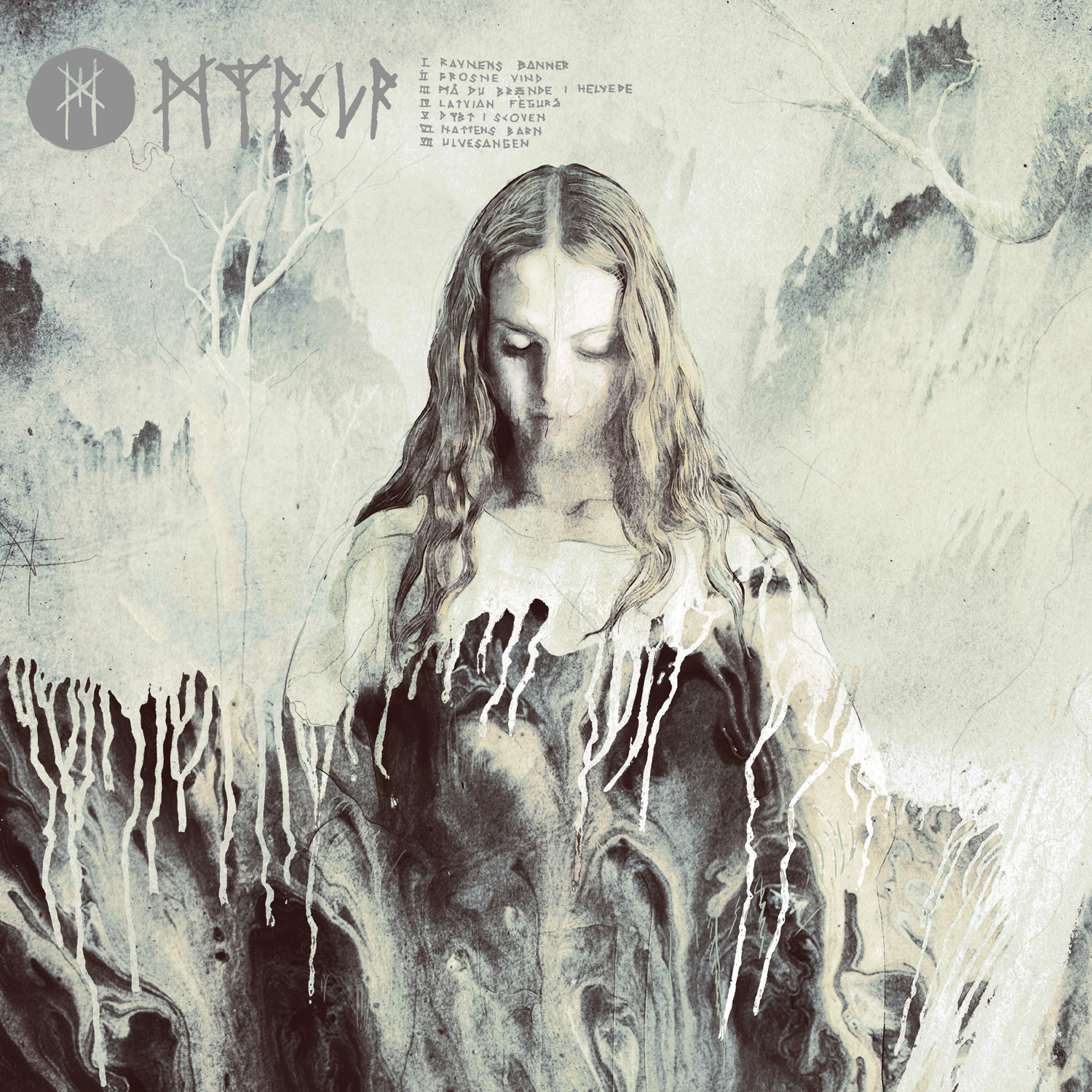
Myrkur coverThe word Myrkur means darkness in Icelandic, and that’s pretty much what we’re met with when dissecting the woman behind this music. Only recently was there enough info online to cull some biographical notes, but even those are rather sparse. What we do know is she has a knack for mixing light and dark, savagery and beauty, and the comparisons to bands such as Deafheaven and Ulver are pretty close. There are a lot of things going on here, from harsh black metal to woodsy folk music, and while fans of the Napalm label might eat this up, so should those who swear by Relapse’s increasingly daring, diverse roster. Taking a chance on this act was a good idea, and while there still are many ideas on this record that could use more development, it’s a compelling listen that really grows on you.

“Ravnens Banner” begins this collection with angelic choral parts (a staple of Myrkur’s sound) running into strains of elegant black metal that pulverize. The drumming is a little rote (I’m assuming that’s a drum machine on this record, which could explain why), but the vocals gash you, the melodies are stirring and exciting, and there’s darkness all around. “Frosne Vind” changes the pace and delves into lush, Euro-style folk. Acoustics paint the picture, while her swelling vocals rush to the surface. “Må Du Brænde i Helvede” attacks right off the bat, with blistering, dark guitar work emerging, Myrkur unleashing her first growls on the record, the melody jabbing at you, and even some folk coloring in the background. The leads sprawl and burn, only dissipating toward the end when calmer strains bleed in and take the song to its hushed finish.

“Latvian Fegurð” has more heavenly choral sections setting up, and the music makes you feel like you’re walking through a chilly, early morning mist. The lead work bursts with melody, the vocals float over the music like a cloud, and growls eventually emerge from the thick muck. The song has a New Age feel to it at times, and it’s a pretty stellar track. “Dybt i Skoven” has more of a post-punk atmosphere, especially with the guitar work, and while it has its filthy, dingy moments, much of the song feels more atmospheric and gazey. Nice changeup, actually. “Nattens Barn” starts with ghostly a capella vocals before they’re met by stormy passages and sped-up intensity. The vocals sound vicious at times, with the guitars getting raw and the pace trucking forward. The final riffs pierce the flesh, the leads keep charging, and everything is left in a cloud of smoke. Closer “Ulvesangen” is a brief, vocal-led outro that doesn’t last long but sure makes it feel like winter is on its way.

Myrkur’s debut isn’t perfect by any means. Some of these songs seem to end prematurely at times, and the ideas here could use more exploration. But it’s her first EP, and there is plenty to be excited about going forward. I would imagine on future releases, the songs get longer, she gets bolder, and this band really rounds into shape. This is a debut EP worth exploring and savoring, and it’ll be nice to hear where this band stands a year or two down the road.

For more on the band, go here: https://www.facebook.com/myrkurmyrkur

To buy the album, go here: http://www.relapse.com/store.html

For more on the label, go here: http://www.relapse.com/
PICK OF THE WEEK: Sons of Crom sharpen swords, tell bloody old stories on ‘Riddle of Steel’

Sons of Crom bandI had a birthday this week, and fairly monumental one, and a thought that kept coming to me was that I outlived Quorthon. Isn’t that a strange thing to think about? But here I was, out at night, staring at the moon, waiting for my dog to answer nature’s call, and pondering existence. Where might metal be if he remained?

That also got me thinking about bands that followed in that man’s gargantuan footsteps, some who did it right and some who lost their way. Maybe in the back of my head I was thinking about how I had the debut record from Sons of Crom ready to discuss in today’s Pick of the Week spot and about how they really remind of me of the spirit Quorthon and Bathory left behind. And that’s not to suggest they’re copiers or don’t have their own unique traits that make them special, because they certainly do. But they give me that sense of primitive wildness, of setting out in the wilderness on my own to find adventure, of building campfires at night while tales of warriors of old are traded to wide-eyed listeners. You also can name check Enslaved, Falkenbach, and Summoning.

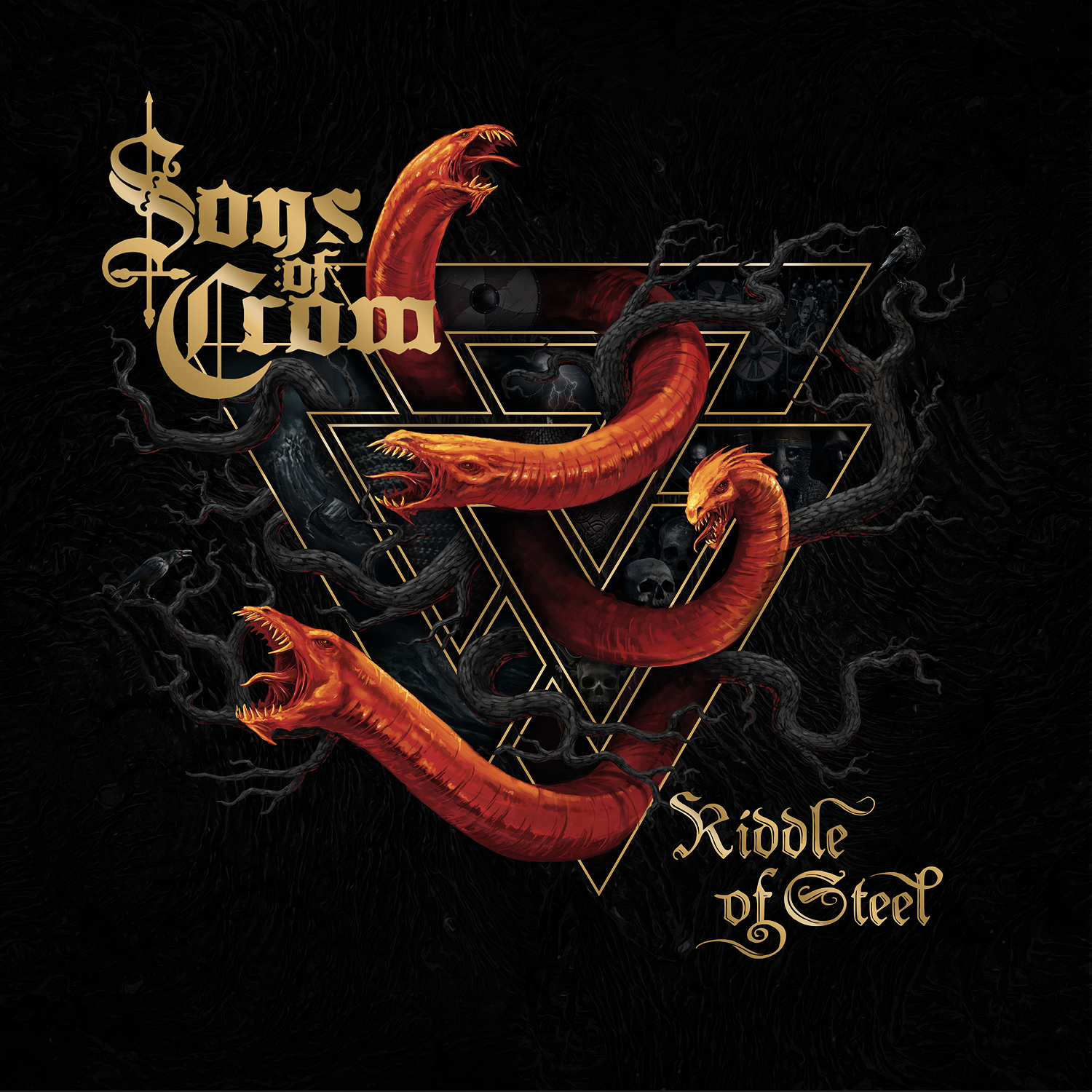
Sons of CromThe band’s debut full-length “Riddle of Steel” has plenty of that metal-clashing yarn spinning, as it follows a warrior down his own path, as he battles psychological and physical opponents, fights to find his way, and encounters death and destruction most people can’t imagine. It’s a classic tale in a way, one that fits so snugly deep in metal lore. It’s fantastical, enthralling, and tragic, and it grabs you from the beginning of the record and pulls you through the entire drama. That’s a major tip of the cap to the band members Iiro Sarkki (vocals, drums) and Janne Posti, who put together this fascinating, surging slab of Viking metal that’s played with true heart and the purest of intentions, with blood still dripping from their battle axes.

Our saga begins with “Myrarfar,” which has a cool black metal-style opening, airy guitar work, searing keys, and gritty clean vocals. The song runs into some cleaner playing, chanted group vocals, and then a sweeping chorus that could cause your blood to surge. It’s a great, spirited opening. “Master of Shadows” lets the guitar melodies soar, with the vocals taking command and driving through the verses with glory. The musical progression is really exciting and enthralling, with growls later kicking in, acoustic passages adding texture, and a wintry feel taking hold. The end of the track blows back open with more forceful guitars and massive singing. “Golden Gates” pulls things back a bit, reminding a bit of Opeth’s current mind frame. The acoustic picking leads into the line, “All of my debts are settled,” making you feel like a crucial part of the tale is at hand. The singing gets deeper and more solemn, and when the line, “The mountains have called, and I will answer,” drops, you know you’ve hit pivotal terrain.

“Call of the Black Mountain” naturally follows, with heavy, charged-up guitar riffs, creaky vocals that are met by spirited singing, thick keyboard clouds, and drums that rumble your bones. “Cimmerian Dance” goes the Euro folk route, with strong metallic riffs trading places with a dance shuffle-style melody that makes me think of a night of drinking and dancing following a long day at battle. It’s a really fun track. “Victory” is a 12:12-long epic that acts as a climax of sorts, opening with acoustic strains and earnest vocals before the song twists toward whipping winds and hammering playing. The music takes its time and plods along in its pace telling its tale, with the vocals taking on different personalities, from mournful to violent. Different streams of sounds keep spilling into the song, keeping things fresh and rushing, and a monologue that comes in at the end seems to put a bloody exclamation point at the conclusion of the song, with war and death thick and stinking in the air. Closer “Seven Spells (The Riddle of Steel)” is a quiet, reflective instrumental that sounds like a requiem for what just transpired and lets you close the book gently, as you absorb what just transpired.

Like the character in their album, Sons of Crom still are forging their own path in the metal world and surely will do battle with any forces standing before them. “Riddle of Steel” is a great record that follows their very promising EP “Victory,” and it ensures we still have some great storytellers in our realm. Every adventure with this record is breath-taking, sometimes turbulent, and occasionally beautiful, and it’s going to be a real joy to behold during these upcoming cold autumn nights when only a dark ale can keep me warm inside.

For more on the band, go here: https://www.facebook.com/sonsofcromofficial?ref=ts&fref=ts

To buy the album, go here: http://www.debemur-morti.com/en/12-eshop

For more on the label, go here: http://www.debemur-morti.com/en/

Ingurgitating Oblivion finally return with mind-warping new masher ‘Continuum of Absence’

IngurgitatingI consider myself lucky that I’ve never had my head, or any other body part for that matter, stuck in a vice. I am one of the clumsiest, most accident-prone people on Earth, so that sense of relief is not preposterous. I did get my head stuck in the metal slats of a swing on my grandmother’s porch when I was a kid. Scared the hell out of me.

My good fortune around a tool bench comes to mind when thinking about “Continuum of Absence,” the gargantuan new record from Germany’s more-than-a-mouthful-named band Ingurgitating Oblivion. We haven’t even heard from these crushers in nearly a decade, but in that time, they’ve managed to well oil and refine their technically baffling, gurgling death metal machine to the point of pure terror. Hearing them makes me think of having a body part locked somewhere against my will, as great forces do both physical and psychological damage, leaving me no choice but to take the beating. That might make it seem like I don’t like this record, but that couldn’t be further from the truth. Instead, it makes me imagine those horrible scenarios almost in a way of perverse entertainment. I feel bad for the sorry bastards these guys do catch and wallop over and over again.

Ingurgitating coverThis band started off as Of Trees and Orchids, a rather serene-sounding name, in 1997, and a few years later, they switched over to this moniker. Since that time, they’ve managed one full-length in 2005’s “Voyage Towards Abhorrence” and only a few mini releases otherwise. But they sound like one mighty beast on this new one, and this band–vocalist Ulrich Kreienbrink, guitarists Florian Engelke and Sascha Hermersdorf, bassist Christian Pfeil, and drummer Ingo Neugebauer–sounds ready to take on the task of brutalizing as many people as humanly possible. The accompanying bio suggest those who dig Immolation, Morbid Angel, and the great Gorguts would find favor with these guys, and I’d be hard pressed to disagree or fiddle with that statement.

There’s an eerie first minute or so that greets listeners at the start of “Eternal Quiescence” before it heads into cold outer space and then clobbering pits of violence. The track is dipped in muck, with fierce growls exploding, vicious guitar work unfurling, and sinister darkness spreading its way across this 10:21 animal. “Save us!” Kreienbrink howls in desperation as the music bubbles up and fizzles out. “Antinomian Rites” begins with some weirdness before it blasts open, with crushing growls meeting rubbery bass work and muddy death pits. The drums go off toward the end of the song, with strong soloing adding even more taste. “Burden of Recurrence” runs 8:28 and takes its time to fully form. As the momentum builds, the track leans into devastating growls, tricky guitar work that’ll cause you to tilt your head with intrigue, and an interesting melody line that snakes through the song and leads you from front to back. The track spills ill intent, while the rhythm section keeps it limber and volcanic. “Descent to the Temple” is dusty and cosmic at the start, with guitars whipping up a lather, and further mucky filth adding a nice thick layer of grime. The vocals sound tortured, while the drum kit is absolutely battered, and later an exploratory path runs headlong into an inferno.

“Avatar of Radiating Absence” goes 7:26, and it slips into noise, strange winds, and a mind-altering approach to the music. No surprise there, as the band keeps the pace heavy and their mind frame monstrous. The vocals sound scraped from the guts, and the patterns are totally grisly and sickening, with the body blows being spread all over the place. A giant helping of gloppy death stew is then dropped at the finish. “Offering” is a shorter, more explosive piece, with loopy guitar patterns, some unforgiving clobbering that should cause bruising to the ear drums, and vocals that sound painful to deliver. The nearly eight-minute closer “Stupendous, Featureless, Still” pushes noise screeches into smothering mauling that rumbles along for the song’s entire run. The high points of what we’ve heard before are revisited, from the tar-thick riffs to lurching bass work to hellacious growls. The sounds meet up and begin swirling heavily like a metallic tornado, feeling like four different songs are assaulting you at once. The deranged laughs that drop at the end poke and insult you, like the band is reminding you it was their decision to let you live.

Ingurgitating Oblivion may not be the most prolific band in the world, but at least they’ve given us quality. Hopefully with the arrival of this dark, gut-shaking, violent treat of an album in “Continuum of Absence,” the guys will get on track and report back to us more often with whatever sick creations they conjure. This record will shake you up inside, pummel your nerves, and leave you begging for mercy while your head is locked mercilessly into that basement vice.

For more on the band, go here: https://www.facebook.com/pages/Ingurgitating-Oblivion/310897791310

To buy the album, go here: http://www.willowtip.com/store/

For more on the label, go here: http://www.willowtip.com/home.aspx

All Them Witches combine blues, swampy Southern storytelling on killer ‘Lightning at the Door’

All The WitchesNo doubt we veer toward the more extreme end of metal just about every day, which wasn’t really the plan. It’s just how things kind of came together as this endeavor has gone along. I don’t regret that at all. But I also relish a chance to look in other areas of metal, even some that’s more roots-based and might even be questioned by some as to whether it belongs in the genre.

I can certainly see, in this current metal landscape, how some might dismiss Nashville’s All Them Witches from the conversation. After all, instead of brutal, shockingly loud, and barbaric, the band is more swampy, blues based, and very, very Southern. I just caught them last weekend opening for Windhand in Pittsburgh, and not only did they fit in with the evening very well, they managed to take me back to a simpler time when people weren’t doing battle over labels or what’s true metal or any of that nonsense. Simply put, All Them Witches (the name is a reference to the classic film “Rosemary’s Baby”) likely are better placed as a rock band, but they’ve got some stomp and power that could endear them to a metal crowd. Plus, they’re just really, really fucking good. I knew that after spending time with their new record “Lightning at the Door” and was blasted over the head with that fact after witnessing the band live.

All THem Witches coverAs noted, there’s a heavy Southern bend to the record. Not just musically but lyrically as well. These stories they weave through humid passages and rain drenched memories contain good and evil, trials and tribulations, death, violence, rebirth, you name it. In fact, following along with the words is almost a must if you want the full experience, and that’s a refreshing thing to say about such a young band. For all the limp rock bands that make a dent on mainstream radio, none hold a candle to this group’s ways of going about things. Some regular airplay–I know, that’s like asking for a miracle–would do wonders not only for people’s tastes but for these honorable gentlemen that include vocalist/bassist Michael Parks Jr., guitarists Ben McLeod and Allan Van Cleave (whose choice of weapon is a Fender Rhodes), and drummer Robby Staebler.

Swelling opener “Funeral for a Great Drunken Bird” is a slow burner, letting the band take its time to set the scene and get you good and involved. A few minutes in, the song begins to fire up, harmonicas swirl like mad, and Parks Jr. howls his eulogy like he’s yelling off a mountain top, “Goodbye, you great fool, we’ll love you!” “When God Comes Back” is a real trip through the swamps, with bluesy playing and the feeling like you need to swat away pesky, blood-seeking insects. The vocals are gritty and soulful, the leads soar, and the band finds some room to stomp you pretty good. “The Marriage of Coyote Woman,” the first of a two-part story, is a total psyche blues experience that makes it feel like the forces of evil are getting into your blood. “I’ve never met a salesman like you before,” Parks Jr. drawls as the music builds up around him. It’s a great song that any person who overindulges in guitar rock and the blues are bound to love, and it’s a perfect piece to enjoy while sitting with a beer, a cigarette, and the screen door swinging on its hinges. This song is just lethal through and through.

“Charles William” keeps the momentum rolling ahead, and this could be the song that breaks them out to a larger audience if this can get in more ears. The song plods along with a slight sinister bend, with some nasty slide guitar lines coloring in the chorus when Parks Jr. pushes, “Jesus was my dad, never laid a hand on me.” There are so many ways to read into that line. The track has a dark noir feel, and it’s one of the best rock songs of the year. No hyperbole. “The Death of Coyote Woman” pays off the second part of their story, with power pushing forth, cool riffs taking hold, and some great musical phrasing that’s alluring and true. “How have I been chased for so long?” Parks Jr. wonders, as the band heads into haunting territory, the keys start to burn, and the track slithers out the door. “Romany Dagger” kicks up Appalachian-style folk and high spirits, as the band gives themselves over the rustic sounds and a different kind of energy. Vocals sound like chants, some slide guitar squeezes in, and the end fades away in dust. Closer “Mountain” brings a hush to the room, as a wave of dreary melody rolls in and the vocals sound like they’re being delivered from deep underground, perhaps from an abandoned mine. Parks Jr. pays tribute with, “God bless our mother the mountain,” before the cut rips open, and the intensity rises. The music is punchy, the band hits on a smoking blues/psyche kick, and the final moments are the most dangerous of this entire great debut record.

These guys are coming for you. All Them Witches’ “Lightning at the Door” is too damn good, too powerful, too darkly magical not to have an impact, and if you’re not aware, they can be behind you like a ghost in the night, ready to claim your soul. Now’s a great time to rediscover the power of true, heart-and-soul rock and roll music and to remember how that type of music made the insane metal we enjoy today possible in the first place.

For more on the band, go here: https://www.facebook.com/allthemwitches

To buy the album (and get an instant download of “Charles William,” go here:  https://itunes.apple.com/us/album/lightning-at-the-door/id912472924

The Sabbathian’s spellbinding storytelling, dark, occult woe form enrapturing ‘Ritual Rites’

The OccultationAs much as I love music that makes me take spiritual journeys and pull apart ideas and wonder the meaning of it all, it’s also nice when you can sit down and not have to do a ton of introspection about what’s beneath it all. We get that today with new band The Sabbathian.

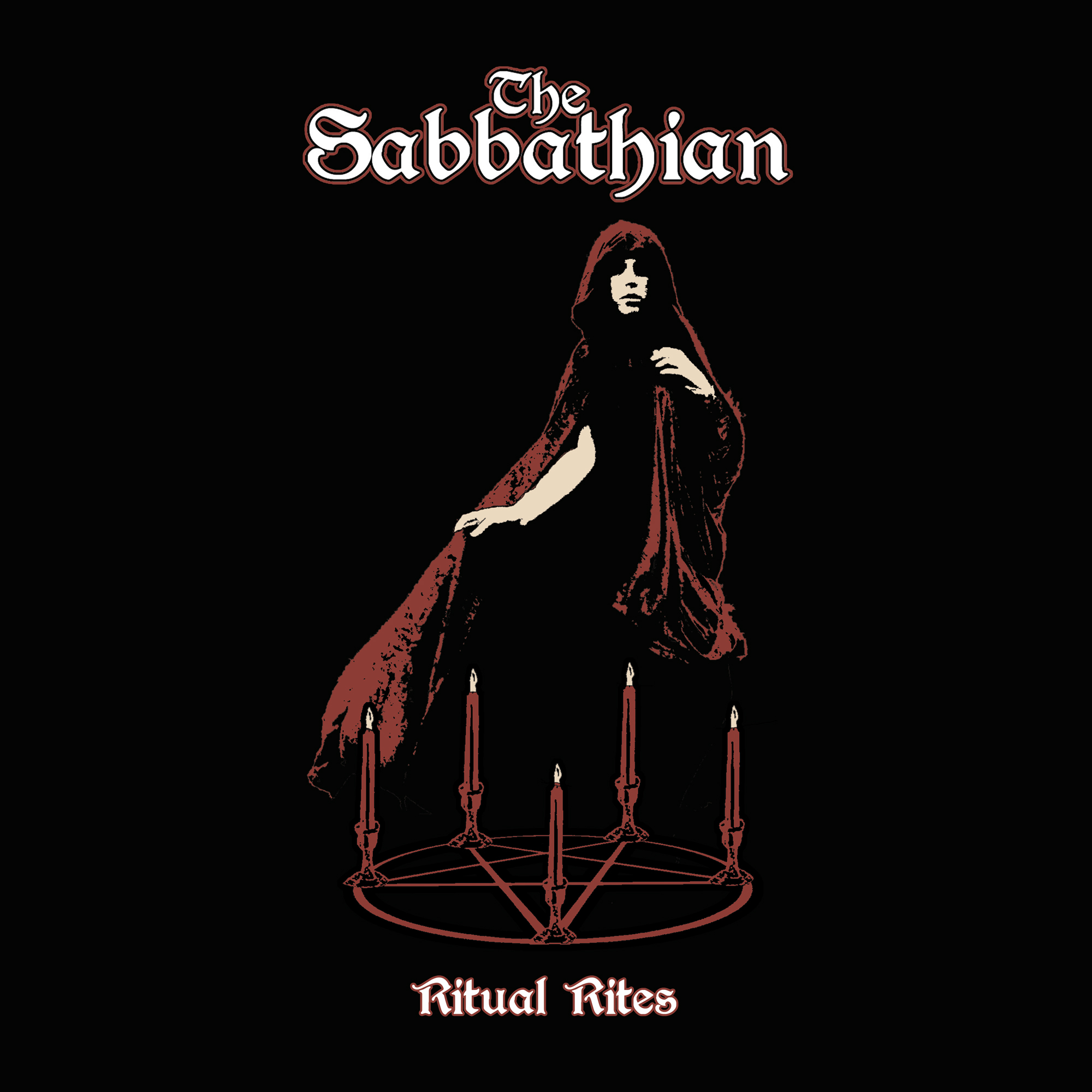
OK, that’s kind of bullshit. The “no deep exploration” thing only pertains to the band’s name. You pretty much know what you’re going to get, right? Traditional doom in the vein of … that classic Birmingham-based quartet that started it all. Throw in some Candlemass and even a little bit of recently passed modern act The Devil’s Blood, and you’ve got a good handle of what you’ll hear on the band’s three-track debut “Ritual Rites.” Now, once you dig into the music and the incredible Occult-based themes lurking, then you’ll have plenty to dissect and digest. So it turns out you do get to take a dangerous little journey after all. Just from this quick first taste, this band is one of the more hopeful new bands holding up the doom banner, and I’m really excited about what they have in store in the future as their coven grows.

The Sabbathian was put together by Chad Davis, who played in the great Hour of 13 (a band that never really got its just due) and also is a member of countless other acts such as Olde, Mountain of Judgement, Chains, and Profane Grace. On this record, he handles a yeoman’s portion of the effort with guitars, bass, drums, and even some vocals. Joey Downs (Altar Blood) adds his two cents with his rhythm guitar work. But the real star of this trio is Nordic vocalist Anette Uvaas Gulbrandsen, who has played with bands such as Leaves Eyes, Nattsol, and Mandylion. Her voice is spellbinding, as her words entrance and demand your utmost respect and attention. She sounds like she’s transcending worlds and planes of existence, and she gives a very bloody heart and soul to these tracks. She’s an incredible force and this band’s most potent weapon.

“Ancient’s Curse” is your opener, and right away it’s going for your throat. It’s a great case of classic doom storytelling, both musically and lyrically, with guitars chugging, dark emotions rising, and Gulbrandsen unleashing that incredible voice that sounds like it was created specifically for this style of music. The song is alluring and powerful, the scenes are scary, the melodies could cause you to trance out, and the soloing is rock solid and immediately impactful. It’s a tremendous first cut, but it just keeps going for blood from there. The title cut has a mystical, eerie start, with the vocals calling for evil and the spirits of the underworld to rise up. “Ruler of all undead,” Gulbrandsen summons, with her singing conjuring a sense of dread and horror. Later she demands, “Turn the cross upside down,” as the band backs her with a fiery force that adds even more punch to her words. Closer “Nightshade Eternal” bursts open with soaring vocals, sounding like it’s designed to soundtrack a ritual. The guitar continue to churn and burn, and the singing drops in register, as Gulbrandsen reaches into her guts for the worst possible sentiments to spread over everything. There is great classic metal feel to the music, making me think of the pioneers of the genre, but then the track blasts into speed previously kept hidden. The final minutes of the track work to flatten, as the band gallops hard, with Gulbrandsen declaring, “We are the night, we are the dead,” showing such great command, you never doubt her for one second.

This killer debut positions The Sabbathian as one of the most promising new doom acts anywhere. This is a fun, blistering listen, with evil intent and darkness for you in bulk. And because it’s such a short release, going back and listening over again certainly isn’t a chore. “Ritual Rites” demands your undivided attention, and no doubt you’ll be willing to hand it over mere minutes into this thing. I can’t wait to hear what this band can do with a full-length record.

For more on the band, go here: https://www.facebook.com/thesabbathianband

To buy the album, go here: http://svartrecords.com/shoppe/en/

For more on the album, go here: http://www.svartrecords.com/

PICK OF THE WEEK: Ævangelist’s chaos, infernal flames smeared all over ‘Writhes in the Murk’

Photo by Alyssa L. Paulsen

Photo by Alyssa L. Paulsen

Chaos and torment are elements that make up a great deal of metal in this day and age, and sometimes they can serve to undo works of art. Too much of either can feel overbearing or even annoying. But the right amounts, presented the correct way, can enthrall and even cause you to teeter on the edge of your own breakdown.

They haven’t been clubbing souls for long, but Ævangelist have, in a little under five years, shown the word what true panic is all about. Their music is suffocating and terror inducing, like you’re trapped underneath a great weight or lodged in a deep tunnel, with only your throbbing anxiety there to keep you company. Their sounds are pummeling and punishing, but also oddly intoxicating, like you’re being overcome by a great cloud of mind-altering smoke. It’s such a strange experience, and with each of their first two albums–2012’s “De Masticatione Mortuorum in Tumulis” and last year’s great “Omen Ex Simulacra”–this Illinois/Oregon-based band has created an audio journey that equals strange nightmares from which you feel you’ll never wake. Sound perversely pleasing? Good, because it is.

Aevangelist coverNow comes the band’s third record, the massive and swelling “Writhes in the Murk,” and the title is appropriate because that’s what you’ll feel like you’re doing listening to this many-tentacled beast. Death and black metal are there ripping apart foundations with their tornadic approach, while heavy and gusty industrial elements also make their presence known and give the record the feeling like it was formed in great steam-filled factories. After all, how else would these strange figures in vocalist Ascaris (he also handles sax and cello) and multi-instrumentalist Matron Thorn come up with such menacing, steely creations. Shit, I often forget they’re based in the Midwest and Pacific Northwest, they’re so bizarre. It feels like they should hail from a rogue, burning planet or underground. Oh, and when they play live, the lineup swells further, including musicians Æryn, ][, The Auditor, and S.

“Hosanna” starts off the filth hymnals, and you can bet they’re not being sent on high, as noisy industrial pounding and murky, churning guitars open up this madness. The vocals go from warped growls to pained moans, and the whole environment is eerie and strange. Everything explodes anew toward the end, with drums splattering, the vocals being spat crazily, and everything disappearing into a hiss. “The Only Grave” is built on doom-heavy riffs, slurry melodies, and gurgling vocals, like Ascaris has a pool of blood welling in the back of his throat. The song sounds like it would be appropriate material for a dank dungeon, where some poor bastard is hanging upside waiting to be tortured. “Præternigma” has black metal powering it forward, and along the way it meets up with more harsh growls, a thick haze of violence, and then some eerie, almost prog-style playing that trickles all over. Odd bellowing emerges like a crazed prisoner being held somewhere, potentially hallucinating, and the final grinding moments ensure the proper amount of damage was done. “Disquiet” brings things back to calm temporarily, acting as a weird, blip-filled bridge into the second half of the record.

“Ælixir” has a neurotic, twisted sense, with vocals and guitars swirling about and a mashing sensibility that smears you. Creepy dialogue emerges, noise whinnies and pierces, and horns cry out, meeting up with bone-dusting drums. The song takes a foggy, jazzy curve, the music sustains serious artistic damage, and the song bleeds out into the night. “Harken the Flesh” has a slow, weird start that also heads toward black metal terrain, but the kind that also is inhabited by bands such as Deathspell Omega and Blut Aus Nord. The song is mucky and muddy, there are zaps of noise, and some old-style guitar soloing hits toward the end. That’s the weirdest part of the song, the section that feels the most straight-forward. “Halo of Lamented Glory” blasts open with a rock-solid riff, abrasive growls, and more nauseating melodies that might make you think the room is spinning. The second half of the song straightens out a bit, headed slightly toward accessibility, and the track fizzles out in static. The closing title cut has a clean, creative bend, and some classical-style guitar playing emerges to add a sense of infernal class into the proceedings. The song charges up, of course, as guitars chug, the vocals belch tar, and the hell is allowed to spread all over. As the track goes on, it gets stranger and stranger, with a female voice providing icy commentary that borders on inviting death, and the final moments offer room for both hammering violence and alien transmissions that leave your head swimming and you confused as to what you just heard. It’s a hell of an unsettling album, and I know it took me several listens just to digest everything that was going on here. I’m still not sure I have a complete handle on it.

There’s no way to put Ævangelist into a corner or to hold them to some kind of standard, other than experimental excellence. They put their own spin in black and death metal, and everything they do is interesting and compelling. “Writhes in the Murk” continues the band on their path of infernal chaos and proves that they’re only scratching the surface of what they can do creatively. It’s weird, it’s warped, and it doesn’t go down easily, which are high compliments. This band will burn a hole into your gut and your psyche at the same time. Holy shit, what could possibly be next?

For more on the band, go here: http://www.newobliviongospelmusic.com/

To buy the album, go here: http://www.debemur-morti.com/en/12-eshop

Or here (North America): https://shop-hellsheadbangers.com/

For more on the label, go here: http://www.debemur-morti.com/en/

Or here: http://www.hellsheadbangers.com/

CROSSING OVER: ‘A New Nature’ is Esben and the Witch’s loudest, most fulfilling record to date

Esben bandWe haven’t done a Crossing Over column here for a while, and there are a couple of reasons for that. For one, I didn’t have anything for several weeks in that category–not really metal, but certainly with appeal to that audience–and because I’ve been writing a lot of those pieces in capsule form elsewhere. So I felt like I was having my say and didn’t want to repeat myself here.

Today we change that with the introduction of “A New Nature” by British post-punk band Esben and the Witch. OK, well, post-punk should be used very loosely these days, because what they accomplish on their third record, their best yet by a long shot, is branch out so much further than that. There definitely are heavy, volcanic moments here, and there are bursts of loudness that could match any metal band on the planet. Plus, it’s so richly melodic and engrossing, that is practically defies description. There’s doom, shoegaze, folk, and so much more. Crossing Over designation or not, this record deserve to be discussed on a metal site, and those out there with broad interests and eager ears are going to find one of the best damn records of the year. No hyperbole. I’ve listened to this album over and over (produced by Steve Albini, by the way), and I’ve loved Esben and the Witch from the get-go. But this is something special that stands out not only from the rest of their strong catalog but from the rock world in general. What a mighty, engrossing triumph this is.

Esben cover“A New Nature,” which might as well be the band’s motto for this record, is their first for own imprint Nostromo. Previously, the band released debut “Violet Cries” (2011) and last year’s “Wash the Sins Not Only the Face” on mighty indie label Matador, and truth be told, they’d still fit in just fine there. But going out on their own, throwing caution to the wind, and making their own adventure obviously was important to the band–vocalist/bassist Rachel Davies, guitarist Thomas Fisher, and drummer Daniel Copeman–and they excel and explode with blinding, glorious colors.

“Press Heavenwards” is a 10:16-long opener that is enthralling from beginning to end. It has a fairly serene beginning, which could make you think you’re in for a heavy dose of tranquility, but things change as the song develops. The track bursts open, thick basslines break through barriers, and gazey guitars meet up with hypnotic melodies. As the track builds, so does the intensity, and there’s a particularly gripping moment when Davies accentuates the word “spectacular” that signals the final burst before the song reaches its close. “Dig Your Fingers In” has a folky start, with quietly delivered vocals and a lovely backing, but like so much here, it turns volcanic in a hurry, with a great chorus that’s simply Davies repeating the song’s title in a way that really guts you. “No Dog” has a rumbling start, with charred riffs and dark drizzling sounds soaking the ground beneath their feet. Guitars wail, the singing is great and impassioned, and it’s a real boiler. “The Jungle” runs 14:33, and it’s the record’s centerpiece. It also happens to be one of the most brilliant songs in the band’s canon, one you should make a point to hear. The storyteller about a woman entering a forest for a search that turns cataclysmic but ends in her transformation, builds tremendously, with the first third of the song switching from trickling, stormy melodies into outright turbulence and power. Sinister guitar lines emerge as the fires keep raging, and that all settles into a solitary trumpet that takes over and signals the turning point in the song. From there, the song ramps back up again, insects chirp, the drama escalates toward its finale, and you probably will find you’re breathless on the floor when the whole thing is over. Just astounding.

“These Dreadful Hammers” has the unenviable task of following that epic, and the band finds a way to do it, starting with hushed a capella vocals and calm. When Davies calls, “Rejoice!” she’s met with devastating, sludgy guitars that are muddy and clobbering, rumbling that settles like a cloud of smoke, and mournful horns that cut through the murk. “Wooden Star” has a nocturnal-style start, as it feels like it’s going out into the night, and along with brushed drums and cold melodies, Davies sings, “I’m here, I’m wide awake.” From there, the song’s bubble bursts just a bit, though not too much, as the singing gets a bit more forceful, with Davies observing, “Safe from harm, under the watchful eye of a glowing sphere.” “Blood Teachings” runs 7:54, which only qualifies it as a mini epic on this record. A slinky melody slips into alluring mystery, lightly jazzy playing, and a tempo that feels like it could ignite at any moment. Of course, that time arrives, as the band starts playing faster and gaining steam, the main guitar riffs hooks you and keeps you close to the track’s heart, and the final moments of piercing energy send shrapnel and flame flying. Gentle closer “Bathed in Light” is a brief final curtain dressed with quiet playing, delicate vocals, and a soft finish almost as if to act as a pillow for your thunderous fall.

Esben and the Witch have their first bonafide masterpiece with “A New Nature,” and all music fans, metal or not, should make an effort to hear this record. The music is swelling and dramatic, the storytelling is dangerous and gripping, and all three of these gifted musicians put in the performances of their lives. This group already was a formidable one, but they’ve reached such great heights, it’s hard to think of another band of their ilk that’ll be able to reach them.

For more on the band, go here: http://esbenandthewitch.co.uk/

To buy the album, go here: http://esbenandthewitch.bigcartel.com/

For more on the label, go here: https://www.facebook.com/NostromoRecords

Megaton Leviathan rise again, weave spacey psyche doom into ‘Past 21 Beyond the Arctic Cell’

Megaton LeviathanJust because something should be doesn’t mean it will be. We all have big ideas in our heads and things we want to accomplish. But just having those intentions doesn’t make them so, and often we have to overcome hurdles, frustrations, trials, and tribulations to see them through. People who give up likely didn’t crave their vision as badly as they initially thought.

That struggle for what you want can be applied to doom/drone project Megaton Leviathan. Here’s one of those groups that definitely does not color within the lines and stands out among many of the other bands in their crowded sub-genre designations. The band also should be far better known, as their limited output thus far has been more than stellar (especially the 2010 debut full-length “Water Wealth Hell on Earth”). But again, things don’t always turn out the way you want them to, and the band seemed to float by in a bit of obscurity. The past few years, Megaton Leviathan have had more creative ups and downs, internal conflict, and gaps where it probably seemed the band’s new record “Past 21 Beyond the Arctic Cell” never would be a thing. Luckily, sole original member Andrew James Costa Reuscher persevered and poured himself into this record. And it certainly was worth the wait and frustration, at least for the listeners.

Megaton Leviathan coverIn fact, the record morphed further from creative and recording stages, as Reuscher and Mort Subite, who mixed the record, took the thing on the road as a one-man show and visual performance piece (Subite worked to mix the audio live). They later added drummer Markus Covello to the mix, and Megaton Leviathan had again become a full fire-breathing beast. The music on this record can feel pretty weird at times, which I find intriguing, but it keeps the doom, psychedelic wonder, and dream-infusing drone in place. Reushcer’s singing continues to develop, as his sometimes detached, sometimes floating croon matches what’s going on here perfectly. I can only imagine what these songs sound like live, and hopefully I’ll have a chance to experience that. Until then, this record will have to suffice.

“Past 21” opens the album and instantly gives you a taste of what’s ahead. Trippy guitar work, hypnotic melodies, and strange, warped sounds permeate your being and could make you feel a little funny in the head. The signing feels relaxed and ensconced in the stars, and the music takes dips toward relaxing and dreamy. The song bursts anew in its final act, with emotional guitar playing that tilts back and forth from Pink Floyd at their most atmospheric and trickling deathrock. In another twist, the final moments push into folk rock territory. “The Foolish Man” has alien blips that mix into mesmerizing sitar playing, coming off like a song that should help you reach centeredness. Vocals blend in, feeling slurry and exploratory, while the guitars go boozy and easy. The music has a really strange feel to it, and the vocals match the bizarre surroundings.

“Arctic Cell” starts off with the heaviest doom crunching of the whole record, as things pound and flatten in a slow, deliberate manner, and the vocals hang in the air. The whole thing has a druggy effect, so don’t be worried if the music makes you feel numb inside or like you’re having an out-of-body experience. The guitars add even more texture to this rich piece, with the music going toward a Western setting, and then heavy chugging arises, with a bell chiming on pace, as if it’s signaling an oncoming round of souls home. Closer “Here Come the Tears” is very different idea for the record entirely, in that it’s their interpretation of the Judas Priest track from their 1977 album “Sin After Sin.” Despite the fact that I own that record, on my first stab at this review, I didn’t even realize that. Hey, it happens. Sometimes I literally need my facts fed to me by a spoon. Anyway, great take, and a really cool way to end the record.

Megaton Leviathan certainly sounds like a project that’s found its space, and this second record “Past 21 Beyond the Arctic Cell” is one hell of an adventure. The visual elements surely help this have even more impact live, so perhaps that’s the band’s ultimate setting. But there’s no reason you can’t get lost in these four sprawling epics that’ll take you into space, through frozen tundra, back toward untapped spaces of your mind and back again. Here’s hoping this album will get this band the legion of followers they deserve.

For more on the band, go here: http://megatonleviathan.com/

To buy the album, go here: http://seventh-rule.myshopify.com/

For more on the label, go here: http://www.seventhrule.com/

Icelandic dreamers Solstafir push boundaries even further with melodic, emotional ‘Otta’

SolstafirBands enthusiastically pushing and encouraging their own development and the changes that result from those is a major theme in metal lately. It’s something we’ve certainly covered extensively here, a good example of which is the Opeth piece that ran a couple of week ago. Today, we return to that subject that has given so generously and bolstered some healthy debate among metal listener.

Solstafir started off as a pretty aggressive band, as anyone who has heard their 2002 debut record “Í Blóði og Anda” surely knows. They were gnarly, black metal-influenced, post-hardcore, classic screamo, and they were a devastating unit. But the Icelandic band never was predictable nor like any other acts out there, and even with that first album, it seemed like they might be a band that wouldn’t tread an expected path. We knew that was the case with their 2011 release “Svartir Sandar,” and that point is hammered home even harder with their excellent new record “Otta.” One could point to this record and say it isn’t even metal. Fair point, though who really cares? The band definitely digs deeper into post-metal and post-rock territory (I hate those terms, too, by the way, but they’re easy descriptions), and much of the record is lovely and emotionally moving. It’s their best work yet, mostly because it’s their most realized and effective. Oh, and the music is just damn good.

SUA 331LPES Trigatefold.inddSolstafir picked a really good time to up their game. With Season of Mist behind them, they’re on a solid label that’ll get this music into people’s hands and ears. Plus, with this past year’s appearance at Maryland Deathfest behind them, more eyes will be on them than ever before. The four guys who make up Solstafir—guitarist/vocalist Aðalbjörn Tryggvason, guitarist Sæþór Maríus Sæþórsson, bassist Svavar Austman, and drummer Guðmundur Óli Pálmason– did an excellent job answering the bell and putting out a record that’ll keep their more open-minded listeners intact and will find a slew of new people eager for a challenging band that’ll always put great music in their laps. The one gap that might exist is that all of the songs are sung in their native Icelandic, but really, if you hear this thing, that won’t be a sticking point. The pure expression more than overcomes not being able to understand the words.

We open with “Lágnætti” that begins with dripping piano, some gentle singing, and strings drizzling atmosphere. Then it opens up, with the tempo pushing forward, the vocals going from clean bellowing to bursting shouts, and gazey fire just erupting. Next up is the title cut, a really great song and one of the best cuts on this record. There’s a great banjo line snaking through the entire song that acts as the spine, and it makes me feel like the band dipped a bit into Americana. Like many of the other cuts on the album, it goes back and forth, getting quiet and reflective at times, loud and bursting with gusto at others. Really amazing track, and I keep going back to revisit this one. “Rismál” opens with a capella vocals, before steely guitars meet up with it and give it a country-fed feel. The music echoes and bleeds reds and oranges, and the melodies constructing this thing, both musically and vocally, are gripping. “Dagmál” feels a little poppy at times, which is a cool curve for the band, and it’s one of the catchiest songs on here. It’s a great example of how these guys can get past the pesky language barrier and just get in your blood.

“Miðdegi” has a soaring open, some of the most forceful vocals on the record, and a really cool texture that sits behind this basher. The guitars grind hard, the singing is fantastic, and it’s just a really great rock song. Period. “Nón” has a gritty start, and you can sense things are going toward epic territory. Serenity takes over, as keys slip in and trickle through the song, but then things ignite almost out of nowhere are tear forward. The final section rips into classic rock-fueled bombast, as these guys let loose and get raucous and nasty, and I’d imagine this will bring their crowds to life when they play it live. “Miðaftann” is a quiet, slow one, though to call it merely a ballad would not really be doing the song justice. Piano and strings add the atmosphere, the vocals are softer and more reflective, and it even bleeds thematically into the gigantic, 11:15-long closer “Náttmál.” That one grabs you from its opening melody that builds off the strains that led into this, and dreamy tones make it seem like this one will float into the clouds. But then things speed up in a hurry, as the band lets loose, and over the entire piece, waves crash down hard but then pull back into the ocean again. The guys cut things open in the final four minutes, as guitars start to chug hard, organs spill in to give the thing a psychedelic wash, and the playing reaches a fiery crescendo that eventually gives way to the final pumps of organs. Enthralling finish to a heart-stopping record.

Solstafir’s tremendous new album “Otta” is a game changer for them. It makes their future wide open, both from a creative perspective and concerning how far they can go. You can feel this record in your heart, which lets you know how genuine it is, and it should make them one of those bands that spill out of people’s mouths when name dropping the modern era’s most exciting bands. Their metallic teeth might not be as sharp anymore, but their creative juices never have been flowing harder.

For more on the band, go here: http://www.solstafir.net/

To buy the record, go here: http://shopusa.season-of-mist.com/

Or here: http://shop.season-of-mist.com/

For more on the label, go here: http://www.season-of-mist.com/