Fins October Falls pay homage to history, ancestry on ‘The Plague of a Coming Age’

october falls
With winter choking on its last breath and spring around the corner, it’s a great time to explore some more atmospheric music that will sound perfect when rain is pouring down and fresh smells are in the air. That sounds so metal, doesn’t it?

What’s funny is I had to come in and amend this piece because now there are many inches of snow on the ground, with winter having one last laugh before fading away. Way to read over my shoulder, jerk. But the fact remains that when white stuff is being ushered out, my musical tastes tend to go from grim and frost-bitten to things that make my mind expand and wonder about possibilities. There are two new albums coming out this month that make me feel this way, though we’ll look at just one today, and while the music makes me think of trickling streams, mushy grounds still smarting from the snow it absorbed the last few months, and clean air, there still is music that can make you grasp backward, reminding us the ice can return at any time.

october falls coverToday we talk about “The Plague of a Coming Age,” the new record from Finland’s  October Falls, the brainchild of M. Lehto, who has been its primary force since the band began in 2001. They also are not to be confused with other groups that take on that autumnal month as a descriptor, such as October File and October Tide. It can get confusing, and I sometimes have a hard time keeping it all sorted when I scan my iPod. Lehto’s band blends sounds of groups such as Opeth and Katatonia from their earlier years, but the music also has many traits of other like-minded warriors such as Winterfylleth and Agalloch. There is plenty of room to breathe when taking on these songs, and the way everything cascades downward makes me think of sheets of rain soaking the terrain below.

While Lehto remains the driving force behind the music and handles guitars and vocals, he has two capable creative partners to help him flesh out his sound in bassist Sami Hinkka (Ensiferum) and drummer Marko Tarvonen (Moonsorrow, Barren Earth). “The Plague of a Coming Age” isn’t exactly about the sprouting of new life or brighter days ahead, but for some reason when I hear the music on their fourth full-length effort, I can’t help but think about walks through muddy wooded areas, warmer weather, and a new round of life. Instead, the album examines the trials and tribulations of ancestry, pays homage to bloodshed and lives lost for things to be as they are today, and the path made possible for these creators to travel. It’s deep in scope both lyrically and musically.

“At the Edge of an Empty Horizon” is a gripping, spacious opener that’s basically an instrumental introduction and leads right into “Bloodlines,” an emotional, thorny song that is full of melody and Lehto’s passionate screams. Weird thing about his vocals is that there’s hushed sense to his wails and growls and never sound monstrous, but they fit the music perfectly. “The Verge of Oblivion” begins with calm, cleaner tones, and fires crackling, but it’s not long until that cloud bursts and the storm soaks the soil. “Snakes of the Old World” is my favorite track on the album, as it’s catchy, loyal to days and pioneers of old, and it has something in it that reminds me of later-era Bathory.

The title track is another stunner, with textured melodies, soulful clean vocals, crunch where it needs to be, and an approach that reminds a lot of current-day Amorphis. “Mouth of a Nation’s Harlots” has a slower start and takes some time to develop, but once it does, winds sweep up, and intensity overrides all other emotion. “Boiling Heart of the North” begins with dripping piano and strings, then Lehto’s singing comes in, sounding sullen and mournful, and this gorgeous ballad will sound great on nights when warmer air dominates and it’s time to reflect. “The Weight of the Fallen” erupts with fast drums, soaring guitar melodies over top of the piece, and guttural, low-register growling that give the song violent overtones. “Below the Soils,” the longest track on the album at 7:28 and the closing number, is largely mid-tempo and obviously emotional, with Lehto unleashing his final growls and the guitars simmering and blistering before the record comes to its end.

October Falls have come up with another great chapter to their musical story, one that makes the wait from 2010’s “A Collapse of Faith” totally worth it. The music that is perfect for the dawning of spring will let you dream and wonder, not only about where you’re headed but perhaps from where you originate. Music that helps you feel that way is special and cannot be deliberately manufactured. October Falls are one of the more genuine, thought-provoking bands out there and always seem primed to take you on a mental trip somewhere new.

For more on the band, go here: http://koti.welho.com/mlehto4/of/of.html

To buy the album, go here: http://www.eitrin.com/search.php?mode=1&match=1&search=OCTOBER%20FALLS

For more on the label, go here: http://www.debemur-morti.com/

Death metal legends Suffocation return with crushing new ‘Pinnacle of Bedlam’

suffocation
It’s reassuring to know that, as our path through heavy metal and all of its changes and metamorphoses progresses, there always will be those bands on which we can rely to keep order and remind the younger wave of bands how it is done.

I defy anyone to challenge the credibility, influence, and altogether brutality of death metal legends Suffocation. The Long Island-based band has been at it more than two decades now, releasing flattening records that continue to up the ante when it comes to audio violence and leaving exhausted audiences in their wake then they play live. Any indication that this band would mellow or slow down with age simply is not there, because these guys do not stop and never relent in their assault. And to their credit, they’re not just mashing you for the sake of being able to do so. Their music remains imaginative and challenging to this day, and their latest record “Pinnacle of Bedlam” is an excellent example of that point.

Suffocation - Pinnacle Of Bedlam - ArtworkSuffocation have gone through some changes lately, with drummer Mike Smith once again exiting the band, only to be replaced by Dave Culross. Again. In addition, Frank Mullen, one of metal’s most engaging and interesting frontmen, has decided that touring full-time is something he no longer can commit to continuing, with family and work commitments needing his attention. Maybe something would halt a different band or have the other members pushing for a change at vocals, but these guys aren’t dumb. Mullen’s presence in Suffocation is one of the things that make the band as special as it is, and these guys understanding that home responsibilities sometimes trump all shows the strength and bond this band has and that they’re not irrational dudes.

All of this, and the band’s incredible past and wealth of experience they’ve amassed over the years spills over on their seventh record “Pinnacle of Bedlam.” Much of the content on this album is inspired by the Tibetan Book of the Dead and life and death cycles, a pretty heady and intriguing topic, and the music not only encompasses their brand of brutal, incredibly well-played death metal, but you also get some tastes of power and thrash as well. Also interesting to find on the album is a re-recording of “Beginning of Sorrow” from their 1993 “Breeding the Spawn” album, a curious choice to act as the album’s final chapter.

If you thought Suffocation would ease you into this record, you’re dead wrong. Opener “Cycles of Suffering” just ignites right off the bat, with grinding fury. Mullen’s deep, monstrous growls, and awesomely exploratory lead lines and soloing from Guy Marchais and Terrance Hobbs highlight this ferocious piece. From there it’s on to “Purgatorial Punishment,” a song with a similar tempo, style, and feel as the opener, with some wicked crunch and soaring fury to boot. “Eminent Wrath” feels thrashy and violent, and the drums are positively mashed during this one. “As Grace Descends” is fast and maddening, with more adventurous guitar playing and strong compositions that prove Suffocation are more than just pure brutality. “Sullen Days” is the curveball, opening and ending with clean, atmospheric guitar passages like it’s going to be a ballad, though inside it contains damage and auditory violence, yet with more reflective, personal-sounding lyrics.

The title cut is a total mindfuck, with tricky guitar work that’ll leave you dizzy, spacious leads, and pushy, powerful vocals that have Mullen in total command. “My Demise” is one of those cuts where they just let loose and force you face first into a steel industrial fan, with blood and guts splattering everywhere. “Inversion” pulls back a bit on the tempo, though certainly not the heaviness, and there’s a good bit of thick, muddy mangling here to keep you full for hours. “Rapture of Revocation” has all the parts you want from a Suffocation song, with even a hint of East Coast hardcore muscle throw in for good measure and a close that feels inspired by Bay Area thrash. Their re-do of “Beginning of Sorrow” rounds out the package, capping off one of Suffocation’s strongest, most cohesive records in years. And they’ve had some damn good records the past decade, but this one rises above all of that.

Who knows how much more carnage is left in Suffocation’s tank? They’ve been one of the best, most consistent death metal bands of the past 25 years, and they have nothing left to prove to anyone. But if “Pinnacle of Bedlam” is any indication as to how much fire is within them, then chances are those raging embers won’t subside any time soon, and we’ll have Suffocation leading the way well into the future.

For more on the band, go here: https://www.facebook.com/suffocation

To buy the album, go here: http://jsrdirect.com/webstores/nuclearblast/

For more on the label, go here: http://www.nuclearblast.com/en/

Nordic doom re-inventors Altaar conjure strange spirits, psyche carnage on debut

altaar band
Embracing something and paying homage to it is a respectable, worthwhile venture. But taking steps to stretch beyond the boundaries of the thing you love to make it more expansive, dramatic, and personal is the sign of understanding one’s surroundings and knowing how to make it a better place.

People have been playing doom for years. Sure, Black Sabbath always will be marked as the band that started it all, but if you delve into the blues and that bloody, murderous, heart-wrenching terrain, you’ll find more doom than you’ll know what to do with. Over the years so many other styles and ideas have moved into doom, from death to deathrock to psychedelics to black metal violence, that there are so many different ways to stretch this style of music that the possibilities truly are limitless.

altaar coverNorway’s Altaar recognized just how much possibility was available on the doom landscape, so they  decided to jump on that and create something that was their own, yet still very much in debt to doom and the many pioneers who came before them. The result is their two-movement, self-titled debut album released by Indie Recordings, and what you’ll hear will sound like what many other doom bands also have done, but presented in a way and played with a passion not every group pulls off this well. The entire package is moving and genuine, and while I’m not sure they’ve invented a new doom sub-sub-genre with this release, they have forcefully put themselves into the conversation as to who are some of the most promising new doom outfits. Altaar is one of them without question.

The cover of Altaar’s debut is a curious choice, and I mean that in a good way. Two hooded figures seemingly assembling a worm-infested heart will stick with you, even if that means it’ll gnaw away at your gut. It’s equally fascinating and disgusting, and it’ll look damn good on a T-shirt. Not sure that was the reasoning behind using this Sverre Malling piece, but it was an excellent pick. The band itself is comprised of guitarist/vocalist Andreas Tylden; guitarist/synth player/vocalist Espen T. Hangard; bassist Didrik Telle; drummer Kenneth Lamond; and guitarist/piano player/electronics handler Sten Ove Tofft, and the group members have a wide array of backgrounds in numerous extreme metal camps, and that, too, likely is why Altaar have such a varied and interesting take on doom metal.

Opener “Tidi Kjem Aldri Att” begins with a gentle psychedelic glaze and eventually turns into something that the modern version of Earth might conjure. The song goes mid-tempo and fluid, but eventually the doom curtains drop and things get downtuned and very ugly. Chilling melodies flow into the piece, and progressive doom spots arise that remind me a bit of Cult of Luna. The tempo and volume then begin to build back up again, hinting that it’s going to boiler over the top, and chugging guitars, noises that sound like air raid sirens, and swelling atmospherics begin shaking. Once the song hits its emotional climax, the band returns to a slower crunch, the piece begins to wind down, and a spacey drone pulls the whole thing into the dark.

The other side of the album, “Dei Absolutte Krav Og Den Absolutte Nade,” is a much different song. The cosmic fog that ends the first cut bleeds into this track as well, and the first three or four minutes of the song is simply noise building and simmering. Then guitars charge up, drums blast through the gates, and the intensity hits a new level is viciousness. Vocals finally erupt as vicious shrieks plaster your senses, drums come crashing down like boulders off a mountain, and the rest of the band whips things into a frenzy. Things continue to swell, and the catastrophe keeps picking up speed. What at one time was a psychedelic journey through doom’s most adventurous hills and valleys turns into a natural disaster that rips apart countries and makes seas rise and flood lands. It’s like being caught with no defenses in the middle of an unforgiving thunderstorm. Eventually the bloodletting begins to ease up, the fury subsides, and the song fades out in slurry guitar and smoke.

Altaar’s debut certainly is an intriguing one, and their approach to doom is something I imagine may change and shift over time. These two songs are enthralling and intense, and I’ve had no problem listening to them over and over again. They’re not totally retooling doom metal, but they are proving that with heart, soul, and imagination, you can make something worthwhile that’ll stick with you long after the record comes to an end.

For more on the band, go here: https://www.facebook.com/altaarnorway?ref=ts&fref=ts

To buy the album go here: https://itunes.apple.com/no/album/altaar/id605501224?l=nb

For more on the label, go here: http://www.indierecordings.net/

White Widows’ debut EP is just perfect if you totally need to punch out some idiots

white widows
It’s Friday (at least it is the day this is being posted), and there’s not a better day of the week to blow off some steam. The work week just ended for many people, we all worked our asses off, and we need a little release. That’s where White Widows come into play.

Having a nice slab of metallic hardcore to get your juices flowing when they are at their lowest level, or to help you get some of that pent-up anger and frustration out of your system, can be a fine thing. These guys answer the bell repeatedly when it comes to drumming up something to make you want to hurl a lamp at a wall (or a person), and their debut EP sounds like what you’d want blaring from your car speakers as you try to drive home at the end of the week as you deal with hundreds of assholes who drive like they’ve never been behind the wheel of a car before.

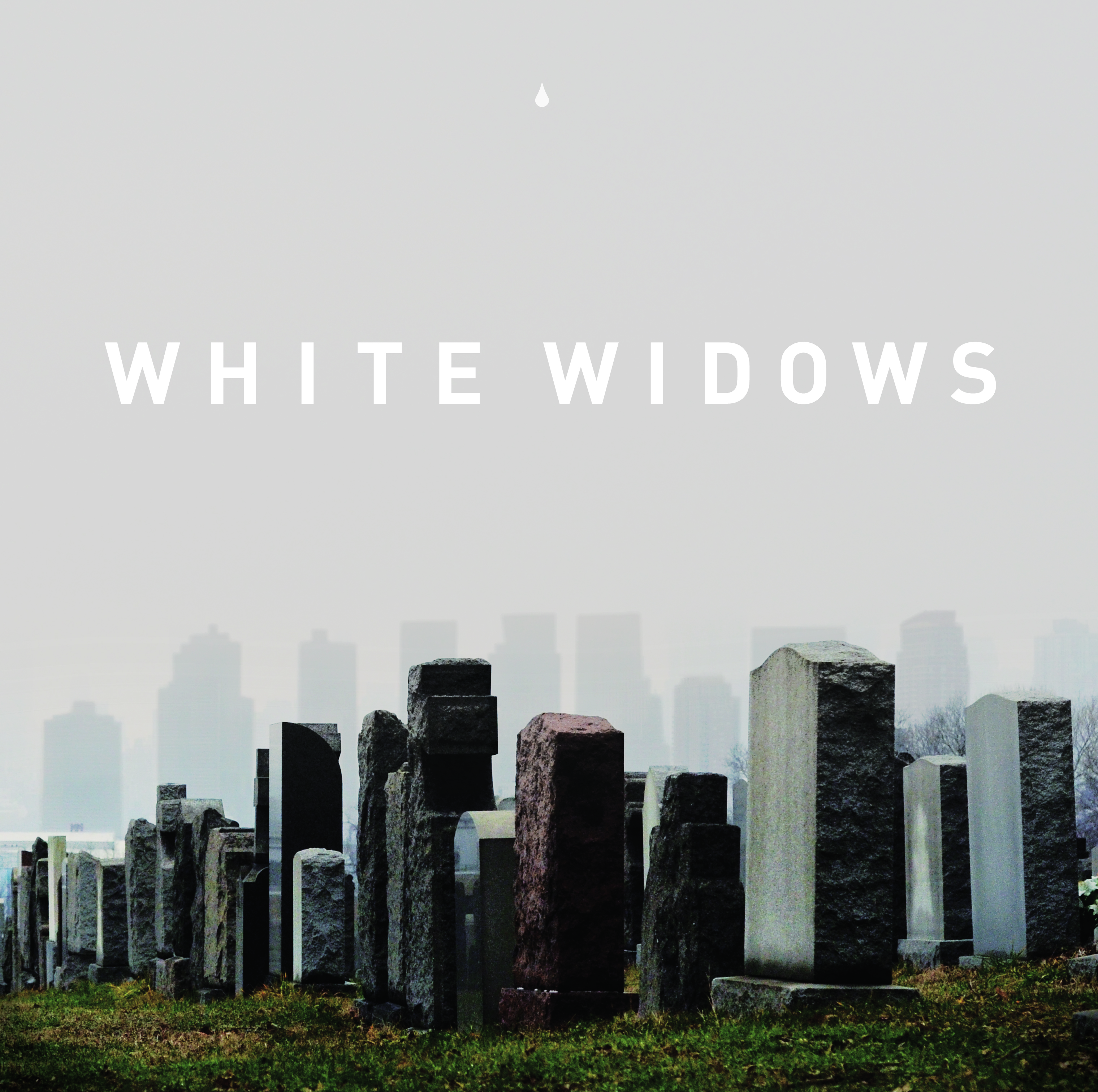
white widows coverWhile White Widows is a new band, the people who comprise the unit are no rookies. Vocalist David Castillo also plies his trade with Primitive Weapons (and also the St. Vitus Bar, that runs Sacrament Music); guitarist Nick Emde plays with The Destro; guitarist Travis Bacon also calls The Grudge home; drummer Kenny Appell also has Goes Cube and Cleanteeth on his resume, and bassist Brian Ponto rounds out the lineup. These five songs captured on their self-titled debut, which is being released digitally today, are furious, mean, aggressive, and remind me a lot of the hardcore bands that popped up in the early ’00s before the scene got watered way the fuck down. If you, too, found your emotional release in that era, by all means see if this EP suits you.

“Ace Rothstein” (yeah, DeNiro’s character from “Casino”) opens the record with a thick bassline, pissed-off, throaty screams, and catchy, crushing  melody lines that are as infectious as they are unforgivingly violent. It’s a killer open. “El Marrano” starts with a line lifted from, of all movies, “Airheads,” and from there they go into full demolition mode and smash everything in front of them. “Slow Burn” has industrial-smoked drums and effects, sludgy guitars, and a chaotic, muddy servings of thrashing that should get some faces punched live. “New Pollution Group” is DIY-hall ready, where merch tables and people outside the pit are in just as much trouble as those getting their asses kicked, and the Southern rock-friendly guitar work gives the song a dirty feel. “Sin Taxes” is defiant and also has some of that same swampy guitar work as “Pollution,” dumping a whole lot of spice into this metallic stew. Closer “Collateral Damage” is chunky, punchy, and agitated, and it’s an excellent way to top off this debut collection, because you’ll feel like you need a breather on the sidelines when it’s all over.

Nothing gets overthought here, these guys aren’t trying to get all fancy with experimentation, and chances are they don’t care if this doesn’t sound pretty and proper. They’re here to plug in, get loud, and melt your fucking face. It’ll make you feel better after a bad week or a bad day and will let you live vicariously through their rage. You require that sometimes, so when you’re in need of an outlet, it’ll be a nice day for White Widows. (I am so sorry…).

For more on the band, go here: https://www.facebook.com/whitewidowsNYC

To buy the album, go here: http://sacramentmusic.com/collections/all

For more on the label, go here: http://sacramentmusic.com/

Nordic black and rollers Vreid get more personal on concept ‘Welcome Farewell’

OLYMPUS DIGITAL CAMERA
Storytellers are abundant in heavy metal, from Iron Maiden to Dio to King Diamond, and cracking open a record and getting lost in a narrative set to loud, epic music is as good a reason as any to embrace the genre we discuss every day. Getting to take a journey in, say, 45 minutes is a great way to be enthralled if you don’t have time to devote to a book.

The tales themselves can be, and have been, quite varied, from trips back into ancient history to adventures through graveyards to following the steps of a psychopath, and people who trash metal and deem it some sort of lowest common denominator form of art aren’t truly paying attention to the time, thought, and imagination going into some of this music. For example, if you played “Operation: Mindcrime” for someone today who had never heard the record before, they’d be able to find the piece just as relevant and scathing as it was when it was released. Try to make that same case for the pop music world. You’re lucky if something still holds true value a year later.

vreid coverFollowing this thread is another one of metal’s more ambitious storytellers, albeit not one quite as well known as the bands listed above. Norway’s Vreid spent two of their last three albums building concept pieces about the effects of World War II on their homeland, a direction that may not be all that well-known to us here in America, where all we hear is the folklore of our own nation’s involvement. They made for poignant, interesting pieces that certainly made an American like me think a little differently about how other nations were impacted. Their last record “V” expressed a theme of liberation, and now their new platter, the stunning and infectious “Welcome Farewell,” delves into a lifecycle based on short stories seen from an existential point of view. The tales are those similar to the village in which bass player Hváll lives, and the material is some of the band’s most personal yet.

Vreid certainly can be tagged a black metal band at heart, but they have a ton of melody behind their work, as well as some pure rock and roll spirit that makes their work so catchy. It’s not quite “Wolverine Blues” in its essence, but it’s a similar idea. It’s damn energetic and a ton of fun to hear blaring from your speakers or headphones. Comprising Vreid is the aforementioned Hváll, as well as vocalist/guitarist Sture Dingsøyr, guitarist Strom (who joined the band in 2010 and also played with the other three in Windir), and drummer Steingrim. They sound both focused and loose on this sixth record, and it’s a really involved, dynamic album that practically begs for repeat listens.

“The Ramble” opens the album warmly, with synth and a slow build, but then it blows open, simmers in a doomy guitar line, and Dingsøyr does his creakiest best, sounding a lot like Abbath from Immortal, pushing the storyline forward by howling, “Through the darkness, I ramble.” “Way of the Serpent” is fast and aggressive, with shrieky vocals, melodic passages, and thunderous lead guitar work that reminds of golden era Maiden. “The Devil’s Hand” is black and roll at Vreid’s very best, as the tempo is catchy and exciting and will get your blood pumping. The title cut has an opening reminiscent of classic, ’80s era metal, giving off a feeling of nostalgia for people like me, and the song goes from clean atmospherics to rumbling storming breathlessly.

“The Reap” is more rock-oriented, with the tempo sounding a bit like Blue Oyster Cult, and Dingsøyr’s vocals are more on the talky end and are full of personality. This was chosen as the first single from the album, which is a wise choice as it has the best chance to pull in people unfamiliar with Vreid and get them into what’s going on. “Sights of Old” is ominous and eerie, with some proggy fog and metallic violence, and the eight-minute song never drags and doesn’t even feel half this long. That’s how well it’s put together and played. “Black Waves” has a gothic feel to it, and Dingsøyr brings back the speak-singing, which he does well and charismatically, and it totally feels like NWOBHM power. Closer “At the Brook” finishes the album going back to a rock feeling, and it could complement “The Reap” as a track that helps lead this record and band into more people’s homes.

Vreid have done it again, coming up with a great record that keeps you tied into the storyline and once again refining their style of black metal. “Welcome Farewell” is a very well done record that sounds sharp, is always exciting, and shows these guys at the top of their game. I’m always intrigued as to where this band will go next, but for now, I’ll be more than satisfied spending time with this smasher.

For more on the band, go here: http://www.vreid.no/

To buy the album, go here: http://www.indiemerchstore.com/item/18348/

For more on the label, go here: http://www.indierecordings.us/

Pittsburgh maulers Complete Failure kill on chaotic third album ‘The Art Gospel…’

com fail
A couple weeks ago, we told you about the violent swarm of chaos that is the Pittsburgh metal scene, one that largely goes unnoticed locally because everyone who has any sway within the media is too busy kissing the asses of the latest thing that was big in NYC two years ago or something that sounds like fucking Dylan. But it’s here, and it’s fiery.

Thankfully one band that made it out into the world and has been crushing bones for several years now is Complete Failure, a band that’s been killing since 2006 and already has three full-length albums on their resume. Their music is furious, a little bit grindcore, a little bit death, a little bit hardcore, and all the way in your face. They’re ugly, burly, rough around the edges, and don’t give a damn if they hurt your feelings or your nerve endings. If you’re not ready for a massive beating, you might find yourself heaving on the ground wondering what hit you.

com fail coverWe last heard from ComFail on their destructive 2009 effort “Heal No Evil,” that they first released on their own in limited fashion. The album then, wisely, was picked up by Relapse (a label that knows a thing or two about the Pittsburgh scene), and they got the wider distribution that they deserved. Seeing their records in a major outlet like FYE was a huge win for the band, and they had more potential hands able to grab a copy of their work. While those outside the Pittsburgh area might have thought ComFail had gone silent since then, they have remained active locally and could be caught at any number of city limits venues pretty regularly. They were sharpening their weapons.

It’s four years later and the band is finally back with their chaotic new album “The Art Gospel of Aggravated Assault,” a 21-minute, 10 track album that is as pissed off and violent as the title indicates. They still remain on a big indie label, this time jumping to Season of Mist, so their records still should be pretty accessible. As for the music itself? It’s lean, mean, to the point, and as strong as any material the band has released to date. And ComFail’s back catalog is pretty strong as it is. As for the band itself, vocalist Joe Mack and drummer Mike Rosswog (formerly of Circle of Dead Children and Today Is the Day) remain, and joining them are guitarist James Curl, who’s been off an on with the band, and bassist Mark Bogacki, who also plays with another Pittsburgh group Storm King.

ComFail have a way with song titles, and they get right to it on opener “Mind Compf,” a song that opens with a thick bassline from Curl before it blows into shrieked growls, pounding grind, and total obliteration. “Errant Social Mile Marker” is math-marred and speedy, with barked vocals that sound inspired by classic hardcore, and a sweet, chewy groove that slices a path through the song. The title cut is furious and blistering, with Rosswog a complete animal behind the kit, battering shit to a pulp. “Head Hanger to Be” continues the tempo and practically grabs you by the ears and shakes your head bloody. “Drag Migrator” is muddy and doom encrusted, with a slurry overall tone and an eerie, drizzling serving of noise that holds a pillow over the song’s face.

“Exitist” also has some heavy groove-based guitar, and the drums once again are completely annihilated, with the song eventually pulling face first into noisy damage. “Defenseless Mechanisms of Self-Inflicted Heartbreak,” the wordiest of all the song titles, is crushing and blasts the hell out of you, and it also has a nice classic punk rock feel. “Disinvictus” follows along those same lines, and it’s a short, killer cut that moves in, destroys, and moves out. “Hero of the Church Herd” is the most unique track on here, with Mack snarling maniacally, speak singing over the mucky, murky verses, though eventually the song explodes and trudges back toward speed and insanity. Closer “The Unlove Overhue” is angry and intense, ripping out one final violent salvo before the record draws to its bone-crushing conclusion.

Complete Failure is one of the angriest, most uncompromising bands that Pittsburgh, and the entire metal world, has to offer, and they’ve not lost an ounce of their intensity over the years. In fact, as time goes on and their profile rises, they seem to get angrier and more agitated, perhaps realizing they need to generate more vitriol to serve all. Chances are they’ll never run out negative passion to fuel their fires anyway.

For more on the band, go here: http://www.comfail.com/

To buy the album, go here: http://e-shop.season-of-mist.com/en/items/complete-failure/the-art-gospel-of-aggravated-assault/cd/33814

For more on the label, go here: http://www.season-of-mist.com/

Finland keeps pumping out bloody death with Krypts’ ‘Unending Degradation’

krypts band
It was several weeks ago that we were talking about the healthy Finnish death metal scene and about how it was regurgitating quality bands that were re-establishing the underground in that country and allowing us to remove the words “Children of Bodom” from our vocabulary when it comes to discussing metal from that land.

As if we didn’t have enough already with new platters from Maveth, Desolate Shrine, and  Vorum, and the upcoming release form occult-friendly Lantern, we now have a mighty new offering from death unit Krypts, who, as you might imagine, keep things deadly and graveyard-ready. Oh, another thing all of these bands have in common other than their homeland is they all have been released by Dark Descent, who are becoming for Finnish metal what Southern Lord has become for crust and hardcore. They have a knack for drawing out the best from this region, and if you liked the aforementioned bands whose releases have been charring our minds here at Meat Mead Metal, Krypts are likely to hit the right spot as well.

krypts coverKrypts were born into the world back in 2008, and since then they have offered up a demo, a 2011 self-titled EP, and now their debut full-length effort “Unending Degradation.” The band’s members have experience plying their trade with other groups such as The Beheading, Self-Hate, and Infernal Suicide, with Antti Kotiranta handling bass and vocals, Ville Snicker leading the guitar work, and drummer Otso Ukkonen (who also did some guitar playing on the album) rounding out the current lineup. The band hits it right on their first album, not doing too much and not overstuffing this thing, as “Unending Degradation” contains eight tracks that clock in at about 38 minutes. That’s just right, as they pummel you and show you what they can do on this collection, but they don’t draw out the proceedings. They leave you wanting more.

Before they get into the full array of madness, they let you slip in with “Perpetual Beyond,” a mesmerizing introductory cut that paves the way for “Blessed Entwinement,” a grindy, doom/death hybrid that is monstrous and hungry but also has a fiery groove that settles in. “Open the Crypt” is just the type of song you’d expect from a band this ensconced in decay. Kotiranta lurches and growls on this one, like his guts are getting ready to spew from his mouth, and the rest is built on thrashy pockets and outright violence. “Dormancy of the Ancient Ones” is sludgy and mucky in appearance, and it ramps up its intensity as it goes. The guitars progress to a fevered wail, and military-style drumming gives the impression of marching one by one into the underworld.

“Inhale…” picks up on the already established pile of carnage, with a slow-driving pace, infernal growls, and a melody that eventually washes out into doomy glaze. “The Black Smoke” has a punchier groove, with vocals that amplify the aggression, and a delivery that is short and to the point. “Day of Reckoning” has its somber, woeful moments before speed kicks in, the drums are lathered into near blasts, and searing soloing reminiscent of Slayer blows into the picture. Closer “Beneath the Archaic” absolutely slithers, taking its time to infect you with grisly growls, spacious drone, and a pace that feels like your face is being dragged across cement, with no hint of mercy in the near future.

So once again, Dark Descent manages to pluck a promising new Finnish death metal band and toss it in our laps, still fresh with bloody wounds. Krypts might be best embraced in the autumn, when everything around you is dying and decaying, but that doesn’t mean you can’t fully take on this stench in the spring, when you get sick of looking at pastel colors and people dressed like assholes. This is a hellacious band that does not have your well-being in mind.

For more on the band, go here: http://krypts.wordpress.com/

To buy the album, go here: http://www.darkdescentrecords.com/store/index.php?main_page=product_info&cPath=1&products_id=2773

For more on the label, go here: http://www.darkdescentrecords.com/

Darkthrone once again show real metal sound on ‘The Underground Resistance’

Darkthrone
It’s not every day I get to write about a legend of the heavy metal world, a band that helped shaped what the music has become and has influenced countless musicians and bands across the world. And considering today we have the honor of discussing the latest album from Darkthrone, we’re also talking Fenriz, a man who bleeds, eats, and sleeps metal and was an inspiration for this very site.

When I started this site, I tried to somewhat pattern it so that I’d be championing music I love, but also adding the critical analysis aspect into the writing. Fenriz long as been a champion of heavy metal, not only though his music with Darkthrone, but also through his Band of the Week choices and now blog, where he’s exposed the world to many great bands such as Christian Mistress, In Solitude, Hooded Menace, and countless others. His music along with longtime creative partner Nocturno Culto also has espoused the magic and majesty of heavy metal for years, and this band is one of the great pioneers of this fantastic style of music, having dabbled in numerous subgenres in their time together.

darkthrone cover“The Underground Resistance,” the band’s 15th studio album, in one of the duo’s most magical and powerful to date, another crazy curveball of styles and weirdness that only Darkthrone could pull off this seamlessly. As we’ve grown accustomed to from this band, there remains a heavy foot in the death metal and crust arenas, but they also remain somewhat tied to their black metal roots and even incorporate more sounds from the early 80s into their eclectic mix, thanks mostly to Fenriz’s contributions to this six-song, 41-minute gem. I imagine some eyes may roll at some of the stuff on here, because there still are major pockets of people who can’t handle that Darkthrone don’t sound like how they did on, say, “A Blaze in the Northern Sky,” but to dismiss it would be to ignore one of the most genuine expressions of heavy metal in a long time, and a fine, moving effort by a band that deserves curatorship for any future heavy metal hall of fame. Inclusion into said hall is assumed.

The record is evenly divided, almost obsessively so, between Culto’s submissions and Fenriz’s work, and it’s really fun bouncing back and forth between both guys’ ideas. Each guy has a pair of songs that are more standard in length and do a lot to expose their personalities and tastes, and each also unleashes an epic track that close out the record. It’s so perfectly balanced and wonderfully creative that I literally cannot stop listening to it. In fact, I don’t remember that last time I listened to a new Darkthrone release this much and this obsessively, and to me that’s a hallmark of a great record dropping at the right time.

Nocturno Culto’s work kicks off the record, so we’ll discuss his entries first. “Dead Early” is your opener, and it’s a fun, bashing song that’s pure death-planted Darkthrone through and through. Culto mentioned his songs being more personal in nature and being used to excise some of the things in life that get in his way and attempt to make life miserable, so maybe that’s what he’s aiming at when he howls the vow, “To do things right, to do things straight.” As good as that one is, “Lesser Men” is even better, as it starts off on one path, then makes a thrashy progression elsewhere. There is some great guitar work here, some mashing riffs, and it happens to be an extremely catchy song to boot. “Come Warfare, the Entire Doom” is Culto’s epic, clocking in at a little over 8 minutes and showing some true metal spirit and fire. No huge surprises here or anything, and there don’t need to be. It’s an awesome slab of goodness that’s mean, channeled, and really fucking good, and that’s all that matters.

Now, Fenriz has been elsewhere mentally since 2010’s “Circle the Wagons,” namely gorging on 1980s metal, the stuff that helped formed the genre’s foundation on an underground level. Fenriz has named Agent Steel, Uriah Heap, Celtic Frost, and Iron Maiden as some of his touch points, and you can hear that gloriously on “Valkyrie.” The song opens acoustically before it launches into a glorious lead melody line and Fenriz pushing his voice to the limits of classic power metal standards. It’s a great song, one that manages to get you every time its chorus sweeps down. “The Ones You Left Behind,” where Fenriz looks back in time as those who made heavy metal the great art form that is it, and those who have done their best to try to extinguish the flames, also has some epic vocal work that goes from gruff to melodic, and it, too, is a blast. Album closer “Leave No Cross Unturned” is one of the band’s greatest accomplishments to date, a song that mixes classic, power, thrash, and death into a giant pot and mixes them to perfection. The song is 13:49 (how fitting?) of twists, turns, unpredictable changes, passion, and  glorious trips back to metal’s past. I know it sounds hyperbolic, but this is one of my favorite Darkthrone songs to date, a true triumph that those with metal in their veins will embrace and hail.

Bands that have been around as long as Darkthrone and have influenced as many musicians as these two have only seem to disappoint these days, releasing music with polished edges and taking no chances. That’ll never describe Darkthrone, a band that doesn’t give a shit what you think about their music and always will serve no masters but themselves. I enjoy this record as much as, if not more, than anything the band put out the past decade, and any time I feel the spirit of metal growing tired in my soul, I will revisit “The Underground Resistance” and feel alive again.

For more on the band, go here: http://www.darkthrone.no/

For the Band of the Week blog, go here: http://thebandoftheweek.blogspot.com/

To buy the album, go here: https://www.burningshed.com/store/peaceville/collection/233/

For more on the label, go here: http://www.peaceville.com/

Botanist imagines screaming mandrakes, humankind’s demise on ‘IV: Mandragora’

botanist
The end has been sort of an unofficial theme this week, from what it might be like watching our final moments and how we’d mark them, to the conclusion of a long-standing project that fades away. Today, we’re simply delving into the end of humankind. No big deal, right? It’s going to happen anyway, but could it come from an unlikely source, one we never suspected?

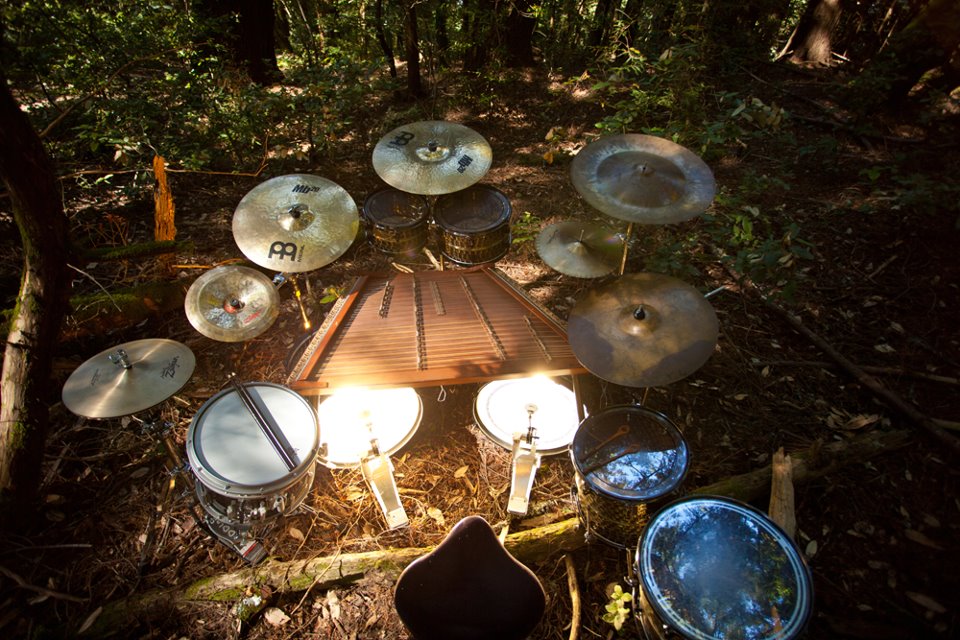
If the Botanist has anything to do with it, ours will be a leafy demise, as we’re choked to death by the very nature we seem to be trying to wipe out at will for the latest strip mall or drilling site or whatever. We’ve long covered this story that’s at the heart of the music from Botanist, a one-man experimental black metal band that is likely one of the most unconventional projects you’ll ever hear. Sorry if it sounds like I’m repeating myself from past stories on the band, but for those who are new to these pages and/or to Botanist, I feel some review is needed. Botanist tells the story of the Botanist, a crazed man of science who lives in exile in the Verdant Realm, where he surrounds himself with nature and plots the downfall of mankind. His primary influence is Azalea, the evil spirit of Nature and a demonic plant in and of itself that speaks into the ear of the Botanist (represented, primarily, by the whispery vocals you hear) and provides instructions on how to carry out the apocalyptic plan.

Botanist, the musician, who plays this music mostly on hammered dulcimer and drums, has returned with a fourth chapter and third overall release with “IV: Mandragora,” his first effort for Flenser Records and a natural progression from 2012’s “III: Doom in Bloom.” That record really branched out musically from the dual-released first two parts of the story, 2011’s “I. The Suicide Tree/II. A Rose From the Dead” and showed a completely different compositional vision for this project and story. The songs were longer and more involved, and the influence of Azalea grew even more aggressively and mysteriously. On “IV,” the Botanist’s voice is more present and forceful, more like the first two efforts, and his mission to bring about the end hits a boiling point.

IVThis time, the Botanist’s instructions and mission are far clearer. Azalea instructs him to create an army of mandragora in order to wipe out mankind, and to do so, he must resort of alchemical practices to bring this legion to life. Anyone who hears the mandrakes scream (naturally, this also makes me think of Iron Maiden’s “Moonchild”) instantly is claimed by death, therefore the Botanist seems to have a pretty handy weapon at his disposal if he can raise and nourish his troops of death. And as this story progresses, not only does the intensity of the Botanist’s mission seem to grow in fervor, so does his insanity and drive to follow Azalea’s mission.

“Arboreal Gallows” begins the record, and after sticks strike, the song melts into a fast tempo, with creaky growls indicating the Botanist’s voice as he spits out, “Their necks snapped irrevocably, penance for their crimes, atonement for their sins, from their death shall spring life.” That leads into “Nightshade,” that ramps up the terror and violence, as croaked growls and shrieks meet up (dual personalities? dual agendas?), and eventually it slips into a cosmic pocket that makes me feel like our main character could be lying on the forest floor at night, staring up into the moonlight through branches. “To Amass An Army” should not be too hard to comprehend, with a foggy, eerie atmosphere and Azalea giving directions on how to assemble to troops. “Seek the briony root, and raise the mandrake legion.” “Nourishing the Fetus” has a cool, airy feel to it, a melancholy sense musically, and here we begin to see the realization of warfare come to fruition. “Mandrake Legion” imagines judgment coming to pass, with the demonic minions rising and carrying out their morbid deed, with the Botanist observing, “Shrieking soldiers amass, extermination cries piercing, wiping clean the earth.” Morbid, yet glorious.

The final two songs on the album, we’re told, are not actually a part of the “Mandragora” storyline and instead are situated elsewhere. Both songs – “Sophora Tetraptera” and “Rhyncholaelia Glauca” – have a ramped-up musical intensity, seem to include sounds other than hammered dulcimer and drums, and even seem to layer Azalea’s voice, with both the usual whispering and a more outward yelling. At least that was my interpretation as to what’s going on here. The plant “Sophora Tetraptera” has both positive and negative uses for humans, and lyrically is sounds like there are elements of both healing and destruction. “Rhyncholaelia Glauca,” named after a type of orchid that grows on other things, seems to celebrate the flower’s existence, perseverance, and presence, paying homage to something that depends on something else for survival. Or I could be wrong.

Botanist has kept us enthralled, guessing, and a little frightened over the life of this project, and with the leaves and flowers getting ready to return soon here on the East Coast, I can’t help but wonder if I should keep one eye open on my long spring walks. The Botanist seems to have paid in full into this scheme and is furiously doing Azalea’s bidding, and the mysterious close leaves open many possibilities. At the same time, Botanist’s music seems to be gaining more leaves and roots with each new composition, and his musical army truly is coming to life. These albums keep getting bigger and more sinister, and there’s no telling how this whole thing will end. One thing’s for sure though: No one will be the same once this story ends.

For more on the band, go here: http://botanist.nu/

To buy the album, go here: http://store.theflenser.com/product/botanist-iv-mandragora-cd-pre-sale

For more on the label, go here: http://theflenser.com/

Black Boned Angel carve a perfect doom epitaph with last transmission ‘The End’

black boned angel
Sometimes being simple and getting right to the point is a better path than being cryptic and overly creative. Say what you mean and get out instead of going in circles and driving people nuts. In that vein, Black Boned Angel could not have done a better job titling their final release, simply called “The End.”

Yes, the New Zealand-based duo of Campbell Neale (also of Birchville Cat Motel, Our Love Will Destroy the World, and many others) and James Kirk (also of Sandoz Lab Technicians, the Stumps) are calling it quits with this project and signaling their end with this final slab of apocalyptic doom drone, and the very-fitting title not only matches the sound of the music but also of the dark knowledge that this thing is over. You don’t even have to think of this music as just being the funeral act for Black Boned Angel. You can apply it to our very existence. Imagine this as something you’d hear while watching an asteroid crash to the surface of the planet, meaning our total demise, and you’d be hard-pressed to argue that this soundtrack is perfect.

black boned angel coverBlack Boned Angel have put out a nice slate of releases in their time together, releasing music for labels such as 20 Buck Spin, Conspiracy, and Battle Cruiser. They debuted in 2003 with their first release “Supereclipse” on Celebrate Psi Phenomenon, and over time they’ve turned in quite a few collections, their most recent before “The End” being “The Witch Must Be Killed,” that dropped in 2010. The band’s music, while adhering to similar ideals as bands such as Godflesh (who inspired their name), Sunn 0))) and Nadja (with whom they have collaborated), have their own bend on atmospheric, scary ambiance, and this record is no exception. The sense of finality merely amplifies everything going on.

“Part 1” kicks off with a furious shriek that might rip you out of any comfort zone you set up for yourself. The black doom spills out like tar, spreading itself in front of you and catching you in your tracks, and the somber melodies ensure you will feel the despair and chaos going on here. Sounds rise up that resemble a swarm of end-times horns, and machine-like moaning floods your senses, feeling like a million dying engines choking out the atmosphere with its black exhaust. Drums kick up toward the end of the song, providing some help along your journey, and the haze of ambient drone leads you into “Part 2.”

There, a mystical eeriness rises up so thick you almost can breathe it in, and a liturgical-style chorus slips into the scene to color the background with impending dread. The calculated noises slip in and out over a nice-sized pocket of time, and then chunky sludge riffs erupt, slight piano keys drip like blood from a wound, and an atmospheric spirit appears and guides the song into a truly gorgeous corner, where even definite death and destruction look strangely beautiful. A melody sets itself up and repeats into oblivion, creating a ghostly mood and getting you ready for the dramatic conclusion.

“Part 3” leans right into more thick ambiance, drone swarming, and disarming keyboards that return you to a sense of unease and panic. More not-of-this-world noises and voices move in for the churning finale, voices seem to call out desperately in the distance, and emotional rushes of sounds blend into the picture and layer themselves on top of each other, and the whole things fades out in a terrifying, life-ending assault of drone hiss and thick smoke. And like that, Black Boned Angel are on their way into the afterlife, where their spiritual journey remains uncertain.

Personally I am sad knowing Black Boned Angel will issue no more music, as I’ve long enjoyed their creations and often go right to them in times when I have a ton of work to do and need something to keep my mind going. That said, this final collection of work from the band is an incredible, anguished, cataclysmic album that will stand as a fantastic, emotional last will and testament for one of doom’s great forces. Long live Black Boned Angel, a band that extinguished their own flame when they felt their time was up.

For more on the band, go here: http://en.wikipedia.org/wiki/Black_Boned_Angel

To buy the album, go here: http://www.handmadebirds.com/store/

For more on the label, go here: http://handmadebirds.com/