Northern Silence unearths two gems and blasts a new black beast into the world

Our friends at German label Northern Silence Productions have a nice multi-record assault coming your way, and considering they release some pretty damn interesting albums, you’d probably do yourself some good checking these out. Not to sound all endorsement-like or anything, but I’m generally never disappointed by their music, and these three record are no exception.

It’s not all new stuff, however. Two of the albums are reissues that perhaps you haven’t had the chance to grab for yourself before, so now you’ll have no excuse. The other is a steamrolling new collection of songs by a band that pays some serious homage to the early days of black metal and that deserves to be in your collection if you also have those tastes. As always, we’ll link you to where you can grab these albums at the very end of the entry, so if this sounds good to you, be sure to fire some cash their way. Also, look into some of their other bands, too, because Northern Silence has some quality acts, and I’m always pretty excited when their promo e-mails come my way.

Woods of Desolation

We kick off with the reissue of Woods of Desolation’s debut record “Toward the Depths,” which originally was put out by Hammer of Damnation and pressed in fairly limited supply – 500 CDs, 300 LPs. So grabbing a copy of this hasn’t exactly been easy, and when their last album “Torn Beyond Reason” dropped and swelled enthusiasm for the Australian atmospheric black metal project helmed by D. (who handles guitar, bass and drums). On “Depths,” D is joined by vocalist/bassist Phil Knight, and it’s actually a little sketchy to try to pinpoint who else has joined D. and when throughout Woods’ lifespan, so we’ll just concentrate on those two guys for now. The music is far darker, grimier and lo-fi than what was on “Torn,” and it sounds like something that would have turned people upside down during the tape-trading revolution. In fact, at times, the vocals are so washed away and in the background, they’re easy not to notice. But that also adds sort of a ghostly apparition to these dark and sorrowful songs.
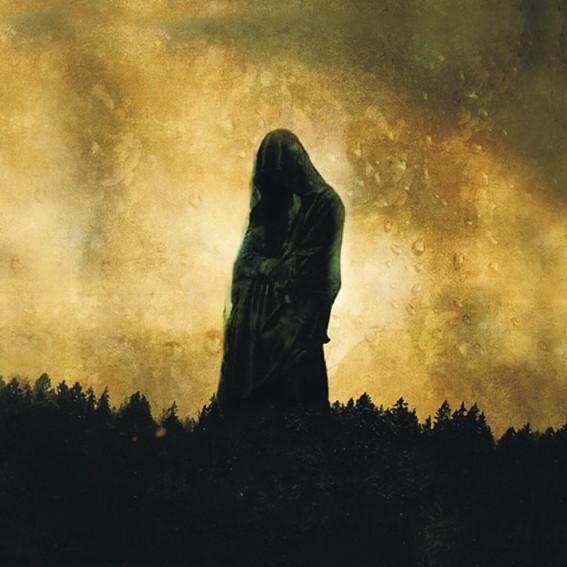
The title track opens the album on bleak, creaky notes, especially when it comes to Knight’s vocals. There’s a heavy emotional melody that runs through the songs and keeps you on edge, and that leads the way to “”They Will Never Leave Their Torment,” a song that reveals itself in its name before you even hear a note. The track is sad and churning, and the vocals feel like they wash away with any tears that were shed creating this music. “A Time of Eternal Darkness” is much in the same vein, though it has moments when the tempo kicks into a higher gear; and “Woods of Desolation” (did the name inspire the band moniker or vice versa?) is a fantastic centerpiece that goes from clean to violent and back again, bringing you along for every step of the mental sojourn. If you dug “Reason” and want to hear the step that preceded it, you won’t be disappointed by this, even if it has a totally different feel. If you just like the harsh black stuff that sounds as if it was buffed with broken glass, you’ll probably be all about this.

For more on the band, go here: http://www.facebook.com/pages/Woods-of-Desolation-Official/169396779759552?sk=info
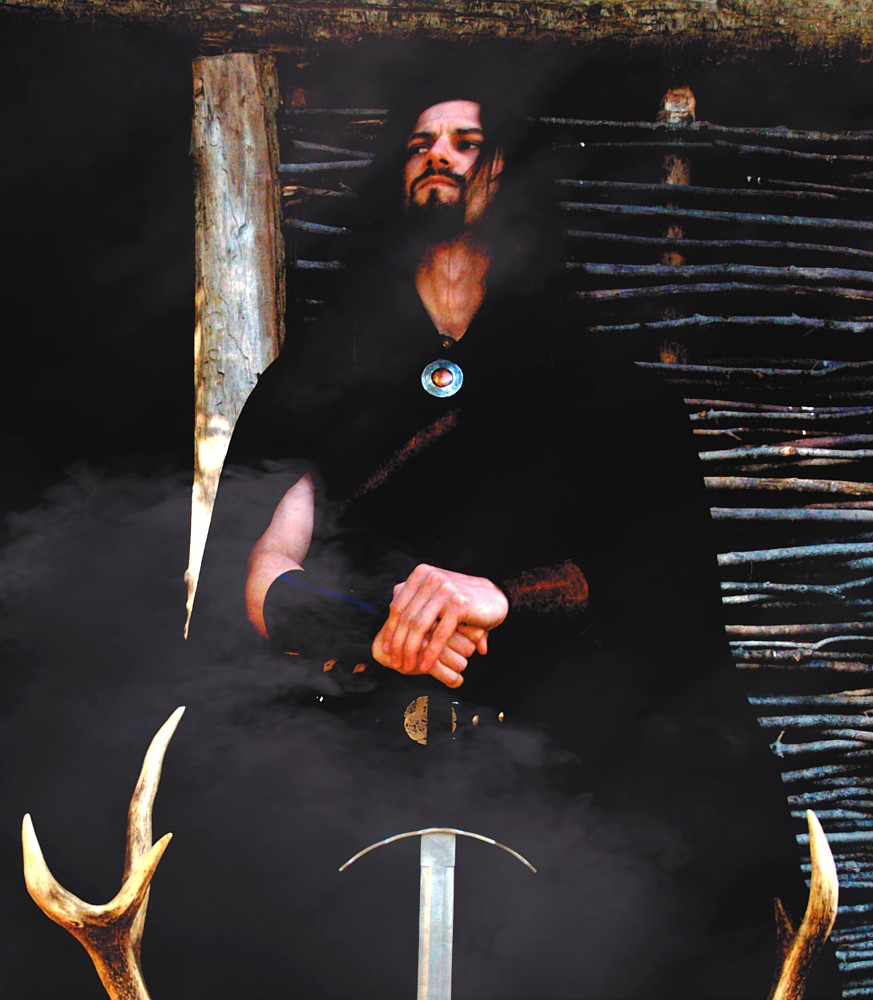
Loic Cellier of Belenos

French black metal unit Belenos (led by Loic Cellier) finally is getting the band’s much-praised second record “Spicilége” (released in 2002 on Sacral Productions) back into people’s hands, albeit in re-mastered form, giving it a much stronger, more vibrant sound. That’ll give folks who perhaps already have the record a better copy of the music, and for those who hadn’t tracked it down yet, you’ll hear the music more in the way mastermind Cellier envisioned it. Oh, and there are some added goodies tacked onto the end, making the package even more worth your while. Belenos’ grasp of Celtic black metal is true, and they also incorporate some gothic drama, power metal, classical dashes and other types of styles just to keep things properly seasoned.
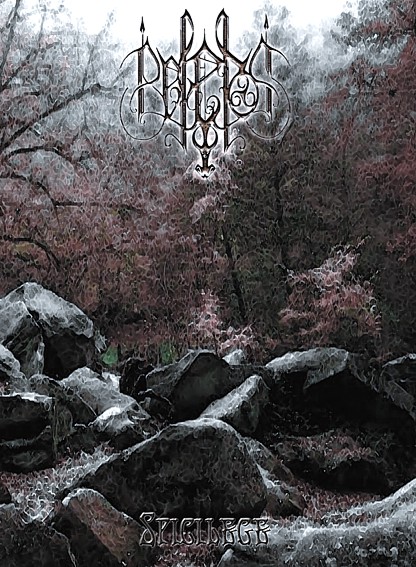
I imagine trudging through a snowy forest or taking to a wide-open plain would be the perfect environment to experience these songs. There’s a strong sense of European folk that weaves itself through this record, and the music reminds me of a crossing of early Primordial and classic Bathory. “Tal Ifern” opens the record with some undeniable melody, majesty and even some clean vocal lines; “Terre de Brume” is explosive, yet delicate at times when the acoustic guitars ring out, and it has a pagan feel. Speaking of which, “Noz Pagan” begins with a flush of mouth harp, more acoustics and wordless harmonizing that just surges; “Mort Divine” is hammering and bone-crushing, yet also colorful; and “Loin au Nord” also is a bit of a masher that could inspire listeners to take up sword and shield and go into battle. Tacked onto the end are some live cuts and previously unreleased demo material, that give those who already have this platter an excuse to plunk down more money. This record deserves this expanded, re-touched treatment, and hopefully it’ll draw more fans into the Belenos camp.

For more on the band, go here: http://www.belenos.biz/

Augrimmer

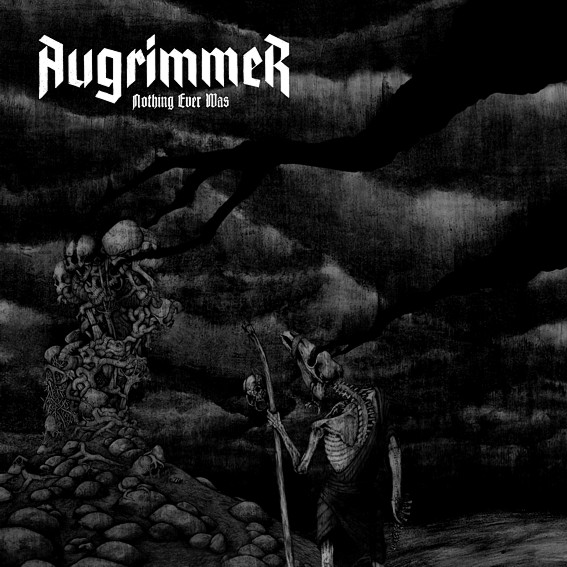
And now on for the new, and what a devastating album this is. Augrimmer hail from Germany, and they certainly seem to dine on early ’80s first wave of black metal and even a bit of the second wave of insanity that rose up a decade afterward. Their second record “Nothing Ever Was” follows their 2009 debut “From the Lone Winters Cold,” and it’s a kick-ass display that should set up their heathenry for years to come. The band is nasty, vicious, and raw, and they sound like barbarians coming over the hill to behead you and the rest of your village. But on top of all the ugliness also comes a knack for belting out proggy thrash in the same vein as Voivod. In fact, when vocalist Satan … that name again is Satan … croons, he reminds a bit of Denis Belanger. Yeah, if you own bullet belts and spiked wrist bands, you’re going to be all over this.

The band comes out swinging following the eerie, fairly power metal-inspired instrumental opener “Shadows” with “Barbarism Rises,” a spacious, face-splitting cut that could make some think of very early Immortal. From there, it’s a fight every step of the way, as the band leads listeners skull first into “The Coffin Host,” a track that smokes with doomy intensity; “The Sad King of Mankind,” a song that’s as melodic and catchy as it is sinister; “Heir to the Black Flame,” that does have that Montreal thrash vibe but also sounds like it swam in NWOBHM; “The Voice,” a song that gets its power from the double kick drum fury; “Harbinger of the Night,” a slower song that has some of the strongest clean vocals on the entire record but then ends in a storm of creaky storming; and “The Janus Face” owes a debt to the ’80s more aggressive power metal bands and stands as another example of this group’s dexterity. This band and this record are flat-out awesome, and anyone showering praise on other throwback acts such as In Solitude or Portrait deserve to give Augrimmer their day in the sun as well. Actually, maybe they’d be better off basking in the moonlight.
For more on the band, go here: http://augrimmer.de/

You can find out more about the band and buy their stuff at the links below. If you don’t speak German, you’ll have to translate the web shop. Or just figure it out for yourself. Learning a new language will make you more well-rounded.

To buy any of these releases, go here: http://www.northern-silence.de/shop/

For more on the label, go here: http://www.northern-silence.de/

Foret d’Orient, Eclipse Eternal unleash their own takes on black metal chaos

A few weeks ago, a digital flier popped up in my e-mail alerting me to the upcoming Negură Bunget North American tour, about as exciting a thing as I could imagine finding in my inbox. It made me come to two conclusions: First, it’s a miracle Pittsburgh is getting one of the tour dates because we almost always get passed by for tours such as these. Second, I need to do more stuff about Archaic North Entertainment, the label that’s sponsoring the tour and releases music by some pretty awesome artists.

The site got its start about a decade ago when Mark Howitt was playing in the band Fleshcraft (that eventually morphed into Wolven Ancestry) and decided he wanted to give other touring musicians a helping hand. That built into Archaic North booking regular shows in Northern Ontario, founding the Sudbury Metal Feast (2011 was the sixth anniversary of the event), and eventually setting up the record label end of the business in 2007. Wolven Ancestry gave Archaic North its official kickoff into the record business with their “The Wrath of Gaia,” and eventually the group Empyrean Plague joined the fold as their second official act. The floodgates opener from there, and they now have a whole slew of varied acts on their impressive roster. Archaic North also boasts services such as merch manufacturing, graphic design and artist management.

Today, we have two of Archaic North’s more recent releases from bands that really don’t sound a thing like each other despite both meeting in the black metal wilderness. That said, both bands and their records are ripe for crossover appeal as well, so maybe they can find some friends among listeners they ordinarily would not have attracted.

Foret D'Orient

Let’s start with Venice, Italy, classically inspired black metal band Foret D’Orient. That name, translated from French into English, means “oriental forest.” The group formed in 2009, and late last year they offered up their debut EP “Essedvm,” a spacious, atmospheric, six-song effort that serves as an appetizer for the rest of the career. It runs just 17 minutes, and this band really just gets its engine warmed up before the whole thing is over. But they’re a young group, and it’ll be interesting to hear what they can do with a full-length effort.

I know classically minded death and black metal can scare some people. This isn’t Cradle of Filth bombast and silliness, nor is it off-kilter, tough-to-digest insanity most expect from Sigh. Sure, there are strings, some synth curtains, flutes, and even a 47-string harp played by Sonia Dainese, but these instruments don’t overpower the production or take away from the metal. Instead, they work in concert with what else is going on, so you never feel like a black metal show erupted during Disney on Ice. That was refreshing to me, because I generally can’t stand the overblown orchestration so many other bands jam into the sound. It always feels like too much. Foret D’Orient never come close to such silliness and really have figured out a well-balanced package.

The EP opens on sort of a red herring. “Campo di Marte” is dramatic, with big horns and folkish spine and some clean singing softly entering the mix. You’re waiting for things to get ridiculous, but once “Sagitta” kicks in, you learn you’re totally wrong. The song ignites with a fury, and while there’s a swelling melody, some acoustics and a sweep of strings, there’s a great bit of hammering and savage vocals from Roberto Catto. “Mantva 1328–I e II Movimento” has the name of something that sounds like it’ll be a 14-part suite, and it opens like music that could soundtrack a lush “Lord of the Rings” scene. But it eventually melts into screams and growls, some trickling melody, and driving guitar work. “Diadema” has some true black metal strains and is one of the darker, more ominous cuts on this effort, while closer “Prudentia et Armi” also blasts open and mangles, eventually going into kind of an oddball melody before straightening out. Again, this is just an idea of what this band can do, and once they get a full album in front of us, it’ll give a better chance to wrap our heads around what they are. I’m looking forward to hearing said album, and I’m relieved I won’t be beaten about the head and torso with orchestral dramatics.

For more on the band, go here: http://www.facebook.com/foretdorient?sk=info

To buy “Essedvm,” go here: http://archaicnorth.bigcartel.com/product/foret-d-orient-essedvm-ane07

Eclipse Eternal

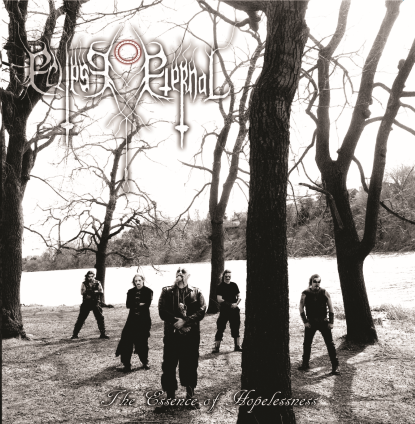
Eclipse Eternal are all over you like a pack of angry wolves. They give you no chance to breathe, to think about your surroundings, to plan an escape route. Before you know it, you’re underneath the band’s claws, with their teeth at your throat, mangling you with their epic brand of black metal. From the first time I took on the band’s third full-length album “The Essence of Hopelessness,” I was overwhelmed by the Toronto’s group’s power and fury, and it made me excited to think forward to seeing the band live this spring when they support Negură Bunget. In fact, outside of the headliners, this is the band I’m most excited to see live.

Looking at the dudes in the band, they’ve got the scary old black metal feel. They look menacing, they’re smeared in corpse paint, and they probably could end up on a no-fly list based on appearance alone. In fact, they even share some similarities of black metal’s pioneers such as the earliest work from Immortal, Bathory and Emperor. It’s raw, primitive, attacking music, and it’s dark and menacing as hell. You have a closing one-two punch of songs called “Murder … Suicide” and “Noose.” Really, that tells you a lot about the band right there. But with all that pessimistic hell, you’ll surge with their pulsating melodies and their metallic hugeness. All this said, they also have fleeting hints of beauty and imagination with their cleaner, more atmospheric parts.

The album opens with “Ragnarok,” an explosive, penetrating slab of scary goodness, and that leads into “Deathbound,” that has an unexpectedly dreamy middle section complete with music box plinking and spacey ’70s prog-rock keys; “Ancient Voices on the Winds,” a song that could give you a second and third wind during an exhaustive winter walk amongst the trees; and “Ode to a Long Time Gone,” that finds frontman Voldamares Overman telling his tale in spoken passages, revisiting a time when people lived with strength and honor and hoping to rekindle those fires. “But we were born too late,” he laments, just as speedy, Iron Maiden-style guitar lines burst from the seams. The title track is a ferocious monster, “Death Obsession” is sprawling and angry, and the aforementioned final two cuts are just as ugly as they are somber and depressing. Everything this band does on “The Essence of Hopelessness” is exciting and makes the blood rush right to your head. It deserves to be played loudly, whether it’s from your stereo speakers or headphones, and it’ll rip your lungs right from your chest. If more black metal bands played with the guts and heart these guys do, there’d be far more bands worth our attention.

For more on the band, go here:

To buy “The Essence of Hopelessness,” go here: http://archaicnorth.bigcartel.com/product/eclipse-eternal-the-essence-of-hopelessness-ane08

For more on the label, go here: http://www.archaicnorth.com/

We hope to have a lot more from Archaic North in the weeks and months to come, and we’ll definitely be doing a lot on the Negura Bunget tour. That’s another reason to look forward to the spring, even if it means the frostbitten grimness will be behind us.

Traditional doom warriors Pilgrim spill blood and fantasy into ‘Misery Wizard’

I’m not a huge demo guy. It’s not that I don’t like them, because I actually really do, but it’s because I don’t have the proper time to scour for them. As it is, my inbox is bursting at the seams with press releases and album downloads from tons of labels and publicists, and if I checked out/listened to each one, I’d have no time to do this site. Or anything else. At all.

I just don’t have time to spend hours on the Internet trying to find good demo releases, and since I don’t run a label or PR agency, I don’t have them pouring into my e-mail account, quite sadly. But now and again I’ll get something I really like (we’ll be talking about the Obolus cassette release soon)or I’ll pick up on some word of mouth about something that’s lighting people’s worlds on fire, and I’ll see what the fuss is about. That happened last year with the two-track demo by Rhode Island trad doom band Pilgrim, and it turns out all the praise heaped on this thing was totally justified. It was a rough recording for the most part (which I like), the magic and majesty were there, and once it was announced they band signed on with Poison Tongue/Metal Blade, my anticipation shot through the roof.

You can tack onto these guys the normal reference points such as Black Sabbath, Witchfinder General, Electric Wizard and St. Vitus. You easily can imagine this music was made in a dungeon or in a castle overlooking a mad sea, and with names such as The Wizard (guitar/vocals), Count Elric the Soothsayer (bass) and Krolg Splinterfist, Slayer of Men (drums), they may very well have been as inspired by “The Legend of Zelda” and “Game of Thrones” books as that type of darkness envelops their music. It may come off as a little dorky to outsiders, and really, it kind of is to me, who enjoys all the elements of their game. But who cares? I dig that about them. Dio had his hilarious moments, but I wholly revere his legends. With more albums like “Misery Wizard,” Pilgrim could have volumes of prose written about them, too.

Along with the slow-driving doom, skull-crushing punishment and ventures into fantastical realms come The Wizard’s passionate, cleanly sung vocals that often remind me of Jethro Tull’s leader Ian Anderson. He has a world-weariness yet timeliness to his singing, and on a time when vocalists don’t often stand out anymore, he does the moment he opens his mouth. His delivery and storytelling are like no other, and when he bellows a line such as, “Don’t you torture me,” on the title cut, it stands out as the most memorable destination point of the song. He’s a serious strength to the Pilgrim machine.

Both demo tracks – “Quest” and “Forsaken Man” — show up here, albeit in re-recorded and expanded form. The creepy chant/prayer that cites Astaroth still is a major part of “Forsaken,” and it’s done in such a monotone, robotic form that it makes it scarier. But the band refines the song a bit and expands upon its borders, making for a stronger piece. Speaking of that hellish prince, “Astaroth” opens the record, letting the same brands of evil and darkness into the room that always have been a major tenet of this style. The song has tasty Tony Iommi-style guitar trickery and a nice, stomping tempo, and it’s an effective introductory for anyone hearing Pilgrim for the first time. “Masters of the Sky” is an excellent epic, clocking in at about 11 minutes and really letting the band unfurl its flags. The Wizard even changes up his vocals a bit and goes deeper when warning, “Rejoice and fear them, they’re the one true god.” “Adventurer” is a nice change of pace, as it’s a far shorter song that is faster and more aggressive, and it acts as a bridge to the closing journey “Forsaken Man.” I found that while the album asks a lot of me and makes me take herculean steps in my mind, I always want to go right back again.

There’s going to be a lot of doom metal that comes out this year, but when all is said and done in 2012, “Misery Wizard” will persevere and be remembered as one of the genre’s finest. This is an exciting new band that does things in an old-school fashion but sounds very up to date. There’s evil afoot and adventure around every turn, and chances are you’re going to step in more than one blood puddle. Pilgrim make every investment in their music more than worth your time, and if you’re a doom junkie, you’d be a fool not to spend time with this titanic document.

For more on the band, go here: http://www.facebook.com/hailthepilgrim?sk=info

To buy “Misery Wizard,” go here: http://www.indiemerchstore.com/item/13505/

For more on the label go here: http://www.metalblade.com/english/content.php

And here: http://www.poisontongue.net/

Denmark sludgers Rising dump prog, doom and power into their swamp

When I think of sludgy, muddy metal, my mind tends to gravitate toward the southern portion of the United States. Georgia and the Carolinas, more specifically. That usually is where that stuff is cranked out factory-style these days, so when you get a hold of a debut album from a relatively new group that puts together many of the same traits as bands such as Mastodon, Baroness and Black Tusk, it’s easy to assume that’s the area from where the artists hail.

If you took on “From Solemn Ash,” the first album from Rising, you’d be wrong to figure they also are swimming neck-deep in the southern comfort. In fact, the band doesn’t even hail from the U.S. at all, instead calling Denmark home. There’s a curveball for you. But they don’t just do sludge by numbers or anything. They also add elements of doom, power metal, ’70s psychedelic/prog rock and even some hardcore into their recipe, so while they have a similar sound to the artists mentioned above, they by no means sound like copies. The band has its own touch, and if you played their music alongside, say, Mastodon or Baroness, you easily could pick Rising from the pack.

“From Solemn Ash” is out on Exile on Mainstream, and folks in Europe could have gotten their mitts on this disc last fall. As for us in the United States, we didn’t get a release until this year, so the record remains fresh to us. The album has its share of abject heaviness and monstrous stomping, but Rising also have a knack for meaty hooks, leading your mind to follow along right until the chorus strikes. It’s not poppy or anything, so don’t think of it that way, but the fellows know how to make their songs stick.

The trio – vocalist/bassist Henrik Hald, guitarist Jacob Krogholt, drummer Jacob Johansen – puts its cards on the table on the opener “Mausoleum,” a doomy, punchy song that’s easy to remember and, as mentioned above, gets you good on the chorus. From there they make stops to “Sea of Basalt,” that should excite fans of High on Fire and Kylesa and keeps the record quaking along; “Cohorts Rise” has a cleaner opening and stays mid-tempo for the most part, but it starts really trucking as it draws to an end; “Through the Eyes of Catalysis” drops an anvil right away, launching with classic Iron Maiden-style speedy guitar runs, melting into grimy mashing and shining with really strong guitar work from Krogholt; “Under Callous Wings” lets Hald unleash some throatier vocals. For the most part, he sings fairly cleanly on this record, but with a hint of ill intent in his voice, but here, he just kind of lets things go. “Heir to the Flames” is the one that’ll remind listeners the most of early Mastodon, especially with the cleaner guitar passages trickling under the fires; and closer “Seven Riders” is a bit more plodding than the title seems to indicate, but that doesn’t hurt the song any. It’s pummeling.

I’m interested in hearing how Rising’s version of sludge-based metal shapes and shifts throughout the years as they grow as a band and perhaps let more of their peripheral influences into their music. They could end up being one of the more unique bands in the metal universe, and if they do, that would make “From Solemn Ash” just a first step, albeit a pretty stellar one.

For more on the band, go here: http://www.myspace.com/risingdk

To buy “From Solemn Ash,” go here: http://www.mainstreamrecords.de/shop/cd/eom055

For more on the label, go here: http://www.mainstreamrecords.de/

Everything Went Black keep things short, sweet, violent on debut ‘Cycles of Light’

There’s something about a nice blast of chaos that’s packed into a small package that doesn’t take too long to make its point. That’s why Nails are so effective. You get an 11-minute album but a through ass kicking. No more is needed. Same goes for Trap Them and Black Breath, bands that are as savage as any Satan-worshipping black metal outfit but know how to make a point quickly and effectively.

That opening, and those bands I mentioned, feed right into today’s topic, that being “Cycles of Light,” the debut full-length album by hardcore crushers Everything Went Black. The St. Louis band formed in 2009 and put out a few smaller efforts before offering up this album for Lost Shepherd/Prosthetic. This 27-minute lip-splitter will make you think of the bands cited above, as well as groups such as Converge and The Hope Conspiracy, with a touch of the death metal must-haves Slayer and Entombed that are embraced by this genre. It’s heavy, often doomy, continually raucous and yet another solid entry into the growing list of metallic hardcore bands that have been trumpeted by labels such as Southern Lord and Deathwish Inc. But this one is Prosthetic’s gain, a label that’s made some damn interesting signings lately with this band, Primitive Weapons, Hour of Penance and Mutilation Rites (one of my more anticipated records of 2012).

“Cycles of Light” takes no time at all to set up shop and then level that area with a wrecking ball. After the doomy, newsfeed-heavy opening instrumental “IX,” the band rips right into “Gods of Atlantis,” a song that has some melody at its core but also bludgeons you with thrashy riffs and a stomping tempo. “Halo of Vultures” pulls back on the reins some, but Brandon Hoffman’s throaty growls sound no less venomous. “Lifeless” takes things back down a rocky road, with violent twists and turns, along with some oddly gothy melodies. And you rightfully can draw a conclusion from the song title that things are looking pretty bleak lyrically. “Parades” and “Kingdoms” stand as the “epics” of this collection, both clocking in at over five minutes, with each track letting the band expand their sound a bit. In fact, “Parades” ends in a cascade of churning cello and somber emotion. “Thorn Feeders” is a total demolition, and the record ends with “Baptists,” a crushing anthem that goes right for your throat.

Everything Went Black are doing metallic hardcore a lot of good by adding their two cents into the swirling madness. They belong mentioned in the same breath as the like-minded bands above, and their live show must be a thing to behold. The video below is your evidence. Cover your face. The band also inspired me to dial back the prose, as less is more when discussing the band. They’re a band that must be experienced, so shut your mouth, stop reading and go get your face kicked into the back of your skull.

For more on the band, go here: http://everythingwentblack.us/

To buy “Cycles of Light,” go here: http://store.prostheticrecords.com/index.php/lost-shepherd-recordings.html

For more on the label, go here: http://prostheticrecords.com/

Napalm Death’s Greenway discusses ‘Utilitarian,’ wraps arms around Occupy

Mark "Barney" Greenway, far right, says expressing anger isn't useful unless it's productive.

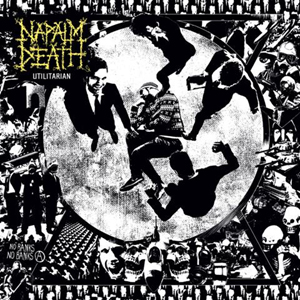
Napalm Death have been in the forefront of extreme music for more than three decades now. It’s impossible to find someone who listens to grindcore, death metal, thrash metal, what have you, who are not familiar with the band’s brutal catalog and political and social prowess. Their current lineup may be totally foreign from the one that recorded the classic “Scum,” but these four bruisers – vocalist Mark “Barney” Greenway, guitarist Mitch Harris, bassist Shane Embury and drummer Danny Herrera – have made up what we know as Napalm Death for the past two decades solid. Their 14th record “Utilitarian” is out at the end of the month, and it’s pure Napalm through and through, with a few strains of their punk and experimental past. It’s a heady record based on the utilitarian philosophical theory, and if you’re not familiar with the subject, a trip to Wikipedia may do you some good.  Greenway, their outspoken, thoughtful and friendly vocalist, took some time to speak to Meat Mead Metal during a slate of media days. When asked if those marathons ever get the best of him, Greenway chuckled and quipped, “I mean, it’s not like digging roads. Let’s be honest.”

The new album “Utilitarian” sounds massive. How do you feel about it?

You know, it’s pretty good, but I always find it hard to micro-analyze our albums anyway, even after I’ve just done them. I’ve probably done about 200 interviews and have heard all these different perspectives on the album.

It sounds like there’s sort of a newfound sense of savagery on this one, not that Napalm Death records ever have been tame of anything.

Yeah, of course it’s angry, all of our albums are angry, but anger can only take you so far. You have to have an end product from the anger because, you know, taking it literally, anyone can jump up and down and shout at people. That doesn’t mean it’s going to be productive or that it’s going to sell what you mean to sell, so you have to have something beyond the anger. But it has that Napalm attack to it. Napalm Death has a certain attack that probably sounds angrier than most extreme bands. I find when some bands record they kind of stick to their tempo or their zone. We tend to be more of a runaway train. We just do things as we want, and if it comes close to coming off the rails, then so be it. It’s the same for us live as it is for recordings.

It’s a really natural process for us. One thing we don’t do before we go in to make an album, is we don’t check little boxes. We don’t make a checklist and say, “These are the things we’ve got to do.” We generally try to keep things as spontaneous as we possibly can. It has an edge to it as far as elements that we have done before but haven’t quite arranged in the way that we have on this album, so that gives it a different flavor. But in terms of rage in our delivery, that’s been pretty consistent. I wouldn’t say this new one jumps out at you any more than our previous ones.

You have John Zorn playing on this record (“Everyday Pox”). Any other special guests this time around?

John Zorn is the only one, actually. We only have guests if we feel the person can complement the song, and we have an idea of what the person can do. It doesn’t mean anything to just go randomly get people just so you can have a few more names on a press release, you know? They have to have some kind of contribution. I mean, look at the guests we’ve had. Jello Biafra because we knew what he could do with the song. We had Anneke (van Giersbergen) from The Gathering because she had the kind of voice (we needed). Now we have John Zorn because that part on the album, when we sat down and thought about it, it was exactly the type of part he should be recording.

This may seem like a silly question, but the band’s made it to 14 albums now. What keeps you guys going?

I just feel we still have things to offer, you know? That’s always subjective, but we feel we still have good songs in us, good albums, and we know that within that, we’re always two or three steps away from making white noise, basically. (laughs) And we love that! From my own perspective, if we ever got to the point where we were going through the motions or something like that, I just wouldn’t bother anymore, to be honest with you. Fifty percent for me, doing something like Napalm, it wouldn’t be worthy for me or for the people who come through the doors and pay money to see a gig. People who see us shouldn’t get 50 percent, and people who buy our albums shouldn’t get 50 percent. If I ever feel that way, it’s time to quit. I’m certainly not afraid of that, because I think it’s a natural, human trait to lose a love for things, to lose enthusiasm. I think sometimes people protest too much about losing passion, but it happens. It’s a part of the natural human attention span, it’s part of human emotions. If it happens, I just won’t bother doing it anymore, and the same for anyone else in the band. I would expect they’d do the same thing, and I wouldn’t be negative toward them for thinking that as long as they felt they were being honest about it.

Lyrically, I’d imagine the well never runs dry for you. There’s always something going on somewhere, and there’s always some event that deserves a commentary. Could you ever imagine a day when you didn’t have something to say about what’s going on in the world?

Well, no, because the very structure of the world, the hierarchical society we live in means there are always observations. You think of it like this: Every person in the world has feelings, and those feelings create thoughts. It’s the same principle. And because Napalm has such a wide palate of things to draw from, it’s very much the same thing. We’re dealing with the feelings going on in our lives, so it’s an inexhaustible amount of things to observe and gives you inspiration to write.

You chose the title “Utilitarian” for the album, and it’s a word and concept that’s certainly open to interpretation. Why did you pick this as the name of the album?

Well, it would have been pointless for me to talk about it and make a judgment call on it without using (“Utilitarian”) as the name. It’s a philosophical theory that says many things, really, but to me, its core is, first, good actions promote good consequences, and when you put that into the wider context of the world, the world becomes a better place. Second, it’s the achievement of total happiness. It’s a really wide spectrum of ideologies , and sometimes it seems quite easy. There are some animal rights people who use this as their ethos, and on the other hand, there are many, many ultra-consumerist, ultra-capitalist kind of thinkers who like it because it promotes total happiness. And that means happiness could be achieved by any means whatsoever, though that happiness could mean causing other peoples’ unhappiness.

Now, I don’t know personally if I am a utilitarian. I wouldn’t necessarily want to classify myself as one. But what I wanted to do was draw a parallel in a sense that I live my life pretty ethically. If my actions will have a negative consequence somewhere down the line on another person or people, then I won’t do it. I won’t undertake that action. But I think living that way, acting that way, is very human. But you have self-doubt. Everyone has self-doubt. But you have to think to yourself, “Why am I doing this? Why am I living this way?” But I think a lot of people just get on with things and don’t think about these things and the consequences of their actions. I think the reason for this is we expect immediate results from everything. But ethical thinking has an end result of making a difference, but when people don’t see that difference straight away, they get impatient. You want to see the product of your efforts, and that’s where the self-doubt comes in. I kind of wanted to express that. But if you take it one step further, and this is the conclusion to everything, it’s that you do need to persevere, of course. You need to live with a certain level of resistance, and if you don’t, then that leads you toward those things that you are protesting in the first place. That leads to people and all sentient beings having been exploited further. So it’s not quite as simple as just taking that title and making an immediate decision about it.

I was thinking about the happiness aspect and kind of applying that to what’s going on in the United States with the presidential race. It seems that with the Republicans, as they’ve been accused, their idea is to promote happiness for the top level of people earnings-wise. So that’s given way to the Occupy movement. Yet, they seem to be taking on criticism because they’re not seeing the results of their actions right away.

Right, and the Occupy movement understands that it’s going to be a progressive thing. I do very much, for the record, support the Occupy movement, and they seem to understand these situations on a very basic level. You have the Tea Party movement, and I think they stand for selfishness, protectionism and self-interest. I think it would be funny if it wasn’t so serious. And now some low-income people have come out as Tea Party supporters, and what that’s effectively saying is what’s important is the power of rich corporations and individuals who completely absolve themselves of social responsibility. But it’s like if you’re not born in life with those privileges, then you’re screwed. I think there’s a real irony in all of that.

The Occupy movement is very sympathetic toward (lower-income people) and are genuinely striving for social justice. Surely that’s the point. They want people to listen, and they are determined to have people listen.  We’ve had a lot of times like that in the U.K. when people have been out on the streets and protesting. We have a long history of that, and in other countries Europe too. I think people are really sick and tired of not being listened to, so I think the Occupy movement is a very good thing. And it doesn’t look like it’s going away.

Funny enough, it seems like critics of the Occupy movement paint these people as jobless with nothing better to do. So there’s this sort of dismissal of the movement.

What, so, they’re not relevant? You don’t have a job, so you’re not relevant? Think about that statement in itself. How inhumane is that? That’s actually a quite inaccurate picture of the Occupy movement, as there are a lot of people of people who do have jobs, and they come from all across the class system, for lack of a better term, so I think they’re very relevant.

Well, what do you hope people take from “Utilitarian” once they get the record, read through the lyrics, and digest the music?

I hope they have a sense of enjoyment from the music. On the level of ethos, I am not trying to have everyone believe the things that I believe and subscribe to every perspective I put across. Yeah, I’m putting my cards on the table and saying, “This is what I think and these are the reasons why I think this.” There is a logic to this. But I don’t expect listeners to follow that path. What I do expect from people, and I think this is only right, is that they open their eyes and think for themselves. For example, if you’re religious, step out of your religion for a moment and see what’s going on. See things with your eyes open for your own self, and form your own conclusions.

For more on the band, go here: http://www.napalmdeath.org/

To buy “Utilitarian,” go here: http://www.cmdistro.com/Search/napalm_death

For more on the label, go here: http://www.centurymedia.com/

King Giant tell of war ghosts, bloodshed, and redemption on killer ‘Dismal Hollow’

In the 1980s, the Parents Music Resource Center, the silly-ass PMRC, set out on a misguided mission to expose the evils and dangers of hard rock and heavy metal. Artists as diverse as Tom Petty and Twisted Sister were put under the Washington wives’ blade to squirm and repent, though the total opposite ended up happening as the committee ended up looking like the morons that they were. It’s a good thing “Dismal Hollow,” the second effort from King Giant, wasn’t in Tipper Gore’s grubby hands, otherwise her head might have exploded.

Of course, there’s nothing sick, evil or deranged about King Giant, unless you’re referring to the stories and characters they dreamt that inhabit these eight songs. As for those folks, it’s not always bloodshed for the sake of it, as you need to invest time getting to know the people and situations that make up “Dismal Hollow” (out on their own Graveyard Hill). You might even see a little bit of yourself in some of them, even if you don’t participate in some of the activities they do. But ultimately these are stories, often gruesome ones, and if they fell into the wrong hands – you know, a group like the PMRC – the misinterpretation fest would be in full swing.

If you’re not familiar with King Giant’s music, it’s not terribly easy to explain. There’s a dirty Southern rock vibe for sure, an Appalachian folk sensibility, some doom, some classic metal. When I hear them, I typically think of Clutch, Down, ’90s Corrosion of Conformity, and Danzig, mostly because of Dave Hammerly’s baritone below and yelps that sound a heck of a lot like Glenn’s singing. But not in a copycat sense. It just sounds like when he opens his mouth, that’s what comes out, and there’s no trying to shape it into something as homage. I love his vocals, and they add an extra element to the storytelling vibe that goes on with these songs. And trust me, even if you don’t plan to, you will be sucked into the worlds created by each track.

The band hails from Virginia, a pivotal state in the Civil War struggle, and the opener “Appomattox,” named after the site of the conflict’s bloody final battle and where the Confederacy’s Gen. Robert E. Lee surrendered to the Union’s Ulysses S. Grant, tells the side of soldiers who came up on the wrong end of history. Hammerly howls about “young men, young lives,” who do their deeds in the killing fields, until the whole thing comes to an end in Wilmer McLean’s parlor. Doesn’t matter where you live, it’s impossible not to be affected by this song, that revisits one of the saddest eras in American history. I cannot say enough good things about this track, and you should go out of your way to hear it. In fact, here’s the video below (it’s, um, decidedly not Civil War-ish).

From there, things mostly stay grisly and ugly, and the band’s powerful galloping and trudging make enduring such harrowing tales almost a joyous experience, as perverse as that may sound. “The Tale of Mathias” reveals the grit of a battered woman, bruised and abused by a drunken lover, but eventually she has her day. “He didn’t think I had it in me/He coughed and then he died/Last time he ever laid a hand on me,” are the words that come raging from Hammerly’s mouth, and the conviction in which he delivers those lines lets you know what corner he’s in. I’m in the same corner. “Pistols and Penance” starts and ends gently, on the strains of acoustic guitars and eventually cello, but in between is a stomper that speaks of a small town girl who gets a little too deep into the clutches of a stranger and loses everything. The guitar work from guitarists Todd Ingram and David Kowalski provide the proper thunder and swagger and leave you exhausted. “The Fog” is eerie and doomy, with a tale that seems to be about bootleggers running moonshine, and make no mistake, these boys will put a bullet in you before they let you get in their way. Closer “O’Drifter” sends this collection off with a bang, as Hammerly tells of a man driving his sunburnt orange Camaro down the highway, looking for ladies to pick up, have his way with, and eventually dump back onto the shoulder. It’s criminal and sick, but it’s just a story, kids. And the song packs a filthy wallop that’ll have you coming back to hear the yarn spun again.

King Giant are an honest, warts-and-all rock machine that always gives you all they have emotionally, musically and creatively. You need a breather when it’s all over, like you just watched an old slasher film that kept you on edge. You take these journeys with the band, my friends, and the music on “Dismal Hollow” captures you. Just don’t live like some of the people you hear about here, otherwise you might find some lead in your chest courtesy of someone who knows an undesirable when he or she sees one.

For more on the band, go here: http://www.kinggiant.com/

To buy “Dismal Hollow,” go here: http://www.kinggiant.bigcartel.com/

Black Pyramid unleash war and hell on their doom-encrusted new record ‘II’

Black Pyramid, 2012

The New England Patriots play in the Super Bowl this weekend, and there have been major questions as to whether their shaky defense can hold up enough to bring home the Lombardi trophy. Turns out they have some warriors in their own backyard who might not be able to suit up Sunday but could drive the team’s defenders into a bloody fury come game time.

Black Pyramid label their violent emissions “psychedelic war metal,” and taking on the hulking sophomore effort from this New England-based trio lets you know right away that you better be prepared for fire and shrapnel. Maybe someone can slip this bad ass record into the locker room at Lucas Oil Field and get those dudes ready to decapitate Eli Manning. I don’t care either way. I’m a Steelers fan, and our defense isn’t allowed to tackle Tom Brady for fear of a lifetime ban from the No Fun League. Chances are if these dudes could suit up, they’d prefer to fly at you from the outside linebacker spot, with intentions of burying your chest in the grass.

So, in case you can’t tell from that opening, the music here is pretty relentless and unforgiving. It plays a bit with death and black metal, but a lot of what these guys do can be described as aggressive doom, almost like a gnarlier High on Fire or Gates of Slumber. The stoners are served as well, as their smoking riffs and leads should aim to please those whose minds are floating in the Milky Way, but for the most part, you’re going to be looking eye to eye with a battering ram. If said battering ram had eyes. You get what I mean. You’re going to get smashed, OK?

The nine tracks on “Black Pyramid II” are a step up from their initial full-length offering (they’ve put other smaller releases since then), itself a really good record that still gets played at my house fairly often. The new one’s got some highly refined songwriting, even better music, and two epics that are worth the price of admission on this dark terror. Add to that Andy Beresky’s vocals got a longer stronger and work perfectly to spread the band’s bleak messages. And that’s where out story gets sad. After the album was done, Beresky quit the band and went a little batshit on the band’s web site (according to a story at The Obelisk found here: http://theobelisk.net/obelisk/2012/01/23/blackpyramidinterview-2/), leaving drummer Cam Neely and bassist Gein  to pick up the pieces. They’ve since recruited guitarist/vocalist Darryl Shepard, but we have a little while to wait to hear stuff from the new unit. So onto the “II” version ….

“Endless Agony” kicks off the record with a tempo that reminds of early Iron Maiden and a melody section that sounds alarmingly like Civil War-era song “When Johnny Comes Marching Home,” and it’s only a hint of what follows. “Mercy’s Bane” is piledriving yet catchy, as they tell their tales of rape/pillage/plunder in a way only ancient villages could understand. They even call on Moloch to wreak some havoc. “Night Queen” is full of stoner gallop, as their character rides alongside the unholiest of partners. “Sons of Chaos” sparks memories of Mastodon’s earliest work, as well as everything Matt Pike has created, and it’s filled with tremendous soloing and guitar magic. “The Hidden Kingdom” is heavy in its own right, but if you sink underneath, you can see lush pockets of psychedelic keys and acoustic pathways. As for those epics, “Dreams of the Dead” seems half as long as it is, as it’s interesting, adventurous and stunning, while closer “Into the Dawn” plods along for its first half before continuously changing its pace and keeping you guessing just where in outer space they plan to drop your body.

It’s too bad this band came apart a bit right before putting out their best work yet, but they obviously have a plan for survival. Time tell if the next incarnation will be as effective, and a new guitarist/vocalist is a pretty large role to replace and could change the face of this group. But “II” is an excellent addition to your doom catalog, and while we wait to hear what the reworked lineup will bring to the plate, we can enjoy this stunner that’ll knock you on your ass.

For more on the band, go here: http://www.blackpyramid.net/

To buy “Black Pyramid II,” go here: http://blackpyramid.bigcartel.com/

For more on the label, go here: http://www.meteorcity.com/

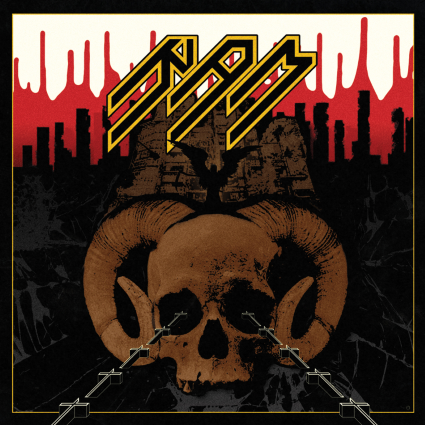
RAM’s vintage heavy metal assault makes third album ‘Death’ a pretty fun listen

Saying a band does things in retro fashion doesn’t mean a whole lot these days. Taking trips back into time to grab sounds from other eras seemingly is done by everyone now, so it’s become less special and more of an annoyance. I wonder if one day we can all move forward and try something new. Then again, bands did try to do that in the ’90s, and we ended up with the scourge that is nu-metal. Eck.

That’s not to suggest each band that reaches backward isn’t worth it. Many are. There are a lot of bands traveling trad doom paths, vintage thrash roads and classic death swamps to try to reinvigorate a sound or simply pay homage to a style the group admires. One such band that sounds as if they’d have been more at home in the middle of the 1980s is Sweden’s RAM, whose new record “Death” is out on Metal Blade. In fact, that’s the very label where they likely could have landed had they originated three decades ago. This stuff is made for a “Metal Massacre” compilation. Their music reminds of when I’d see new bands on Headbangers Ball (um, the first incarnation) and wonder who they were, where they came from, who they sound like. I peg RAM as a bit of Mercyful Fate with a handful of Judas Priest and a helping of Metal Church. All of those are favorable elements, as far as I’m concerned. Most of what they accomplish on this third record works, though it’s not without some drawbacks.

RAM, who hail from melodic death metal stronghold Gothenburg, have bounced around to different labels for all three platters — debut “Forced Entry” was put out by Black Path, sophomore effort “Lightbringer” was released by AMF, and now they’ve landed at the Blade. They’re now in the best place to make a major impact on the metal world and get better support, and I could see “Death” doing that for them. It rocks out pretty steadily, and while it sometimes has some more serious lyrical content, such as on “Hypnos,” it’s something you can put on while in the car, set the volume high and let the guitar magic take you there.

The band gets impressive guitar work from Harry Granroth and Daniel Johansson, as both shine on leads and do a nice job switching off seamlessly during solos. They’re the reason to listen to this band, and while I’m no expert musician, I could see this duo ending up heroes in your everyday guitar magazines. Vocalist Oscar Carlquist is both a benefit and, at times, a hindrance. He’s got a fine voice for power metal and thrash, and for the most part he carries this journey capably. But when he tries to go to all King Diamond territory vocally, it just doesn’t work. It sounds forced and unnatural coming from him, but luckily that doesn’t happen a whole lot on “Death.” For the most part, listening to his vocals gives me a bit of a nostalgia trip back to my youth when thrash and power made up my entire record collection.

“Death” is book-ended by instrumental tracks, the opener being the weird, whirry, B-movie sci-fi title cut; the closer the ominous, doomy, somber “1771.” In between is where these guys clip you with their horns.  “…Comes From the Mouth Beyond” launches the band into the meat of the record, with a galloping rhythm line, searing leads and some of those higher-register vocals I cited. “Release Me” sounds like a tribute to classic heavy metal; “Defiant” is pushed forward by the twin-guitar assault and an unshakable melody; “Frozen” takes me back in time the most, reminding a bit of “Headless Cross” era Black Sabbath, with its mid-tempo hulking, spooky lyrics and confident singing; “Under the Scythe” is a bit of cheeseball metal, especially during the chorus, but that’s fine in small doses; and “Flame of the Tyrants” is a ripper that could excite Priest, Iron Maiden and Dio fans, who may not identify with a lot of today’s sounds. and On it, Carlquist howls their battle cry, “This heavy metal tyranny!”

“Death” won’t go down as the metal album of the year or anything, and as noted, it certainly has its flaws. But as a shot of throwback, vintage metal goes, this one will get you going. The guitar work is a lot of fun, the songs are a blast and the record goes down easily. Metal gets taken a little too seriously sometimes and dissected too carefully, and I’m as guilty as anyone with that action. This takes me back to a time when metal was fun and I could put on headphones, close out the world, and battle on the side of a mountain for a little while. Hmm, I think it’s time for some “Zelda.”

For more on the band, go here: http://www.facebook.com/pages/RAM/128575340510564?sk=info

To buy “Death,” go here: http://www.indiemerchstore.com/item/13160/

For more on the label, go here: http://www.metalblade.com/english/content.php