MMM Premiere: Botanist recruits allies for crusher ‘The War of All Against All’

Yesterday, we brought you “Quoth Azalea, the Demon (Rhododendoom II),” the first track off the new Botanist album “III: Doom in Bloom.” It marked a new chapter in the story of the Botanist, who is influenced more aggressively by Azalea to bring on the end of mankind. We also got the first taste of the approach to this new opus, which is longer songs, slower tempos, more eeriness, and spacious Apocalypse. It’s quite astonishing and moving.

Today we have yet another new step for Otrebor, the man behind Botanist. Without going into too much detail now – he explains it thoroughly in the interview below – there were some ideas left over, and he decided to collaborate with some other like-minded musicians on a companion disc called “Allies.” So yes, the title is pretty self-explanatory. But unlike Botanist’s normal drums/hammered dulcimer formula, these are full-band compositions that put a totally different spin on Otrebor’s work. And just like the first cut from “III,” prepare to be blown away.

Below, check out the cut “The War of All Against All” from the group dubbed Cult of Linnaeus, a moniker that is fully explained below. This song is pulverizing, unsettling, and as raucous, and even having heard the song many times myself, I still keep finding fresh pockets of wonder and explosive majesty every time I go back. Hear it for yourself, and read what Otrebor has to say about the “Allies” disc.

Meat Mead Metal: “Allies” is the companion disc to “III.” Talk about how this collection of songs came to be.

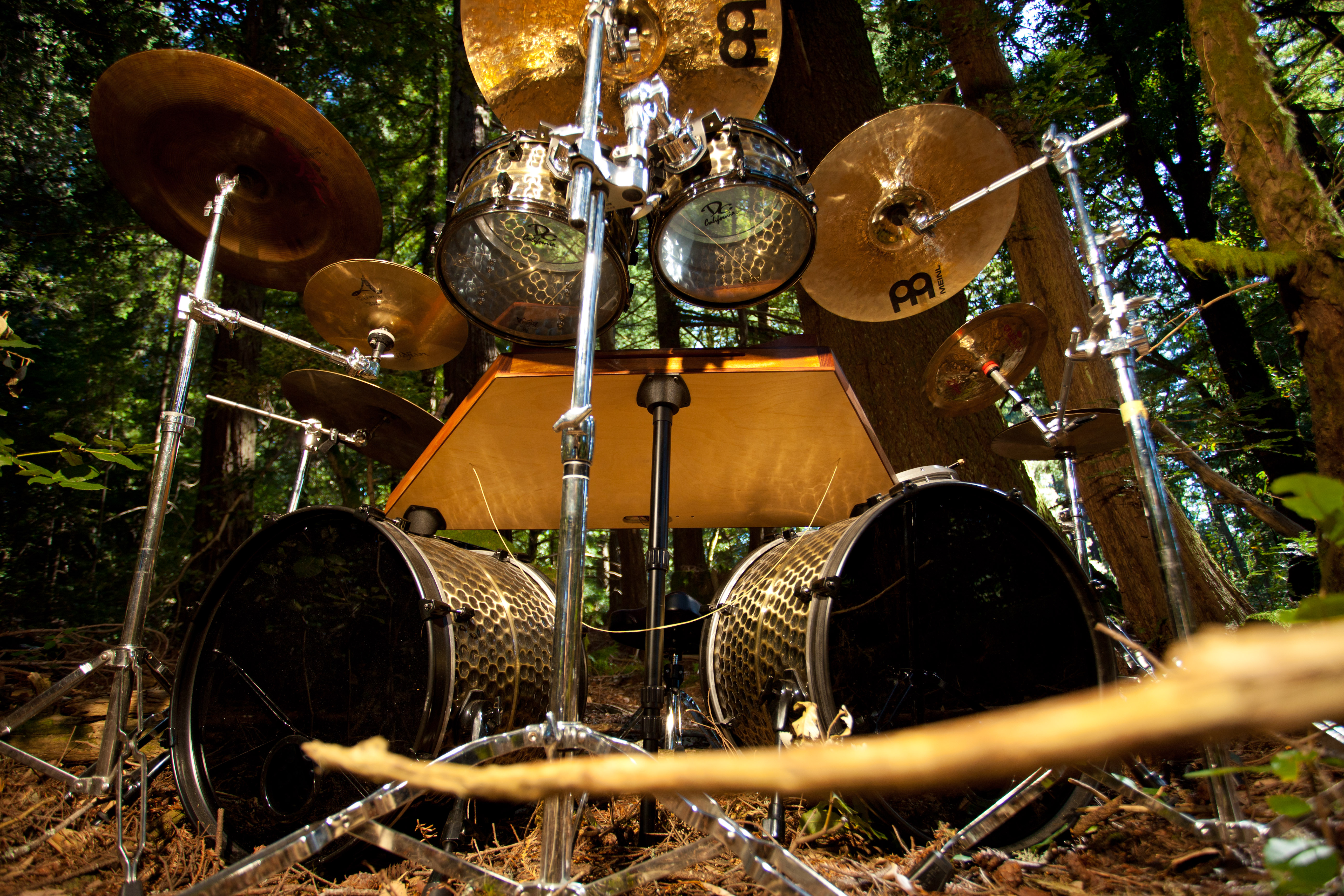
Otrebor: “III: Doom in Bloom’s” story starts in spring of 2008, when the drums were recorded. Although the idea that eventually would become Botanist had already been conceived, this recording pre-dates the inception of the project proper — the drums were intended for a doom project that never happened. However, the drum recordings were real, as was the money paid for the drum recordings… so instead of eating it all, I saw it as a great opportunity to make a unique chapter in Botanist’s discography, and a cool progression from the tone of “I” and “II.”

Even before “I” and “II” were made, friends of mine had expressed enthusiasm to record to the kind of drums recorded during that session in 2008. Considering there were way more drum tracks recorded than I needed for a full-length album, I invited those initial friends to make a song around drums from what would become the “III” sessions. The music could be in any style, and the drums could be chopped up and manipulated in any way of their choosing. The only rule would be that their songs had to be somehow related to the Natural world. This became more and more of an interesting idea that it seemed mandatory to release these songs along with “III,” and so I recruited more people to make music so there would be as many tracks on the Botanist side as there on the Allies side.

MMM: How does this disc work in companion with “III” philosophically? Was it important to play with other people tuned into your mission?

Otrebor: I see the result of Allies via a variety of perspectives: One is that the songs are vistas into alternate universes of what Botanist could sound like if it were an actual band made up of more than one person playing the industry standard guitar/bass/drums… with a few oddities thrown in. Like a saw.

Another is that Allies is like a “remix” album that transcends the notion what “remix” means — instead of manipulating compositions that already exist, alternate reality compositions are made. If Botanist is the Bizarro version of extreme metal, then Allies is the Bizarro version of Botanist.

Another shade of perspective is that the Allies songs are kind of like cover songs, except the covers in this case are originals. Maybe. Or maybe they are alternate originals that float out there, tied to the main project via one set of drum recordings. You be the judge.

MMM: “Cult of Linnaeus: The War Against All” is being premiered today. Why have you chosen this song to introduce to the world?

Otrebor: Cult of Linnaeus was the first group of people to express interest in recording to the “III” drums. Their name and concept came much later, but what did come helped to capture the interest in Botanist (even if that perception largely came from misunderstanding — Botanist has never written anything about Carl Linnaeus). Even now I get fan mail recommending books about Linnaeus. I think it’s great, and I hope that Cult of Linnaeus helps Matt Harper and Alex Lindo promote their main project, Nero Order. Their track was the first to be completed, and it kicks ass.

While we’re name dropping, I’ll also list the other Allies who are in/have been in established projects: Max Doyle from Grayceon and Walken, Jack Shirley from Comadre, Zaragil and Amalgamoth from Ophidian Forest (another band I’m in… appearing on Allies as Ophidian Forest), and Nathan Berlinguette from Creation Is Crucifixion, 5/5/2000, and a bunch of other projects. I can’t keep up with that guy.

MMM: With this full-band presentation, could we possibly see more compositions like these on future albums?

Otrebor: Probably not. But I won’t say never.

You can keep up with the developments of “III:Doom in Bloom” (and subsequent albums’) release on Botanist’s homepage (www.botanist.nu) or Facebook page (www.facebook.com/verdant.realm.botanist).

Botanist’s albums, including III and the debut, I: The Suicide Tree / II: A Rose From the Dead, can be purchased digitally and physically from the band’s Bandcamp, (www.verdant-realm-botanist.bandcamp.com), from Aquarius Records (www.aquariusrecords.org), or directly from the label (www.totalrust-music.com).

NOTE: Our thanks to Otrebor for partnering with Meat Mead Metal on this venture. This is one of my favorite things we’ve ever done on this site, and you can bet you’ll hear more about “III: Doom in Bloom” soon.

MMM Premiere: Botanist’s apocalyptic mission branches out on ‘Quoth Azalea’

I remember the first time I heard Botanist’s bizarre debut album “I. The Suicide Tree/II. A Rose From the Dead.” I didn’t know what the hell I was hearing, what was going on, how to digest the unconventional sounds. But it sunk in, and soon I was hooked. I’d never heard anything like this, both musically and philosophically, and the double-album ended up making our top 40 records of 2011.

The creation of Otrebor, a one-man band who handles drums, hammered dulcimer and vocals – the only instruments that embodied his first transmissions – Botanist’s music wasn’t just a collection of 40 songs, most of which were fast and over quickly. They were the start of Armageddon, the end of humanity. But that end of humankind wasn’t going to come at the hands of other humans, wouldn’t be sparked by a nuclear war, would not be delivered by a super virus. Instead, that path to destruction would be brought on by the character the Botanist, a crazed man of science who isolated himself in the Verdant Realm, away from the toxic machinations of mankind as he awaited the end.

Now, we’re greeted with the next chapter of the story, “III: Doom in Bloom,” an album (scheduled out on Totalrust) that not only extends the plot further but also finds Otrebor branching out his compositions. The songs are longer, more plodding, more musical. It’s an impressive, riveting, terrifying continuation of the Botanist’s quest (and we get to understand more about the voice feeding him the plot), and it’s bound to surprise the hell out of you if you’re already familiar with Botanist’s music.

Otrebor, who I’ve gotten to converse with a bit over the last 12 months, is a thought-provoking, passionate individual when it comes to his craft and this tale, and we are beyond thrilled and honored to be the first place to present “Quoth Azalea, the Demon (Rhododendoom II),” the opening track from “III: Doom in Bloom,” in its glorious entirety. My jaw dropped the first time I heard this song, and I’ve gone back over it repeatedly and a bit obsessively. Check out this incredible epic for yourself, then read what Otrebor himself had to say about the song and how it fits into whole picture. And come back tomorrow as we debut the first song from the accompanying “Allies” disc. That one will knock you on your ass, too.

Meat Mead Metal: You’ve chosen to reveal the song “Quoth Azalea, the Demon (Rhododendoom II).” It’s also the opening cut on “III: Doom in Bloom.” Why did you decide to pick this song as the first track people would hear? Is it as simple as it’s the first track on the album?

Otrebor: Sure, it’s partially as simple as it being the first track, but it’s the first track for a reason.

“Quoth Azalea, the Demon (Rhododendoom II)” is the track that best exemplifies the spirit and intent of III overall in terms of sound, mood, and story. Most immediately, it presents the stylistic and sonic direction that III took: long-format songs, slow tempos, heavy drumming, and blown-out acoustic instrumentation. You’ll get a sense of that within the first 30 seconds. I also like how the song resolves. Although it’s the longest track on the album, it sets the mood for what succeeds it.

Thematically, “Rhododendoom II” is the most representative of the album, sort of like the title track, as it further develops the character alluded to in “Rhododendoom I,” namely the demon Azalea. Azalea is portrayed as the entity that speaks to The Botanist and directs him on how to help bring about the fall of mankind and the rise of the Plantae Kingdom. These directions and the portrayal of Azalea’s character can be seen in any number of contexts: fantastical, literal, metaphorical, magickal, schizophrenic… the interpretation is up to the listener. The whispered parts on the song (and largely on any Botanist song in general) represent Azalea’s directions, about how The Botanist is to go about his mission of helping to bring about the floral apocalypse, how he will be the last of humanity to be erased, but rather than be extinguished, how he will be incorporated into the overall energetic pool of all floral entities, known as the Chlorophyllic Continuum, in which The Botanist will essentially be transformed into a plant, his ultimate reward.

MMM: How does the new album carry over from parts I and II. How is it a continuation of the story/mission? 

Otrebor: All Botanist songs will forever be primarily about the glorification of the Plantae Kingdom. Whether the tone be more vitriolic, more mystic, more poetic, or merely a chronicling of floral form and function, that core mission will be unchanged. The main development of the universe of this project has been talked about in the previous question, but I can add here that the cover art is MS Waldron’s depiction of Azalea speaking to The Botanist. More developments are scheduled in albums to come.

III’s sonic continuation, or better put, progression, is more remarkable. We talked about that in the previous question. The small but important point about the progression is that the form of III is not to be construed as Botanist’s “new direction,” but rather the direction that III went in. Each Botanist release is what it is, and of course similarities in style and sound will inevitably be apparent the more albums are released, but the intent with this project is to make works that have something importantly distinct from one another, while still maintaining the unalterable, core ground rules of botanical-themed music driven by hammered dulcimer and drums.

You can keep up with the developments of “III:Doom in Bloom” (and subsequent albums’) release on Botanist’s homepage (www.botanist.nu) or Facebook page (www.facebook.com/verdant.realm.botanist).

Botanist’s albums, including III and the debut, I: The Suicide Tree / II: A Rose From the Dead, can be purchased digitally and physically from the band’s Bandcamp, (www.verdant-realm-botanist.bandcamp.com), from Aquarius Records (www.aquariusrecords.org), or directly from the label (www.totalrust-music.com).

Bereft’s dance with death takes new morbid spin on debut ‘Leichenhaus’

A metal album focused on death isn’t exactly a novel concept. There are sub-genres built on that idea, so devoting an entire long-player to the end of one’s existence may not draw in listeners who have tired of the whole thing. But if you have a new way of doing it, a fresh approach, well, that’s an entirely different story.

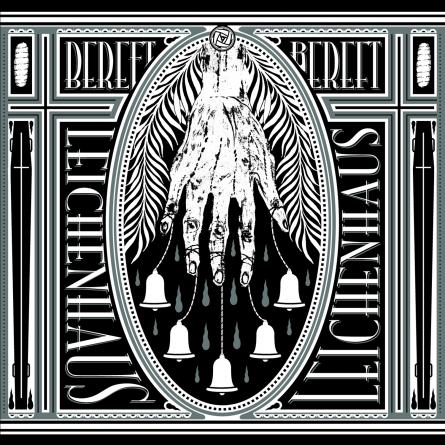
California-based Bereft do the death thing, sure, but not in a way you’ve perhaps heard before. Instead of just taking on the idea of expiration, they dig a little deeper, get a little more psychological, and delve into cultures foreign to many people. Their debut record “Leichenhaus” (German for mortuary), and the bulk of the album deals with a waiting mortuary, a place used by people in eras past (19th century Germans, for example) to house the recently deceased for a period of time just to ensure they are, in fact, dead. Those people didn’t have the gift of modern science (or for our more conservative readers, WITCHCRAFT!) we have today, so to ensure they wouldn’t bury some poor schmuck alive, they housed their inanimate bodies in these buildings. If there was a sign of life, bells would be rung (check the album art) to alert others that the person’s death was premature. The record also deals with sky burial, a funerary practice used by Tibetans and Buddhists, where a deceased body would be cut deeply, placed in an area such as a mountaintop and left for the natural elements or animals/birds of prey to pick apart. The body, after all, is seen as a vessel, and the process of such burial feeds into the concept of rebirth. That’s a lot of digest (seriously, no pun intended), but it helps having a grasp on the ideas when tackling this mammoth slab of plodding doom metal.

Even though this is their debut, Bereft are not newcomers. The lineup is comprised of vocalist/guitarist Charles Elliott (Abysmal Dawn), guitarist Sacha Dunable (Intronaut, Graviton), bassist Derek Rydquist (ex-The Faceless), and drummer Derek Donley (National Sunday Law/Graviton). Yet if you take what you know of all of the dudes’ regular bands and add it all together, you won’t get what you hear on “Leichenhaus.” There’s a decided departure from what these guys normally do musically, and that alone is quite a kick to the sternum when you first hear the outright, bloody heaviness of this all. Sure, Elliott growls and howls with the best of them fronting Abysmal Dawn, but he digs deeper into his guts and unleashes some vocals that will boil your organs. All the other guys contribute backing vocals now and then (Dunable’s being the most distinctive), but their primary duties are dumping buckets of sludge and muck all over the surface of this record. It’s suffocating in the get-the-elephant-off-my-chest manner.

The record opens with “Corpse Flower,” an instrumental immersed in a cloud of drone and feedback, with guitars swirling in the air, sounding like a siren, and that leads right into “Mentality of the Inanimate,” a track that needs no lyrical explanation based on its title. The song is lurching and hulking, with just a hint of melody oozing behind, and Elliott’s vocals remind me a bit of the brilliant work of Damon Good (Mournful Congregation). “Withered Efflorescence” takes on some spacey qualities, and there’s an introduction that’s built partially on acoustic guitar work. The vocals are deep and wrenching, and the song eventually achieves a crunchy, massive tidal wave of terror. “The Coldest Orchestra,” with lyrics penned by Nicole Pasco, is trickling and atmospheric, but it also hits a nice sludge groove, gets some callback vocals (Dunable is most recognizable here), and the song strikes a perfect emotional pitch, leaving you breathless at the end. “A Cruel Mirage” is one of the weirdest songs on the album, but it never disappoints in leveling you with filthy heaviness, while “Ethereal Dispersal” just may turn you into a spiritual wreck, as these guys channel the feelings in their hearts and guts and lay everything on the line. The guitar work is dark and troubling, the chants are other-wordly, and the sorrow and release are expressed expertly. That actually would be enough if they ended there, but closer “And You Are But a Thought” feels like the spirit passing on to another plane, with lines grasped from Mark Twain’s “The Mysterious Stranger” that really hit the point in a chilling, eerie way. It’s a little uncomfortable, to be honest, but it’s good to feel that way sometimes.

“Leichenhaus” is an incredibly impressive, moving debut record that isn’t your run-of-the-mill doom sludge or death chronicle. It makes you think, dream, and research, and despite what some people who aim to run the government of the United States may think, it’s healthy and positive to immerse oneself in another culture’s customs, even ones as morbid as these. We’re all headed down this path one day, sad to say, and this record could give us pause to consider just what that journey may entail.

For more on the band, go here: http://www.facebook.com/bereftdoom

To buy the album, go here: http://www.theomegaorder.com/s.nl/sc.1/category./.f?search=bereft

For more on the label, go here: http://theendrecords.com/

Ancestors continue to up the emotional ante on powerful ‘In Dreams and Time’

I love getting in on the ground floor with new artists and listening to them grow. Sometimes that’ll start for me if I happen to be lucky enough to get turned onto a band’s demo, but most often it takes place when I get my hands on a group’s debut offering, be that a 7-inch, EP, full-length, whatever. I’ve liked tons of bands’ first efforts, but not all of them have kept me interested to continue along with their journey toward a full catalog. The ones that do keep me end up becoming some of my favorite bands.

One band that grabbed me right away and tightened its grip over time is Los Angeles psyche rockers Ancestors, a band that started off burly and muddy, like a spaced-out Neurosis, and continued to shape-shift from that point. The group has yet to put out two recordings that sound anything like each other, and each effort always seems to come from a different mind frame or mood. Maybe that makes it sound like Ancestors are all over the map, but they are not. They are channeled and on point always, and their first three efforts have gotten ample play time in my home. In fact, their 2011 EP “Invisible White” is still fresh on my regular playlist, so having something new from the band wasn’t necessary for me quite yet, but it absolutely was welcomed with open arms.

“In Dreams and Time” is the band’s third full-length overall, and first since 2009’s excellently sprawling concept piece “Of Sound Mind.” As noted, the new, six-track effort still has that exploratory headspace that inhabits all of their offerings, but sonically it’s nothing that apes their other three efforts. If anything, it’s like a pulling together of parts, using elements that made their other records work so well and combining them to make a better machine. The punchiness they displayed on their debut “Neptune With Fire” can be heard in spots, the stretching of the imagination brought out on “Of Sound Mind” can be felt, and the emotional vulnerability displayed on “Invisible White” (especially on the EP’s namesake opening track) also makes a return. That combination of forces make this effort their most fully realized recording to date, a sign that they’ve truly grown as artists.

Ancestors seem to understand what make them tick, and this is a band that’s bound to continually get better with time. For that’s what they’ve done every year up to this point.

Ancestors aren’t exactly a heavy metal band, admittedly, but certainly those of us who dream alongside bands such as Sleep, ISIS, and YOB can find something to love here. Those more into the prog- and psyche-rock realms, who cling to Pink Floyd and King Crimson, almost assuredly will rubber-stamp this amazing display. “In Dreams and Time” is a record that’s soaked with heart and soul, life’s blood, and the perspiration generated when in the clutches of a vivid, meaning-rich dream, one that makes you think your inner visions are reality until you truly wake up.

The records opens with the gazey “Whispers,” a nine-minute cut that does get a little volatile at times, but seems to be setting the pace for the rest of the record. “The Last Return” allows for the first true gushing of heart-swelling emotion, as its out-of-the-mist balladry and drop-dead gorgeous female vocals make it one of the best songs in this band’s history. It’s my favorite song on here. “Corryvreckan” brings some growlier, gruffer vocals back into play here, something we haven’t heard from the band in some time, and that runs headlong into “On the Wind,” an atmospheric, lungs-full-of-spring-air dazzler that keeps your blood pumping hard. “Running in Circles” also has some brawn and muscle to it, letting the vocals get a little throaty at times, and even the guitars get in and gut things out, allowing some punchiness to burst your bubble of serenity. Epic closer “Fight Light” sounds like the ultimate curtain raiser, as it runs almost 20 minutes and allows the band to tie up any loose ends. It’s an exciting display of psychedelic rock at its finest, with some calming passages, downright cathartic guitar interplay, organs rising like a swollen creek, and a string crescendo that could bring you to tears. When it’s over, you’ll feel spent yet likely to want to go back in for more. Nothing’s stopping you, right?

Ancestors are the perfect career rock artists, showing their promise and commitment early on, and taking that and shaping them into concrete ideas that pay dividends down the road. This band just keeps getting leaps-and-bounds better with every effort, and they deserve a wide audience and a giant hall in which to unfurl their majesty. As excited as I am about “In Dreams and Time,” I’m just as pumped to hear what they dream up next. If the band’s history is to be believed, their next piece will blow this one of out the water. And that’ll be no easy feat.

For more on the band, go here: http://ancestorsmusic.com/

To buy the album, go here: http://teepee.hasawebstore.com/

For more on the label, go here: http://teepeerecords.com/

Anhedonist’s devastating ‘Netherwards’ is a killer landmark in doom and death

A few weeks ago, I talked about demo recordings and how I generally am not up to speed on them. Again, it’s not because I don’t try to get my hands on new things on the horizon, it’s just that with a full-time job, raising a dog, and doing other daily crap, it’s really hard to get as immersed as I’d like to be. So I depend on word of mouth mostly for budding bands that require my attention, and that seems to work out for me. My collection of said recordings actually is growing.

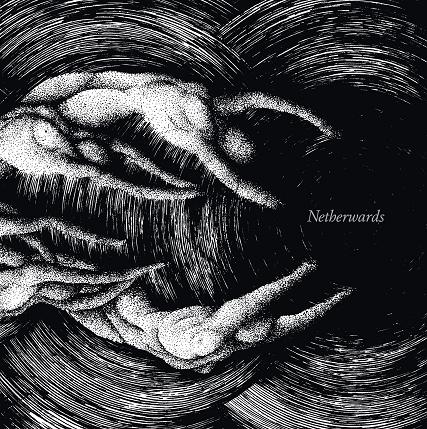
So it’s always awesome when I do get my hands on some early recordings and then watch the band progress. One of the groups I’ve been following pretty steadily since their first recording “The Drear” is Seattle’s awesome doom/death soldiers Anhedonist. The three tracks on my cassette version are damn near running themselves thin because I’ve listened to the thing so many times. The tape would be dead if I had a cassette player in my car. Luckily iPod tracks don’t go bad. But instantly upon hearing the band, I knew they’d be one I’d follow closely as their career progressed, and my enthusiasm blew over when I first started getting press releases on their debut full-length “Netherwards,” released by the always awesome and reliable Dark Descent. Seriously, if you are hungry for some new death and doom and are not sure where to turn, just buy a few random things from DD, and you will not be disappointed.

But back to Anhedonist. Their mangling, ugly transmissions will make you feel filthy and rotting inside. They get into your bones and your blood and infect you with morbidity. The closest comparisons I can come up with for this band are Aldabaran and Mournful Congregation (more in philosophical approach than sound, but there’s certainly a connection), and not so oddly, those bands all completed a West Coast tour together quite recently. Hey, uh, East Coast next time. Thanks.

Basically, you won’t feel enriched as a person or enthusiastic to tackle the day when you’re done listening to Anhedonist and their amazing new record “Netherwards,” and it isn’t fodder for a celebratory get-together with friends. It’s what you use to connect to your inner darkness and depression. The music helps you latch on to your darker side, one that perhaps you try to suppress in order to put a happy face on things but that certainly lingers beneath you. I think it’s far more dangerous not to acknowledge those feelings than to put them on a shelf, so I’ve gotten a lot of cathartic use of Anhedonists’s music. I’m not afraid to admit that sometimes I’m a miserable fuck, and because I spend time with that side of myself, I feel more balanced.

Maybe you will be able to work out some of your inner strife with these dudes (um, and lady) – V.B. (vocals/guitars), K.H. (guitars), Z.S. (drums), D.F. (bass) – and their latest cauldron of hatred and misery. “Netherwards” is but four tracks long, but you can bet you’re going to spend a nice bit of time with each one of them. This is doom after all, and long, sorrowful compositions are commonplace in the genre, but this band doesn’t embrace that idea of the epic just to do it. On each song, you can hear the band working through emotions and making their way musically to a particular thought’s conclusion. These songs sound timed just right, and they’re proof that Anhedonist is one of doom metal’s most important rising bands.

“Saturnine” opens with a long pockets of silence, so don’t go adjusting the volume knob or thinking you got a warped copy. It’s there by design, to slowly draw you into the song that piles muddy thrashing on top of punishing, grinding guitar work. It’s utterly, beautifully brutal, and when the death chimes carry you out, you know you’ve been through a war inside your head. “Estrangement,” as the title indicates, is sad and gloomy, taking up a crushing mid-tempo assault that gets dressed with tortured shrieks and cries of desperation. “Carne Liberatus” is the shortest song on here, but it makes the most of its time by also being the heaviest, most aggressive of all the tracks. There are sinister guitar sections,  growling shrieks courtesy of V.B., and eventually a nice melody buried underneath all the soot to calm you down again. The whole thing ends with the 15-minute epic mauler “Inherent Opprobrium,” a song that tests the limits of what your psyche can handle and also gives you a neat summary of all the things this band does so well. There are clean sections, some furious gallop, some maniacal tirades over excruciatingly slow parts, including V.B. howling, “I’ll never forget your screams,” and the whole thing eventually bleeds out into the fog, leaving you pounded and vulnerable.

I had super-high hopes for this record, and it’s one that I told a lot of people to look out for in the future. I’m pleased that not only have my expectations been met, they’ve been totally blow away. Anhedonist is a band you must hear right now, this very instant, so that you can get in on the bottom floor. They’re a band that will fuel the underground of death and doom metal and are one of the acts I’m the most excited about watching develop. “Netherwards” is wickedly awesome, an album that’s an early contender for best-of honors in 2012.

For more on the band, go here: http://anhedonist.blogspot.com/

To buy the album, go here: http://www.darkdescentrecords.com/store/index.php?main_page=product_info&cPath=1&products_id=1807&zenid=lq2ctladsm0134jpjovkf0mba5

For more on the label, go here: http://www.darkdescentrecords.com/

Acephalix unleash doom-encrusted madness on convulsive ‘Deathless Master’

Instead of screwing around with some intro about some other thing that connects to the one thing I’ll discuss today, let’s instead get to the point. The new Acephalix will rip your neck right off your shoulders and cause your unaware skull to bounce and splatter on the floor. Period.

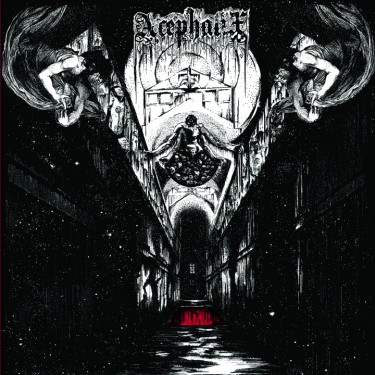
So we can end the review there, right? Sure, if you’d like. That about sums up everything you need to know about the San Francisco-based death/crust band’s sophomore album “Deathless Master.” It’s relentless and violent, maniacal and ferocious, and it’ll do serious bodily damage to you. I don’t mean that in a literal sense, you know? Some people bitch throughout the Internet that it’s stupid to say a record will physically harm you. Whatever, man. Start your own web site. As far as we’re concerned, this album will, indeed, kill you mentally. And maybe your family. And your neighbors. They’re probably assholes anyway.

Acephalix has been dropping the metallic lumber since forming in 2007. They pushed out some demo recordings, eventually delivered their first full-length “Aporia” in 2010, and then grabbed the attention of the masters over at Southern Lord, who released their 2011 demo “Interminable Night” as part of their underground series. Shortly afterward, Southern Lord officially signed the band to the label, and now we’re met with “Deathless Master,” an album that totally ups the ante. Oh, another thing that it does is carries over some of the filthy death metal 3/4 of these guys spill out in Vastum, whose debut was one of our Top 40 favorite records of last year. By the way, new Vastum album is on the works. Totally excited over here.

But Acephalix is our topic for now, and their sheer violent will makes them perfect stablemates for other volcanic Southern Lord acts such as Nails, the Secret,  and Black Breath. They don’t really share the same sound — they’re at least close to what Black Breath do — but when you put on this record, you’ll be overtaken by their force. They sound hungry, mean, and focused, and they also have steadily improved as a band from last full-length to this one. You even can hear the progress from “Interminable Night,” as this band steers closer and closer to a filthy death metal sound exclusively.

The Acephalix dudes — Dan on vocals, Kyle on guitar, Luca on bass, Dave Benson on drums — let the shit hit the fan immediately on “Bastard Self,” a burly, chugging slab of death that has a nice melody line tucked beneath all the madness. The title cut gets a little grindy and works in some Slayer-style guitar histrionics, and eventually some weird-o, monotone warbling slips into the fury. “Tomb of Our Fathers” ruptures with double-kick drum firing, lurching vocals, and some sharp guitar work that worship at the altar of Entombed; “On Wings…:” is doomy and punk-flavored, and it makes me chuckle a little because it sounds to me like they’re yelling “old witch!” over the chorus; “Blood of Desire” has machine-gun drumming and sludgy, muddy terrain; and lengthy (for them) closer “The Hunger” also is grounded largely in doom and gloom, though it does pack some serious punishment as well.

Acephalix continues Southern Lord’s effort to build a new level of great young bands on top of their foundation of groups such as Sunn 0))), Earth, Wolves in the Throne Room, and Pelican. This is one of their mightiest newcomers, and Acephalix should be keeping things interesting and convulsive for some time to come.

For more on the band, go here: http://www.acephalix.com/

To buy the album (pre-order will be up soon), go here: http://www.southernlord.com/store.php

For more on the label, go here: http://www.southernlord.com/

As Opeth invade U.S. shores, The End serves up reissues of band’s classic titles

I love reissues. Actually, let me back up a bit. I love sensible reissues. I’m not terribly down with putting out some expanded version of a record that just came out a year ago just to do a cash grab. Victory Records is notorious for this, and considering the average age of their audience is like 12, there’s no sense in it. The idea’s just really mean.

But a true reissue project, such as Metal Blade’s efforts to reintroduce and repackage works from Amon Amarth (the tacked-on live goodies were worth the price of admission) and Primordial, as well as Relapse’s Death stuff and Earache’s recent Carcass project, are fun, help new fans catch up, and give older listeners a better version of what they already own. Along with some new stuff to make parting with your money a worthy cause. Those types of things I generally eat up, and I am pining for reissued versions of the old Testament and Overkill albums so that I can update those aging discs that don’t exactly come to life if I put them into my car stereo. I have to turn it up to about 40 to get any firepower.

So this all leads us into an effort from The End Record to get some of Opeth’s works back into circulation again. Through their acquisition of the Music for Nations catalog (a purchase that got us fresh versions of stuff from Witchery, Lost Horizon and Firebird, among others), we get a renewed look at some of the band’s work from early in this century, when they really hit a creative stride and put out some mesmerizing, challenging work. In that collection is an expanded version of one of the progressive death metal band’s finest albums ever, and one of the best pieces of work in the history of the genre.

Now, depending on what’s included in your personal Opeth collection, you might not require every piece of this new wave of product. But if you weren’t tuned into the band yet in this era or just never got your hands on some of these albums, this is a great time to do it. And not to sound all salesman and all, but The End has an awesome package (seen above) where you can get all of these pieces together, along with a vinyl bag. We’ll include that link at the end because you might want to get on that.

The highlight of this project is a gorgeous new version of “Blackwater Park,” often cited as the band’s best record (I would agree, though I also love “Orchid” a great deal). It was Opeth’s first-ever North American release (came out in February 2001) and marked the band’s first collaboration with Steve Wilson of Porcupine Tree. It’s a gorgeous, sprawling masterpiece that marks the apex of the band’s fusion of death metal, prog rock and ’70s-style folk rock. The band has put out some excellent music since then, but they’ve never quite captured the magic of this incredible album. Along with the music is a case-bound digipak, a 28-page, full-color booklet, and a bonus DVD. Even if you have this album, getting this “legacy edition” is worth spending the money all over again. I’m thrilled to have this new version on my shelf. As weird as this may sound, I’ll treasure it.

“Lamentations” also gets a great new repackaging, as the DVD and double-disc version of their live performance at Shepherd’s Bush Empire in September of 2003 is combined as one for the first time. It mostly covers the terrain they traveled on the dual “Damnation” (played in its entirety) and “Deliverance” albums, along with some nuggets from “Blackwater.” Both the DVD and CDs sound incredible, though some of the camera work on the DVD is a little wacky. But that’s no big deal, really. Plus, if you’ve never experienced the band live, you get the treat of Mikael Akerfeldt’s weird stage ramblings that sound half-gentleman, half-smart ass. He’s so low key and unassuming, it’s comical. There also is a documentary of the making of the “Damnation” and “Deliverance” records that also is pretty interesting to watch and gives you a better understanding of how these records came to be. Speaking of which …

The reissues of “Deliverance” and “Damnation” don’t differ at all from the versions that were released in 2002 and 2003 respectively. “Deliverance” is one of Opeth’s heaviest records ever, and there are points of savagery the band has come nowhere near matching since then. That’s not a criticism, mind you, just an observation that this record was the band’s decibel tipping point. But as usual, the band colors the chaos with some cleaner passages, some acoustics, and a ton of atmosphere. This album also holds a special place in my heart because it was the first Opeth album I really fell in love with, and I worked backward from there almost instantly.

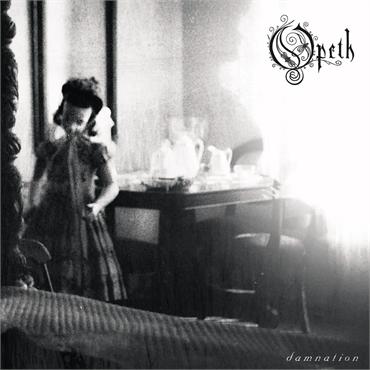
“Damnation,” at least in 2003, was the oddest record the band ever released. A companion piece to “Deliverance,” this was an album full of moody ballads and mid-tempo pieces, with zero strains of death metal. It was a new look at the band, one that actually hinted to what was ahead (put this alongside “Heritage,” and you can see the path clearly). It also features some of Akerfeldt’s most soulful vocal work and some truly haunting music that would prove just how talented and flexible these guys are as musicians. And let’s face it, this is an album Opeth naturally had been progressing toward for years, and to hear it come out in its glory had to be cathartic both for the band and its listeners, who have embraced Opeth’s many colors and nuances throughout the years.

All of this also comes out at a very strategic time, when Opeth are launching a North American tour alongside Mastodon and Ghost, one of the year’s most anticipated adventures. If you don’t own any of these pieces, definitely put some money aside and grab these next week because they’re well worth your time. Opeth is one of death metal’s greatest treasures, and all four of these documents are all the proof you need to back up that assertion.

For more on the band, go here: http://www.opeth.com/home/

To buy the entire bundle, go here: http://www.theomegaorder.com/OPETH-4CD-Reissue-FREE-Bag?sc=16&category=398342

For more on the label, go here: http://theendrecords.com/

High on Fire light up with divine time travel storyline on ‘De Vermis Mysteriis’

Metal has its share of bizarre concept albums. Queensrÿche’s “Operation: Mindcrime” is a classic example, as is Iron Maiden’s mythological tale “Seventh Son of a Seventh Son.” You have Mastodon’s classic “Leviathan” and not-as-classic “Crack the Skye.” You have King Diamond’s “Abigail” and … just about every one of his other albums. Basically, there are a lot of tales that have been told in metal history, and most of them are pretty wacky.

But no matter how hard a concept may be to wrap your brain around, perhaps you haven’t seen and heard anything yet until you tackle the new album from High on Fire called “De Vermis Mysteriis.” This one’s hard to grasp conceptually. Musically, no problem at all. The Kurt Ballou-produced demolition created by HoF crushers vocalist/guitarist Matt Pike, bassist Jeff Katz, and drum god Des Kensel is massive and thoroughly satisfying, one of their most crushing effort since 2005’s “Blessed Black Wings.” The story? I hate to do this because it feels lazy to me, but here’s what Pike had to say about the record’s storyline. Pay attention now because he refuses to reiterate beyond this initial telling.

The album’s title (translation: The Mysteries of the Worm) is a nod to a fictional grimoire conceived by the late, great Psycho author Robert Blochin and later incorporated into horror master H.P. Lovecraft’s renowned Cthulu Mythos. “It’s a concept record, a little bit,” Pike offers. “I got this idea about Jesus Christ and the Immaculate Conception: What if Jesus had a twin who died at birth to give Jesus his life? And then what if the twin became a time traveler right then? He lives his life only going forward until he finds this scroll from an ancient Chinese alchemist who derived a serum out of the black lotus—which is actually in Robert E. Howard’s Conan stories—and then he starts traveling back in time. He can see the past through his ancestors’ eyes, but his enemies can kill him if they kill the ancestor that he’s seeing through at the time. Basically, he keeps waking up in other people’s bodies at bad times. It’s kinda like that old TV show Quantum Leap. Kurt actually pointed that out to me after I told him the idea. But whatever—time travel is a killer concept.”

You got all that? It’s pretty out there, and considering the band’s notoriety at participating in and inspiring bong-related activities, an idea like this surely had to have been a product of a cloud of smoke. So follow along the best you can on this journey, and as strange, mystifying, scary, and trippy as it all may seem, as noted, the music will get you there. Lots of people complained about the production value of 2010’s “Snakes for the Divine,” namely how Kensel’s drums were treated, but it only takes the first few seconds of this seventh High on Fire album to let you know the skins are going to get the shit pounded out of them, and you’ll hear every strike. This is the heaviest, beastliest album from the band yet, and they sound downright ferocious telling this story.

So yeah, opener “Serums of Liao” just explodes, with a trudging assault that sounds like Motorhead poking a wasp nest. That leads to the earth-quaking “Bloody Knuckle” and its Slayer-like thrash approach that gets just a little bit of swagger to go along with it. “Fertile Green” also gets a blistering lead-in by Kensel, so if the point hadn’t been made yet that this is a record for drum fetishists, then this will make that loud and bloody clear. “Madness of an Architect” changes up the tempo a little bit, with some drone and more of a stoner gallop like Pike’s earlier days with Sleep (oh, “Dopesmoker” reissue, coming soon). The song also gets Southern-style treatment and even more doom piled on top for good measure. “Spiritual Rites” is as aggressive and speedy as High on Fire ever have played, and the title track is burly and a bit more basic. “King of Days” is absolutely pulverizing but also feels a lot different from what we come to expect from this band. There’s more of a mid-tempo, and at times vintage Metallica aura to it, and it has some of Pike’s gutsiest vocals. Oh, and a bones-to-dust outro from Kensel, your album MVP. The one song that may cause your head to tilt a bit is raw, stripped-back closer “Warhorn,” where Pike’s gurgling, mucous-smeared vocals take center stage and are as naked as ever. It sounds weird at first, but that’s because you’re used to hearing him howl over teeth-shattering decibels. So let yourself adjust, and you won’t be sorry.

High on Fire is one of metal’s loudest, sweatiest, meanest, nastiest bands, and their output has been nothing short of consistent. Now they can add “intellectually challenging” to their resume with this new album. It’s an astonishing listen, one that sounds best on the highest volume you can achieve. This a platter that only should solidify, if not swell, the band’s following.

For more on the band, go here: http://highonfire.net/

To buy the album, go here: http://www.amazon.com/De-Vermis-Mysteriis-High-Fire/dp/B007ADKQFE/ref=sr_1_1?ie=UTF8&qid=1333421062&sr=8-1

For more on the label, go here: http://www.eonemetal.com/