Hexis’ blackened hardcore spins tales of sacrifice, resurrection on violent opus ‘Tando Ashanti’

Rebirth and resurrection are two tenets that comprise common threads in most of our lives, mainly through religion. Whether it’s the literal rising from the dead or just a new outlook or way of seeing one’s life, these two occurrences are so engrained in most of our cultures that it shouldn’t be hard to come up with a story or personal example of either one.

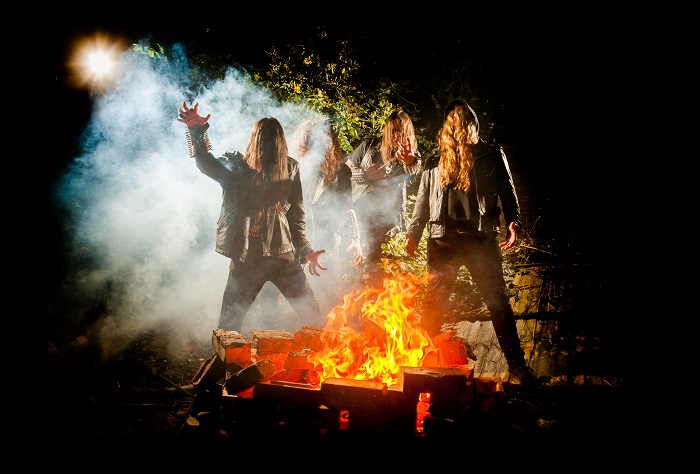
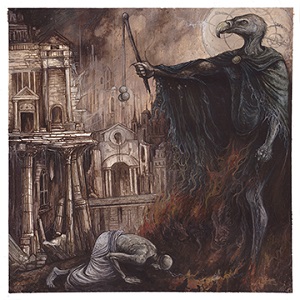
Danish wrecking machine Hexis also have their own take, and that is smeared all over their thunderous second record “Tando Ashanti.” The title itself references the demon Tando Ashanti, who demands sacrifice of 14 people, seven men and seven women, at the same time. That’s grim on its own, but the journey Hexis have built into this record and these 11 songs doesn’t simply bow to the powers of the dark. Shadowy as their intent may be, they have woven in a narrative of resurrection of the weak and dead, a path you can follow to whatever conclusion you find. The band isn’t super black and white about the meaning of all of this, so it’s your job to comb through this nearly 39-minute battlefield for clarity and understanding. This must be done by essentially mining a battlefield with the war still raging on, and there’s no guarantee you’ll land on anything before having your face ripped apart.
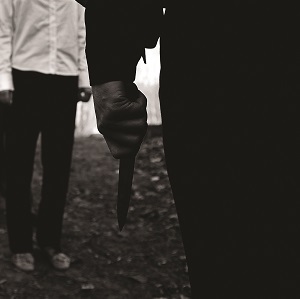
“Tando” tears off the lid with guitars charging and hanging in the air, as well as strange whispers and feedback contributing to the horror factor. “Ashanti” explodes with grim guitars, throaty growls, and a tempo that boils and crushes. The riffs slow down and sludge later, with sounds stinging and the thick bass bruising. “Molestus” has melodies contorting and the pace chugging violently, as the track works toward the jugular. Howls of “nightmare!” repeat and thrash, as the cut dissolves into acid. “Ritualis” scrapes skin off the surface while the riffs lather like thick oil. The growls are cement-grade rivers, while the band piledrives into and through the chaos. “Calamitas” has dramatic, urgent riffs that storm, and the intensity of the thing could have you on the verge of a blackout. The vocals wrench, and the tempo that mauls from front to back finally lets you have a breath. “Nocturnus” is one of the longer cuts on here, setting into a hardcore-style offensive before everything chills out a bit. The music has a calculated feel for a stretch before the churning starts again, and the vocals turn bones into fine powder.

“Opacus” feels like being caught in the gears of heavy machinery, as your insides are twisted, and your pain points hit their apex. The track is monstrous, decimating before eventually bleeding away. “Cordolium” has guitars collecting in an ashen cloud before coating the ground. The track slowly hulks, while the growls rip holes, and the guitars spit sparks. Everything swells and is pulled into a tornadic terror, with the vocals curdling and the song ripping toward its end and right into “Resurrection.” There, noise drone foams up and spreads, with the harsh cries dragged over top. From there, it’s a slow grind to its end. “Septem” is aggravated and blinding with rage, as the vocals crush the gears, and the guitars swirl. In fact, most of this song is dizzying and disorienting, paving the way for the merciless finish of “Presagium.” Damaged guitars and thorny vocals mix while the pace jackhammers everything in sight, and the final minutes are comprised of strange coldness and a dense noise cloud that chokes away all.

Hexis’ mission is a dark and foreboding one, never more obvious than on “Tando Ashanti.” This band’s penchant for mixing hardcore, black metal, and doom is potent, and over two records now, they’ve charred those standing in front of them. This record is as deadly as they come, and you could leave this thinking you bear the black mark of the next one up on the demon’s chopping block.

For more on the band, go here: https://www.facebook.com/Hexisband

To buy the album, go here: http://www.halooffliesrecords.com/releases/

Or here: http://www.doomrock.com/

For more on the label, go here: http://www.halooffliesrecords.com/

And here: http://www.no-pasaran.org/welcome/

PICK OF THE WEEK: Nightbringer’s esoteric black metal contorts, damages mind on ‘Terra Damnata’

There is a special place for bands that don’t simply give you album experiences but also add something transcendent to their work. It’s not just a matter of being overwhelmed by their music, and the decibolic madness contained within. It’s also a gateway to something else that isn’t attainable by any other means, no matter how far your imagination may stretch.

Colorado-based black metal wanderers Nightbringer never just release a collection of songs. Their strange, esoteric ways are woven into the fabric of their music, and playing one of their records sometimes makes it seem like you’re on the doorstep to a convulsion. Their new opus “Terra Damnata” is another bizarre trip down a wormhole toward a plane of existence and understanding you didn’t know was possible. Each of their five records provide a sort of atmospheric, out-of-control adventure you can’t control or even possibly predict. It has been that way since their 2008 debut “Death and the Black Work” and continued to bleed into their last album “Ego Dominus Tuus” in 2014. On this record, the band—vocalist/guitarist Naas Alcameth, guitarist VJS, bassist Norgaath, drummer Menthor, guitarist/vocalist Ophis, vocalist ar Ra’d al Iblis—get more symphonic and layered, always bludgeoning you but keeping your head so full of mysticism, you cannot help but be entranced.

“As Wolves Amongst Ruins” starts us in the midst of absolute chaos as guitars contort and rain down, and maniacal howls remind you of the rare atmosphere in which you’re encased. Strange bouts of speaking and bizarre melodies continue the push, while eerie keys take over and help the track wash away. “Misrule” unleashes tornadic riffs, mad blasts, and crazed shrieks, leading into a dizzying pace and a cloud of fury that hangs in the air. Later, the growls spin your heart and mind as the song settles into its resting place. “Midnight’s Crown” once again puts the room at a spin, with humid ambiance and speedy playing jostling your nerve endings. Strange warbling and heavy synth waves increase the drama, while the music spirals toward the ground, and a huge symphonic finish adds strange texture. “Of the Key and Crossed Bones” is delirious and savage right off the bat, as the tempo drubs unforgivingly, and the drums punish relentlessly. Monstrous vocals mix with enrapturing melodies, causing the pace to sicken and enthrall equally before mystical final moments drag everything back into the fog.

“Let Silence Be His Sacred Name” has keys dripping like cold rain before total eruption sends shrapnel flying. The track binds up your guts with its horrific twisting and turning before the band settles into a nasty thrash groove. The storming only continues from there, as violent outbursts charge hard before atmospheric pressure subsides, and keys blur out the picture. “Inheritor of a Dying World” sets the music to a boil, as wails of, “Inherit the world of dust!” jars the mind. The music goes cold for a stretch before the band starts landing heavy punches again, sprawling and ripping, as calls of, “There is no solace,” only adding to the uneasiness before everything subsides. “The Lamp of Inverse Light” has more off-kilter tones and a really bizarre set of surroundings, almost like you’ve entered an even higher level of Nightbringer. Ghostly speaking mixes in with the spiritual chaos, setting the stage for closer “Serpent Sun.” Wrenching guitars and crushing vocals make their way toward you before terrible shrieks and vicious bursts up the ante of terror. The drums burst and the riffs twist into a tight ball, while horrific growls send the final messages before the track ends abruptly.

Five albums in, and Nightbringer continue to be one of the most inventive, spiritually mysterious bands in all black metal, and you need no further proof than “Terra Damnata.” Their dark works only grow stranger and more violent as time goes on, and their mission gets even tougher to figure out completely. That’s part of the wonder in taking on this band, since they know no boundaries physically nor mentally and leave no hints as to where their mission will take them next.

For more on the band, go here: https://www.facebook.com/NightbringerOfficial

To buy the album (North America), go here: https://shopusa.season-of-mist.com/

Or here: https://shop.season-of-mist.com/

For more on the label, go here: http://www.season-of-mist.com/

Craven Idol brush off vintage death metal chaos, eviserate vices on ‘Shackles of Mammon’

Photo by Jack Latimer

It’s fitting that an old, crusty sound could reach back into the annals of time and feast upon something that has afflicted humankind for ages. Just like the best death metal tends to prey upon our fears and the disgust inherent in murder, violence, and decay, so too can it address other horrors that eat away at us for completely different reasons and that can be just as ugly.

UK-based death troupe Craven Idol sound as tried and true of old school death metal bands come these days. Their ferocious, unhinged approach feels genuine, and while some could guess this band is paying homage to, say, Bathory, Venom, or Bolt Thrower, they instead are continuing to cut the same bloody path and extend it into the future. But beside the sound of “The Shackles of Mammon,” their second album, is the aforementioned unearthing of subject matter as old as civilization, namely people’s tendencies toward vices, their destructive nature, and the justification of said ways. Much of that pokes at humankind’s reliance on religions in a way to make good for what they do wrong to themselves, others, and society as a whole, a plague that remains feasting at our collective veins. The band—guitarist/vocalist Immolator of Sadistik Wrath, guitarist Obscenitor, bassist Suspiral, and drummer Heretic Blades—brings a savagery and primitive fire to these songs that can tear you apart and leave your rotting corpse vulnerable to anything that wishes to gnaw from your bones.

“Pyromancer” eats the heads off this thing, with guitars ripping and wild howls smeared over everything. The chorus is a simple, pulverizing piece that’s actually pretty fun, and the final moments are taken out in a quick blast. “A Ripping Strike” is eerie at the start before it lives up to its title, as guitars churn, and the pace kills. Heavy shrieks crush before the effective chorus hits, and then weird speaking that chills your bones lands. The soloing is fiery and fluid, with the band taking on a Maiden-esque fit of glory before the song rushes out. “Black Flame Divination” is deadly and gut-ripping, with the vocals sounding unhinged. But once again, a very direct chorus shows the strength of brevity. The track is fast and ferocious right up until it ends. “The Trudge” is one of the longest cuts here, running 7:45 and taking its time developing a thrashy pace. Parts of the song are more tempered but still remarkably heavy, as the piece chugs and melts into sticky doom. Guitars scorch and vocals slash before its blazing finish.

“Dashed to Death” has boiling guitar work as the music begins to stomp, with the vocals a mix of gurgling growls and massive shrieks. The playing agitates, with Immolator of Sadistik Wrath wailing, “Kill for your god!” before the tempo picks up again and pulls scabs off your wounds. “Mammon Est” is speedy and nasty, with searing guitar leads doing damage to your soul and your ears. The howls are filthy and the playing is reckless, before everything blasts out. “Hunger” hits the gas pedal again, as Immolator of Sadistik Wrath unleashes throaty growls to add more blood to the raging pace. Later, some strange, slurry soloing pushes in, adding an extra dose of weirdness to a final half that’s pretty damn odd. Closer “Tottering Cities of Mon” is the longest piece at 8:37, with a deliberate pace taking time to accumulate bodies, mashing you into slow-driving hell. Later, some classic metal guitar work brings an even deeper vintage edge, while an unsettling dialog grabs your attention, and the playing disappears into a pocket of strangeness.

Craven Idol have both a stranglehold on the ills of what keeps society such a miserable place as well as what makes classic death metal so great. “The Shackles of Mammon” is a fire-breathing, satisfying piece that feels organically violent and always unsettling. If you can’t find all the death metal nourishment you need out of Craven Idol, you’re likely doing it wrong.

For more on the band, go here: https://www.facebook.com/Craven-Idol-158945044134965/

To buy the album, go here: http://www.darkdescentrecords.com/store

For more on the label, go here: http://www.darkdescentrecords.com/

Black metal beasts Vanum add streaks of new blood to their sound with ‘Burning Arrow’ EP

I am a really bad storyteller verbally, in that I veer off on tangents upon tangents upon loosely associated anecdotes to details that have almost nothing to do with the original point until I get back onto whatever it was I was talking about in the first place. Lots of bands seem to do that as well, not knowing when to edit themselves or realize when the point has been made.

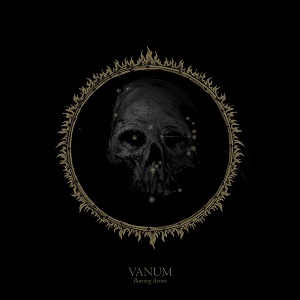
I do not think black metal duo Vanum is one of those bands, but they apparently feel differently. Their debut record “Realm of Sacrifice” was one of our top 10 favorite albums of 2015, and its penetrating chaos is just as impactful now. Yet, the guys—K. Morgan (Ash Borer, Predatory Light) and M. Rekevics (Fell Voices, Vorde, Vilkacis)—seemed to think they could use a trim down, making their music into, in their words, “the sharpened point of Vanum.” We get that flesh-tearing motherfucker right in the gut over and over again on their killer new EP “Burning Arrow.” These are three tracks of slimmed down Vanum, though the songs still are fairly lengthy, with the shortest clocking in at 6:46. Aside from just making their assault more direct, they also play more with sounds, adding variety and texture to their atmospheric brand of black metal. The result is a volcanic, always interesting trio of cuts that hopefully set the pace for Vanum moving forward.

“Watched in the Eastern Sky” is the 8:58 opener, a pretty different style of track from what we found on Vanum’s debut. Noise rises and begins to spread its shadow before classic metal-style guitar tears open, giving the song a bit of a retro feel. Howled growls push the violence, while the track leans into atmospherics before getting smoking and deadly. The intensity continues to build, while melodies spill, and strong, murky weirdness flex their collective muscles. From there, another strange cloud of noise returns and swallows the track.

“Immortal Will” is thunderous as hell, with guitars sprawling and a poisonous fog rising. Strong melodies lap and maul the senses, as the assault pushes forward with wild howls of, “Born of fire, willed into being! Draw strength from chaos and rule as a god!” Feral shouts and charging guitars provide a massive dose of trudging black metal that has nothing but ill intent. Closer “Spring of Life” is the longest song at 9:06, with a shovel scraping and the track bursting to full punishment. The playing blisters and devastates, as growls and raw shrieks smother, and sharp guitar strikes tear open the skin. Hoarse cries and feral chaos meet, as the riffs spiral and build before going into a weird, mystical bend. The sound gets chillier from there before the nightmare bleeds out and fades into the void.

“Burning Arrow” is aptly named, as the music on here feels like a sharp projectile right to the heart, melting away your flesh. Vanum’s short run has been damn impressive already, and with this EP, it seems like they’re telling us they’ve only scratched the surface of their madness. This is a really great bridge to whatever mind-crushing thing they dream up next.

For more on the band, go here: https://www.facebook.com/realmofsacrifice

To buy the album, go here: https://vanum.bandcamp.com/

Or here: http://psychicviolence.bigcartel.com/

Vaiya’s stunning debut record ‘Remnant Light’ gets fresh life with Bindrune/Nordvis reissue

Not every creation gets its just due when it’s fresh and ready for public consumption. H.P. Lovecraft essentially died destitute because his incredible, charnel stories largely went unnoticed until after he passed away. Now, the man’s writing can be credited for inspiring tons of metal bands.

Luckily for Rob Allen, he just had to wait a few years until his work was scooped up in a wider net. Under his Vaiya banner, he released “Remnant Light” in 2014, a three-track whirlwind of an adventure into atmospheric black metal that can rob you of your breath. Now, the mighty hands at Bindrune Recordings and Nordvis Produktion are giving this amazing document new light by jointly re-releasing it back into the world. The album is comprised of three tracks that each last exactly 13 minutes, and despite so much music in this vein being negative and grinding, Allen chooses to go toward the light and away from the negativity that can beat us into a paste. It’s a nice change of pace for this sub-genre, and another positive entry from the two labels breathing new oxygen into this music.

“Confrontation” starts the record with slowly unfurling music before it erupts into raw energy. Majestic and mournful melodies cascade, while wrenching vocals twist and contort the piece. The music manages to glimmer at times, even when things are at their murkiest, and passionate yells belt over the piece, shaking you to your core. Toward the end, the pace settles, as Allen gets into vulnerability, calling out, “Oh, great spirit, give me the strength!” before the track blasts open again and punishes all the way to its abrupt finish.

“Banishment” has a tempered start before it rips open and stares into the eye of the storm. Swelling melodies and harsh cries meet, dashing the piece with light and dark, while a strong dose of playing gets the blood surging. Total power and emotion mix, forming an unstoppable force, and then serenity arrives, complete with Allen’s gruff singing. The music leans gazey and clean, trickling and draining out into a pocket of numbing noise. Closer “Transformation” bursts with black metal glory, feeling unkempt and animalistic, while the penetrating light pushes through and causes everything to glow. While you shield your eyes, you’ll be overwhelmed with harsh wails and chaos before tranquility emerges, swallowing all the madness and bringing your head above the surface to breathe again.

“Remnant Light” might not be foreign to all listeners, but for those who have yet to be exposed to this first Vaiya full-length, this is bound to be a profound experience. This music is enthralling and uplifting, filling your lungs and pushing you toward greater understanding of yourself. Vaiya’s music may have been bubbling under the surface for a while, but it’s only gained power in a time when more of us could use a bright source of light every now and again.

For more on the band, go here: https://vaiya.bandcamp.com/

To buy the album, go here: https://shop.bindrunerecordings.com/

Or here: https://www.nordvis.com/new_products

For more on the label, go here: http://bindrunerecordings.com/

And here: https://www.nordvis.com/

PICK OF THE WEEK: Coldfells gaze at winter’s expanse and beauty on frosty, doomy debut record

Leaves started budding on the trees here in February. In Pittsburgh. February. Nothing to see here, right guys? Anyway, it feels a lot like we were robbed of a winter around here. I have a bag of rock salt that’s been in my trunk since Thanksgiving, and there it lies. Unused. So, a season of retreat and getting a chance to burrow both mentally and physically never really happened because winter never arrived.

Luckily, the fellows who comprise new band Coldfells did not have that same experience. Or at least not to the same extreme. These Appalachian-dwelling musicians still have winter in their hearts, and their amazing first record, a self-titled affair, is a portrait of their introspection. Over five vast, spacious tracks that meld doom and black metal expertly, this band—vocalist/guitarist Aaron Carey (Nechochwen, End, Infirmary), bass/drummer/backing vocalist Andrew D’Cagna (Nechochwen, Obsequiae, Unwilling Flesh), guitarist Jonny Doyle (Plaguewielder, Horse Drawn)—cast their gaze on their wintry surroundings, appreciating the vast loneliness that many people see but also paying homage to the beauty of those surroundings that only are available maybe a quarter of the year. The music itself is a triumph, often grisly and dangerous, but always with heart-soaring melodies and powerful singing mixing with it, giving it both dark and light textures. It’s very much like the winter in that vein, and the music here is unforgettable.

“The Rope” is the stunning 10:26-long opener, which starts with pastoral keys before tearing open in atmosphere. Guitars reach out while the melodies gush, and the growls add another level of power to the thing. “Beneath the cruelest sun or under blackened sky,” is called, while the track trudges from there, moving into more reflective pools later. The final moments are stitched together by powerful lead guitars, rattling speed, and a final rush of sound. “The Sea Inside” trickles open before tearing apart. The band invests in pure savagery before pulling back and slowing down into monstrous doom. Clean singing bellows and spirits are high before calm interjects itself and spreads over a lengthy piece of terrain. Before it’s all over, the fire re-ignites, and the track comes to a chugging finish.

“All Night We Flew” unfurls slowly before the verses start thrashing, and grim growls mix with strong singing. The pace surges, as the vocals stand out as a highlight of the track, and guitars take off into a Southern bend, driven by slide playing. Everything from there is volcanic. “In Time Shall Be Forgotten” is downright vicious at the front end, with black metal-style playing cracking skulls. Then things grind into a slower death metal pace, with animalistic growls over the verses, and the band driving their picks into the earth. Reflective lines are sung about humankind’s tiny impact and presence when compared to the rest of the vast universe, and the track fades out in sunburnt guitars. Closer “Eons Pass” is goddamn epic from the start, as the singing punches your chest, and then ominous growls slide in as the track gets grittier. Organs spill, giving the track a spacey essence, while melodies bustle before things head off into the water. Quiet solemnity rears its head, settling your bones, before the track takes an evil turn, with destructive, threatening playing smearing madness before fading into the deepest woods.

We may not have the chance to bask in the majesty of winter any longer here on much of the East Coast, but the themes and journey woven into Coldfells debut record don’t necessarily have to be applied during that season. Any sojourn out into nature can be a perfect setting for absorbing this music, as it has so much to offer. This is one of the best debut records of the year so far, and it’s not going out on a limb to suggest this record will weigh heavily when we’re summarizing the best music of 2017.

For more on the band, go here: https://www.facebook.com/coldfellsdoom

To buy the album, go here: https://shop.bindrunerecordings.com/

Or here: http://shop.eihwazrecordings.com/

For more on the label, go here: http://bindrunerecordings.com/

And here: http://eihwazrecordings.com/

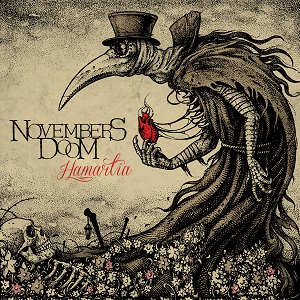
Novembers Doom continue dark journey through solemnity on excellent 10th album ‘Hamartia’

Is there such thing as a legendary figure that operates under the radar? It seems like those who are considered such an important figure would have a very obvious career trajectory and a clean line of disciples walking behind that person singing his or her praises. But is that always the case?

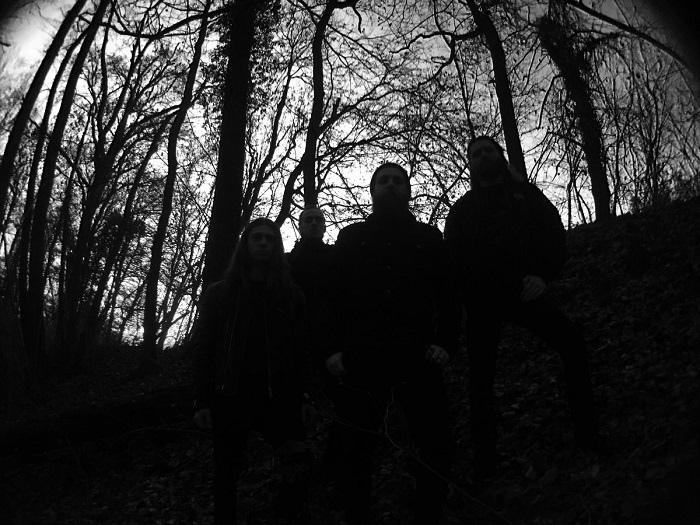
While many doom fans certainly know who he is, I would posit that Paul Kuhr could be exactly the type of person noted above. Certainly, he’s made a name for himself fronting Chicago-based doom band Novembers Doom for nearly three decades now, but you don’t always hear his name tossed around with other genre builders who also made music during that time. He and Novembers Doom definitely deserve to be mentioned alongside groups such as Paradise Lost, My Dying Bride (Andrew Craighan guests on their new record, quite fittingly) and Katatonia, and they further solidify their impressive resume on the band’s killer 10th record “Hamartia.” As usual, Kuhr is out front and center, twisting and turning his voice to suit the music as it morphs from unforgivingly heavy to gothy to emotionally dramatic. For the first time in band history, Novembers Doom have kept a lineup in tact from the previous album (2014’s “Bled White”) as guitarists Larry Roberts and Vito Morchese (Divinity Compromised), bassist Mike Feldman, and drummer Garry Naples (Without Waves) combine with Kuhr to create a cohesive, powerful unit ready to push the band toward its landmark 30th year.

“Devil’s Light” begins the record with epic guitar work and melodies that boil and crush. Murky synth makes its way into the mix to add darkened texture, while the howl of, “My soul is pain!” after a riveting solo, gets the album off on the right foot. “Plague Bird” starts clean and ominous before leaping headlong into distortion and power. “This air is poisoned with the past,” Kuhr calls, letting you feel his blackness, while later he returns with growls as the song enters its gothy, murky finish. “Ghost” also begins serenely before the doors are ripped off, and the chaos pushes in. Kuhr’s vocals are more conversational here, as he unfurls his tale and warns, “Run while you can.” The track eventually finds its way to solemnity, as Kuhr notes, “I’m haunted by the ghost of yesterday,” letting you feel his anguish and frustration. “Ever After” emerges from aggressive drumming and a trudging pace, keeping things thrashy and punchy, even as Kuhr goes for croon, though he leans toward grit later. Great soloing bursts through and pushes the fires to an uncontrollable level, bringing this killer cut to a smoldering finish. The title track simmers in quivering noise at the outset, then sad keys and acoustics wash in, with Kuhr coldly singing through the mist. The band does a great job creating a somber environment that keeps hold until it fades away.

“Apostasy” is the angriest song on the record, as guitars tear things apart, and Kuhr’s growls grind meat in its gears. “Your god is dead!” he howls, as powerful, punishing soloing erupts and brings the song to a vicious end. “Miasma” is gothy and shadow-filled, with Rhiannon Kuhr trading lines with Paul and making her presence greatly felt. The song is sad and cloudy, but still heavy, with calls of, “There’s no life without you,” making a huge dent in your chest. “Zephyr” is awash in acoustics at the beginning, though it gets punchier and heavier as it goes on. Kuhr’s growls land hard, though clean singing dresses the choruses, and more stellar guitar pushes this song aggressively over the finish line. “Waves in the Red Cloth” actually has some Western musical influences in it, with slide guitars drizzling over the song. But there also are crushing, devastating moments, as lurching singing turns to guttural growling, and the track takes on a sinister tone. Closer “Borderline” is a 9:03 ballad that gushes with pain and emotion. “I wave goodbye with bloody hands,” Kuhr moans, as the band delves into a classic doom dirge that’s melodic, heart-tearing, and full of longing. As expected, the tempo gets crunchier, with fierce vocals situated underneath Kuhr’s clean singing, and soloing that burns away. It’s a really fantastic song and a great way to end their 10th album.

Kuhr and Novembers Doom have been a part of doom’s spine not only here in America but around the world. “Hamartia” is another fine example of their strength, a strong, varied record that finds the band as formidable and vibrant as ever, with no end in sight. It’s great having a band such as this who may have carved their legacy a little further underground reminding us all their importance and power.

For more on the band, go here: https://www.facebook.com/NovembersDoom1989/

To buy the album, go here: http://www.pledgemusic.com/projects/novembersdoom/exclusives

For more on the label, go here: http://theendrecords.com/

Italian funeral doom maulers Fuoco Fatuo swim toward fury with mind-altering ‘Backwater’

Falling through an endless chasm, through space or some sort of mysterious void, not knowing if you’ll land. Or where you’ll land. Everything feels weighted down on your chest as you catapult through time and eras, unable to stop, unwilling to grab on for safety, and living in a reality that’s utterly terrifying because your destination is shrouded in mystery.

That’s kind of what it feels like tackling “Backwater,” the gargantuan new record from Italian funeral doom band Fuoco Fatuo. It’s a misery-inducing, disorienting experience, a collection of four really, really long dirges that feel like they grind you in place, but alas, you’re on a journey the entire time, falling and falling. It’s not that this band—guitarist/vocalist Milo Angeloni, guitarist Giovanni Piazza, bassist Andrea Collaro, drummer Davide Bacchetta—simply squeezes the hell out of you. No doubt they do that, but they also flow somber melodies and shadowy playing into their epics, keeping you on the edge of your seat and not sunken into the cushion. On this monstrous album, the follow-up to 2014 debut “The Viper Slithers in the Ashes of What Remains,” the band devastates you slowly and fluidly, taking you on a journey that could be deep space or far under the sea. Either way, you’ll freeze to death or suffocate.

“Sulphureous Haze” is your 15:53-long opener, a track that sits in foggy doom that spreads itself ominously before the lurching and growling gets more intense. The track erodes into a slow soot, with a torturous pace spreading out and the music feeling cavernous. Sorrowful melodies billow as leads bleed massively, the pace suffocates, and the noise hovers over the scene before bowing out in chaos. “Rainfalls of Debris” is even longer at 16:06, instantly launching a funereal pace that sifts into a dark mist. The growls wrench while the pace pounds, as the band continues to unload its fury, and massive heaviness pushes down with great might. As the song progresses, it slows down and becomes more mystical, rumbling and pulsating to the end.

“Perpetual Apochaos” is the shortest cut at 13:20, unleashing grinding growls and hanging noise in the atmosphere. The guitars chug and chew as the tempo gushes sorrow, while the song gets heavier and more aggressive. Guttural crunching and a totally devastating path crumbles into the void, disappearing into the cosmos. Closer “Nemesis” is the longest track at 16:55, as synth weirdness drifts over the madness and riffs bubble slowly. The vocals smear deliberately, as the sadness gets thicker and more oppressive, with sonic terror meted out. The melodies spin into loops, mesmerizing and hypnotizing, as the music burrows deep into the ground, and everything comes to a mind-altering end.

Fuoco Fatuo’s slithery, inky funeral doom should make you feel like you’re lost in the cosmos, in a never-ending free fall through weightlessness. “Backwater” is both brutal and mind-numbing, a record that should help you get lost inside its chamber of horrors. The detachment you’ll experience for an hour might induce panic in the claustrophobic or help those seeking a journey into the unknown expand their sense of morbid adventure.

For more on the band, go here: https://www.facebook.com/FUOCO666FATUO/

To buy the album, go here: https://profoundlorerecords.merchtable.com/

For more on the label, go here: http://www.profoundlorerecords.com/

Seattle’s Isenordal smear doom clouds with black metal chaos on gloomy ‘Shores of Mourning’

Having a fit of depression or a dark pall hanging over you after a devastating situation can make it feel like life has come to a stop. You can’t fight it or avoid it or even get relief unless you’re sleeping (and even that’s not a given), and it feels like forever before you’re out of the clutches and able to feel the highs and lows of everyday life again.

“Shores of Mourning,” the debut record from Seattle’s Isenordal, is an examination and journey through a time of loss when avoiding the suffocating shadows and begging for life to have rays of brightness again consume all hours. The grief that hangs over one’s head makes it feel like being trapped in a mental cell, a sort of personal prison, and the only way to make it out is to survive and adapt. This six-track, 48-minute record is a stunning display combining black metal, doom, Neofolk-style orchestral arrangements, and plenty more into a package that drips with blood and rages with emotion, carrying you through the entire trip from cataclysmic pain into the dawn of mental salvation. The band—guitarist/vocalist Kerry Hall, violist/vocalist Marisa Janke, guitarist Sam Smallidge, bassist Jeff King, pianist/organist Lieu Wolfe, drummer Brian Spenser—sounds like a storm ripping through, pushing and pulling, leaving you devastated in its wake.

The title track starts the record, an 11:15-long piece that’s the longest song on the record. Waves lap as piano drops and strings thicken. As the song opens, abrasive shrieks and guttural growls combine, with Janke’s singing pushing more texture into the mix. The music is moody and effective, with goth-rich funeral bells chiming, engorged death bringing carnage, and the pace really picking up. Speed kills as the band races toward the exit, with cool acoustic flourishes picking up later and bringing the song to its end. “Of Winged Fire and Crawling Shadow” is rustic at first before the earth cracks and lava flows. Vicious riffs and mangling vocals arrive before calm rises, and clean calling adds a sense of beauty. Later, the tempo erupts again, with the band finding a thrashing groove, with gruff lurching and riveting strings bringing the song to a conclusion. “Pyres at Nightfall” arrives in a mist of clean guitars and strings before a slow-driving pace drops hammers. Nasty vocals tear at the skin, as the music mauls, the vocals are delivered wildly, and sweeping strings deliver freezing winds that punish your muscles.

“To Tear the Veil of Dreams” has a cold, trickling start, moving at a deliberate pace and feeling like a funeral dirge. Strings flood as the band begins trudging, with gravelly growling and slashing guitars making their way through the madness. The track swirls and pounds, landing final blows that are bloodthirsty. “A Gallows’ Prayer” starts with piano, shadowy guitars, and a goth feel returning. As the track progresses, it comes to life, stampeding hard and letting the guitars chew up the scene. Thrashy playing and razor-sharp leads draw blood, while surging melodies wrap up with chaotic power, as guitars and strings chisel away at the finish. Closer “Cleansing Rites” has guitars streaking and choral beauty swirling, with shrieks delivered over the fairly minimalist setting that dresses to first few minutes. From there, fogs emerge and shield the visions, as the song gets heavier and heavier, with the world being torn apart, growls echoing, and everything washing away in a flood of raw acoustics.

Isenordal have a pretty strong debut record on their hands with “Shores of Mourning,” and it’s going to be interesting to hear where this band goes in the next few years as they develop as a live band and as songwriters. These six songs are compelling and intriguing, bringing you through the ebbs and flows of this journey through darkness. This is a powerful first statement that could be the first building block for a really special band.

For more on the band, go here: https://www.facebook.com/isenordal.metal

To buy the album, go here: https://isenordal.bandcamp.com/

Or here: http://eternalwarfare.storenvy.com/

For more on the label, go here: https://www.eternalwarfare.org/

PICK OF THE WEEK: Pallbearer hit prog-fueled doom stride, create magic with excellent ‘Heartless’

Photo by Diana Leezadlo

Huge, calendar-marking metal releases are kind of things of the past, as the mainstream doesn’t understand fuck all about what’s going on here. Add to that, the number of huge bands that actually matter to people has been scaled back to mostly the really bad ones. And then there’s Pallbearer.

The Little Rock-based doom band has grown in profile little by little ever since the release of their genre-redefining debut “Sorrow and Extinction” in 2012, a record that reminded the world that, holy shit, this stuff could be sung instead of growled. Not only that, but the music was captivating and powerful, leaving you on the edge of your seat the entire listen. “Foundations of Burden” followed two years later and now, with Pallbearer arguably the most-talked-about band in underground metal comes their massive third album “Heartless.” Simply put, this is their finest hour (it’s literally one second short of one!), the place where all the solid building blocks they’ve laid down come together to create a gargantuan fortress no one can topple.

The band—vocalist/guitarist Brett Campbell, guitarist/vocalist Devin Holt, bassist/vocalist Joseph Rowland, and drummer Mark Lierly—has grown in leaps and bounds, becoming strong players and songwriters. On this record, they even go beyond doom’s walls, layering in a dose of progressive rock and metal that melds perfectly with their melodic grit. This is one of the year’s most anticipated records by a ton of people (us included), and this thing over-delivers. It’s a tremendous piece of music that pushes this band’s trajectory upward and cements them once and for all as modern metal royalty.

The record kicks off sort of uncharacteristically with two shorter songs. Well, shorter for Pallbearer. “I Saw the End” is the 6:10 opener, and the guitars sort of fold into the thing out of nowhere. Strong riffs kick things into gear, as Campbell’s soaring vocals, which are just outstanding on this record, begin to push into focus. “Blacken the sky, can’t stand to see the sun,” he calls over the chorus, as the band travels peaks and valleys, tempo shifts, and burning playing that scorches over the end. “Thorns” is a burly 5:24, kicking off with a grittier feel that builds to a great chorus that swells in your chest. The bulk of this is so catchy, just bursting in your blood, while more stellar guitar work glimmers, and later the track trickles into quiet. Of course, there’s a burst from the other end, which delves into powerful singing and the harmonies among members adding dark beauty to the piece. “Lie of Survival” starts clean, with sorrowful leads pushing through and poking at your inner sadness, and the band staying on a mid-tempo path. The singing is strong and compelling, later going into reflective waters, where you’re allowed to chill for a bit, then heading into an immersive synth cloud before fading away. “Dancing in Madness” is the second-longest song at 11:48, spilling in with drums rumbling and the guitars entering a hazy, Pink Floyd-esque unfurling that’s stunning. The singing is spacey and echoey, playing tricks with your mind at times, and the music manages to be both elegant and psychedelic. The track toughens up toward the end, as the words are delivered forcefully, with calls of, “Unforgiveness thrives, we cannot survive!” rolling with force. The song wraps with an acoustic flourish before melodies bleed out.

“Cruel Road” is both punchy and spacious, and you certainly can feel that big prog influence pumping through the music. There’s a cool vocal tradeoff among members, with the line, “My sunken hopes are buried deep,” conveying the hurt. Later on, guitars shift to a different pace, as things get hypnotic and trudging, hitting hard and often, with more muscular vocals causing some unexpected bruising. The title cut is an 8:10 piece that starts with acoustic picking before it opens wide. The pace is pushy and churning, chewing away at muscle before going cold. From there, voices flutter in the air, getting crunchier and more aggressive as it builds. “There, it’s done, I’ve ended its dominion, blood red tyrant now overthrown,” Campbell calls, adding some of the record’s bloodier visuals. The power stays strong and forceful from there, finally sizzling out. Closer “A Plea for Understanding” is a show-stopper, a Black Sabbath-style ballad where the band isn’t afraid to show pain and vulnerability. The song takes some time to sink in its teeth, but once it does, the emotional caterwaul takes over. This is some of Campbell’s finest singing, especially over the chorus when he wails, “I just want to give to you, all that you have given to me.” It’s way more impactful than just reading it in writing. Once the soloing kicks in, it pulls in the same vocal melody from the chorus, adding a heart-splitting dynamic, and from there, the cut keeps wrenching at the veins, looking for drops of blood, with Campbell leveling, “Try to lose myself, but nothing ever changes, try to love myself, but nothing ever changes.” This song is an incredible statement, one most metal bands shy away from these days, and it’s a gigantic curtain drop on a great record.

There are bound to be some detractors—that’s the fucking internet for you—as Pallbearer further refine their sound, but if so, they’re missing the point. These guys are a scary-good machine, and “Heartless” is proof that the heavy metal album again can be a destination event, one that brings listeners the world over together to marvel over the majesty. This is the album that should push Pallbearer to newer and greater heights, and if that doesn’t happen, then maybe there’s no hope for us after all.

For more on the band, go here: http://pallbearerdoom.com/

To buy the album, go here: https://profoundlorerecords.merchtable.com

For more on the label, go here: https://www.profoundlorerecords.com/