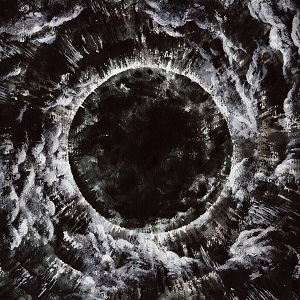
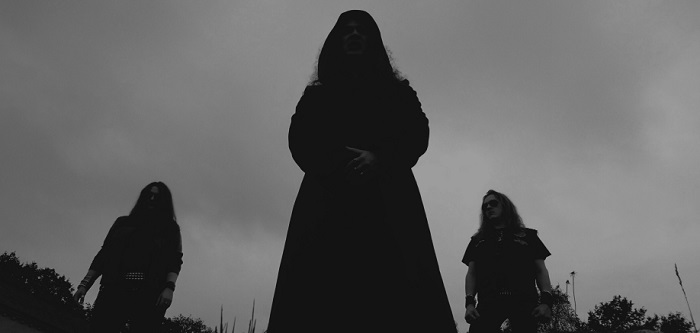
The Ominous Circle scar, warp death metal, bring fear back to genre on ‘Appalling Ascension’

Photo by João Fitas

Photo by João Fitas

I know it’s all clever for people to go around saying, “Let’s make Something Something Again,” based on U.S. embarrassment Donald Trump’s ever-so-creative campaign slogan. But what the hell. We’re feeling pretty lazy, so we’ve been hoping that a band would come along and make Death Metal Fearsome Again, and damn it if a strong candidate hasn’t reared its ugly head.

Mystery-shrouded Portuguese death metal band The Ominous Circle sound more than happy to take the sharp-ended baton and drive it mercilessly into the chest of every band trying to create a name for themselves in the death metal field. There is no desire here to sound pristine—none whatsoever—as they offer a complete bludgeoning on their massive debut record “Appalling Ascension.” Co-released by 20 Buck Spin and Osmose Productions, whose names guarantee quality, this shadowy sect pours acid and fire into their mix and comes out with death so ferocious, it will make pretenders and those weak at heart run and hide. Over these tumultuous eight tracks, the band grinds and punishes the listener, serving up sooty, basement-level carnage with gurgling vocals and a rhythm section that powders bones. Every step of this record is taking your life into your hands as you stare down danger and pray to anything you’ll survive to see the other side.

ominous-circle-coverThe record begins on an odd, troubling note with “Heart Gird With a Serpent,” a strange sprawl of a piece that has music beaten beyond recognition and growls working their way through the formless chaos. “From Endless Chasms” follows, with twisted guitar lines wrapping around you like a tourniquet and molten death splashing and maiming. The ferocity is pile-driving at times, with lead guitar work flashing and wailing and crazed runs coming right at you. Grisly growls and panicked shrieks intertwine, while the guitars sting on their way out. “Poison Fumes” sounds like just that, as it trudges forward and makes it feel like foreign agents are invading your blood. Gang howls arrive at one point, sounding formidable and scary, while a crushing, hypnotic pace pummels. Soloing goes off at the end, with the music cutting back and making it feel like you’re in a vortex. “Atec-Gibor Le-Olam Adonai” (a Kabbalistic acronym that stands for “You, O Lord, Are Mighty Forever,” is a humid, weird instrumental cut built on noise clouds hanging in the air and dark sounds haunting.

“A Gray Outcast” picks up the throttling all over again, but in a much different manner. Here, the band slides into Sabbath-style doom crawl, remaining as heavy as ever but delivering the pain in a more calculated manner. As things go on, guitars shriek and then the cut leaps into hyper drive, as the band delivers total annihilation. After that manic stretch, they’re back to miserable pounding and guitars jolting you with heat beams. “to En” greets you with drums lacerating your flesh and the tempo sickening you inside and out. The leads pull ahead and light up the room, at least momentarily, and the playing easily could stymie you and have you gripping the walls for balance. Guitars tear open and bring the cut to an abrupt end. “As the Worm Descends” fades in and brings with it a cloud of horror. The guitars grind away as if trying to juice you for blood, while a deliberate and thrashy assault breaks out and deals the blows, adding insult to your crusting wounds. All the elements later smash together and cause confusion, while the soloing blinds and has a blurry finish. Mammoth closer “Consecrating His Mark” is an absolute beast over its run time, making no bones about how it extends its assault and makes you gasp for breath. Guitars spit fire while the tempo mangles, and there are bends into slower playing and neck-jerk turns back to speed. As the song reaches its end, the guitars boil and wilt your skin, hulking growling instills fear, and the track comes to a fiery end that could engulf an entire forest.

It sounds odd to say The Ominous Circle breathe new life into death metal, as all they carry with them is pestilence on “Appalling Ascension.” This unit will carve you up, remove your bones, and drive over them with a cement truck. On top of all the heaviness is that eerie premonition that safety is nowhere to be found and that the most ghoulish of spirits are here to pick up your maimed carcass and ensure you are properly terrified well into oblivion.

For more on the band, go here: https://www.facebook.com/theominouscircle/

To buy the album, go here: https://www.20buckspin.com/collections/20bs-vinyl

Or here: http://www.osmoseproductions.com/index.cfm

For more on the label, go here: https://www.20buckspin.com/

And here: http://www.osmoseproductions.com/

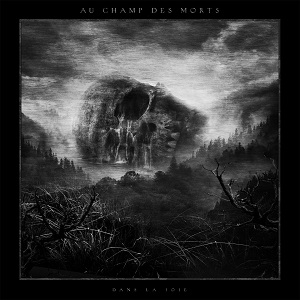
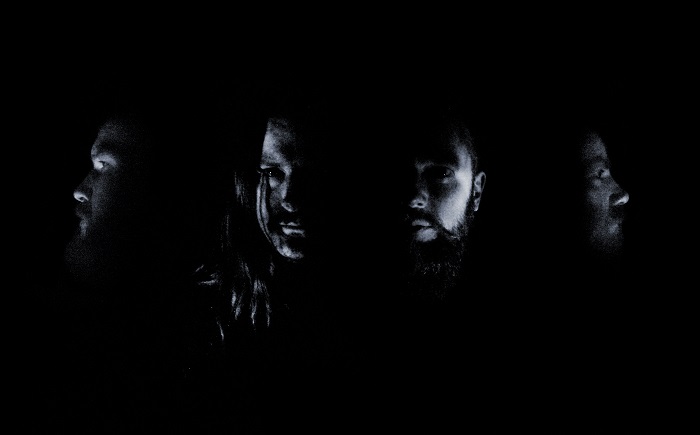
Au Champ des Morts put dark shroud over black metal with emotional debut ‘Dans la Joie’

acdmDarkness and dreariness reign this time of year, as the sunlight is choked out early, and the skies remain grey for what seems like eons. Many people suffer from seasonal mood disorder, making them feel down or sad because of the lack of sunlight and being trapped inside for such a long time without fresh air and sunlight. I’m not saying those things influenced today’s band and music, but they certainly go hand-in-hand quite well.

Au Champ des Morts (translated means Field of the Dead) formed just a few years ago, but already they have a thick slab of black metal filled with anguish and depression. Their debut record “Dans la Joie,” which translated means “In Joy,” sounds like a record that’s anything but that. Clouds and black rivers flow out of the band’s music, and while the atmosphere is rich and the melodies often flow heavily, there’s so much here that pulls back to the doldrums, left to face these drab days alone. But maybe that’s not such a bad thing, having a morose companion such as this band—vocalist/guitarist Stephane Bayle, bassist Cecile G., drummer Wilheim—can be something of a helping hand, a means to show you that not only is your world drowning in shadows, so are many others’ as well. The band’s music certainly is swelling and heavy, enough to blow down buildings. But there also is a hint of sensitivity (that is not to be read as weakness, as vulnerability is an act of self-strength) in the Alcest/Deafheaven that makes these songs slightly colorful.

au-champ-cover“Nos Decombres” starts the record with an emotional burst and creaky growls, as the music streams and soars as it goes on, making it feel like the band literally is bleeding into this. Some clean singing enters and quivers before the track opens anew, spilling in spacey keys and drubbing power. “Apres Le Carnage” opens like water trickling through a hole in a wall before the whole things gives way, with clean calls and grisly growls hammering. Pain can be felt around every corner, and when melody strikes and brings in lushness, it’s always balanced by bruising and cinders being embedded into your elbows. Toward the end of the song, a huge tidal wave of feels crush you, as a swirl of voices sweeps over you and robs you of breath. “Le Sang, La Mort, La Chute” has a watery ambiance to start, as it travels along a mid-tempo, with clean singing leading the way. Gazey fire erupts while growls emerge, as the torturous pace grinds you into the ground, and a heavy curtain of doom drops over everything, bringing a smothering force. In fact, the final minutes remain in the dark, coming to a moody, shadowy end.

“Contempler L’Abime” follows a post-rock path, which is odd but fitting, and then it tears into a pocket of a gaze storm that hangs overhead and saturates the ground. The vocals are heart-wrenching, with a strong, riveting finish that shows a different side of the band’s sound. The title track is the longest cut at 9:59, beginning in a cloud of murk before tearing the sky apart and unleashing a storm. The song is mostly a total assault on the senses, keeping your brain rattling inside your head and, even when it slips into the mists and lets synth rise up, always promises to ignite again, which is does as it steamrolls toward the finish. “L’Etoile Du Matin” has the drums leading in and keys gathering, with the singing giving off a classic Celtic Frost vibe. Unhinged yells join later, as a gothy smear spreads soot and sadness. Closer “La Fin Du Monde” is a curve ball of a final cut, with clean guitars bubbling and drizzling singing darkening the setting. Chant-filled singing brings a hypnotic push, and that circles around your head before it disappears into the unknown.

Au Champs des Morts’ entrance into our world three years ago added another force into the black metal scene that, while their teeth are sharp, are not just here for physical violence sake. “Dans la Joie” deals as much mental anguish as anything, helping you connect to these dark times and perhaps find a way to survive the whirlpool. The fact they do so in such an interesting, emotional way leads to their impact being felt long after you experience their music.

For more on the band, go here: https://www.facebook.com/Au-Champ-Des-Morts-1061663760580553

To buy the album, go here: http://www.debemur-morti.com/en/12-eshop

For more on the label, go here: http://www.debemur-morti.com/en/

Viking metal horde Helheim keep blades sharp, drama bleeding on fiery ninth album ‘landawarijaR’

helheimWhere would heavy metal be without Vikings? You can sift all the way back to Led Zeppelin to find their influence on heavy music, and now metal that pays homage to Viking battles and lore make up a separate sub-genre. It’s especially fitting here in the Northeastern section of the United States, while we’re at the clutches of snow and ice, to be in the midst of more great Viking black metal.

Nordic beasts Helheim have been punching out tried-and-true Viking black metal for a quarter of a century now, and they’re back with their explosive ninth album “landawarijaR” that not only does their subject matter well but also the band’s noteworthy legacy. Of course, Helheim may not be as well-known as, say, Unleashed or Enslaved, but they’ve carried on and endured just as long, and they’re still making vital, punishing music. On their latest opus, a seven-track affair, they keep melodies surging, blood flowing, and the clashing of weaponry fresh, pouring emotion and fury into each one of these songs, making each a chapter that feels like a soundtrack into wintry battle.

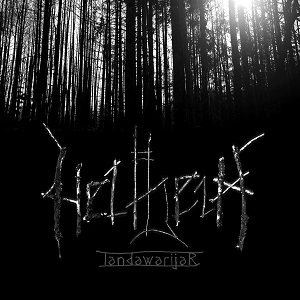
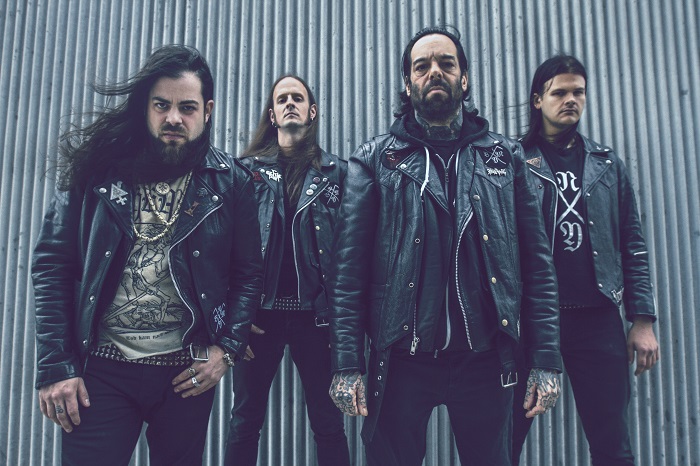
helheim-coverAs noted, Helheim have been at this for the past 25 years, getting their start in 1992 and releasing their debut record “Jormundgand” three years later. They stayed on a pretty regular release schedule, coming back with something new every few years or so, with their most recent being 2015’s “raunijaR.” Well, most recent until “landawarijaR” landed, another effort to maintain Norse mythology and ensure that it continues to survive and thrive as time goes on. The band—guitarist/vocalist H’grimnir, bassist/vocalist V’gandr, lead guitarist Reichborn (the only non-original member), and drummer Hrymr—once again delivers the goods, enhancing their music with timpani and horns, and even inviting some special guests along for the ride to contribute additional vocals to the songs. It all makes for a raucous, spirited record that’s a lot of fun to play back over and over.

“Ymr” opens with a door creaking and bootsteps, as if setting up what’s about to transpire. It doesn’t take long for things to get grim and heavy, as out of an acoustic stream comes rumbling growls, guitars that kick up mud, and snowy melodies. Growls and singing tangle, as they often do on this record, and then it’s into “Baklengs mot intet,” where a chilling start lets your guard before the tempo erupts. The track storms heavily, blanketing everything, as horns blow and the music conjures great drama. There’s a nice stretch of soloing that practically drips with classic metal glory, and then it’s into a deep blast of winter and a crushing surge to end the song. “Rista blodørn” begins heavily, but then the reins are pulled back just a bit. There’s a nautical sense to all of this, as the growls are harsh and slice through choppy waters, and fiery leads emerge out of that. Clean singing returns, creating a mystical element, while the final stretch blows up and has a gloriously tormenting edge. The title track is the longest piece at 9:44, and it changes things up, going in more of a proggy, Rush-style angle. There is an epic feel to this that has nothing to do with the run time, as guitars soar and keep building layers, melodies grow and bend around corners, and clean calling again brings a haunting edge, as the track comes to a giant climax of a finish that should have your heart racing.

“Ouroboros” has a tempo that pushes hard from the start, with grimy growls on the verses and cloudy singing on the choruses. Doom horns wail again, almost as if the city gates are about to come down, and then the band swings back to prog, which allows new colors to emerge. All elements darken and cascade, with a spacey final few moments giving off steam. “Synir af heidindomr” starts with ominous acoustics, yelled vocals, and the pace crawling darkly. The playing keeps ramping up in intensity, as attitude-smeared vocals spill out, and then music unexpectedly goes psychedelic and then into NWOBHM-style thunder. Shrieks arrive from there, as thorns are dragged over the song before it fades away. Closer “Enda-dagr” has a hypnotic start before the guitars get steely and rough, and the growls again interact with sung lines. The song has an even-tempered sprawl, though there are threats for madness to return, and when the melodies thicken, horn blow again and send chills. As the track swims toward its finish, it gets surfy and windy, bringing a very different vibe to the cut, and after the music dissolves into a pool of weirdness, the bootsteps heard at the start of the record pick up again, this time leaving and closing the door behind them.

As long as bands such as Helheim exist, the Viking spirit will remain a huge part of metal’s DNA. “landawarijaR” is another strong, fiery release for these Viking black metal lifers, and as their journey progresses, they keep returning with music that’s formidable and as tough to conquer as the men and women they honor. Helheim may not be fighting actual physical battles, but their music bears the scars of the ages that only serves to toughen this vicious band.

For more on the band, go here: http://helheim.com/

To buy the album (international), go here: https://www.darkessencerecords.no/shop/

Or here (U.S. customers): https://darkessence.aisamerch.com/

For more on the label, go here: https://www.darkessencerecords.no/label/

PICK OF THE WEEK: Black Anvil’s black metal contorts toward weird, atmospheric on ‘As Was’

Photo by Lani Lee

Photo by Lani Lee

As time goes on and bands spend time together both in the studio and on the road, it’s not uncommon that their style will change over time. Oddly enough, a lot of bands end up eschewing heavier sounds for something more palatable, while other just tighten the screws on an already well-constructed machine.

For NYC-based black metal band Black Anvil, they’ve morphed in different and interesting ways. From their first record “Time Insults the Mind” to the present and their tremendous fourth album “As Was,” the band has remained as heavy as ever but also don’t really resemble the form they held when they first started. For this band, that’s a good thing. Each new release has brought with it deadly twists and turns unlike what came before it, and the longer the band goes on, the more colors and morbid textures they add to their chemistry. “As Was” is their most aggressive and varied record yet, as they still punish and bludgeon over these eight tracks and 50 minutes. But they also dash death, doom, post-punk, gothic sounds, and other dreariness that adds extra layers of soot to their punishing sound.

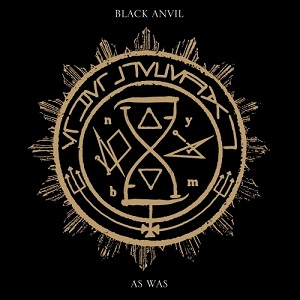
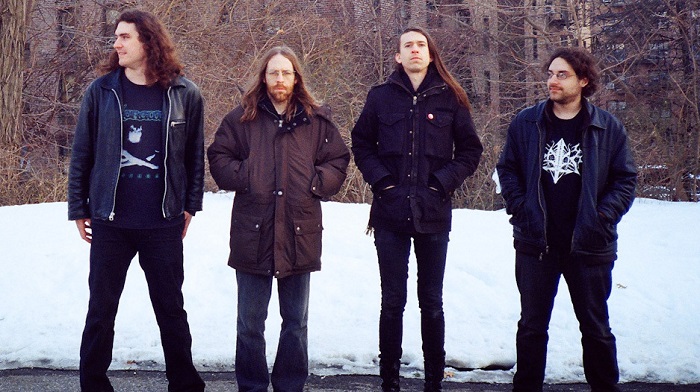
black-anvil-coverAs most already know, three quarters of the members of Black Anvil first made their name with well-regarded hardcore band Kill Your Idols before moving their attention toward newer sounds a decade ago. The band—guitarist/vocalist G.B., bassist/vocalist P.D., drummer/vocalist R.G., guitarist Sos—unloaded their newly directed vitriol on their smothering debut, gaining the attention of Relapse and releasing their second effort “Triumvirate” on that label in 2010. They followed up four years later with “Hail Death,” their grimiest, densest, longest record of their entire run, and some of what bubbled up on that album made its way into “As Was.” The music on this record pushes Black Anvil’s foundation into the next phase, warping their blueprint, smearing it with black oil, and setting it ablaze. It’s also an album that’s more intriguing with each visit, as each layer begins to unfurl.

A strong taste of what Black Anvil’s up to now can be had on 8:13 opener “On Forgotten Ways” as metallic riffs and throaty growls spread their fingers and tighten their grip. From there, though, atmosphere joins the puzzle and a dose of clean singing, a welcome carryover from “Hail Death,” creates a dreary haze. The song eventually moves back to choppy and gritty, but things end in another morose cloud that bursts over its epic conclusion. “May Her Wrath Be Just” is really strong, balancing brutality and melody nicely, and growls and warbled singing again tangle. The music heads into the murk, while the song’s title is sung back mournfully. The title cut has a huge feel to it, beginning cold and drizzling but eventually detonating. There are some compelling progressions here and a huge blast of classic metal, complete with surging lead guitar play. “All this will fade,” is wailed as the song comes to a steely end. “Nothing” has mean riffing and a nastier disposition altogether, as things rumble, the band cuts loose, and the cry of, “Can you hear me?” sounds like a warning. Cosmic synth spills into the cut, making your head swim, and the band again takes a sharp curve into classic metal terrain.

“As an Elder Learned Anew” has a stirring open, with a shriek of, “Let’s ride the sky!” causing fists to pump. Cleaner singing returns on the chorus, and the band achieves a darkly atmospheric ambiance that can chill your skin. The final minutes are catchier than usual, with great leads and a crushing ending. “Two Keys: Here’s the Lock” is a beast at 9:10, and it demands everything from you. Clean, trippy tones start, but it’s not long until heaviness drops like a ton of bricks, and the growls and singing tangle. “Never question this direction!” strikes you like a blood-pact demand, as the pace charges up and heads toward destruction, and then things calm suddenly. Surfy, psychedelic playing allows the stormfront to gather, and once the clouds burst, it’s on to a fierce ending that draws blood. “The Way of All Flesh” is a bit of a breather track, an interlude built with shadowy keys and acoustics, and then it’s into finale “Ultra,” which could leave you seeing demons. The drums kick up and the guitars chug, and as the song goes on, the band even harmonizes, something you don’t expect from every black metal band. Of course, those words are conveying a dark, entrancing message, once that pays homage to the darkness, with refrains of, “He is part of me, he is all of me.” Powerful soloing and chant-like calls spread over the final minutes of the song, leaving you feeling like you might have compromised your soul.

It’s been compelling to listen to Black Anvil grow over the length of their decade-long run and their four records, and “As Was” is another punishing installment in the band’s body of work. The fact that they deliver something a little different each time out keeps their work refreshing and intriguing, and these songs are solid and meaty additions to their already powerful catalog. Black Anvil likely never will disappoint us by dialing back the aggression or polishing their sound, but you can bet with each release, they’ll figure out new and interesting ways to bloody your nose.

For more on the band, go here: https://www.facebook.com/BlackAnvil

To buy the album, go here: http://store.relapse.com/

For more on the label, go here: https://www.facebook.com/RelapseRecords

Remnants of 2016: End-of-year Krallice, Teitanblood releases shed different types of blood

Krallice

Krallice

Just a few ticks after midnight, right after Mariah Carey won the heart of America, it felt like it finally was time to take a deep breath. We made it. 2016, the year of abominations, was over. Personally, the year wasn’t awful, but as the death count marched up (really, Father Mulcahy just under the deadline, you assholes?!) and we got ready for further political nightmares, it just seemed clearing the gates of last year was what everyone needed.

Yet here we are, pulled back to the black year for two noteworthy releases we didn’t get a chance to address in December. Once we’re in top 40 mode, it’s nearly impossible to sneak in anything else, so we didn’t get to talk about two really massive records, one from Krallice and the other from Teitanblood. Both are massive and smothering in their own ways, but they also serve different masters. So here we go, one last sip of 2016 before we expunge it from our systems.

krallice-coverKrallice have become masters of carefully secretive releases, as their last two were ones that suddenly were in our laps. That’s what a strong following, amazing music, and practical label freedom affords in this day, and their sixth full-length “Prelapsarian” landed right at 5:44 a.m. on Dec. 21, the winter solstice. So, dorks like me probably woke up for work, downloaded that bastard from the group’s Bandcamp, and had their minds blows on the way to work by their intricate, jigsaw puzzle-style black metal. It’s definitely right in the wheelhouse for anyone who hungers for the band’s—bassist/vocalist Nicholas McMaster, guitarist/vocalist Mick Barr, guitarist Colin Marston, drummer Lev Weinstein—insane style that veers just slightly out of control but is sci-fi-formula precise. No one is like them.

The album opens with the 12:30 “Transformation Chronicles” that starts in a noise haze and lets spiraling melodies work their way into your mind. Then the guys start grinding flesh, with wild howls launched and the cry of, “Disrespecting the point of life while the arrogance of worry spreads sores of stress and bone,” delivers a sobering message. The guitar work interplays and tangles with one another, forming a strong cord, while the back end of the song exacts more violence and pushes the vitriol into “Hate Power,” the shortest cut at 3:52 but also the bloodiest. The song is one of Krallice’s most aggressive to date, with blistering vocals, a break-neck pace, and utter demolition. “Conflagration” is rubbery and sinewy, with howled cries and gruff growls doing damage, as well as cosmically ripping playing that tears a hole in your brain. The final minutes have a different feel, letting things boil and create a dense fog, ending with trudging and noise squall. The record ends with 10:41 “Lotus Throne,” where noise sizzles, proggy playing does tricks, and deathly growls meet desperate howls. Later, the tempo calms a bit, but that’s more of a segue to the end, where guitars chew bone, insane wails bruise the skin, and the whole thing winds up in a tornadic tear.

Krallice remain the absolute masters of what they do, and no matter how many bands try to copy their DNA, there’s only one original. “Prelapsarian” is another massive building block as the band constructs its obelisk toward the sky, and we all can wait in the darkness of mystery as to when the next chapter arrives. By the way, you can get this digitally in an instant, but Gilead Media also is putting out a version on vinyl that you can preorder now.

For more on the band, go here: https://www.facebook.com/krallice

To buy the album, go here: https://krallice.bandcamp.com/

Or here: https://www.erodingwinds.com/

Teitanblood

Spanish death/black metal duo Teitanblood never let us down when it comes to infernally rotting fury that makes it feel like you’re stuck in an underground tube, tunneling your way toward hell. Over the past nearly 14 years, they’ve made music that makes other death and black metal bands cower, as their music always burns the hairs off your arms and, if you get too close, the flesh off your face. We last heard from them in 2014 with their pummeling full-length “Death,” and now they have a two-track, 26:14 treat in “Accursed Skin” that is being served up on 12” vinyl. The band—guitarist/bassist/vocalist NSK, drummer J—knows no other way to do things than the most extreme way possible, and as time goes on and the band digs in their heels, their music gets bloodier and more unforgiving.

teitanblood-coverWe start off with the 14:28-long title cut, where you feel like you’re in a dank, soaked basement, with water up to your ankles and rising and you having no idea if any other creatures, especially dangerous or poisonous ones, are lurking. Slow-driving grimness takes over, beating you about the head and torso, and it starts to feel like you’re being pushed face first into that grossness beneath your feet. The leads blister and spit fire, and the vocals are utterly oppressive, making it sound like a lashing designed just for you. The stomping keeps going and never relents, as black chaos sweeps in and blinds you, a cacophony of noise pushes you to your limit, and bubbling blood and corrosive sounds bring the track to a merciful end. “Sanctified Dysecdysis” is a hammering assault, ripping everything open with speed and strength. There is an ugly stretch of putrid death that is overwhelming, and that nastiness gives way to a bed of strange noise and filth that spreads its way to the next attack. There, destruction reigns and the pace marches through the mud on its way to the blast furnace that takes over the final moments, leaving you a heaving mess drowning in a pool of diseased noise.

Ugly and foul, Teitanblood remain terrifying and unforgiving in their approach, and “Accursed Skin” is another damaging reminder of just how fucked up they can make their music. This is death and black metal that leaves scars and can frighten even the toughest of souls. Don’t expect a smooth trip into damnation, because Teitanblood are going to drag you there through thorns and cinders.

For more on the band, go here: https://web.archive.org/web/20150226035940/http://www.teitanblood.com/

To buy the album, go here: http://www.noevdia.com/shop/

Or here: https://teitanblood.bandcamp.com/

For more on the label, go here: http://www.noevdia.com/

Best of 2016: Top 40 revisited

We’ll resume normal operations tomorrow, but in case you missed our Top 40 that we unveiled over the past 542 weeks, here’s the list. If you did miss, you should go check out the interviews from our top 5 bands. They were excellent, and some of the best content we’ve ever presented. That’s due to the artists, not our questions at all. Thanks to them, thanks to all of you, and let’s go, 2017!

40. TEMPLE NIGHTSIDE, “The Hetacomb” (Iron Bonehead)

39. ANAGNORISIS, “Peripeteia” (Vendetta)

38. VLK, “Of Wolves’ Blood” (self-released)

37. ZHRINE, “Unortheta” (Season of Mist)

36. WOMAN IS THE EARTH, “Torch of Our Final Night” (Init)

35. HIGH PRIEST OF SATURN, “Son of Earth and Sky” (Svart)

34. CROWHURST, “II’ (Broken Limbs/Dullest)

33. PESTIFERE, “Hope Misery Death” (Eihwaz)

32. SUMAC, “What One Becomes” (Thrill Jockey)

31. VEKTOR, “Terminal Redux” (Earache)

30. FORTERESSE, “Thèmes pour la Rébellion” (Sepulchral Productions)

29. WALDGEFLÜSTER, “Ruinen” (Bindrune/Nordvis Produktion)

28. MOONSORROW, “Jumalten aika” (Century Media)

27. ABBATH, self-titled ‘’ (Season of Mist)

26. ASHBRINGER, “Yūgen” (Avantgarde Music)

25. URZEIT, “Anmoksha” (self-released)

24. MARE COGNITUM, “Luminiferous Aether” (I, Voidhanger)

23. SAOR, “Guardians” (Northern Silence)

22. INTER ARMA, “Paradise Gallows” (Relapse)

21. HAMMERS OF MISFORTUNE, “Dead Revolution” (Metal Blade)

20. DUST MOTH, “Scale” (The Mylene Sheath)

19. SUMERLANDS, self-titled (Relapse)

18. URFAUST, “Empty Space Meditation” (Ván)

17. MIZMOR, “Yodh” (Gilead Media)

16. BLOOD CEREMONY, “Lord of Misrule” (Rise Above)

15. ASTRONOID, “Air” (Blood Music)

14. LOTUS THIEF, “Gramarye” (Prophecy)

13. MARSH DWELLER, “The Weight of Sunlight” (Eihwaz)

12. ASH BORER, “The Irrepassable Gate” (Profound Lore)

11. PREDATORY LIGHT, self-titled (Invictus/Psychic Violence)

10. KHEMMIS, “Hunted” (20 Buck Spin)

9. BLOOD INCANTATION, “Starspawn” (Dark Descent)

8. PALACE OF WORMS, “The Ladder” (Broken Limbs)

7. AUROCH “Mute Books” (Profound Lore)

6. USTALOST, “The Spoor of Vipers” (Sibir)

5. EIGHT BELLS, “Landless” (Battleground Records)

4. ANICON, “Exegeses” (Gilead Media/Avantgarde Music)

3. SPIRIT ADRIFT, “Chained to Oblivion” (Prosthetic/War Crime Recordings)

2. OATHBREAKER, “Rheia” (Deathwish Inc.)

1. SUBROSA, “For This We Fought the Battle of Ages” (Profound Lore)

1. SubRosa, ‘For This We Fought the Battle of Ages’ (Profound Lore)

subrosa-coverAnyone who has paid attention to our humble little site the past five years has to know how we feel about SubRosa. I think what it is about them is they encompass everything I find important in life. Metal, energy, passion, crushing darkness, and stories that grip at your heart. You’re not just getting a record with SubRosa. You’re getting a drama. Never has that been more accurate and apparent than with the band’s fourth full-length album “For This We Fought the Battle of Ages.” Not only is it the best record of the Salt Lake City band’s 11 years together, it also falls at a time where its themes could not be more apropos or sobering or frightening. In many ways, it feels like this record laid out a potential vision for what’s ahead of all of us.

The record itself is inspired by Russian writer Yevgeny Zamayatin’s novel We, from the concept, to the lyrics, right down to Glyn Smyth’s artwork. We, released in 1924, is a tale of a future dystopian society where dreams are thought to be a product of mental illness, and mind-altering substances and sex for pleasure are deemed illegal in the society of One State. People live in glass apartments, allowing for strict state surveillance, and protagonist D-503 documents his day-to-day struggles in a journal he hopes to have placed in a spaceship being used to invade other planets. He falls in love with I-330, who reveals a plot to bring down the One State. The band—guitarist/vocalist Rebecca Vernon, violinist/vocalist Sarah Pendleton, violinist/vocalist Kim Pack, bassist/vocalist Levi Hanna, drummer Andy Patterson—are at top level on these songs, letting crescendos build, the drama sweep you away, the black heartbreak grip you, and the heavy waves of doom topple over you. From the incredible opener “Despair Is a Siren”; to “Wound of the Warden” and its misguided call of, “I know one day they’ll be grateful, I know one day they’ll worship me”; to “Killing Rapture,” which essentially is the end of the We story, everything comes together beautifully and tragically. Then there’s closer “Troubled Cells,” one of the saddest, most upsetting songs of the year, and Vernon’s response to the Mormon church’s disappointing approach toward LGBTQ people. Not only will the music stop you in your tracks, so will every single word. No exaggeration.

We were lucky enough to have Vernon take time to talk more in depth about “For This We Fought the Battle of Ages,” why this story was so vital to be retold now, and the reaction she has gotten from the very bold, heartbreaking “Troubled Cells.” SubRosa truly operate on their own plane and are one of the most unique groups in all of metal. We’re fortunate to have this band in our stratosphere, and we are thrilled to have their music to write about and their words about their art on our site.

MEAT MEAD METAL: We are naming “For This We Fought the Battle of Ages” as of our top metal release for 2016. This is an astonishing piece of work that pushes SubRosa even further into the realm of one of the most special metal bands out there. How do you feel about the music now that you’ve fully digested it and presented it live?

Rebecca Vernon: Thank you very much. Well, it’s ironic, because we have have actually not presented three of the songs live yet, and have a lot to prepare for Roadburn (where we are playing the whole album live). “Troubled Cells” and “Killing Rapture” are especially hard to perform live because of my singing style in those songs. But I guess as a whole, we are proud of the album and see it as a forward step in our evolution, which is good and bad. It’s good for our progress, bad because I think the album is harder for people to get into. But that’s OK.

MMM: You chose the book We as an inspiration for the record. You could not have known at the time just how apropos that would be upon the record’s release and the state of the world and America right now. Does that give you chills at all?

RV: It is strange. We have had other interviewers point this out as well. And when interviewers point it out, I feel like you are getting why we connected with We and why we had to write an album about it; that it is a warning, a dark mirror of what earthly societies and cultures have become in the past and can become in the future.

I am scared for the world. They say that those who do not study history are doomed to repeat it. I’m afraid not enough U.S. citizens have studied history, the rhetoric of dictators, the warning signs of a dangerous leader. I blame our corrupt political system, the voter suppression that went on in the Democratic primaries which led to the nomination of the weaker candidate, our lack of emphasis on education, the angst of the ignored working-class, sick-of-establishment politics. It was a perfect storm.

MMM: The band’s songwriting keeps getting more expansive and epic, but never at the expense of the impact of the songs. For example, “Despair Is a Siren” takes up one full album side, and if anything, it gains momentum all along the way. Is it a matter of everyone working so long together and understanding the vision that you keep pumping out these mini-epics?

RV: Thank you. I think working together for a long time together does help us write songs together. We do all move almost as one fluid creature when writing and usually think the same way about everything, reach agreements very quickly, communicate very well.

With this album’s songwriting, I wanted to emulate the song structures of operas or symphonies; different movements bleeding into each other that sometimes never repeat. We did this with “Black Majesty” especially. And “Despair is a Siren” is the closest to an opera concept in that it musically depicts the plot of We in chronological order. I don’t know if we’ll do this again for the next album. Maybe we’ll just write a bunch of four-minute doom bytes.

MMM: Album closer “Troubled Cells” is an absolute heart crusher. I don’t know that there’s a sadder line this year—within the context of the song, of course—than, “If there’s no way through for you, there’s no way through for me.” We again are at a scary point with LGBTQ folks and the incoming administration. Have you heard back from any members of the community, and what was the impetus for writing this song? What did this mean to you?

RV: You know that quote from Eli Wiesel, “Neutrality helps the oppressor, never the victim. Silence encourages the tormentor, never the tormented. Sometimes we must interfere.” That’s how I felt, and still do.

I have heard back from some members of the community. My LGBTQ friends who grew up in the church –their opinions were the most important to me, and they all liked the video. A therapist from Boise, Idaho, come up after our show there in November and thanked us and the film crew for the video. That meant a lot to me because he has seen the suffering firsthand that this policy has caused in his LGBTQ clients.

Photo by Amber Martindale

Photo by Amber Martindale

MMM: What has been the reaction among the Mormon church, if any, or even members of the Salt Lake City community? Do you worry about any backlash from them?

RV: I’m sure the leaders of the Mormon church have not seen the video. If they saw it, I’m not sure what their reaction would be. There has been no backlash. I honestly thought the video might be more controversial, and I braced for it. But so far, most people just say they felt touched and some say it made them cry.

MMM: Parts of the metal community also have not been terribly welcoming when it comes to LGBTQ folks and minorities wanting to feel included within metal’s fabric. If you stand for those folks, you’re instantly an SJW or a white knight in some people’s eyes. Not sure if you’ve paid attention to any of that on your end, but what do you feel about metal’s acceptance levels toward these groups of people? Are things getting better? Is this just a very vocal minority?

RV: I am proud because I think doom and sludge metal are generally very accepting of minorities and LGBTQ. I was really proud of Sleep for playing the benefit in Orlando for the victims of the Pulse shooting. Other subgenres may not be as accepting as ours, I’m not sure.

I agree with many people’s sentiments that SJW can become irritating, though, especially when it comes to their obsession with policing language in very minute ways. I don’t really have all the answers for where the balance lies between standing up and speaking out, and realizing that your stand is becoming condescending and heavy-handed. At the same time, I’d rather take the risk of being seen as an SJW when I speak out against something that is causing genuine harm, than to remain comfortably silent.

MMM: There’s obviously, among the book’s storyline and the record’s, the concept of having to shield your feelings and desires. The line, “To feel is the enemy, to be a dead tomb is a mercy,” from “Killing Rapture” comes to mind as particularly poignant. Do you think we’re nearing that level at all?

RV: I think there are plenty of messages in society that are calculated to numb you. Too many to count, and it’s getting worse. Everything from having advertisements piped into your brain no matter where you go on the Internet, to the stupidity of much modern entertainment, to the subtle pressure to conform to society’s/culture’s prescriptions. Religions of the world also, of course, are guilty of assault on the life of the inner world. Your inner world should be yours. No one should own it but you, and no earthly mortal has the right to infringe on it.

MMM: This record, like your others, features amazing artwork by Glyn Smyth. How does the artwork fit into the overall story arc?

RV: Glyn Smyth does amazing work. The girl on the front is a depiction of I-330, the main female protagonist of We. The botanicals on the inside of the album are from the book—plants and flowers that have heavy symbolism attached to them. Glyn did a very careful reading of We and read blogs about it and put a lot of thought into the album art.

The style of the art, too, is from the 1920s, when We was first published. Glyn was inspired by ex-libris bookplates, the art deco movement, and silent film-era actresses, the latter for the portrayal of I-330 on the front.

MMM: The band is stretching out to the East Coast a bit next year for Maryland Deathfest. Can we expect to see the band on this side of the country in other places around that event? What else does the band have planned?

RV: We are playing St. Vitus on Saturday, March 4, in Brooklyn. Other than that and Maryland Deathfest, we don’t have any East Coast dates planned right now, but it is our top touring priority for next year. It has been way too long since we’ve been back. We are also playing some summer fests in Europe in June and Roadburn in April, of course. We are working on tour dates for summer and fall. More will be coming soon, I’m sure!

(Released Aug. 26, 2016)

For more on the band, go here: https://www.facebook.com/SubrosaSLC/

To buy the album, go here: https://www.profoundlorerecords.com/products-page/

For more on the label, go here: http://www.profoundlorerecords.com/
2. Oathbreaker, ‘Rheia’ (Deathwish Inc.)

oathbreaker-coverA band truly coming into its own is a very exciting thing, especially if you’ve followed said musicians during their time together. Anyone who has been a fan of Belgian band Oathbreaker since their beginning had to know they had a world of potential, and that truly came to the surface on their stunning third full-length “Rheia.” Not only did this album open plenty more eyes and ears, but it also pushed them from just being a forward-thinking hardcore band into one that employed elements of doom, black metal, and post-rock expertly, weaving it into their overall narrative.

This 10-track record not only pushes the band ahead artistically, but also emotionally. The flashbacks to one’s formative years, the scars that resulted, the pain, and the absolution practically are physically tangible. Vocalist Caro Tanghe’s performance also goes above and beyond both in her words, which are absolutely gripping, and her singing that is as flexible and punishing as anyone else’s. To go from hushed singing, delivered mostly a capella, on opener “10:56” seamlessly into demonic ripper moments later on “Second Son of R.” (I’ve witnessed it live, and the transformation is unreal) proves her ability and might as a performer. The rest of the band—guitarist Lennart Bossu, bassist Gilles Demolder, and drummer Ivo Debrabandere—provide muscular, moody, passionate backing on songs such as “Being Able to Feel Nothing,” “Needles in Your Skin,” and the poetic triptych “I’m Sorry, This Is,” “Where I Live,” and “Where I Leave.” These four artists have gone from being a very good, reliable band to something absolutely special. It took them creating “Rheia,” a statement that will stick with you long after the music ends. Where they go from here is anyone’s guess.

Unfortunately, due to touring and other scheduling issues, we were not able to connect with Oathbreaker to discuss this great album. But we hope to be able to in the future. Instead, here’s what we had to say about “Rheia” in our September review:

“10:56” and “Second Son of R” open the record as conjoined tracks (they even released a video containing the two cuts together). The first song begins a capella, with Tanghe recounting someone plunging out of a window and landing face-first on the cobblestone. Bleeding and in disrepair, the music enters and rises as Tanghe melds along with them into a horrific explosion. From there, memories of childhood dash across the frantic song, laying waste to everything, poking at memories dashed with rejection and filth. The screams and growls are fire-breathing and dangerous, as the guitars crush and over the chorus, through gritted teeth, Tanghe wails, “Don’t make me pity you.” The song sounds like it’s buttoning up, going cold and quiet, before hell engulfs the world, and animalistic, surely cathartic cries blast from Tanghe’s body almost as if she can’t control the emotion. “Being Able to Feel Nothing” exposes itself from its title, as dark fury pelts and raspy singing uncovers “the stains I’ll never manage to remove.” The lava pours anew toward the end, and Tanghe wails the title over and over again. “Stay Here” pulls back some, with acoustic guitars leading, the singing as strong as anywhere, and a touch of noir adding more shadow. “Needles In Your Skin” is another highlight, with clean singing and Tanghe calling, “I’m reaching out for you,” before the guts are torn out. The storm hovers overhead and tears down walls, with the track trudging, melody merging with volatility, and Tanghe wondering, “How could you go without me?”

“Immortals,” an interesting title if you know anything about the myth of Rheia, has slurry singing and a punchy tempo before the lid if pulled off. The pace explodes, with terrifying howls switching off with passionate singing, the pace crushing but sometimes bringing serenity, and later the pounding arriving all over. Tanghe sings over the smoke pits, while the guitars gaze, and the song comes to an atmospheric end. The next three cuts are interconnected, with “I’m Sorry, This Is” a pocket of ambiance and peripheral noise, mixing into “Where I Live” that has sounds penetrating and voices buried beneath. The song then takes off, with horrible cries and screams cutting through the center, and noise squalls pushing into “Where I Leave.” There, guitars chime, and a fog situates over it all, with the pace plodding along as Tanghe levels, “I’ll be a lonely child.” The song has ample amounts of power, though it’s widely delivered at mid-pace, and the ending run of refrain repetition and hypnotic playing leave your head spinning. Closer “Begeerte” has voices spiraling in a vortex before clean guitars drip, static drums punch holes, and a pace that feels like feet trying to make their way through thick mud spreads. “I draw pleasure from it,” Tanghe calls, as the song begins to lift off from the earth and disintegrate into the sky.

(Released Sept. 30, 2016)

For more on the band, go here: http://theoathbreakerreigns.com/

To buy the album, go here: http://store.deathwishinc.com/category/new.html

For more on the label, go here: http://www.deathwishinc.com/

3. Spirit Adrift, ‘Chained to Oblivion’ (Prosthetic/War Crime Recordings)

spirit-adrift-coverPositivity. Now there’s an element that doesn’t come up very often when conversing about some of the best heavy metal records in the world. But it doesn’t have to be that way, and for Spirit Adrift’s primary creative driver Nate Garrett, he’s changing that. His project’s first full-length record “Chained to Oblivion” is one that could fill your heart and mind with rays of light and push you toward trying to make yourself a little better. After all, Garrett had no choice in the matter. His life was at stake.

Garrett is very public about his battle with alcoholism and how it nearly claimed his life. Once he completed an aggressive rehabilitation treatment, he sought to put his past behind him and use Spirit Adrift as a vehicle for burning his demons and getting his life back on track. And things are working out for the best for Garrett. “Chained to Oblivion” is a fully immersive, emotional, and blood-rushing experience, 5 tracks and 47 minutes of melodic doom that, while it can crush you at times, also works to lift you up. And it’s the second piece of great music Garrett released under this banner in 2016, and his initial debut EP offering “Behind – Beyond” worked as the perfect doorway to the first full-length. Garrett took time from his schedule to answer our questions, and he spoke at length about the making of “Chained to Oblivion,” how it impacted his life, his life now that the music is out in the world, and what the future holds for him (including touring with his other band, crushing death metal unit Gatecreeper). We’re unabashed fans of Nate. His music has helped me out in ways I’ve never expressed, and it’s great to see him coming out on top. Being positive runs counter to so much metal that it’s practically kvlt. That’s truly taking power and reforming it with your hands.

MEAT MEAD METAL: We’re naming “Chained to Oblivion” one of our five favorite metal albums of 2016. This obviously hasn’t just been about music for you but also about transforming your life. How are things now at the tail end of the year?

NATE GARRETT: First of all, I want to say I’m a huge fan of your work. You and Jonathan Dick have been my favorite music writers/journalists/critics (or whatever term you prefer) for some time now. It’s a rare thing in this business to have integrity and passion, whether you’re a writer, musician, label employee, whatever. You’ve always made it about the music first and foremost, and I can’t tell you how much I appreciate that as a musician and a fan. I’m honored to be on your year-end list. (EDITOR’S NOTE: Totally only keeping this in because Nate asked. Haha.)

To answer your question, things are great. This past year I went on a few of my favorite tours I’ve ever done, hung out with a lot of great friends who I rarely get to see, released some music I’m really proud of, and got married to the best person I know. Right now, I’m just trying to stay as busy as I can to keep my mind off the holidays, as there are some painful associations there. On a day-to-day basis, I have good days and bad days like everyone else. Some days I wake up depressed for no reason, and it’s difficult to get motivated. I’m much better at getting out of that rut now. I don’t stay down for very long anymore. At the end of the day, I’m overwhelmed with gratitude no matter what. My life has become something that I couldn’t have dreamed of, even as recently as a couple of years ago.

MMM: This record, while it certainly has its dark moments, also feels uplifting. Not very cult, Nate. Joking aside, what do you hope listeners take away from the music?

NG: Put simply, I hope it makes people feel better than how they were feeling before they listened to it. Music did that for me in my most formative years, which led to me really getting into guitar. I’m thankful for that, and I want to pay that forward to the best of my abilities. Shit, music still does that for me. I listened to “Journey Blind” by Magic Circle yesterday and was so inspired. Music can change your whole perspective of a single day, or even your perspective regarding your entire life in the long term. I read Levon Helm’s autobiography recently, and he was talking about growing up in Arkansas and working in the fields. He said the one thing everybody had in common no matter their race, age, background, or social standing, was that they all looked forward to the feeling music gave them at the end of the day. I’m not religious in the conventional sense, but I can say that music is a spiritual, higher-power-type thing to me. It’s really important. It’s not some fun, ironic, ha-ha, retweet, witty type shit to me. That’s why I appreciate your writing so much. A lot of people these days treat everything like an inside joke, or some ironic thing. It’s almost like it’s not cool to actually care about or be invested in anything. You clearly care about what you write, and so do I. Music has the power to help people.

MMM: You’ve since assembled a full lineup for Spirit Adrift, but this record is all you. Tell everyone a little bit about the creation process and what it was like to own every section of this album.

NG: The creation process for both the EP and full-length was hectic. I’d even say it was brutal for the full-length. I would write and demo the riffs first, then things would come together naturally and sporadically after that. I would basically re-write and re-record demos all day every day until I was satisfied with the songs. I practiced drums relentlessly. I did that nonstop until I went into the studio. For both recordings, I had the studio time booked before I had the material written, and I think I actually function best under that type of pressure. Believe it or not, it’s almost kind of a neutral feeling knowing that I did all of it myself. It was more out of necessity than any desire to feel accomplished. I’m not, like, world-class at any of the instruments I play. I’m not a world-class singer either. I just had this music in my head, and I figured I would have an easier time playing exactly what I was hearing, rather than having to explain it to other people. I’m thrilled with how the album came out, and I am proud of it. But I’m not necessarily proud of playing every instrument, specifically. That was me just doing what needed to be done.

MMM: There was a really warm reception to this record among metal fans. It seems like the music really resonated with people. Did you expect to get that kind of reaction? What did it mean to you?

NG: I tried to not allow myself to think about how people would react. That said, I did expect a positive reaction. I knew if I did the best job I possibly could, it would affect some people. Once we got about halfway finished with vocals, I realized that I had done the best job I could have done in every phase of the record up to that point. I’m not saying it’s perfect, just that I did my absolute best. Hearing the final product, I was moved, so I knew it was a success in that respect, and beyond that I even approached it a little more logically. I did a sort of inventory, like, “Did I work as hard on the writing process as I possibly could have?” “Do I mean every word of this?” and that sort of thing. There wasn’t any major issue that bugged me. I’m truly thrilled that it resonates with people, and I appreciate all the support and feedback from everyone who digs it. But even if everybody in the world hated it, I would still be just as satisfied with it. Positive feedback can get your mind and intentions just as twisted as negative feedback, if you let it.

Photo by Gabrielle Burton

Photo by Gabriele Burton

MMM: While your style definitely is in the melodic doom arena, it feels like there’s a lot more that goes into your creative process. You and I have talked about artists outside of metal before, such as Sturgill. Do any of those types of artists influence your work, and if so, how so?

NG: Old-school country and bluegrass is in my DNA. It doesn’t have so much of an acute, direct influence as it does a sort of constant, overarching presence. It’s part of who I am. I would say the biggest impact Sturgill has had is with the next record I’m working on, in the sense that his newest album was approached from such a radically different angle than the one before it. He’s inspired me to approach the next Spirit Adrift album from a totally different angle as well, rather than try and outdo what I already did on “Chained to Oblivion.”

As far as non-metal music in general is concerned, music that is not metal is far more important in every way than metal music. Don’t get me wrong, hard rock, metal, and its various offshoots, that’s my favorite type of music. But my opinion doesn’t mean shit, and neither does anyone else’s. The reality is, in the grand scheme of things, metal is but a fraction of a greater whole. Music is music. In a way it’s all one big thing, and all these genre classifications are yet another example of the human mind seeking patterns so it can feel comfortable, part of a tribe. Metal wouldn’t exist without the blues, which wouldn’t exist without hundreds of other “genres” of music before it. Any musician would be remiss to limit their influences to one tiny fraction of the universe of sound that’s out there. Metal and/or heavy music is one drop in an ocean. When I saw Dave Lombardo do a drum clinic, he said his number one piece of advice for musicians was to listen to and draw from every style of music you possibly could. He said the combination of his own upbringing with Cuban music and (Jeff) Hanneman’s love of punk is what made Slayer special, something more than just a Judas Priest cover band. So if there are any cvlt or darksided folks out there who don’t like what I’m saying, take it up with Dave Lombardo, because he said it first.

MMM: We alluded to this a little in the first question, but this record was a major bounce-back project for you after a very personal struggle. Does that make playing these songs more meaningful to you? Have any led you to reflection where you were and where you are now?

NG: We haven’t played live yet, though we recently booked our first show for 2017. The last few practices, however, I can say that I’ve finally allowed myself to really feel what I’m singing, and it’s intense. There’s not really any third-person stuff going on in these words. In a way, I’m glad that I’ll have to sing this stuff for as long as Spirit Adrift is around, because I think it’ll help keep me humble and grateful. I’ll sing something and it’s like re-opening a wound. It’s a very clear reminder of exactly how bad of fucking shape I was in. Sometimes it’s difficult for me to summon a vivid memory of what it felt like to be in that condition, but singing these songs helps bring it back. It’s good. I don’t want to forget how bad things were, because I never want to be tempted to go back down that path.

MMM: The dog inside the album. New Spirit Adrift mascot? The only correct answer is yes.

NG: That’s Lizzy (named after Thin Lizzy). My wife and I brought her into our family when she was just a couple months old. She’s our daughter, man. She’s even more than a mascot. She’s basically a member of the band and co-writer as far as I’m concerned. She’s the only other living being that is around for the entire writing process from start to finish. She’ll give me a look and I’ll know the riff I’m working on sucks. She’s a helpful editor. Spirit Adrift does have a mascot, though. The chick on the cover of the albums is Brenda. She’s like our version of Vic Rattlehead or Eddie. One thing I can tell you for sure is that she’s going to be way more along the lines of one of those guys on the next album cover. The dude doing the art is a straight-up legend, and his art is metal as fuck. Which is appropriate, considering how the songs on the next album are shaping up.

MMM: Talk about what’s next, not just for Spirit Adrift but also you. You mentioned there’s already new Spirit Adrift music on the horizon. And Gatecreeper tour? You’re going to be busy, no?

NG: Spirit Adrift has a really exciting release planned for next year. It’s something we’ve been wanting to do for a long time, and it’s finally working out. I can’t talk too much about that yet, but it’s not a full-length. As far as the next actual album goes, the basic song structures are all done. Today is Dec. 16, and at about 2 a.m. I finished lyrics for tracks one and two. I could record it tomorrow if I had to, but realistically it’ll probably get recorded about halfway through next year. A lot of that depends on Gatecreeper’s schedule. We’re doing FYA in Tampa in early January, some shows with Code Orange and Youth Code in late January, then that U.S. tour with Nails and Toxic Holocaust in March. Also a bunch of other stuff we can’t announce yet. In the midst of all this, I make a serious effort every day to appreciate things and be as positive as possible. My natural state is to be a selfish, deeply misanthropic and relentlessly negative person. So I’m always working on that. Anytime I feel too busy or overwhelmed, I think about what my life was like a couple years ago. For whatever reason, I was given a second chance, and now I’m making up for a lot of wasted time.

(Released Aug. 12, 2016)

For more on the band, go here: https://www.facebook.com/SpiritAdrift/

To buy the album, go here: http://warcrimerecordings.bigcartel.com/

For more on the label, go here: https://www.facebook.com/WarCrimeRecordings/

4. Anicon, ‘Exegeses’ (Gilead Media/Avantgarde Music)

anicon-coverI think the era may have passed where people buy a record based on its cover art alone. At least I don’t do that anymore. I’ve been burned too many times. But if there are those out there who still do determine their purchases based on artwork, Anicon’s debut full-length “Exegeses” would have to be one of those that jumps right off the rack and into the front seat of a buyer’s car. Then that person would go home, put on the record, and get their head ripped right the fuck off.

Kari Greer’s photography is so gripping, especially when you experience the gatefold experience of the vinyl presentation, you can’t help but wonder what’s inside. The answer is some of the most creative, intelligent black metal of the entire year and an album that pummels you with riffs and savagery over its seven tracks and nearly 49 minutes of power. The band—guitarists/vocalists Owen Rundquist and Nolan Voss, bassist Alexander DeMaria, and drummer Lev Weinstein—keep you spellbound and savagely beaten, though this record isn’t just about brutality. The way the songs build and the playing weaves its way around your psyche could have you staring for the entire run of the record. Experiencing the band live is another matter altogether, as they find a way to transfer that heavy fury to the stage. Rundquist and Voss were kind enough to take some time to answer our questions about “Exegeses,” and they discuss its creation, the breathtaking Greer cover art, and their relationship with both labels—Gilead Media and Avantgarde—that released this music. If you somehow missed out on this record, don’t let another second pass. Your cell structure may never be the same again.

MEAT MEAD METAL: We’re naming “Exegeses” as one of our top 5 favorite metal records of 2016. What took you guys so damn long to get out a full-length?!

OWEN RUNDQUIST: Well, first, thank you. I guess it has taken a little while, but we’ve released a lot of material over the past four years. Our first EP was in 2012, and between now and then, we’ve released at least two LPs worth of music. It’s just come out in the form of splits and EPs. Touring and other musical commitments have probably played a role in delaying things too. 2015 was a really busy recording year for us with “Aphasia,” the Unsacred split, the Forest of Tygers split, and “Exegeses” all in like a 10-month period, so it does feel good to finally have it out. The FOT split should surface sometime next year, too.

MMM: Before we even get into the music, let’s talk about the album art. What was it about this piece that was the proper visual accompaniment for this album? What’s the symbolism involved?

OR: We’ve been pretty lucky with all of the art we’ve used as it’s always found its way to us very easily. I came across Kari Greer’s work kind of by chance and was looking at her site and really enjoyed the painterly aspects of some of her photography. We’d briefly talked to another painter, and I had worked up a layout with photographs I took in Yellowstone Park in the ’80s, but when we found Kari’s stuff it was just the right fit and feel. I emailed her, and we quickly found that we had a lot in common having grown up near each other and having been involved in the music scene in the Northwest, so that personal connection really helped cement the decision.

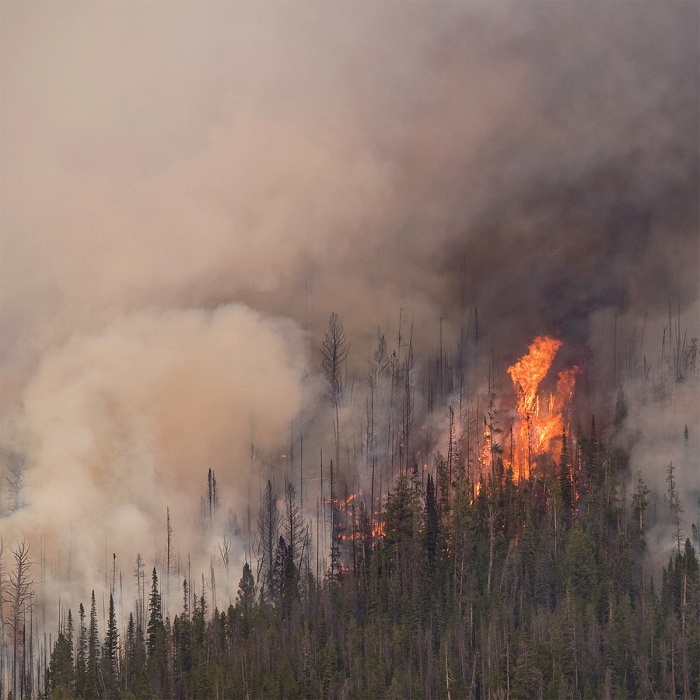
I think as an image the art has multiple meanings: It’s a destructive natural force dwarfed in an even larger landscape. The vastness and emptiness of the landscape in the American West is an integral part of the mythology of this country and a defining aspect of our national identity. The image of this uniquely American landscape burning seems in keeping with making countercultural music. Forest imagery is also such a cliché of black metal, which can, as a genre, suffer from excessive traditionalism. Similar to the image we used for the “Aphasia” EP, we felt that this cover was a little bit iconoclastic and reflected our writing, wherein we make the music we want to hear and don’t concern ourselves with how it fits into any particular genre or aesthetic.

MMM: Anicon obviously is no stranger to the road (you’ve been in Pittsburgh twice since the record came out). How are the songs coming along in the live setting? Is there anything from the record you enjoy playing the most? Have any of the arrangements changed?

OR: Almost all of the songs had already been road tested at length before they were recorded, though there were a few that were written in the interim between our tour with Forest of Tygers and the studio session. There have been some changes in the playing like tempo or adding a bent note here and there and ways we approach riffs or emphasize things differently, but no major re-arranging. Really the biggest changes have been in the vocals, because we worked out all the phrasing in the studio, so there are some things on the album that work a little differently in the heat of a performance.

“The World As Will” was the last song to be written on the record, and that one’s a favorite of mine personally. “In Shadow and Amber” is also just one super meaty riff after another with a lot of different styles of playing. Nolan does almost all of the vocals in that one, so I enjoy getting to just zone out and play the fuck out of it. Really there is stuff in each song that I really enjoy playing.

Nolan Voss: “From Teeth and Tongue” is one of my favorites to play live. I really like how the beginning is subdued and builds but then gets pretty raging as the song progresses. This song has a unique sound compared to the rest of the record. What I enjoy the most is the wide use of dynamic parts throughout. “Hallucinating Fate” is always fun to play. While on tour with Wayfarer, we usually played that one first. That song has a steady blast beat, and I like how the structure is simple but aggressive sounding. I’m usually warmed up for the rest of the set after playing it.

MMM: The title “Exegeses” is an interesting one. What was it about that singular word that defined this collection of songs?

OR: The title suggests looking at things with a clear, critical eye, and I think that is one of the most valuable roles of art in a society. Typically, an exegesis is an examination of a religious text, and lyrically we are concerned with issues of religiosity, though it isn’t a defining theme for us as it is for a lot of bands. Anicon is also a pretty straightforward musical endeavor in most ways. We are four people who get together, write the riffs, turn them into songs, and then we play the songs.  No pseudonyms or altars or makeup. So, it’s kind of like a statement of intent. It’s also just a great looking and sounding word. I like the vowel/consonant pattern and the repetition of the E.

MMM: Anicon’s music obviously is heavy. It’s black metal. But you also weave a ton of melody and drama into the music. How important is that aspect to the band as opposed to just abject heaviness?

OR: Yeah, absolutely I think those elements are pretty key to what we do, but they kind of just work their way into the music. I don’t think there’s ever been a conscious decision to make something more melodic. If anything, I can recall the opposite kind of decision being made. Like to dirty up a part, or I remember bringing something into practice and everyone deciding it needed to be played faster or it was just too corny. Too on-the-nose, as Nolan likes to say. I think melody, drama, and heaviness are all related things that are inherent in any song, so they have to be considered, similar to tempo or duration. Different songs will have different trajectories, and so some aspects will be considered differently from song to song, but they will all be considered.

NV: I agree, it’s important to have different elements, especially when writing for an album. But I think it’s important to have a balance between heaviness, melody, and drama. I think focusing on that balance helped shape the sound of “Exegeses.”

aniconMMM: Lyrically, your songs are kind of abstract. There are none of the normal trappings of a black metal band. What types of things inspire your song lyrics?

OR: Our lyrics take inspiration from a variety of sources, but are heavily influenced by our personal experiences of life. I’m interested in existential questions and tend to read a lot of fiction that kind of probes at those and uses a lot of metaphor. I guess I like lyrics to ask questions. Not necessarily literally, but I’m more interested in the unknown of a situation than platitudes or rigid opinions about it. It’s a little oblique, but “Exegeses” is a very critical album lyrically, so maybe that’s another way the title ties in.

NV: I concentrated on self-reflection and fears that I deal with daily for these songs. In the past, I would write in a concrete, sequential way focusing more on a story or theme, but now I found myself writing about things that affect me on a personal level.

MMM: The record came out on both Avantgarde and Gilead Media. What was it about those two labels that were the right home for Anicon’s music?

OR: We’d been talking to Gilead ever since our first EP came out and have always been impressed with (label owner Adam Bartlett’s) curation of the label and the quality of his releases. Being an American-based label is helpful, too. We met at the Dissociative Visions fest in Brooklyn last year, and we were able to just talk on the phone about the album and what our expectations were of each other. I kind of talked Adam’s ear off when we were finalizing the agreement. I had like a page of notes and questions that I was ticking off throughout the conversation.

Avantgarde is a great label that also has an excellent history of releases, having put out some really formative stuff very early on. He has handled a lot of Krallice’s stuff, so Lev had already had worked with him and was very happy with how he treated them. We sent him the album, and he was excited about it, and it just seemed like a really good fit.

We’re all very happy with the work both of the labels have done. Both the LP and CD versions came out beautifully.

MMM; Obviously, the band was pretty busy in 2016. What do you have planned in 2017? Looking at more touring? Any new music rolling around in your heads?

OR: We’ve talked with some other bands here in New York about doing some shows overseas, and that would be exciting. We had such a good experience doing the fly out for Migration Fest, I think we’d like to do more of that. As of yet nothing is set in stone, though. We were prepping songs for the album for a year or so leading up to recording and have been playing them for the past year now that the album’s come out. So I think we’re ready to get back to work in the practice space. We were on a roll writing after the recording was finished and joked that we’d have the next album written before the first one came out. That didn’t happen, but we have a good start on a new batch of material and are working on more now. In contrast to “Exegeses,” which was written over a fairly long period of time, I’m looking forward to working up a body of music in a more succinct fashion and seeing how that affects the overall feel of the next album.

(Released July 7, 2016)

For more on the band, go here: https://www.facebook.com/scrapingearthandsky

To buy the album, go here: https://www.erodingwinds.com/

Or here: http://avantgardemusic.bigcartel.com/

For more on the label, go here: http://www.gileadmedia.net/

And here: https://www.erodingwinds.com/