Behold! The Monolith crush your pathetic skeletal frame with their doom power

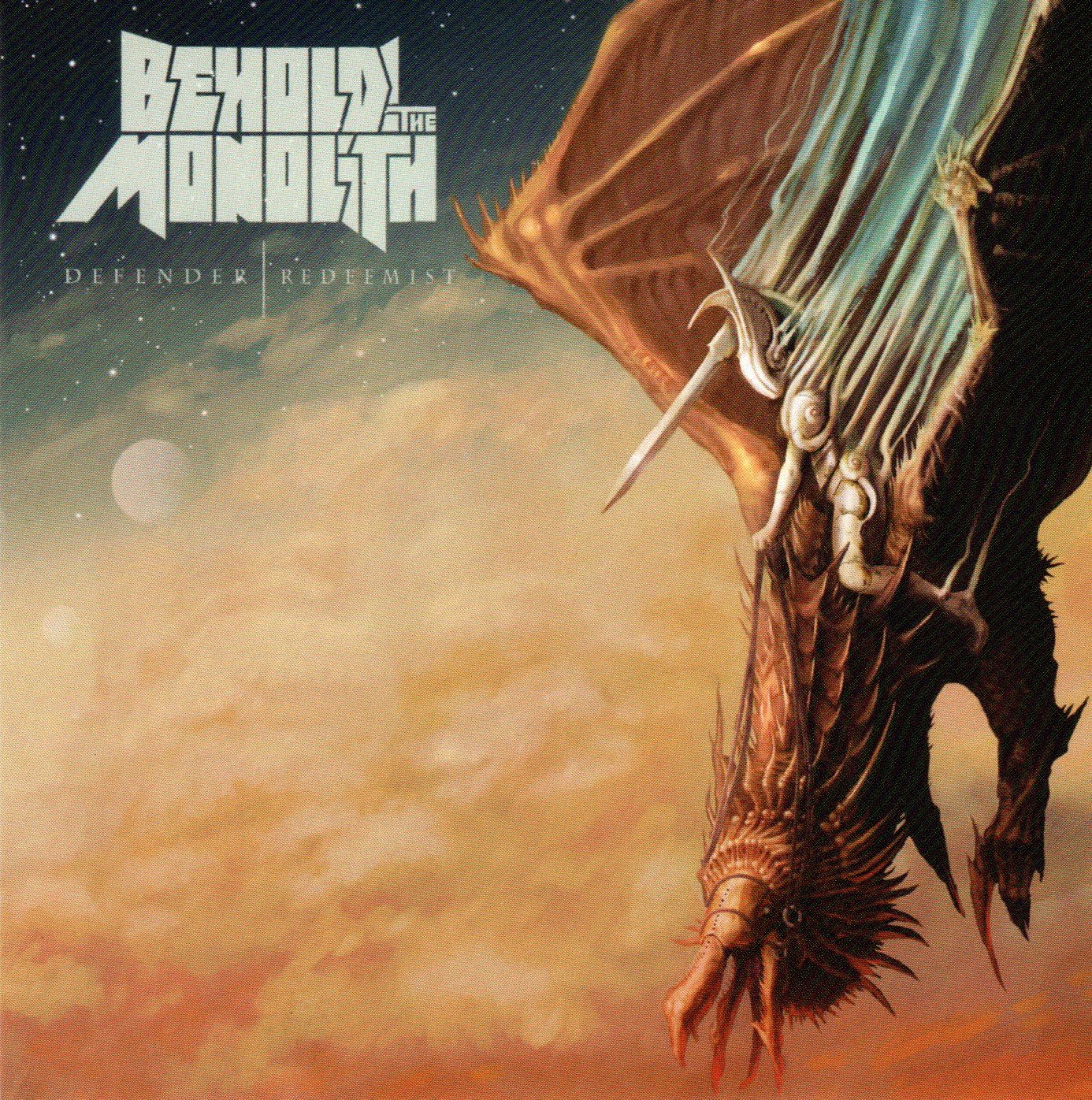
All forms of music are made with many inspirations in mind. Love, death, sorrow, depression, happiness, sexual arousal, the rejection of sexual arousal, God, the devil, the rejection of any god, you name it. There is nothing that is off limits. In the case of Behold! The Monolith, I feel like what moved them to make their crushing epics is a battle axe. That’s it, a simple instrument of brutal, barbaric destruction designed to split your chest into two pieces. I can’t help but hear the band’s awesome second record “Defender, Redeemist” and not think of it.

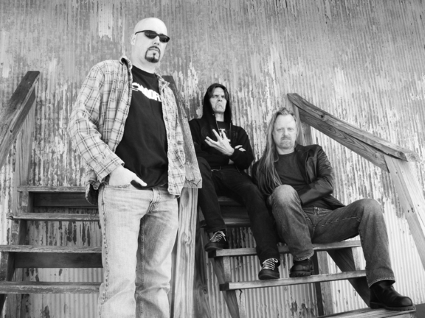
The trio’s sophomore platter is sticky with blood, ominous and so heavy that you’ll need multiple breathers. If you’re not aware of the band’s power yet but are into groups such as High on Fire, St. Vitus, early Sabbath, Iron Maiden and early Mastodon, you’re in for a love fest. An ugly one where you might have to protect yourself from other heathens in a filthy den who also have their eyes on your object of affection. It’s that brutal an experience, one that sounds inspired by tales and warriors of ages gone by. It also has those fantastical, medieval elements that make metal fans swoon, and that’s kind of where the Maiden comparison comes into play.

You’ll need time to absorb the eight cuts on “Defender, Redeemist,” their follow-up effort to 2009’s eye-opening self-titled debut. The L.A. band dabbles in smoky doom that also should make the stoner community proud, and the fiery guitar work of Matt Price both fits in well with that camp and those who are more into trad doom. There’s something for everyone here, as long as heavy metal glory and gloomy punishment make you happy. This is one bad-ass, maniacal, beast of a record that should put this band on the fast track to subgenre dominance and larger stages to hold their chaos.

The album opens with “Guardian’s Possession,” a quick warning salvo that leads right into “Halv King,” a crushing song that gives you an idea of what’s in store during this rest of this gallop across dusty lands in search of men to slay and meat to eat. The guitars are fast, the rhythm section of Kevin McDade and drummer Chase Manhattan is tight and bruising, and the vocals are delivered with demonic intent.  “Desolizator” has a meaty lead guitar groove that leans a bit toward classic thrash and a choppy tempo, and it’s a fun song to hear when driving. In fact, you might find yourself challenging the gas pedal, so maybe be careful. The title cut is spacier and packed with adventure. It has its heavy, challenging moments, and at times it dissolves into acoustic beauty that almost seems there to change the scenery. It’s a really good, effective cut.

“Witch Hunt Supreme” reminds of when Mastodon used to be one of my favorite bands. Just that opening guitar riff and where it leads makes me wonder if BTM couldn’t fill the void Mastodon left in the underground scene. The song then changes into a slow-driving doom head-banger dressed with harsh, throat-mangling storytelling. Three-part epic “Cast on the Black/Lamentor/Guided By the Southern Cross” is a sprawling piece that touches on everything this band does well, and while it’s nearly 14 minutes long, it never feels that lengthy. The band keeps things interesting, and it’s pretty easy for the listener to decipher when the dudes have moved onto the next piece of the triptych.

I’m a sucker for doom, as any regular reader would know, and I always dig the stoner realm as well, but that also makes me pickier as bands who do that type of things seem to multiply by the day. Fewer things ring my bell these days. Behold! The Monolith are one of those that never disappoint me, and when I want something that just bloodies my face like, well, a battle axe, I turn to these fellows. Their new record is a monster with which to be reckoned, and it should make them major players in the doom scene. Try them on for size next time you’re visiting some of your favorite chemicals and see if their music doesn’t make you see battle scene on your walls, Just don’t have weapons around, otherwise you might have some spackling to do the next day.

For more on the band, go here: http://beholdthemonolith.com/fr_home.cfm

To buy “Defeater, Redeemist,” go here (not up for sale on the site yet, so keep checking back): http://beholdthemonolith.storenvy.com/collections/15874-all-products

Opposing forces: Loincloth, Caspian take instrumental power down different paths

Loincloth

We start our review year with no words. From the bands, that is. We kind of need to use words, otherwise how would you know what we think of the groups’ music? We also start the year with one of the stupidest opening paragraphs in Meat Mead Metal history. We let it stand.

There are varying opinions on the value of instrumental-only bands. I have a friend who, try as he might, just can’t get with the idea. There have been exceptions over time, but for the most part, he needs words in order to truly embrace music. Then there are people such as myself who love instrumental music. As long as the work is compelling, interesting and powerful, why do you need words to express you emotions? Also, it gives your audience a chance to simmer in the emotion and come up with the stories themselves. I always find a lot of fun in that, but the idea of no singing isn’t for everyone.

Today, we bring you two bands who get out their messages through their instruments only, though each group does it in a completely different way. In fact, the only thing these two bands have in common at all is that they’re instrumental acts. I’m not even sure if there are sonic crossover possibilities for their respective audiences, though I like both of them, so perhaps that answers my question. But each get their points across, and their approaches have merit, so let’s give each a little focus.

First up is Loincloth, another in a line of interesting signings by Southern Lord and whose new album “Iron Balls of Steel” sounds more like the title of a Manowar record. That seems to indicate the band doesn’t take their image too seriously, and with song titles such as “Underwear Bomb,” “Hoof-Hearted” and “The Moistener,” they don’t seem to mind if their listeners smile along with them. Humor isn’t something that inhabits the instrumental metal world all that often, but the band’s compositions, mostly two minutes and shorter, also set them apart from groups who usually wax and wane over epic songs and albums. “Balls” is 16 songs that end in about 40 minutes, so if you want something that will profoundly move you philosophically, you’ve likely come to the wrong place. If you just want to have a blast, then you probably couldn’t buy a more fitting album.

The band features guitarist Cary Rowells and drummer Steve Shelton, both members of Confessor, as well as guitarist Tannon Penland, of Koszonom, and their approach to their music is to pound the hell out of you over and over again. It’s not pretty what they do and it’s not poetic, but it’s overflowing with tonnage. It’s math-friendly, doomy, thrashy and totally a slave to the riff, so if you like the air guitar thingie, you’ll be in heaven with “Iron Balls of Steel.” One drawback is the songs don’t really mesh together like a true album. They sound like a collection of punishing ideas mashed into one place that don’t really have anything to do with each other. It doesn’t flow naturally at all, but perhaps that’s just the guys going against what you expect. That said, the record at least shines based on its individual parts, and Loincloth punch the hell out of you on the aforementioned tracks as well as psyche-ish “Sactopus”; groove-heavy “Elkindrone”; the melodic and airy “Stealing Pictures,” that reminds me a little of Pelican; and tricky, trucking “Voden.”

This is a fun listen, one that’ll satisfy your craving for abject heaviness and sounds much better when played at a really, really loud volume. Again, it sounds more like a mish-mash of songs rather than a complete album, but that’s OK when the songs are this jarring. In the words of Sterling Archer, “Balls.”

For more on the band, go here: http://www.facebook.com/pages/Loincloth/266521466700945

To buy “Iron Balls of Steel,” go here: http://www.southernlord.com/store.php

For more on the label, go here: http://www.southernlord.com/

Caspian

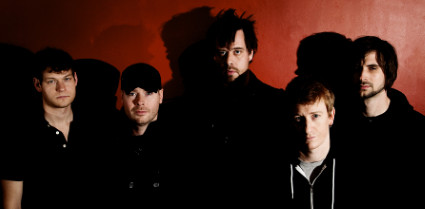
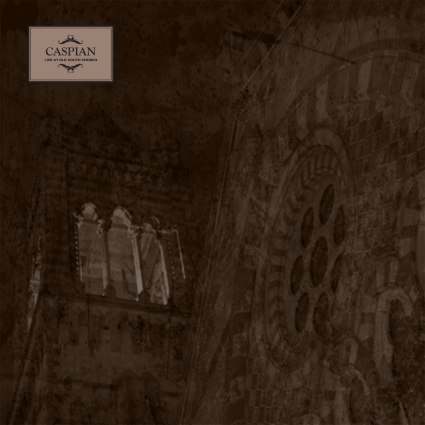
Now, onto a band that certainly has a flare for the dramatics, that being Massachusetts’ own Caspian. This post-rock creature deserves to be mentioned in the same sentence as like-minded acts such as Explosions in the Sky and MONO, and perhaps one day they will be. If you want to get an idea for the band’s live majesty, grab a copy of “Live at Old South Church.” The five cuts on this document are culled largely from their first two full-lengths “The Four Trees” and “Tertia,” as well as from EP “You Are the Conductor,” namely the stunning opener “Last Rites.” From the start, the band’s massive wall of gorgeous sound is apparent and impenetrable, even when listening on cheap headphones carrying the song from a damaged laptop computer. So I can only imagine what being there must have been like.

The show was captured Oct. 22, 2010, from the Old South Church in Boston, a Gothic, revival-style building constructed in 1875. On top of that, the show wasn’t just for Caspian to unfurl their power in a unique venue. The appearance was part of a benefit performance for Amirah, a non-profit group dedicated to providing whole-person care and safe housing for victims of sexual trafficking. In fact, some proceeds from the album sales also will go to help the agency that is tackling a subject that normally just makes for horrific headlines in many of our insulated worlds. Caspian certainly made the most of the stage, blowing through the spacious rumbling of “The Dove”; kicking up the tempo on more rock-oriented “ASA”; and putting a quaking exclamation point on the album with “Sycamore,” that just drips with emotion.

As noted, Caspian deserve more ears tuned to their music, and perhaps people with generous hearts and compassion for the victims Amirah serves will benefit by helping others and getting in touch with an explosive, powerful band. Caspian’s music is too big for a tiny hall, so let’s get them into the bigger rooms where they belong, so that their music doesn’t take down any buildings.

For more on the band, go here: http://www.caspianmusic.net/

To buy “Live at Old South Church,” go here: http://www.mylenesheath.com/catalog.html?&Vl=32&Tp=2

For more on the label, go here: http://www.mylenesheath.com/

For more on Amirah, go here: http://www.amirahboston.org/

Best of 2011 — 1. FALSE, untitled (Gilead Media)

There’s no mystery left in our world anymore. You have the Internet and the 24-hour news cycle to thank for that. A dictator or terrorist leader is killed, and we want to see the body. Now. A high-priced athlete signs with our favorite team, and we want to know how much he’s making. Now. A soon-to-be-princess is going to wed and we want to know exactly what she’s wearing. Now. More on the topic of today’s entry, a highly anticipated album is going to be in stores and digital outlets in weeks, but we need the music and the art. NOW.

We live in a society where an e-mail that bounces back infuriates us, where a failed text message ruins our day, where a dropped cell phone call leads us to threaten our service providers with cancelation. We’re spoiled. Louis CK does a fantastic rant about this topic, so look it up. We can’t wait anymore. We can’t have any level of mystery. We need to know everything right now. And if we can’t, it’s just unacceptable. This is why the band FALSE intrigued me from the start. I recall asking some fairly benign questions about the band to Gilead Media, and by the band’s request for secrecy, they could not be answered. That fascinated me. It didn’t make me angry, it didn’t cause me to lash out, it made me sit on the edge of my seat until that magical digital promo arrived of the Minnesota band’s debut untitled effort. The fact I knew from which state they hailed was a really big deal. Here I am almost six months later, and I still know very little about the band. And I love it. I think some of this harkens back to my youth when I’d go into a record store looking for the latest album from a band and not having any clue what it looked like. Seeing it for the first time? Fireworks! I remember that exact experience with Metallica’s “…And Justice for All.”

Of course, all FALSE’s shadowy moves aside, the music is what ultimately would matter most, and if it failed to be massive, then their efforts would be moot. The music was earth-moving, life-changing, genre-crushing. From my first experience listening to the two cuts that make up this effort, I realized I had discovered a band that was not like any others. Yes, they had tenets of early Nordic black metal, some power metal, some death, but it was the way they put the whole thing together. It is an album that, no matter how many times I hear it, I discover something new about it. One of the first qualities about their music that really grabbed me is how they use mystical sounding keyboard in the mix of their chaos. It shimmers and sinks into the puzzle, and it reminds me a lot of how Iron Maiden used keys on “Seventh Son of a Seventh Son.” I know that record gets bashed, but I positively love it. It’s one of my favorite Maiden records, and to hear some of that in FALSE, whether it was intentional or not, sent my heart ablaze. The simmering guitar work, the adventurous leads, the nicely sectioned movements in their epics, and the blood-thirsty banshee cries and growls of leading lady Rachel all make the package the most devastating and moving of 2011. This is the best, most promising band in all of domestic black metal, and their reign has only just begun.

Whether FALSE decide to remove the shroud at some point and let people inside the machine, there’s no saying. There are photos of the band playing live out there, but they still tell you very little about the band. In fact, the group looks so damn normal that it just feeds into the mystery behind their hellacious chaos. It’s scarier when folks who aren’t adorned in corpse paint and spikes make something this vitriolic and come up with scenarios such as, “Promises of a throne/a battle rages/brother against brother, sister against sister,” like some real-life “Game of Thrones,” and deduce, “Hell is what we have sown, and hell is what we shall reap.” Of course, then they prod the sun god Khepera, the warrior goddess Sekhmet and other Egyptian deities on “Sleepmaker,” a gut-ripping revenge tale, so they also tab violence throughout the ages. OK, I need to stop. I could talk all day about this album, and that is another reason this is, hands down, my favorite album of 2011. It has rewarded me so richly and continues to do so every day. I am in sick love with this band, and I feel like I’d capture people, hold them for ransom and slit throats if I had to in order to keep FALSE’s secrets. I’ve not been this affected by a band in a long time, and it’s great to feel this way about someone’s art. Even if I know little to nothing about the actual creators.

Although the members of FALSE have chosen to maintain their silence, we decided to try to get them answer questions anyway. It failed! And we respect their position and admire a band that wants to maintain their mystery. I know I’m not the first person who tried to get them to speak. So we asked Adam Bartlett owner of Gilead Media, who put out FALSE’s album in conjunction with Howling Mine, to discuss the record, its importance to him and what he knows about what the band has planned in 2012. I remember realizing when first reading his responses that, the way he said he felt about the music was the same way I did when I first heard it. We thank him for giving his unique perspective on this band and for making possible Meat Mead Metal’s favorite record of 2011.

Meat Mead Metal: We’re naming FALSE’s unnamed debut our No. 1 record of the year. It seems the record was well received and got people talking about the band. Are you happy with how this album was received by the public?

Adam Bartlett: Absolutely! Particularly for a band that many people haven’t heard, or even heard of, there was a great response. It feels great any time a band’s debut recording is so warmly accepted.

MMM: How has this release affected you both personally and professionally?

AB: Personally? Well, that’s one of my favorite records now, has been since earlier in 2011 when I first heard it. The people in that band are a great group of individuals and the way they write sounds so passionate when I listen to it. They have an element I hear very rarely in music. Professionally? Not much changes there. I do everything I can for all of my bands because I believe entirely in every record I release.

MMM: What led you to discover the band, and what about them made you want to work with them?

AB: Bryan (Funck, also of Thou) from Howling Mine turned me onto them. Saw a show of theirs and was entirely blown away. He and our friend Andy had nothing but great things to say. Bryan asked me to put out the record with him and I agreed, contingent upon finally hearing the recordings when they were done. Turns out my other friend Adam Tucker at Signaturetone Recording was set to mix and master the album, too. I knew I would be in for a treat… and was I ever. That was one of the most shocking first listens I’ve ever had.

MMM: FALSE did something very different that most bands don’t these days — they shrouded themselves in mystery, not actively releasing band member info, doing promo shots, interviews. How do you feel about their approach? Do you think the aura of mystery helps the band?

AB: I really like the way FALSE chose to do things. People gave me some crap for the way I represented them while promoting the record, but I am certain to only represent bands the way they want to be. It’s a long series of questions I ask and materials I request. They ultimately decide how they want their image portrayed during promotion, and as long as I think that makes sense for the record, I respect that. There were many requests for interviews that I had to respectfully turn down. In a couple cases that resulted in less coverage by the potential interviewers, but the band was adamant that the music speak for itself. Especially when we’re talking this early in their life as a band. I certainly think it helped build interest. These days, with Google and a download blog just a click away… with Metal Archives, people are so used to the immediate availability of all the information they could possibly want, streaming audio or downloads, band history, photos and videos… we’re so accustom to having immediate access to all these things. FALSE really captured the attention of a lot of people by denying listeners the immediate availability of any information until a time of our own choosing.

MMM: For those who have yet to see the band live, how would you describe the experience?

AB: It’s hard to put into words. It’s an experience, that’s for certain. There’s not much more I can say beyond that. It’s a very focused and captivating experience. The songs on the 12” resonate very deeply with me, so experiencing that live, for me, is very powerful. There are parts of those songs… I only listen to them alone, because I feel like I’m not grasping the full scope of what that song is truly achieving.

MMM: Does Gilead Media have plans to work with FALSE in the future, and if so, what details can you give our readers?

AB: I will be working with them on at least one project in 2012, but the details on that will remain confidential until we’re ready to move forward. We’ve withheld so much from you already, why do you think we would just feed you the juicy stuff now?! I will say, though, people are going to be very excited about that release. It’s going to be one of those records where, when you see the announcement about it, you’re going to think you misread it.

For more on the band, go here (it’s the best we can do): http://www.metal-archives.com/bands/False/3540332204

To buy the album, go here: http://www.gileadmedia.net/

Or here: http://gileadmedia.bandcamp.com/album/untitled-false

For more on the label, go here: http://www.gileadmedia.net/store/
Best of 2011 — 2. Mournful Congregation, “The Book of Kings” (20 Buck Spin)

Depression, sadness and sorrow long have been important elements of doom and metal in general. It’s OK to not feel good and to speak out about it. Too often in our society we shy away from sadness and anguish because they are things that don’t feel nice. And we have so many things to distract us from what’s going on underneath our surface that we can hold off facing the tumult until we absolutely have to meet it head on. Or it just subsides somewhere over time and we grow hardened shells unable to identify anything but good thoughts. It’s not human.

This is one of the reasons I’ve always identified greatly with Australian funeral doom juggernauts Mournful Congregation, and their latest album “The Book of Kings” is their most crushing record to date. It’s the embodiment of those negative emotions that, when they’re allowed to set in and fester, can change us as humans. Those feelings make us whole. They make us well-rounded. If we ran around only paying heed to positive thoughts, we’d be living a lie, and one day when something horrible happened, we’d have no clue how to cope. As I’ve sort of alluded to a lot the past few months, I had a pretty emotionally scarring 2011, and I often struggled to be able to put a happy face on anything. Eventually I realized that the sadness and pain I was experiencing was something that, while not a lot of fun to endure, would make me a more complete person. It had to be tackled. I credit “The Book of Kings” with helping me on my journey, not because it told me how to feel, but because it showed me there are others who revel in darkness and find ways to convey their experiences.

I didn’t have access to this record until the autumn, when I was in the midst of a period of understanding this pain, but when it did arrive, it seemed to speak to many of the things I had faced. It was cathartic and calming for me, it let me sink into the doldrums and swim with the madness. Songs such as the excellent opener “The Catechism of Depression,” the surprisingly beautiful and atmospheric “The Bitter Veils of Solemnity” and the epic closing title cut (a song longer than some of the full albums on my top 40 list) were just what I needed. On top of the music relating to my frame of mind, it also was a rush to hear Mournful Congregation really come into their own and make a genre classic. That’s not to suggest their earlier work wasn’t incredibly effective, because it was, but “The Book of Kings” (their fourth full-length) seemed to be the record that would stand as their watershed moment. It’s a masterpiece from top to bottom, and while I’ve long been a fan of this band, my love of their art never has been as strong as it is right now. I cannot more highly recommend this record. If you love doom, you owe yourself this journey. Just understand that if you take it, you’ll never be the same again.

Mournful Congregation drummer Adrian Bickle and guitarist/vocalist Damon Good were kind enough to answer some questions about their caterwauling new record, the importance of reaching out to such dark emotions, and their arrival – finally! – to play shows in the United States.

Meat Mead Metal: “The Book of Kings” seems to have really opened people’s eyes in the United States to the power of Mournful Congregation. Are you pleased with the reaction the record has received?

Adrian Bickle: Yes, we’re extremely satisfied with how things have been progressing in the U.S. 20 Buck Spin have done a tremendous promotional job and hopefully the release of “The Book of Kings,” along with our recent shows over there, has further consolidated this increasing awareness of us amongst the American audience.

MMM: It goes without saying your music is soul-crushingly depressing. Do you look at your music as a means of catharsis for your inner struggles? Or is it more a comment of how you feel in your day-to-day life? Or is it something else?

AB: Our subject matter does vary but partly what we explore as a band are certain psychologically and emotionally harrowing elements of the human experience. It’s possible to delve into these themes without necessarily advocating them. Each human experiences depression to some extent throughout their life, and part of what we do is to construct a sonic landscape for these most bleak of times.

As individuals within the band, we would each have a different perspective. For some it may be more cathartic, some of us may carry more emotional burdens in our daily lives. As an entity though, it all manifests into the whole. We seek our own wisdom, our own answers. We are not the torchbearers in the cognitive storms of others.

MMM: You finally arrived in America to do a proper tour, albeit on the West Coast exclusively. How did that journey turn out? Can we expect Mournful Congregation to return any time soon for more shows?

AB: The journey was something very special for us. We were given the opportunity to meet some exceptional people and to perform alongside phenomenal bands. We really do look forward to returning there, although at this point in time it’s difficult for us to say precisely when that will be.

MMM: Before “The Book of Kings” was released, 20 Buck Spin released “The Unspoken Hymns” compilation. Was that release designed to introduce newer fans to your sound before the new record was released? Was that your idea or the label’s?

AB: I believe it was a label initiative, but the idea of consolidating this array of sold-out vinyl, splits, etc. and making them all available on one release was something we’d been considering for a while. It definitely did serve as an additional promotional tool prior to the release of the new album, particularly in the U.S. where we have previously lacked a bit on this front.

MMM: How did you hook up with 20 Buck Spin, and do you see this as a long-term relationship going forward?

Damon Good: We were aware of 20 Buck Spin as being a good, solid U.S. label, but the prompt came from Profound Lore Records whom I work with in relation to my other band Stargazer. So it was upon (Chris Bruni’s) suggestion that we contact 20 Buck Spin. And what a perfect suggestion it was.

MMM: Our web site declared “The Book of Kings” as the band’s finest accomplishment to date. How do you feel about the record now that you’ve had some time to step away from the creative process and reinterpret these songs live?

AB: Thank you, that means a lot. Without a doubt we put more time, effort and consideration into this record than ever before, and it’s the most satisfied we’ve been with an outcome. The energy on the album feels right, which is so important with this type of music. In the live capacity we are performing two of the four songs, and they seem to translate well in that environment, which is pleasing.

For more on the band, go here: http://www.mournfulcongregation.com/

To buy “The Book of Kings,” go here: http://www.20buckspin.com/site/releases/spin045-mournful-congregation-the-book-of-kings-cd/

To buy “The Book of Kings” and “The Unspoken Hymns” as a discounted package, go here: http://www.20buckspin.com/store/product_info.php?cPath=1&products_id=1017

For more on the label, go here: http://20buckspin.com/site/

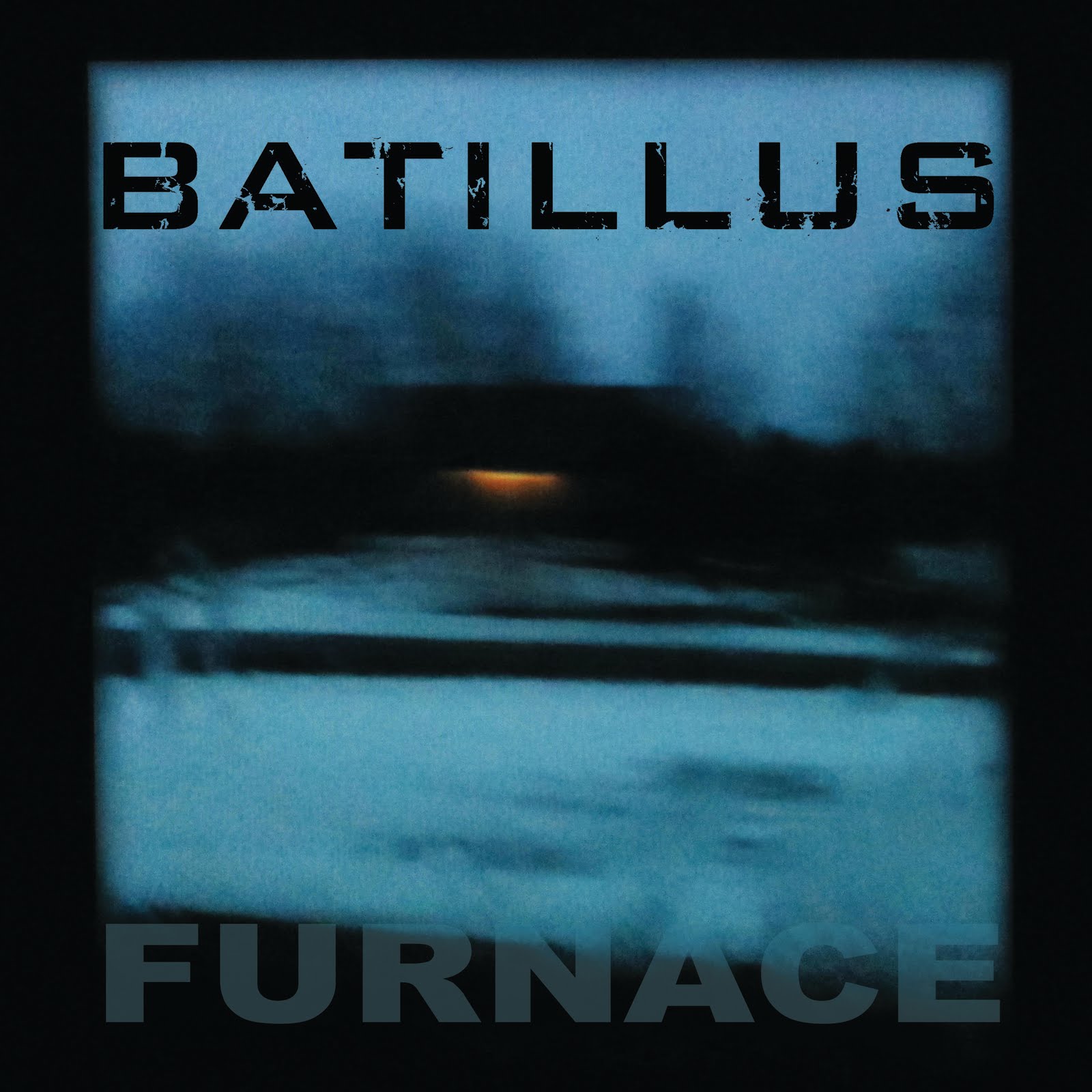
Best of 2011 — 3. Batillus “Furnace” (Seventh Rule)

Not all debut full-length albums are quite as mighty as the one NYC’s Batillus gave us this year. The thing is called “Furnace,” which is a pretty good indication of what you’re in for when you sweat through these six songs of sludgy, slightly experimental doom. You’re bound to feel like you’re chained inside one of the things just minutes into the opener “…And the World Is as Night to Them.” It’s a leviathan of an album, a total physical challenge and, at the same time, a pretty brainy experience as well. These aren’t dudes just making noise. There’s a lot more going on in their heads, and by spending some time with the lyrics, you’ll find out that very fact.

“Furnace” is heavy as hell. It’s ridiculously heavy. But it also has nice pockets of melody that grasp you, it can be lush, it has some great lead guitar work that fries your senses (check the neat Kim Thayil-like whinnying on “Deadweight,” my favorite track on the album) and it has the presence of vocalist Fade Kainer, who truly has made his mark on the band. His vocals sound menacing and demonic in spots, downright authoritative in others, and he’s one of those singers you can’t help but pay undivided attention when he’s howling at you. He captivates, a quality that’s becoming scarce among vocalists these days, and he has a unique voice. Plus, he adds the keyboard and ambient elements to Batillus, which help branch out this band’s music even further. Check out his colorful work during the opening moments of “The Division,” for example, to hear what I mean.

While this is Batillus’ first full-length effort, I continually hesitate calling this a debut. Maybe because I’ve been listening to this band back to their self-titled debut EP, when they were an instrumental unit, that it already feels like these guys are well-traveled veterans. The band has such a full and impressive resume for a group that hasn’t been in existence all that long, so seeing “Furnace” as some sort of first salvo feels weird. It’s their first full offering, yes, but this band has been thoroughly bashing skulls the past few years now, so if this was your first experience with Batillus, go back and see what you missed. You won’t be sorry. They also put out a split 7-inch with Mutilation Rites over the summer that’s pretty meaty as well. I really can’t wait to hear what this band dreams up next. They’re already one of doom’s most impressive bands, and in a few years, with more releases like “Furnace,” they’re going to rule the  realm with an iron fist.

Drummer Geoff Summers and vocalist/synth player Fade Kainer both took time to answer some questions about the band and “Furnace” as well as what their future holds.

Meat Mead Metal: “Furnace” was a major step forward for the band — amazing full-length, powerful songs, crushing emotion. Obviously we loved it because it made our top 5. How do you feel about the record now that’s it’s been out a while, you’ve toured on it and had a chance to digest what you accomplished?

Geoff Summer: Thanks, we really appreciate it! We’re all very happy with the record and glad others seem to like it as well. I think it represents a big step forward for us since adding Fade to the band — our first attempts at writing songs with him seemed like Greg (Peterson)/Willi (Stabenau)/Geoff plus Fade equals Batillus. On “Furnace” it finally became Greg/Willi/Geoff/Fade equals Batillus.

MMM: Obviously the band has changed a lot over the relatively short time you’ve been a unit. Is “Furnace”more along the lines of where the band will go into the future, or can we expect more twists and turns sonically and philosophically?

Fade Kainer: I feel our new material is a more distilled take on what we did on “Furnace.” I think we are becoming more focused on aspects of our sound.

MMM: Fade Kainer has added a unique voice to the band since he joined a couple years ago. What does he bring to the band that Batillus was lacking before (except for, you know, vocals)?

GS: I don’t think we ever set out to be an instrumental band in the first place; it just naturally began that way and, at a certain point, we began considering ways to expand and develop our sound. At a certain point, we decided we wanted to add voice to our music, as well as other sonic layers and depth. When we saw Fade perform with his band Inswarm in late 2008, we knew he was the guy. As I alluded to above, it took some time after he started playing with us for the sound to really gel, but we could not have found a more perfect fit for the band. The elements Fade brings to the table as an artist (both sonic and visual) and a performer are a perfect match for us.

MMM: “Furnace” was released by Seventh Rule, who have a history of putting out heavy, thought-provoking bands. What led you to them, and is it a relationship you see lasting into the future?

GS: Well, I had been familiar with the label because some of my friends in New York had worked with Scott (Flaster) in the past. Curran Reynolds from Wetnurse, for example. Everyone I talked to had nothing but good things to say about Scott and the label, so when he expressed interest in putting out the record, it was really a no-brainer. Scott’s been very good to us– in a lot of ways he’s gone above and beyond the call of duty and we’re happy with how things have turned out. I certainly hope it is a relationship that will last into the future!

MMM: What does the band have scheduled for 2012? Thinking new record yet? Further touring?

FK: We are recording some new songs for a split with Australia’s Whitehorse , and will tour with them this summer in the U.S. 

GS: We’ll also be recording the follow-up to “Furnace” and we have our sights set on Europe. We’ll see how it turns out.

For more on the band, go here: http://www.batillusdoom.com/

To buy “Furnace,” go here: http://www.seventhrule.com/store/

For more on the label, go here: http://www.seventhrule.com/

Best of 2011 — 4. Subrosa, “No Help for the Mighty Ones” (Profound Lore)

There are those records that, from the moment you hear them, you know they’re special. You are certain a particular album will play a major role in your life going forward, and that piece of music never will be too far away, no matter where you go. From my first experience with “No Help for the Mighty Ones,” the second effort by Utah’s Subrosa, I knew that I was in possession of one of the most pivotal albums of the year, and maybe even my life. It’s that good and that powerful an experience.

Added to what you get musically from this very dark metal unit is the symbolism and artwork that goes along with the record. As you’ll read in a moment, what you see on the cover and in the booklet is very much intertwined with the music. The cover is based on the Bluebelle tragedy in 1961, its incredible aftermath (look for a link to the story below as it’s too long to summarize here), the eventual violent demise of decorated war hero Julian Harvey, the perpetrator of the horrible murders aboard the ketch he captained, and Tere Jo Duperrault’s four days lost at sea. I didn’t know many of the details before I got this record, though I’d seen the famous “sea waif” photo of Tere Jo many times before, and reading up on the events certainly shed light on what lies in the many layers of “No Help.” The record isn’t entirely about those events, but  thematically they do have a major presence. Actually, inside the booklet, there are specific inspirations listed for a few of the songs, in case you want to pursue the source material.

Aside from the philosophical elements, the statement of power structures and how they affect humankind, social and political commentary and of course what’s culled from Tere Jo’s sojourn that eventually led to her rescue in the Providence Channel, there is the sonic realm. The songs are richly melodic, gorgeously textured, booming with guitars and strings (teetering largely on doom and goth rock) and harsh and punishing when the need arises (check the throaty screams on “Beneath the Crown”). The music is heavily enrapturing, and even having listened to this album countless times in 2011, it hits me just as hard every time I go back. I feel like I’m on those black waves, drifting toward either rescue or demise, knowing that if I just hold on, I may find my strength again. Of course, what I go through on a daily basis is not nearly as harrowing as what Tere Jo faced, but the themes of perseverance still apply. This is a magical (and magikal) album through and through, and I hope it’s nearby as long as I live.

Guitarist/vocalist Rebecca Vernon was kind enough to answer some questions about the album, how the artwork and symbolism tie into the whole picture and what the band has planned going forward.

Meat Mead Metal: “No Help for the Mighty Ones” was the first record in 2011 that really moved me emotionally, and I knew from the instant I heard it, it was going to be one of my go-to albums. Now that it’s been out for a while, how do you feel about its impact and the overall creative end result? Anything you’d do differently?

Rebecca Vernon: Thanks. I’m glad that it struck a chord with you. There were only two technicalities I wish I could change about the album, and that is making the plucked violins in the verses of the “The Inheritance” louder and adding an extra harmony part to the chorus of (the song). I feel satisfied with the way it came out after we finished it, like the album captured what we intended it to. And of course, it has been nice to see it appearing on some year-end lists and having other people feel what we felt when we created it.

However, now that it’s complete, I do feel the urge to move in a new musical direction. I would like to make the next album more lush, more unpredictable, and more emotional, but no less heavy.

MMM: On a personal level, what is your connection with “No Help”?

RV: It’s always hard for me to see people in powerful positions in government and other institutions abuse power and oppress those they are supposed to serve. Music is my way of expressing the outrage I feel at what’s wrong with the world. A couple of the songs are more about me personally, like “Dark Country.”

MMM: While the band’s music certainly has its doomy, heavy, murky sections, there also is great beauty and mystique with the bulk of the vocals and the sweeping (and certainly more present) string work. How important is having both light and dark elements in your music? Or do you see things differently than how I perceive them?

RV: No, you’re right. There’s a certain blunt heaviness in the riffs, mixed with the delicate violin melodies, emotional melodic parts mixed with dark atmosphere. There are contradictions and contrast there. And I guess it’s strange that I sing about serious topics, and the music itself is dark, yet the main feeling I want people to take away from listening to Subrosa’s music is strength. I just don’t think you can become strong without going through and understanding a lot of pain.

MMM: “No Help” is just a gripping visually. The Glyn Smyth/Scrawled Design work not only is incredible to look at and tells the tale of the lost girl at sea on the cover but it also packed with other meanings. Were you hoping listeners would dig deeper into symbolism? Do you feel understanding the artwork gives you a deeper experience with the music, or is one not dependent on the other?

RV: No, they are completely intertwined. The story that inspired the artwork is pretty much a sum-up of what the whole album is about, and the title “No Help for the Mighty Ones.” The other symbols, of Leviathan, The Earth, the Triangle of Manifestation on the back, etc., all those symbols tie in with the theme, too. The story, though, is the focal point of the artwork. You’ve probably read the story about Tere Jo already, but the reason her story applies to this album specifically is that it blew my mind that an 11-year-old girl had the power to make an adult man kill himself because of the truth that she carried. Not only did she have the power to damn him in front of an earthly tribunal, but she was like his dead conscience resurrected from the ocean he’d thought he could bury it in. There was no help for that mighty one.

MMM: Your cover of folk song “House Carpenter” certainly is a curve ball. Is that an important musical element for the band to mix in with the heaviness?

RV: We did an acapella folk-ballad piece on our first release, “The Worm Has Turned,” called “Mirror.” There’s also an acoustic folk song on “Strega” called “Isaac.” There’s always been this element of folk music that I’ve really latched onto and kind of made a part of Subrosa’s music. “Whippoorwill” is also a song that’s a good example of that. I always thought I hated folk music before Subrosa, but really, I think I must be a sucker for it. It really resonates with me, it’s so sorrowful and real. “House Carpenter,” by the way, is a traditional Irish/English folk song. It’s the first cover we’ve ever done.

MMM: What does the band have planned in 2012? Are you thinking of a new record yet? Do you plan to continue your relationship with Profound Lore?

RV: I would love to continue Subrosa’s relationship with Profound Lore if they want to continue their relationship with Subrosa. I am going to start work on the new record in the next month, and will probably be working on that the first half of 2012.

For more on the band, go here: http://www.facebook.com/SubrosaUSA?sk=info

To buy “No Help for the Mighty Ones,” go here: http://www.profoundlorerecords.com//index.php?option=com_ezcatalog&task=detail&id=718&Itemid=99999999

For more on the label, go here: http://www.profoundlorerecords.com/

To read a Wikipedia entry about the Bluebelle incident, go here: http://en.wikipedia.org/wiki/Bluebelle_(ship)

For a book on the events, go here: http://www.amazon.com/Alone-Orphaned-Ocean-Richard-Logan/dp/0425242080/ref=sr_1_1?ie=UTF8&qid=1325629044&sr=8-1

Best of 2011 — 5. Panopticon, “Social Disservices” (Flenser Records)

Those of you who have closely read the first 35 entries of the best albums of 2011 probably noticed a consistent theme of the ability of the music to spark an intense emotional reaction. The creators of these albums bombard the listener with what otherwise would be unknown worlds to  help the listener relate in some way to what’s going on in the composition. One of the most affecting albums of 2011, in that sense, was Panopticon’s third full-length record “Social Disservices,” an opus that shines a light on psychological and social service agencies and how they often fail to actually help the people they’re designed to reach.

From the album’s opening, where babies are wailing as if unattended – both by a person and by society itself – you get the idea you’re in for a gut-wrenching journey. That’s absolutely true, both with Austin Lunn’s shrieking storm of atmospheric black metal and by the messages he drives home. Yes, you probably can listen without paying heed to what he’s trying to say here. But you’d really have to work hard at ignoring his words and the other sonic elements he uses to express himself. It’s a rare black metal effort that, while it espouses failures and trappings of our surroundings, it has a gigantic and sympathetic heart and tries to offer a helping hand. It doesn’t revel in hate, though Lunn certainly expresses his fair share of frustration and pain. It isn’t evil. As I pointed out in the review of the record, when Lunn howls, “Never give in, never give up!” on heavy and, at times, melodic and lovely, “Subject,” he’s trying to empower. That’s not exactly a prevailing trait in the world of black metal, but I love when artists paint outside the lines and ignore the “should” of a particular genre. No rules. And there are none with Panopticon.

Lunn was kind enough to answer some questions about “Social Disservices” and his Panopticon project in general. I was so pleased, yet totally not surprised at all, to find his answers incredibly thoughtful and deep. You can tell he didn’t just fire away with answers off the cuff and that he really thought about what he wanted to say. It makes for as interesting and passionate a verbal exchange experience as his music always managed to be.

Meat Mead Metal: Your new album “Social Disservices” has been chosen our No. 5 metal album of the year. Critical reception to the album has been pretty favorable elsewhere as well. Is that something that pleases you as an artist/creator to have your work embraced, or is it just kind of icing on the cake?

Austin Lunn: It was something that was pretty unexpected, as I feel like the album kind of bucks some popular trends in “black metal” at this time. I tend to favor more atmospheric and wandering music, but I just did not feel that was right for this subject matter. It needed to be dark and angry. The record needed to express my frustration with the subject. So I am pleasantly surprised with the record’s reception and certainly am very grateful for it. I honestly thought the record would not be well received.

MMM: You tackle some pretty sensitive material on the new album, things that people either don’t realize or care to talk about. How important is it for you to get your listeners out of their comfort zones and thinking about subject matter perhaps they didn’t consider before?

AL: I think the main point of the record was to get people out of their comfort zones and get them thinking about the underbelly of life. The lyrics are at times quite disturbing, in my opinion, and musically it becomes quite ugly at moments. The intro to the second track is 2.5 minutes of screaming children (and was 3 minutes, but the label and some other friends  thought it was a bit much) and that alone is meant to invoke a feeling of discomfort. I think if folks take the time to read the lyrics and the liner notes, they will understand what I am trying to say with the record. That doesn’t mean they will agree, but my hope is to at least put it in their minds.

MMM: Did personal experiences play a role, both musically and lyrically, in the creation of “Social Disservices”? Or is the album more of a case study?

AL: Yes. Absolutely. There is a lot of me, personally, in this record. I worked with at-risk teens, the mentally ill, homeless and youth in crisis for 6 years, throughout reach, mentoring, crisis intervention and residential treatment. There are many sides to this coin, and I have a bit of perspective on the issue, so in a lot of ways, this record was therapy for me. A release of 6 years of emotions. The album was sent to press right as I was starting my internship overseas, so it also kind of symbolized a change for my life.

MMM: Ultimately, what do you hope listeners take away from “Social Disservices”?

AL: I want folks who are going through these issues to know that they are not alone, and there are people in their corner pulling for them. I think people are often drawn to extreme music because they have emotions that are hard to deal with, and extreme music can be very cathartic, so it makes sense to use it as a place to process those thoughts and feelings. I hope there is at least one person who feels that from this record.

MMM: You’ve had quite a prolific year with both the Panopticon and Seidr releases? What else, that you can discuss, do you have in the works?

AL: There is another Panopticon album that is done and mastered. The art is being worked on and it will be out in early 2012. It is, once again, a concept album about the state of Kentucky, where I have lived for nearly 10 years, dealing with mountain top removal, the coal mining/union struggle, as well as the history of this great state. It is very, very melodic and at times technical, but at the same time there are traditional songs, country, blue grass and folk. It is pretty diverse. I will also have some splits and collaboration records being recorded this year. Seidr is in the middle of recording our second full- length, a very long, very heavy epic about the distant cosmos and our spiritual connection to it. It is by far our heaviest and most progressive record. I have a few other projects in the works that will be announced as they unfold. It is going to be a very busy year for me.

For more on the band, go here: https://www.facebook.com/PANOPTICONBAND

To buy “Social Disservices,” go here: http://store.theflenser.com/

For more on the label, go here: http://theflenser.com/