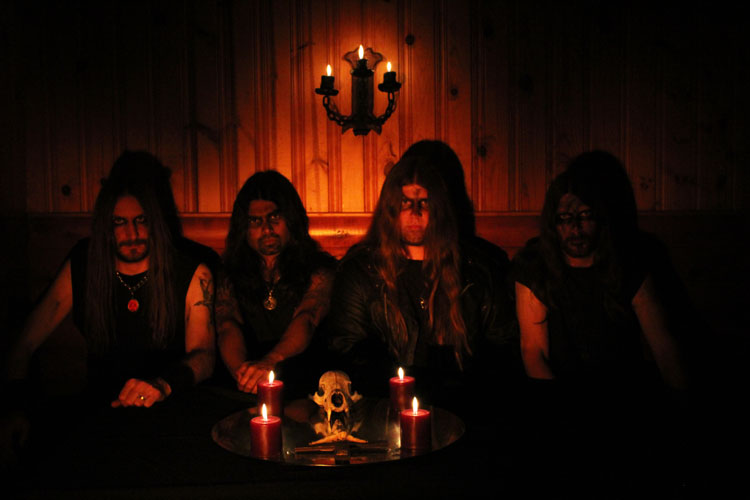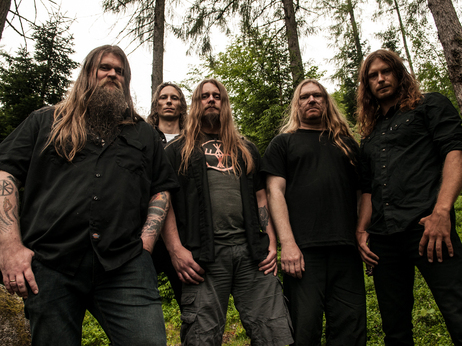
Yakuza remain mind-altering but reveal newfound display of ferocity on ‘Beyul’


Growing up, our school encouraged us to take up an instrument. We had a regular music teacher who focused almost entirely on teaching instruments to students, and we got these little personal showcases of all the instruments available so we could pick the one we wanted most. Or, translated, the one we wanted our parents to buy us the most. It was a good time.

I was an avid pop music fan in the early 1980s, so the saxophone stood out as the choice for me. The instrument was featured in so many of the songs I had recorded off the radio and with which I annoyed parents and friends on a regular basis. Pretty sure I made everyone sick of Hall and Oates and Men at Work. Anyhow, when it came down to striking a deal with my parents over what instrument I would play, all parties were not in agreement. I wanted the sax; they recommended the less-costly trumpet. Who do you think won this one? Hint: Not me.

So the trumpet it was, and despite learning the theme from “M*A*S*H,” it was a futile cause. I hated the thing. I later dropped it. My parents said that’s why they didn’t want to invest in the sax, because they figured I’d lose interest in whatever I was playing. Nope. I just hated the trumpet. I wonder if Bruce Lamont ever had such worries, as he’s still playing sax to this day with his killer band Yakuza, who have become one of the most interesting and unique bands in all of extreme music. The sax certainly wasn’t a very metal instrument a decade or so ago, as pretty much zero bands used it as a primary instrument in their bands, but Lamont sure as hell changed that and made the instrument pretty fucking awesome again. There still is a ways to go before an entire metal audience embraces it, as I remember concert goers wondering out loud before Yakuza’s support slot for Triptykon what some sax player was doing on stage. Fools. In fact, the band doesn’t even have an entry on the vaunted Encylopaedia Metallum, which is absolutely ridiculous.

Yakuza have returned with their sixth full-length record “Beyul,” named after hidden valleys that are part of Tibetan Buddhist lore, the location of which is said to be revealed closer to when the world is to come to an end and that exist as a place of spiritual refuge once hell begins to unfurl on Earth. The band’s music often tackles destruction and the tumultuous history of our existence, and they do much of the same on the new record, often poking the deification of technology and other advancements in our society. The band’s music always gives off that sense that the Earth could rip apart and dissolve into fire at any time, and what will we be left with from our normal, sometimes cluttered lives? Lamont’s sax usually sounds like a doom horn, sometimes mournful, sometimes vengeful, always on fire. It’s there as a second voice. He’s, of course, joined by guitarist Matt McClelland, bassist Ivan Cruz, and drummer James Staffel.

“Beyul” is one of those records that is and isn’t typical of the Yakuza experience. On one hand, there are progressive-minded, adventurous, volcanic songs that reach epic length and leave you breathless once they’re done. But there also are some fast, furious tracks not generally expected by such an ambitious band. The record itself also isn’t as long as many of Yakuza’s other records, clocking in at just under 39 minutes. That’s damn-near EP territory for this band, and it’s a little surprising once you realize the album’s run its course. I know my first time through, when closer “Lotus Array” expired, I was kind of like, “Woah! That’s it?” But that’s certainly not a negative. Better to have 39 great minutes than 50 or 60 minutes not as inspired. And I got used to the brevity.

Opener “Oil and Water” has a Middle Eastern flavor to it, mostly because of Lamont’s heady, fluttering sax, but the rest of it chugs. Lamont howls of being “in dire need of a new plan” on the chorus, and he and the rest of the band get to pummeling with visceral, imaginative melodies. “The Last Day” blasts open and is a pretty moody track. Actually, it’s pretty AND moody. Tempos shift back and forth, with an ever-observant Lamont calling, “As we watch the sun rise and fall again and again,” while cellist Helen Money adds more lush texture. “Man Is Machine” is my favorite of the bunch, and it’s where Lamont seemingly is at his most cynical and agitated, with him commenting on the role of technology in our lives. “You are both master and slave,” he pokes at one point, yet later he calls, “You are my Christ, I worship your circuitry.” The simple chorus is full of vitriol. It’s a smasher of a number.

“Fire Temple and Beyond” is the longest cut on the album, reaching nearly 10 minutes, and it certainly uses all of the space it occupies, with drone, some slower melodies, eventually chunky thrashing, neat guitar lines that roll in and out, and a strong sense of purpose. That, combined with “Man Is Machine,” certainly acts as a steady centerpiece. Then shit goes off. “Mouth of the Lion” roars at 2:14 in length, and it’s as fast, furious, and feral as the band gets. Lamont goes all-out animalistic, and he even tops himself in that category on “Species,” that lasts all of 1:24. These are buckets of ice water, they’re so surprising, almost as if the band thought a curveball to the gut was in order. We wrap with “Lotus Array,” a slower moving, reflective song that conjures images of Eden, mankind’s struggle with existence, and Lamont’s hopeful repetition of, “We will live forever.” And that’s it. The record fades away, giving you all it intends to offer.

It’s nearly impossible to go wrong betting on a Yakuza record. They’re pretty consistent, and they always give you the best they’ve got. They may not appeal to all metal listeners, but those who get them treasure the band. Unabashedly, I’m one of those people, and I’m really excited about “Beyul” and how these songs will come across live. They’re a unique experience, a band that finds a new way to capture my imagination with each release.

For more on the band, go here: http://www.facebook.com/pages/yakuza/55268044860

For a more extensive read on Beyul, go here: http://en.wikipedia.org/wiki/Beyul)

To buy the album, go here: http://www.profoundlorerecords.com/products-page/plr-items/yakuza-beyul/

For more on the label, go here: http://www.profoundlorerecords.com/
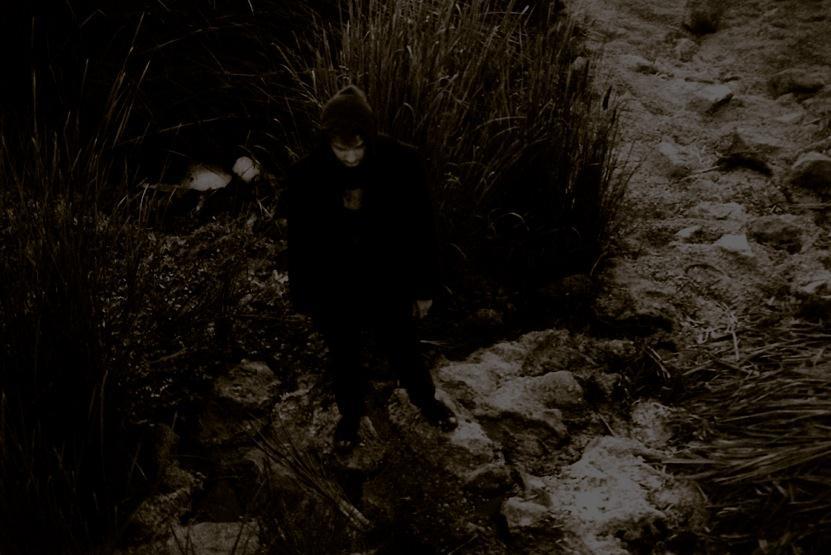
Mare Cognitum see chaos in the stars on incredible ‘An Extraconscious Lucidity’


Do you realize how tiny you are? Seriously, I don’t care if you’re 7 feet tall and weigh 500 lbs., you’re awfully small. Sure, you’re a giant compared to other people, but when it comes to the vast container that holds the planet on which you live, you’re a speck of dust. That’s being kind, by the way.

That’s a weird concept to consider, your basic insignificance to the universe as a whole. For people who walk around this planet like they’re tougher than all — mostly dudes, let’s face it — a black hole would laugh at you. After consuming you. You can’t measure up to a supernova even if you tried really hard. You’re nothing, and no matter how big a truck you drive, you are minuscule. That’s actually a healthy thing to consider and absorb. To be in awe of nature and space is a humbling experience, one that could do all of us a little good when our heads get big at times. No matter how great you think you are, you’re trumped.

When I was growing up, I’d watch Carl Sagan’s “Cosmos” from time to time. It was a show that really shouldn’t appeal to a child, and the only reason it did was because it frightened me. Sagan would talk about how tiny our planet is, how vast the universe is, and about how he lives his life in this quest for a greater understanding of what’s out there and how it affects us. When I watch Sagan today, I get a little teary eyed. It’s an incredible envelope we’re in, and it doesn’t fucking end. The fact that people like Rep. Paul Broun (R-Ga.) can ignore much of this and date Earth at 9,000 years both angers and saddens me. But that’s his problem, and I can’t make excuses for people’s ignorance.

My guess is Jacob Buczarski probably doesn’t think much of Broun’s theories either, though I don’t claim to speak for him. He’s the sole member of atmospheric black metal band Mare Cognitum (named after one of the dark basins on the moon’s surface), and his second effort under that banner, “An Extraconscious Lucidity,” has surfaced with concentration on one’s own place in the universe and what witnessing some of the existence-altering, cosmos-forming events might be like. In fact, I reached out to Buczarski about some of the deeper themes on the record, and this is what he had to say:

“On this album, each song generally surrounds cosmic events and either the personification of these celestial bodies or the witnessing of a significant or catastrophic astronomical event by an individual. The purpose of this is to turn an otherwise cold and emotionless topic like the cosmos into a personal and intimate experience fitting of the depressive and atmospheric music. The result is an exploration of topics like the purpose of sentience and experience, the significance and perception of beauty in various forms, and the vast array of emotions one could experience when somehow witnessing an event like, say, a universe devouring another. This of course greatly represents the feelings I personally experience when viewing the stars and imagining these events in my mind: that of overwhelming mystery. It is meant to be humbling and introspective and make you consider your relative worth as not only an observer, but also a part of the cosmos which contains things far more influential than yourself as an individual, and even man as a species. This topic provides a strong framework for me to compose songs that I believe are capable of evoking powerful emotions in the listener.”

“An Extraconscious Lucidity” follows last year’s equally stunning “The Sea Which Has Become Known,” and the music fits Buczarski’s description perfectly. It wholly engaging, it’s emotional, it’s cathartic, it’s awe inspiring, and it pays homage to a greater force that causes him to dream and imagine things that very well could consume him and the very existence of humankind. Realizing how fragile, temporary, and easily destroyed our world is has been lost on so many people, who maintain some illusion of invincibility. But it’s clear Mare Cognitum’s music is aware of this dark possibility and accepts what will be will be.

“Collapse Into Essence” opens with a long stretch of spacey, ambient music that sets a mood right off the bat. It has an episodic build, and then it blows apart, with harsh shrieks, washed-out metallics, and a cascading tempo that pushes you to the brink of destruction. Then it’s into “Pyre of Ascendance,” that opens with some speedy guitar runs, more aggressive qualities, some lightning-strike intensity, and a final gallop that seems to tilt its cap toward the dawn of Bay Area thrash. It chugs and puffs, and it’s an exhilarating song. “Degeneracy Pressure” opens clean and calm, with some creaking that reminds me of someone in a rocking chair, gazing into the night sky through a telescope. The song then bursts to life, with wrenching shrieks and more guitar fireworks, leaving you exhausted but satisfied.

“Nascency” is a downpour of sound, with melodies that are alive and full of heart, and vocals from Buczarski that sound both anguished and vulnerable. “Ergosphere” is one of the most textured songs on the collection, with a wall of orchestral synth (at least I think that’s what it is) that leads the way to a pulverizing, hard-hitting assault, with Buczarski howling, “This place devours life!” That sets the stage for the title track finale, a flurried, yet spacious piece that rips the lid off the whole thing. There is plenty of fluid, melodic playing, and the vocals really go for broke, imagining the cacophony and immediate extinction of all life with observations such as, “My eyes ablaze, above the sea/To drink the brilliance of this display.” It’s paying homage to gorgeous Apocalypse that one cannot stop but must admire for its brute strength.

Buczarski’s visions on “An Extraconscious Lucidity” are sobering and magnificent. It’s similar to the Nordic black metal artists who sing of nature and their worship of their surroundings, only on a cosmic level. Plus, the potential destruction he sees is not based on politics, or the downfall of human societies, or a global power struggle. It’s at random. It’s the universe deciding our fate. We are powerless against it. This album captures that dread nicely but also couples with it an admiration for the beauty of the great beyond. Like “Cosmos” made me feel growing up, I’ll probably never think of the stars in quite the same away again. I’m chilled all over again, and it gives me even more reason to stare into the night sky with a renewed sense of respect.

For more on the band, go here: http://www.facebook.com/MareCognitumMusic

To buy the album, go here: http://marecognitum.bandcamp.com/

And here: http://marecognitum.bigcartel.com/

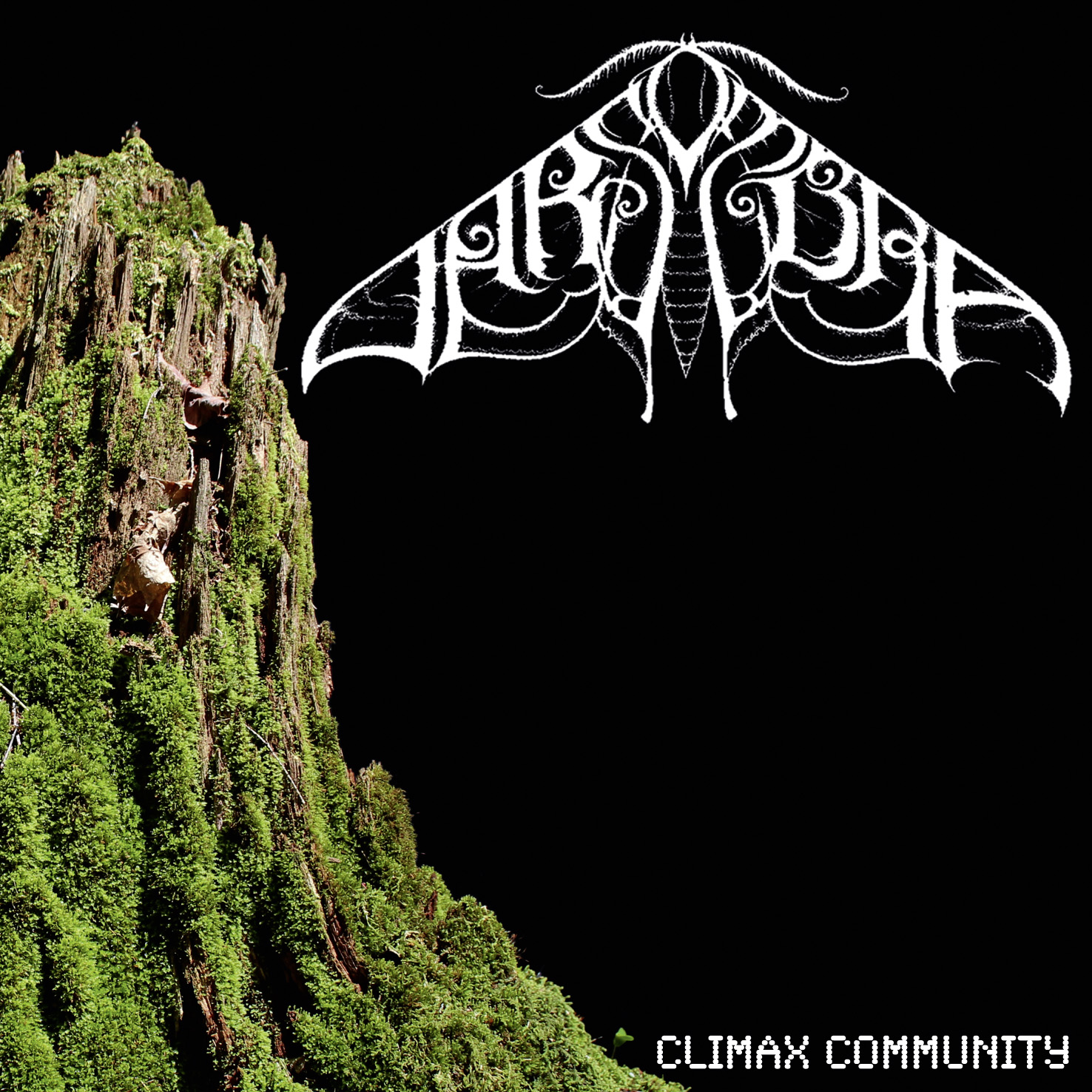
Darsombra’s ‘Climax Community’ mixes biological harmony with cosmic magic


When I was growing up, I had both a fascination with and paralyzing fear of UFOs. I remember late on a Saturday night watching an over dramatized show about alien abductions and barely being able to sleep for weeks at a time. I kept thinking about weird grey men trying to drag me up a ramp onto their craft.

I still find myself altogether consumed by UFO documentaries on cable TV, though my fear long ago has subsided, and I’m pretty comfortable with the notion that there are other beings out there somewhere and that maybe one day we’ll meet some of them. I also have been thinking lately about the movie “E.T.” that’s getting reissue treatment on DVD that was one of the first movies of my life to captivate me. And equally frighten me because I worried every laundry pile I encountered as a kid really was a hiding space for an alien. One of the weird anecdotes I took away from the movie was about E.T. being a botanist and that really being the first time I ever heard that word before and what it meant.

That’s perhaps a complicated path to discussing “Climax Community,” the latest effort by Darsombra. Musically, we’re not really discussing outer space, but their compositions always seem to try to take me there. Never have I thought that more than when indulging in this new album. But there are more natural themes behind this record specifically when it refers to the album title, which Wikipedia describes as “a biological community of plants and animals which, through the process of ecological succession — the development of vegetation in an area over time — has reached a steady state.” That makes a lot of sense with this record, but their brand of ambient, doomy, transcendental rock and metal sounds organic and, for me, at one with my surroundings. This is an outdoors album, best enjoyed in the elements.

Darsombra have a myriad of releases to their credit, recording for labels such as At a Loss and Public Guilt, and their last full-length was 2008’s excellent and adventurous “Eternal Jewels,” which remains a favorite to this day. The duo of Brian Daniloski (Meatjack, Trephine) and Ann Everton (who brings the music to live with her breathtaking visual interpretations) hit a high plane of artistic understanding and revelation on this new album, that sometimes has a New Age vibe, often feels loose and free, and occasionally takes you into thunder pockets in order to bring you back to serenity. It’s quite an experience.

“Climax Community,” their third long player, is a little less metallic than past Darsombra efforts, and it generally stays more in the drone, ambient category more than anything. But certainly there’s enough to convince a fan of, say, Sunn 0))), Asva, or Earth to stick around and check out the whole thing. The album’s comprised of three tracks — epic opening and closing cuts, with a bridge in between them. The songs do require attention and patience, typical of art this style, and it’s best consumed when relaxing, concentrating, or reading. It should help both soothe and stimulate your mind.

“Roaming the Periphery” opens, running 23:17 and doing pretty much exactly what the title indicates. It meanders and travels around the edges of your mind, occasionally making inroads to the middle, but always settling back into the ether. The center gets heavier and darker, with doom drone and guitar thickness allowed to get things smoking, and space-age noises and planetary pulsating also strikes, getting your cells moving back and forth. It’s a really long cut, and I get tired as the song reaches its conclusion, which makes the placement of acoustic, folk-based “Green” afterward perfectly sensible. It’s the leafy buffer.

Closer “Thunder Thighs” goes 18:16, and it begins mystically and mysteriously. It, too, gets filthier from time to time, but it also revels in weirdness. After a neat prog-based section, some of the album’s few vocal displays light up, with repeated chants of “da-da, da-da.” Honestly, that part goes on too long, and I start to find it a little grating on the nerves, but it eventually melts back into comic soup and has a wonderfully numbing finish.

Darsombra remain a weird, wonderful entity, and their music can be uplifting, dark, enlightening, and spooky all at the same time. To me, I keep going back to those spacecraft overlords and their designs on Earth. Maybe this is what I’d hear–or would want to hear– in my mind during my own alien autopsy. I’m sure it wouldn’t feel too good, but I feel like this music would help me soar away and appreciate the greater good my internal organs would do for another race of beings. Not that I wouldn’t protest the knife.

For more on the band, go here: http://darsombra.com/

To buy the album, go here: http://www.mainstreamrecords.de/shop

For more on the label, go here: http://www.mainstreamrecords.de/

UK doom lords Indesinence return with nightmarish ‘Vessels of Light and Decay’


You know when you have one of those particularly disturbing dreams how you sometimes wake up and wonder if the story your brain just told you really happened, or if it all was just a horrific show to jar you from your sleep? I have those a lot. I had one a few weeks ago where I watched, from my 32nd story desk, a jetliner crash into the smaller buildings situated beneath where I work. It was so real. But luckily not real.

I don’t know what leads people to have these nightmarish images, and even having gone through dream interpretation as part of my therapy, I still sometimes have a tough time coming to grips with what makes me see these things when I sleep. As easily as I can connect other, less affecting dreams to things going on in my life, these catastrophic ones never seem to relate to anything obvious. I sometimes worry that perhaps I have this perverse desire to see something tragic like this unfold, but consciously I know I’d never want to witness an event like a plane crash. The horror would be too much to handle.

That got me thinking more about “Vessels of Light and Decay,” the new effort from Indesinence (mixed with Greg Chandler of Esoteric, mastered by James Plotkin), a band that’s tackled dreams in the past and whose album art for this sophomore release looks like the nighttime terrors that plague a child’s head. It’s murky, yet colorful. There’s a hooded figure with a hand held out, but is it to invite you to something exciting, or is he leading you to the path to your destruction? There’s plenty to interpret simply in that painting, and having not yet seen the elaborate, hard-covered finished copy, my imagination remains in overdrive about what that package will contain. That’s also an exciting thing for someone like me, who grew up buying records and spending hours poring over the contents once it was in my grasp. That doesn’t happen too often anymore.

We haven’t gotten a full-length from underground UK doom-death titans Indesinence since 2006’s excellent “Noctambulism,” and album you can find pretty easily online and that could give you a nice introduction to the band’s work. The doom is a funeral-style lurch, drubbing and hopeless all the way, and their brand of death metal is straight from the early 1990s, when the genre still was ugly, guttural, and raw. There’s nothing glossy or polished about Indesinence because this stuff wasn’t mean to sound that way, but as players, they’re as good as it gets. Guitarist/vocalist Ilia Rodriguez, guitarist John Wright, bassist Andy McIvor, and drummer Daniel Ben-Haim pack plenty of despair and unforgiving heaviness into their music, and I can’t help but shake the feeling that their music could soundtrack the aftermath of an airplane leveling a city block, and its aftermath, perfectly. But that’s just my nightmare. I’m sure whatever keeps you awake at night would be that much more panic-inducing with Indesinence shoving the story along.

After a weird, choral chant-laced opening sequence “Flux,” it’s right into “Paradigms,” a 14-minute slow bruiser that seemingly stretches through time and space. The growls are ugly and punishing, and the whole thing chugs in place over a mid-tempo. “Time erases nothing,” Rodriguez growls, as he and the rest of the band seem to make each moment stand still and hold the weight of planets. “Vanishes in the Haze” is chunky and utterly doom-infested, with a bagful of tempo shifts, morose melodies bleeding from the guitar work, and a mix of growls and shrieks that serve to fatten the already thick sense of dread. The song fades into a wall of feedback, and then “Communion” comes crashing through shoulder first, with a punchy, thrashy makeup, guitar soloing that teeters on glorious, and a new interest in speed, as classic death metal threads show.

The second half of the album opens on “Ka Madrugada Eternal,” an ambiance-rich, dream-like affair that lulls you into long periods of wall gazing. It’s a nice buffer from the first half to the final two cuts that stretch over more than 28 minutes combined. “Fade (Further Beyond)” runs more than 14 minutes, and it’s the one track where perhaps a little could have been shaved off the end for better effect. But it’s still a meaty, varied song, with some strains of deathrock, foggy and muddy traveling, and eventually more signs of uptempo violence that launch you back toward pure death metal. The final few minutes, while stirring, do tend to drone a little bit and perhaps stick around long. But closer “Unveiled” erases any worries as to how the record will end, and this is as emotional and heart-wrenching a song as you’re going to find in the band’s catalog. The song takes its time to set up, with the opening minutes reminding a little bit of Agalloch, before dank soloing, a slurry melody, and purely tortured wails enter the fray and scar this song’s face. The guitar work bubbles over at one point, offering a hint of positivity, and as the record makes its exit, there’s a psychological high from having heard an incredible mental cleansing.

Indesinence haven’t been terribly prolific, but what they’ve given us, especially with “Vessels of Light and Decay,” has been awe-inspiring. This band probably is still a little bit of an unknown to North American audiences, but this titanic album is sure to change that. Hopefully we get music more regularly from this band than we have during their tenure, but as long as what they produce is as good as “Vessels,” I don’t mind if they take another six years. That wait’s sure to be worth it.

For more on the band, go here: http://www.facebook.com/pages/Indesinence-Official/231340010226233

To buy the album, go here (will be up soon): http://www.profoundlorerecords.com/products-page/

For more on the label, go here: http://www.profoundlorerecords.com/

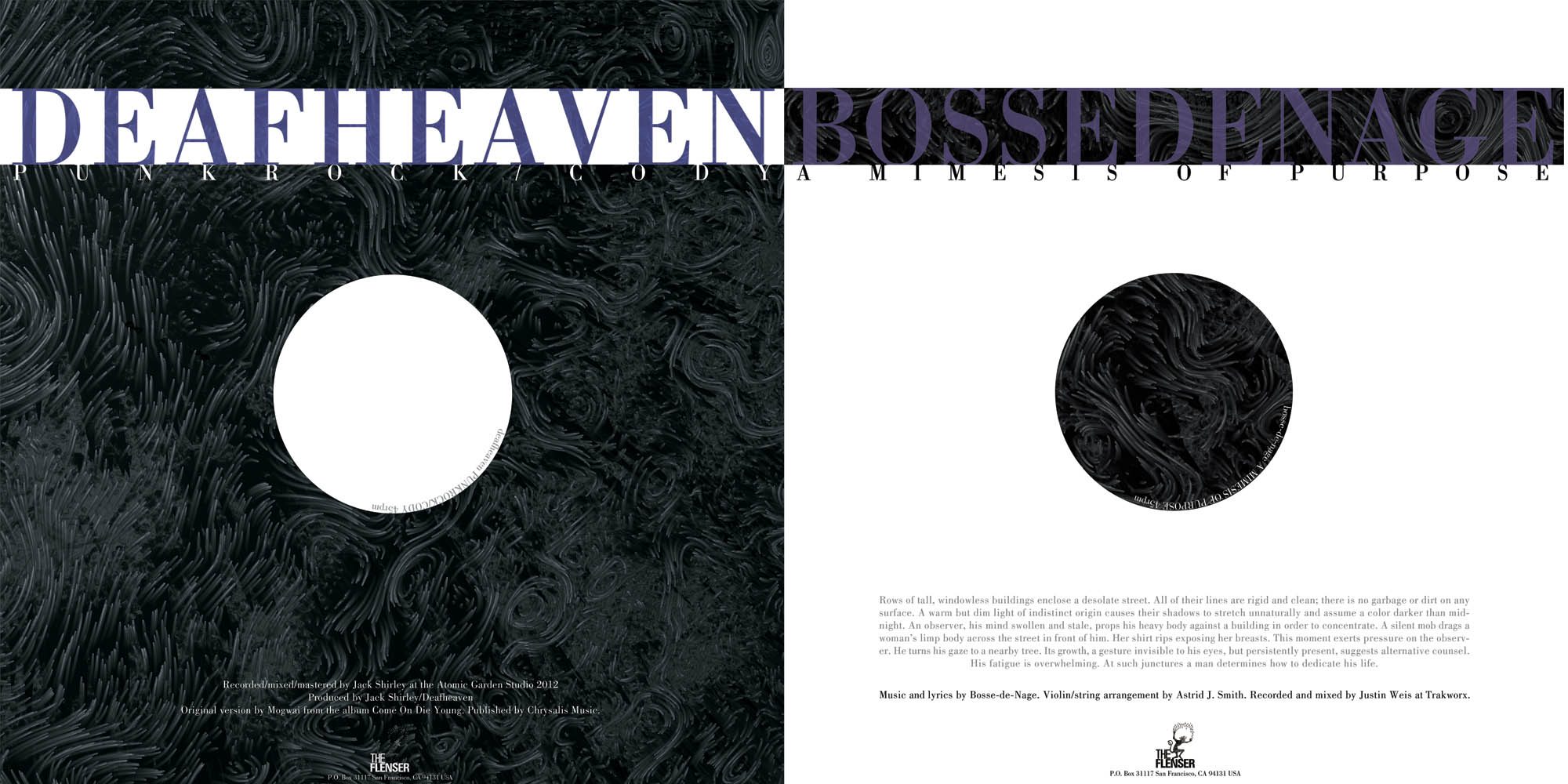
Deafheaven, Bosse-de-Nage each reveal cinematic, unsettling blackness on split


I don’t pretend to know everything there is to know about music, therefore, I try to assume nobody else does either. Experts are few and far between, and no matter how much knowledge you may have yourself, there’s always more to discover. If there wasn’t, the world would be a giant disappointment.

So just because I name both Deafheaven and Bosse-de-Nage as two of my favorite new bands going in extreme music today doesn’t mean I expect the rest of the world just falls in line and knows all about them like I do. I assume there probably are people out there who love metal and really don’t know much about these two bands because they aren’t on giant labels and probably will never be the subject of a full-page, front-end glossy ad in a music magazine. So if you’re unaware of either group, there’s a new offering from Flenser Records, a split 12-inch, that could be a nice introduction for you. And if you’re like me and already think highly of both bands, this is an incredibly impactful addition to your collection.

Both Deafheaven and Bosse-de-Nage hail from the fruitful Bay Area, and each band uses black metal in their unique approaches to metal. But that’s kind of where the comparisons end. Deafheaven is spacier, more exploratory, and have a cinematic bend to their music, while Bosse-de-Nage have a knack for Slint-like indie rock, tend to feel like a stab wound, and have a psychotic bend to their vocals and lyrics that are terrifying because they sound like the product of a human being whose inner wiring is melting. Those two combined would make for as pretty bizarre live bill, but pairing them back to back on a stage also would be an incredibly exciting way to spend an evening. The gamut of emotions would be run and permanently exhausted. So you can imagine how this new split effort will strike you.

Deafheaven

Deafheaven’s contribution is an interesting take on Mogwai’s “Punk Rock/Cody,” the opening, conjoined two tracks of their 1999 album “Come on Die Young.” When I heard they were tackling this song, it made perfect sense to me, but it still was an awakening hearing the finished product. Unlike Mogwai, who used a clip from an Iggy Pop appearance in 1977 on Canadian TV, Deafheaven use a clip from William Faulkner’s Nobel Prize speech from 1950, where he spoke about an artist’s role and responsibility, especially in a post-World War II world. As the music begins to take hold, there are strains of Deafheaven’s version that try to stay somewhat true to the originals, but when the “Cody” portion bleeds in, things change.

Vocalist George Clarke, as he is wont to do, doesn’t go with Mogwai’s softer, more reflective approach to the vocals and instead lets off like a banshee, howling and shrieking like blood is spraying from his mouth. Yet in his fire, there is a generous amount of emotion and vulnerability to his performance. He isn’t trying to be brutal for the sake of doing so. He’s simply taking the story Mogwai originally told and making it more intense and immediate for an audience 12 years later. Musically, there are so many crescendos, so many high points, that your own inner energy is bound to soar through your ceiling. I find it impossible to hear Deafheaven and not feel myself ebbing and flowing internally with them, and their version of “Punk Rock/Cody” is no exception. I keep listening to this cut over and over again, and I’m thrilled by the personal artistic touch Deafheaven put on this song. Excellent job, and I can’t wait for their next full-length.

For more on the band, go here: http://deafheaven.com/

Bosse-de-Nage (photo by http://sfsludge.blogspot.com/)

Bosse-de-Nage are a bizarre group. Their music is twisted artistically, and I can safely say there is no other band out there that sounds like this one. In fact, it would be impossible to replicate this group’s sound because no one else possibly could have their psyche. The world couldn’t handle a duplicate. They seemed to absolutely drain themselves on this year’s brilliant “III” (out on Profound Lore), but it turns out they had even more in their tank. Their new song “A Mimesis of Purpose” is practically a best-of that demonstrates everything this band does so well. If you are fragile mentally, always be careful because this band can hit a little too close to your own scars.

The song opens with some militaristic drumming, and clean, solemn guitar work that makes it sound like perhaps the band is showing a softer side. But it’s a red herring. After vocalist B. begins to recite dark poetry over the melody, the song stop on a dime, and a doom-infused riff blows in and everything turns toward the sinister. The vocals morph into a monstrous, deranged growl, the tempo goes in a direction that’s a little different for the band—it’s hard to explain why…it just feels odd—and hellacious emanations sprawl all over. As if everything didn’t already feel Apocalyptic and fucked, doom horns rise up behind the chaos and signal that the world is about to crumble in a void. There is no recovery, no hope, and nothing good left in the world. It’s all filth and fury, and you feel like you’re going to die alone. One never should expect to feel uplifted by this band, but this is a renewed sense of hopelessness.

For more on the band, go here: http://bosse-de-nage.com/

Yes, these bands are quite diverse, but together, they seem to complete each other emotionally. You’ll be exhausted after this 20-minute union, and if you’re new to either band, you might also have discovered a new group that makes you love for metal that much more enthralling. If you already have an allegiance to one or both, your discipleship will be that much stronger.

To buy the album, go here: http://store.theflenser.com/product/deafheaven-bosse-de-nage-split-lp-pre-sale

For more on the label, go here: http://theflenser.com/

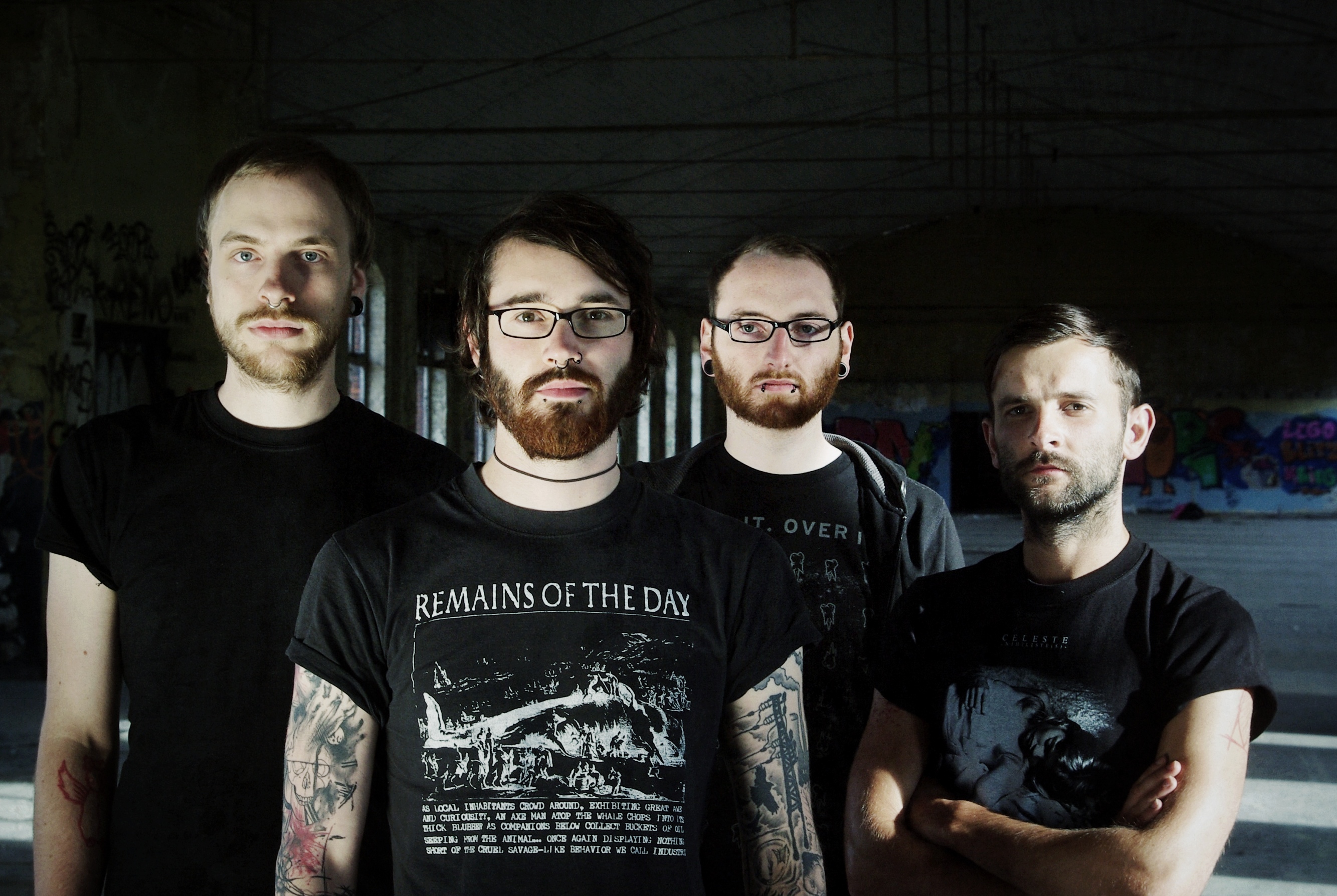
Downfall of Gaia create atmosphere on debut Metal Blade release ‘Suffocation’


I’ve always been humbled and fascinated (and sometimes frightened) by the power of nature. It’s a force you cannot do anything to stop, and I learned a huge lesson about that this summer when I paid little attention to crashing waves in the Atlantic Ocean, got turned upside down, dragged to shore, and was parted with one of my teeth. Hurt like a bitch, but it was a hell of a reminder.

From my perch near the top of a building downtown at my job, I get to see rolling fog, torrential thunderstorms, and all kind of crazy things formulate and move, and it never ceases to blow me away. Those conditions also generally influence my playlist at work, and I’m generally working through whatever project is at hand with some kind of sound in my ears, normally chosen by what the weather outside looks like. I know not everyone considers Immortal to be a serious, don’t-mess-with force now and that they’re kind of poster children for the whole panda bear, ridiculous persona culture of some black metal, but listen to them during a blizzard while driving. It all makes sense in a way you can’t comprehend if it’s sunny and calm outside.

This week and last, we’ve had some foggy, rainy days that made the city seem as if it was pocketed in the clouds. Often times, it’s hard to see the river below or the traffic-filled bridge across the way, and those days make bands like Germany’s Downfall of Gaia really register. Despite a more sludgy, aggressive first few years as a band, they’ve evened out their sound and gone for a more atmospheric approach. Their stuff reminds me of all kind of bands, from ISIS to Cult of Luna to Altar of Plagues to Morne to countrymates Imperium Dekadenz, and their new record “Suffocation in the Swarm of Plagues” should be quite the introduction for them to the larger audience their label Metal Blade no doubt will provide.

If you’re not familiar with the band, I’m sure that introduction is one you’ve read for many young groups looking to gaze out and do lengthy songs designed to create a mood. It’s because you have. There are tons of bands of the ilk trying to make their way into an overcrowded subgenre, but it all boils down to spending time with the music. And the more I listen to “Suffocation,” the more impressed I am by the band’s ambition and their playing. You can feel these songs register inside of you, and they never come off like a band trying to ride coattails. There’s an honesty and integrity to their playing, and their music made an excellent soundtrack these past couple weeks any time the world outside was being drenched in precipitation and clouds. This was exactly what I needed to hear.

Another thing I find astonishing is that there are only four members of Downfall of Gaia. Sure, lots can be done in the studio to beef up sound and whatnot, but this quartet–guitarist/vocalist Dominik Goncalves dos Reis, guitarist/vocalist Peter Wolff, bassist/vocalist Anton Lisovoj, and drummer Johannes Stoltenburg–really make the most of every section of this album. They combine post-metal, shoegaze, doom, black metal, and some hardcore into their expansive package that grows more involved and effective each time you go back and listen.

The record essentially is five lenghty tracks sandwiched in between two hazy instrumental cuts–“[Vulnus]” and “[Asphyxia]”–acting as intro and outro. The album is a concept record that describes a man who cannot sleep, and the longer he goes without rest, the closer he gets to dissolving into insanity. I think we’ve all been there before, but maybe not to this extent. The tale effectively opens on “Drowning By Wind,” a wailing track with howled vocals, volcanic energy, and passionate playing that ramps up the drama and bleeds into “In the Rivers Bleak.” That cut is more punishing and violent, with the vocals taking on a throatier finish, and the atmosphere filled with lightning. “I Fade Away” begins with cleaner tones and a sense of calm before it’s ripped open at the seams, manic ferocity bleeds forth, and the organic explosion rolls by in nine minutes that never feel nearly that long.

“Beneath the Crown of Cranes” seems more calculated and channeled, not that they’re not still in the mood to blister you. The song is murky and serene at times, convulsive and threatening in others, and the song ends with a sense that reeks of desperation on the part of the central character of the plot. “Giving Their Heir to the Masses” attempts to pack everything into one nearly 10-minute blast, with gorgeous melodies, some of the tougher, angrier vocal work on the entire album, long pockets of noise and feedback, and a final assault that’s smeared with metallic rage and inhuman shrieks. Then the record fades away with the outro cut “[Asphyxia],” where you can float off with the protagonist, either to the long-needed rest or to the end of the line, where everything fades away.

It’s great to see Metal Blade take a chance on a band like Downfall of Gaia, who otherwise would have released this expansive piece of work on the DIY labels with which they’ve shared an association. Not that there wouldn’t have been merit to that path, but having such a noteworthy label behind “Suffocation in the Swarm of Plagues” means tons more people will be exposed to this great effort than would have been otherwise. This record deserves to be heard by any metal listener who likes to expand horizons, and they truly establish themselves as a special act in a sea of like-minded bands.

For more on the band, go here: http://www.downfallofgaia.com/

To buy the album, go here: http://www.indiemerchstore.com/item/15968/

For more on the label, go here: http://www.metalblade.com/english/content.php

Death metal heathens Weapon refined, just as evil on ‘Embers and Revelations’


There is nothing wrong with moving up in the world and improving one’s lot in life. It’s something we all should aspire to, instead of running in place and never getting any further than where we are right now. Yeah, some people damn progress, but mostly those are folks who likely never would have gotten ahead themselves.

I was pretty surprised when Canadian death metal heathens Weapon signed with Relapse. They had been recording for the Ajna Offensive, a label where they sonically and philosophically seemed perfectly placed, and their sooty, gritty sound was one that seemed to exemplify a band trying to keep things as ugly and evil as possible. Everything sounded just right. Their first two full-length records–2009’s “Draconian Paradigm” and 2010’s “From the Devil’s Tomb”–lit the underground metal scene on fire, and while they didn’t have a huge profile, they certainly were wholly respected.

And then there was the jump to Relapse. It’s not like they’re fishes out of water there. It’s a fine home for them, and if they have ambition to get their music to a larger audience, there was little to criticize about the move. It just surprised me, as a listener, that they did it, and I was even more knocked back when I heard their new album “Embers and Revelations.” It sounds … pristine. It’s not dirty at all, doesn’t give you the sensation of a campfire strangling your lungs, and doesn’t give off that bizarre, cult-like aura of their first two records. It took some adjustment.

At the same time, and a lot of writers like myself get caught in this trap, the bottom line was the album didn’t sound like what I expected. And whose fault is that? It’s mine. Too many people judge work based on their own expectations rather than on what’s in front of them that it offers a blurry, misguided picture. I didn’t want to fall into that trap when discussing “Embers and Revelations,” so I made sure I spent extra time with the record so I fully understood what I was hearing. As it turns out, the record revealed itself, my expectations faded, and I was able to see the music for what it is: an expertly played, strongly produced album that puts more focus on the band’s ability as songwriters and players and less on simply making sure it sounds evil. Just listen to the words. That shit’s still there in spades.

Weapon is, and I’m assuming always will be, led by guitarist/vocalist Vetis Monarch, whose been at the helm since day one, and with him are guitarist Rom Surtr, bassist Kha Tumos, and drummer The Disciple, who all take on assumed names. Their work on “Embers and Revelations” is channeled and aggressive, and their musical prowess is highlighted by producer Terry Paholek, who really refined the band’s sound, making a record that sounds like a classic-era Megadeth, Morbid Angel, or Iron Maiden production. As noted, they’re moving up in the world, they’re taking their campaign higher, and what better way than with a record that sounds as good as this one? Yeah, some people that cling to lo-fi emanations may bitch, but it’s not their decision. Plus, you can hear a progression from their early EPs, to “Paradigm,” to now, where they were headed down this path, and they finally hit on the right sound for them. They also kept this record to a tight 37 minutes, which helps them stay lean and mean. Good move.

For those new to Weapon, their lyrical content isn’t for the weak of heart. This is Satanic death metal through and through, and not in the way of Slayer or Venom. There’s an adoration, a discipleship here that gets full commitment, and that’s balanced along with their rage and desire to do audio violence both on their records and at their live shows. I don’t know why I have to point this out to a metal readership, but just in case your favorite band is Nightwish …

“I live a life of sin,” Monarch growls on opening cut “The First Witnesses of Lucifer,” a thrashy and crushing opener that immediately lets you know you’re in for a different kind of Weapon assault. “Vanguard of the Morning Star” has some strong lead guitar lines, melodies that rain down like a mist of nails, and more gruff vocals from Monarch. “Crepuscular Swamp, Unhinged Swine” takes the band in a different direction, as the playing gets more spacious and exploratory, and the way they progress through the song always keeps you guessing. “Liber Lilith” actually has a deathrock feel to it at the start, with its watery guitar work and slower gaze, but then it ignites, leaving a fury of flames. Those guitar solos, by the way, give me nostalgia about “Rust in Peace,” before Megadeth shat the bed repeatedly.

“Grotesque Carven Portal” is a bizarre interlude, with space lab noises, alien-like transmissions, and eventually razor-sharp guitar work to disrupt the dreams. The title cut brings the heaviness back to full tilt, with Monarch proclaiming the “king of kings” and the band offering up homage of “hail!” which always sounds to me like they’re saying “heil.” They’re not, but it just sounds that way. It did on “Paradigm” too. “Disavowing Each in Aum” also is aggressive, but their atmospheric tendencies return, making for one of the most interesting tracks on the record. We end with “Shahenshah,” a term that also means “king of kings,” and the calculated pace and chanted chorus make for a mesmerizing scene.

So yes, Weapon have changed. Actually, let’s call it evolved. They’re on a bigger label, they have better opportunities, and they responded with a record that should help them expand their base. There’s nothing wrong with that at all, as long as the music is true and strong. “Embers and Revelations” is a powerful tool, and I expect Weapon will use it to carve a path for themselves to wherever they feel like going.

For more on the band, go here: http://www.weaponchakra.com/band.html

To buy the album, go here: http://www.relapse.com/embers-and-revelations.html

For more on the label, go here: http://www.relapse.com/

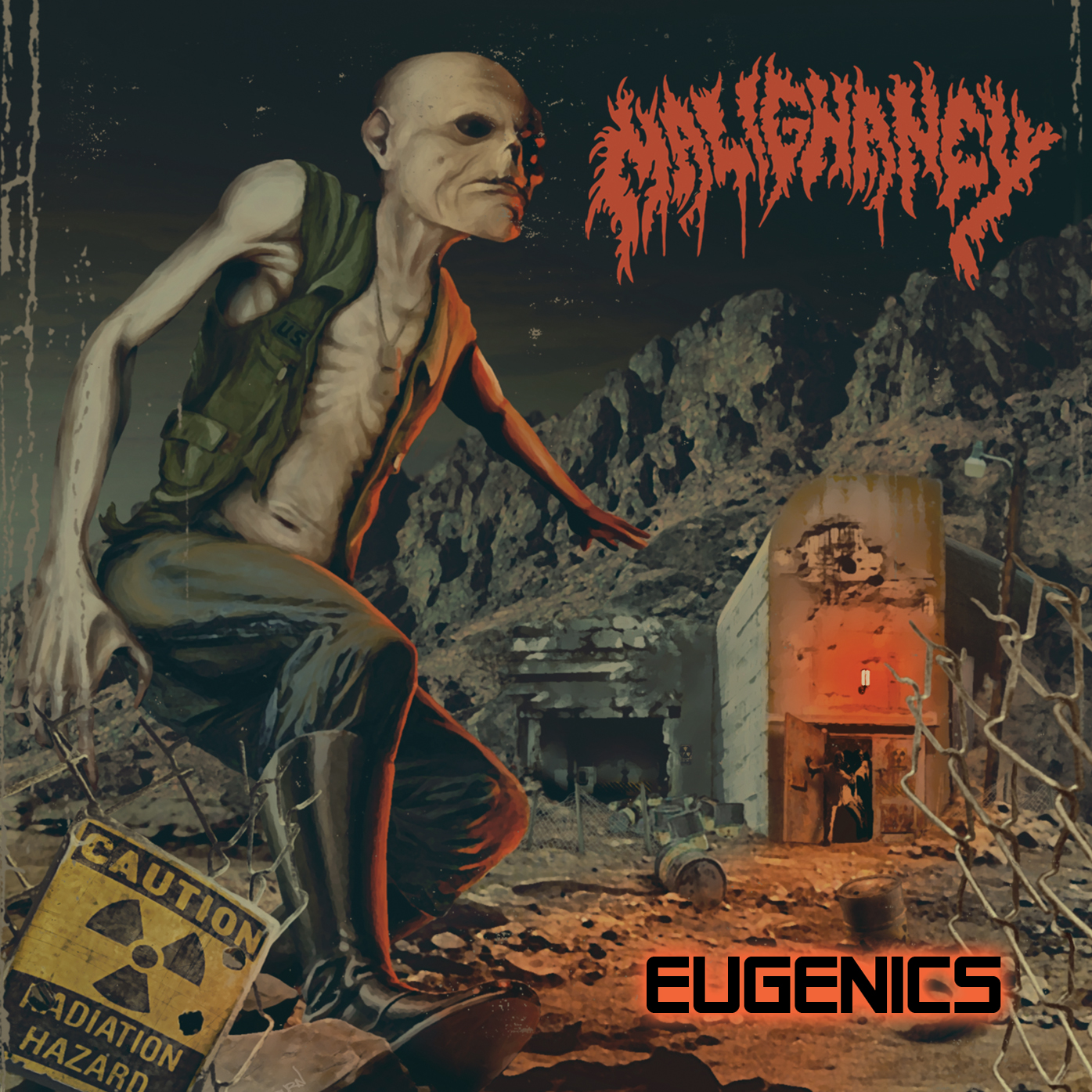
Death vets Malignancy foresee end time, post-Apocalyptic existence on ‘Eugenics’


We all have, what, a little more than two months to live? That’s why I’m done bitching about football season being bad for my team, because we’ll all be dead and gone way before the next Super Bowl will be played. So James Harrison, get your shit together. You don’t have long to live.

OK, I don’t believe that for a second, and as pumped as the Mayan prophecy people get about the end of the world, it’s not going to happen. Or it’s not going to happen for that reason. Also, the alleged Mayan Armageddon falls on my wife’s birthday, so that’s a pretty lousy way to celebrate, no? But in the metal world, we’ve long been obsessed with end times, destruction, and death, and it’s almost like the genre couldn’t exist without those things. Just look at most of our T-shirts. Bloody, right? It’s because our minds belong in dark places, and metal easily helps take us there.

So it is with the third (only third?!) full-length from legendary New York death/grind outfit Malignancy’s run that we really get our hands dirty with this extinction business. “Eugenics” imagines a post-Apocalyptic Earth, where a race of survivors is forced to live far underground with just enough means to continue with their lives. They thrive with generators, an air supply, and waste management (let’s not brush this off … very important to have), as they live their final years as Earth’s sole inhabitants. But we also have the issue of eugenics to consider, which is the study or belief of improving human life by reducing human abnormalities or negative traits and encouraging reproduction by members of a race that are deemed to have positive qualities. It’s a lot to consider, and since this record slams by in about a half hour, you don’t get a terribly long time to consider the actions and consequences.

Malignancy’s history traces back to the early ’90s, when they came up alongside other notable death metal units such as Incantation, Immolation, Mortician, and Suffocation. They always leaned to the technical side of death and grind, but not so much that they lost focus of what’s truly important, that being creating strong, effective songs that aren’t overshadowed by prowess. Despite their two decades of existence, however, the band only has offered up two other albums, their 1999 debut “Intrauterine Cannibalism” and 2007’s “Inhuman Grotesqueries,” along with some mini and split releases. And like the titles of those records imply, horror, filth, violence, and flesh consumption often were subject matters there to turn the stomach while their music crushed your neck. Pure, classic death through and through.

With 11 new splattering tracks in tow, the band–longtime vocalist Danny Nelson, guitarist Ron Kachnic, drummer-turned-bassist Roger J. Beaujard, and drummer Mike Heller–still are able to disgust you, but the storyline that is built into the record also should provoke thought. There are a handful of current issues that, if agitated properly, could trigger a worldwide cataclysmic event, and we could end right alongside the people documented on this album. Also the matter of eugenics, while not explicitly discussed in the news, certainly is relevant considering some of the issues of the current presidential race. This hits close to home.

After a bizarre intro that mimics a radio dial zipping around the find weird transmissions and oddball songs, it’s right into “Type Zero Civilization,” a tricky, speedy song with Nelson at his belchy best. The title cut then launches, and it’s a feast of technical brutality, with growls and shrieks all around and some really great guitar work by Kachnic. “Extinction Event” isn’t tough to figure out lyrically, as it’s the event that launches us into underground madness, and it’s full of monstrous vocals and stunning playing that hit just right. “Global System Collapse” has a neat, clean opening that reminds me of early Testament, and it eventually blows up and rips your face off. By the way, awesome bass trickery by Beaujard on this one.

“Cataclysmic Euphoria” is a total assault on the senses, with deep lurching growls from Nelson and jackhammering from the rest of the band. “Separatists” lets things get a little prog-minded, as the drumming takes on a neat pattern, the guitar work gets swoopy and spacious, and the mind-set changes a bit. At least for one song. “Monstrous Indifference” is gut wrenching and fast, while “Cryptobiosis” has so much going on that it’s bafflingly tough to pin down, even with its short running time. “Creatures of Conformity” is fast and animalistic, while closer “The Breach” is lightning fast, disruptive, and a serving of complete brutality. Its tempo and approach seem to indicate that our little underground world may not end so nicely.

“Eugenics” is another impressive display of expertly played death metal and disgusting fun. But at its heart is a sobering story that shouldn’t altogether be relegated to fantasy and sci-fi land. Things in our world are not as stable as some people may have you believe, and while it would be nice if all those issues were averted like the nuclear war fears of the 1980s, that’s not a given. If one day you’re living underground, remember Malignancy told you this might happen.

For more on the band, go here: http://malignancy.com/

To buy the album, go here: http://www.willowtip.com/releases/details/malignancy-eugenics.aspx

For more on the label, go here: http://www.willowtip.com/home.aspx

Veterans Enslaved refuse predictability, rise to earth-shaking levels on ‘RIITIIR’


Deep into a career typically is not a time to expect something surprising from most bands. By that point, there’s a formula, a style, expectations. Maybe even some complacency. Most bands know what fans expect of them, know what they expect of themselves, and deliver exactly what lines up with that thinking.

But there are exceptions. Iron Maiden have turned into prog metal explorers the past decade, writing albums packed with epic-length songs, heady material, and a far cry from the days when they pumped out 5-minute anthems. The reaction to that has been mixed. I like what they’ve done, but I also see the other side of the coin. Judas Priest also tried to embrace something more grandiose with “Nostradamus,” something of a disaster of an album. I admire the ambition, but the execution left a lot to be desired. Even Rush changed things up by making a stunning concept album “Clockwork Angels,” complete with some of the most inspired music they’re produced in two decades. Their deep-cuts-centric tour that accompanies the record also thumbs its nose — refreshingly — at the play-the-hits formula.

That brings us to Nordic black/Viking/folk/prog metal powerhouse Enslaved. They’ve never shied away from trying new things, stretching boundaries, and refocusing their efforts, and because of that, each new Enslaved album is something of an adventure. You can’t be too warmed up to their quirks, because they’ll change things on you with no warning. That’s why, for me at least, their last few efforts have been ones I’ve had to spend plenty of time with before the essence really sunk in. That’s not a complaint, by the way, because I love to have to “earn” albums. Those are the ones that tend to stick with you.

The band’s latest album “RIITIIR,” their twelfth studio album, is a challenger for sure. It may be their toughest album in a decade to fully absorb (opinion is sure to vary by listener), and my first few visits didn’t really bring much of an awakening to me. But maybe their label Nuclear Blast realized that as well, as the promo has been at my disposal more than two months now, and having a deep stretch of time to spend with the album has been to my benefit. Slowly it revealed itself, made its intentions clear, and it’s quickly becoming one of my favorite records in Enslaved’s catalog. The songs are rich and involved, and some of the best vocal hooks these guys ever have brought to the plate are found on “RIITIIR.” There is some serious sing-along material on this record.

Whatever got into these guys– bassist/growler Grutle Kjellson, guitarists Ivan Bjornson and Arve “Ice Dale” Isdal, drummer Cato Bekkevold, and keyboardist/clean vocalist Herbrand Larsen — they certainly made the right decision to follow their muse to its fullest. This a lengthy album at 67 minutes, and most of the eight songs run longer than seven minutes each (closer “Forsaken” goes 11:15). That’s part of the reason it takes so long to feel comfortable with this record, but spending time with the material and letting it percolate is in your best interest, because it really is a dazzling, surprising collection.

“Thoughts Like Hammers,” the opening track on “RITIIR,” is one you may have heard since it’s been on the Internet several weeks now. It’s an episodic tour-de-force complete with Kjellson’s trademark gurgle growls, a sweeping, memorable chorus sung by Larsen, and nearly 10 minutes of Enslaved goodness I’d put up against any song they’ve released the past decade. That’s kind of the bad news. Once this song is over, nothing else on the record approaches it, but there are some damn good tries. “Death in the Eyes of Dawn” has some wooshy keys, great melodies, and more stellar singing from Larsen, and the song eventually fades into an acoustic-heavy outro. “Veilburner” pours on the prog, at times sounding much like former tourmates Opeth, and there are references to “killing our idols” and other destructive tendencies on a song that’s pretty musically balanced. That leads to the crushing, earthquaking “Roots of the Mountain,” the heaviest song on the album. It does have its cleaner, more delicate moments, but it’s mostly demolition and black metal-flavored carnage.

The title track is a nice one, with another punchy open that eventually gives way to melodies and longer runs of clean vocals. Larsen urges, “Feel the flames inside of you,” as the bands burns out with a killer electric folk section that recalls their more Viking-friendly days. “Materal” is the one song that hasn’t made much of an impression on me yet. It opens sounding like a standard hard rock piece before it explores space and shoegaze. Some Kjellson gurgles emerge, and the last portion recovers thunderously, but I can’t get with this one, hard as I try. “Storm of Memories” rebounds with prog power, fluttering guitar work, spoken lines that sink behind the grandiosity, and an altogether interesting composition that sets the stage for the conclusion. Aforementioned “Forsaken” is a gigantic curveball, with cosmic lab keys, a much slower pace, raw, creaky clean vocals, and a sleepy tempo. It’s a very uncharacteristic song for Enslaved, but one they happen to nail and make special based on its peculiarity and execution.

So after more than two decades, 12 albums, and lineup and style shifts, Enslaved remain capable of surprising us. “RIITIIR” is ambitious and forceful, spacious and imaginative, and a record that speaks to me more every time I listen. It might take a little while to adjust to what’s going on here, but once you do, you’ll find one hell of a nice reward.

For more on the band, go here: http://www.enslaved.no/

To buy the album, go here: http://store.nuclearblastusa.com/Search/enslaved

For more on the label, go here: http://www.nuclearblastusa.com/en/